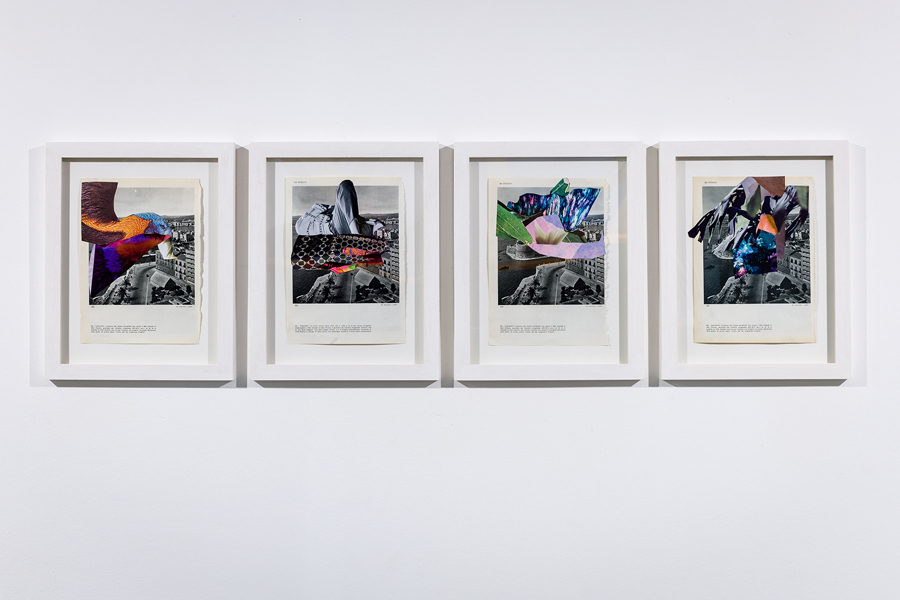
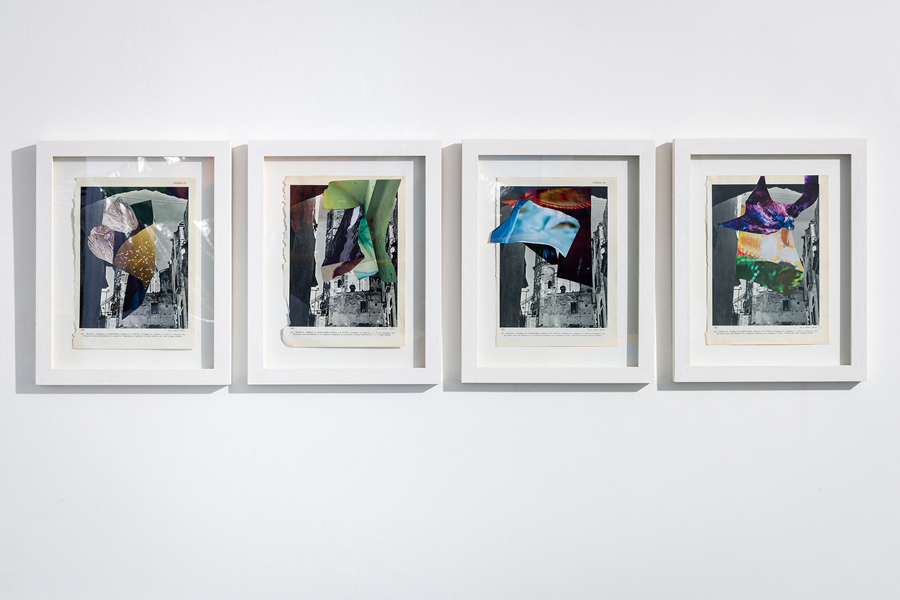
All posts filed under WORKS

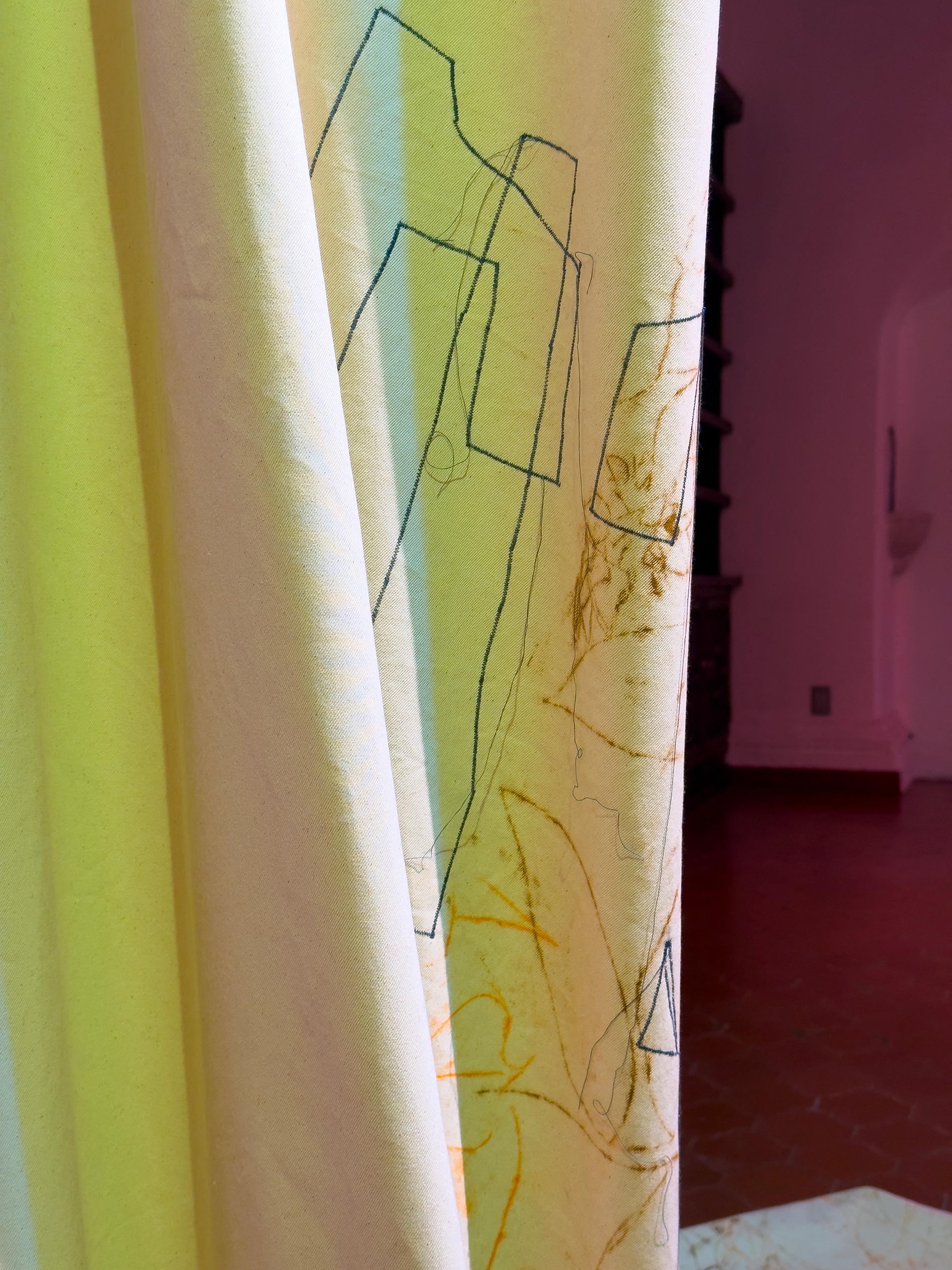
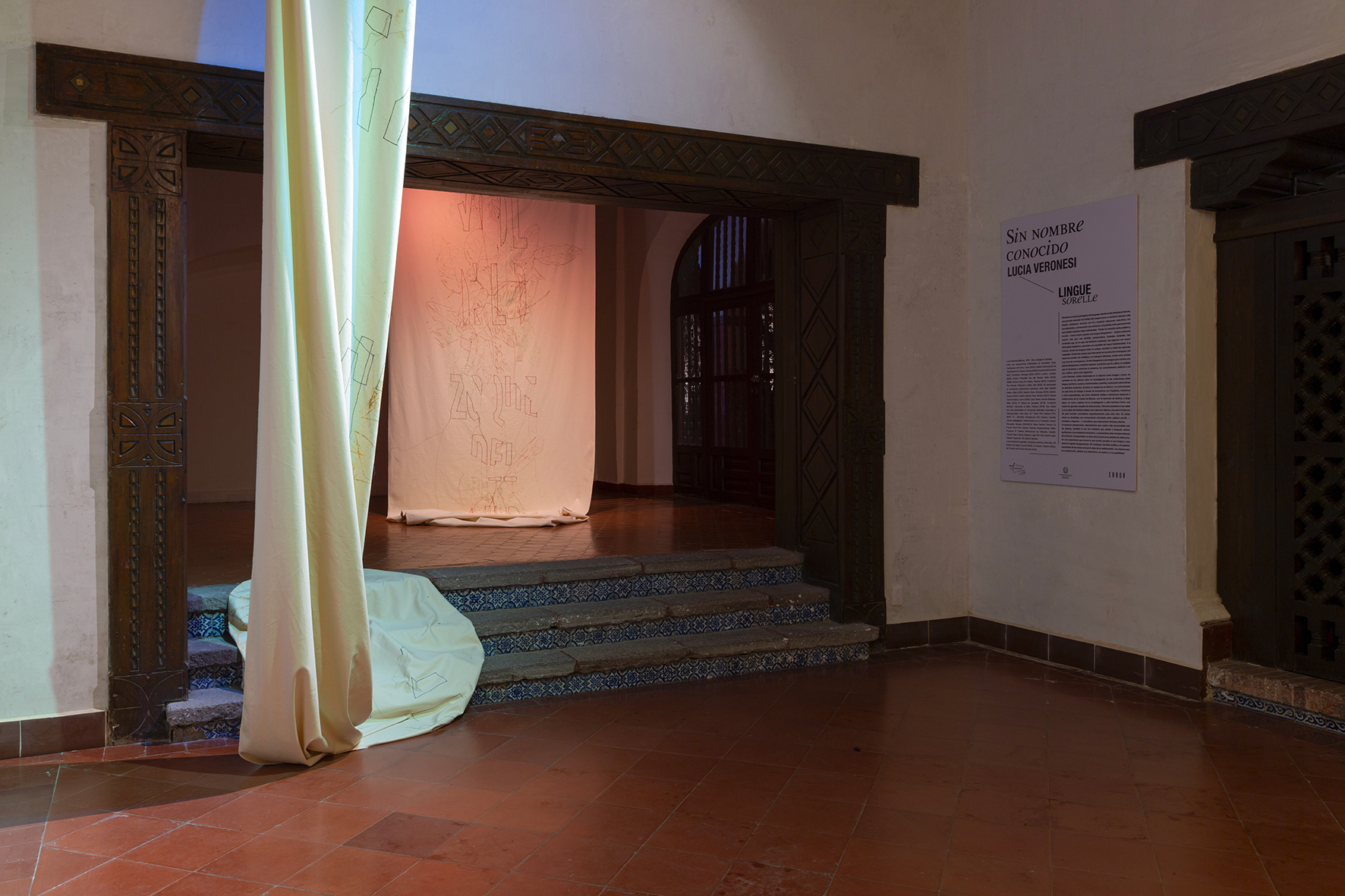
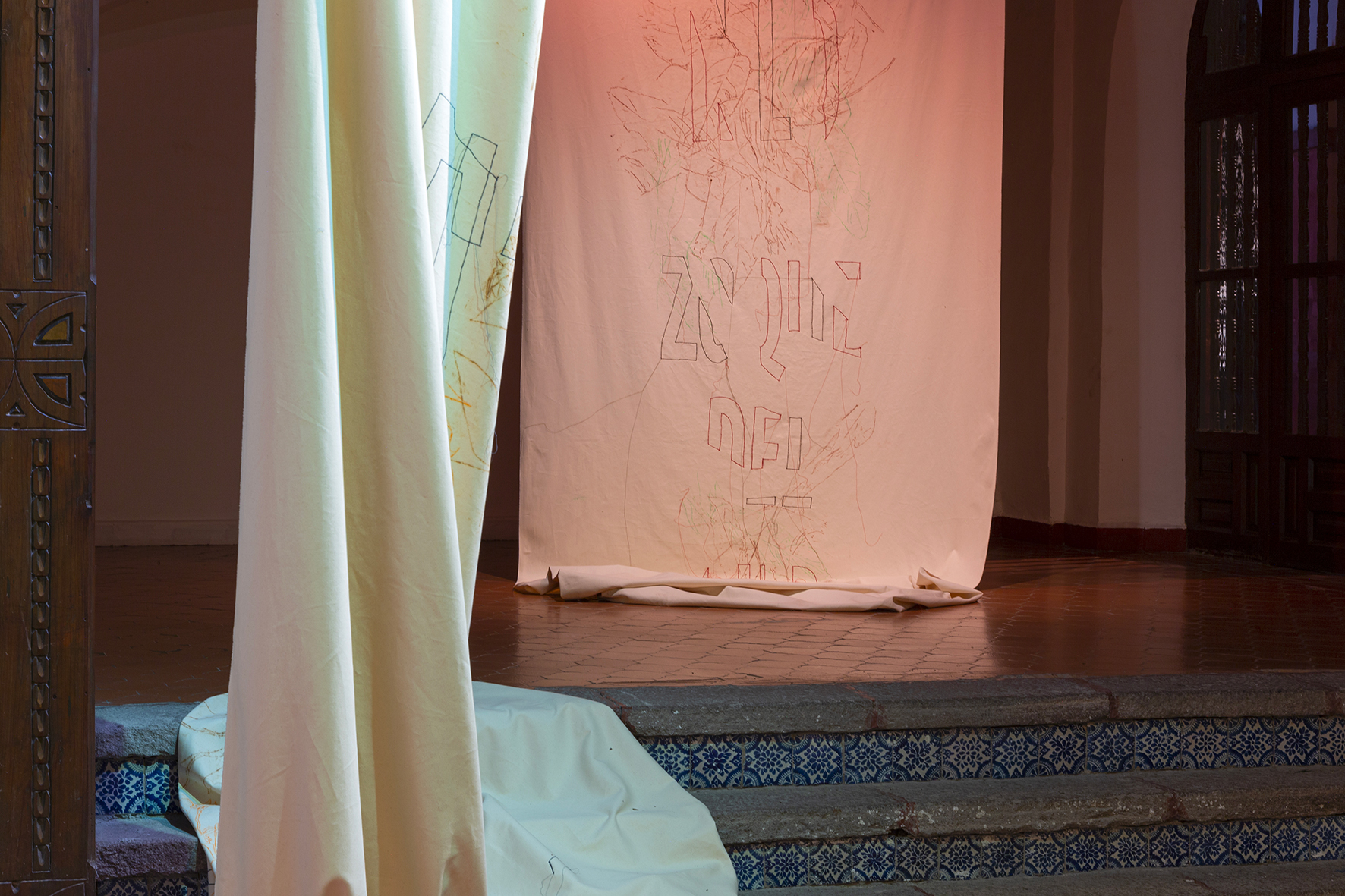
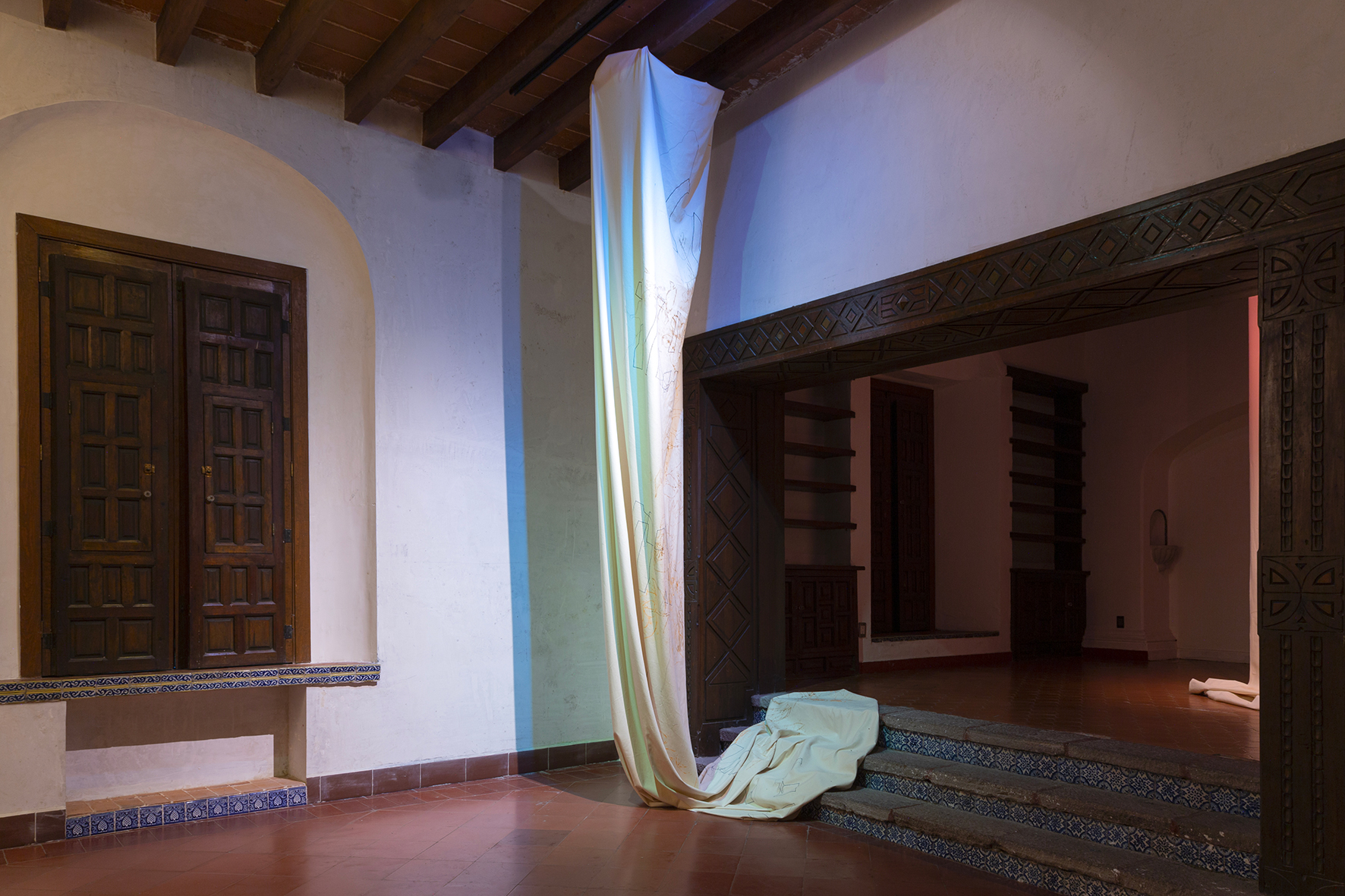
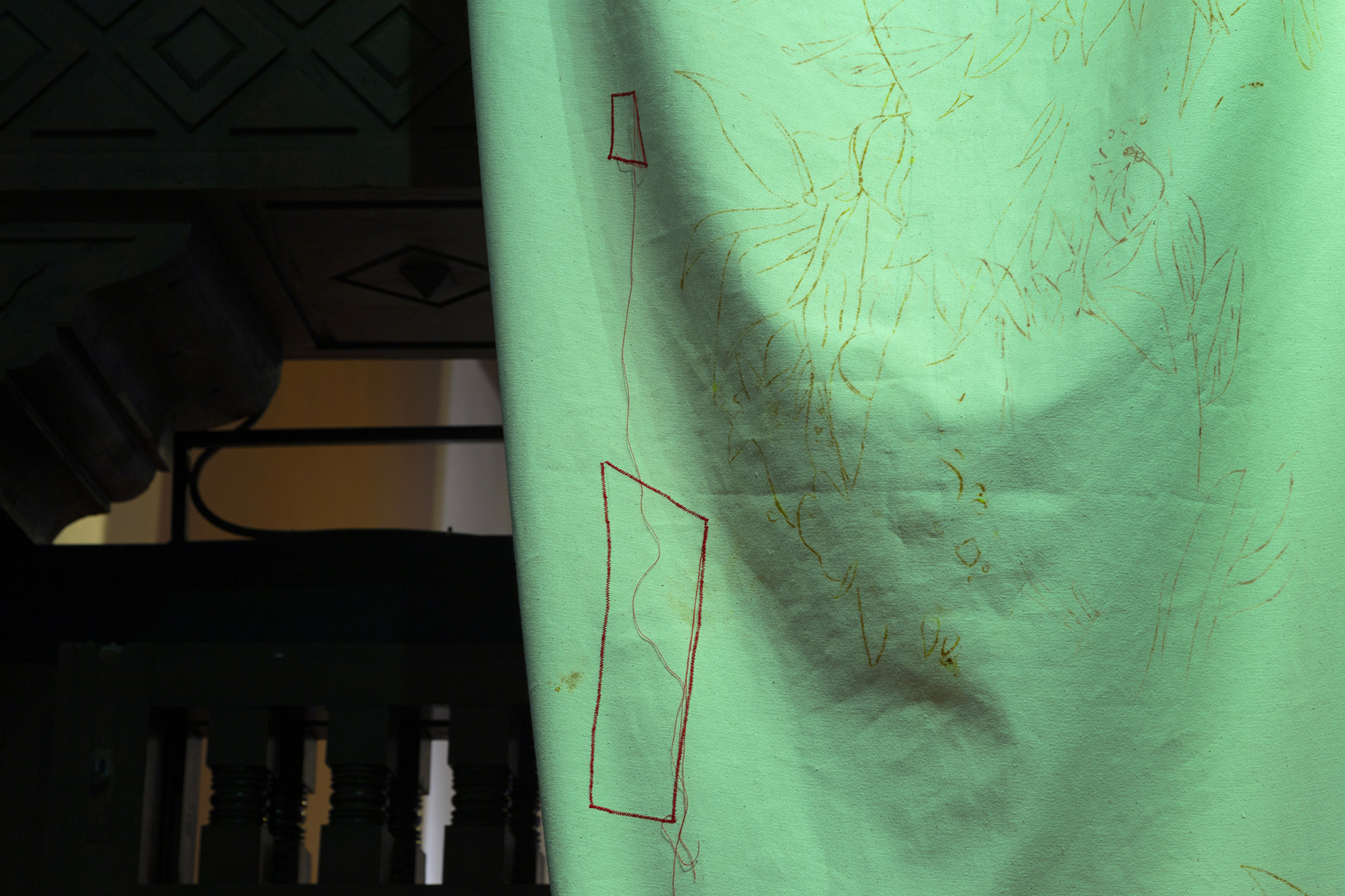
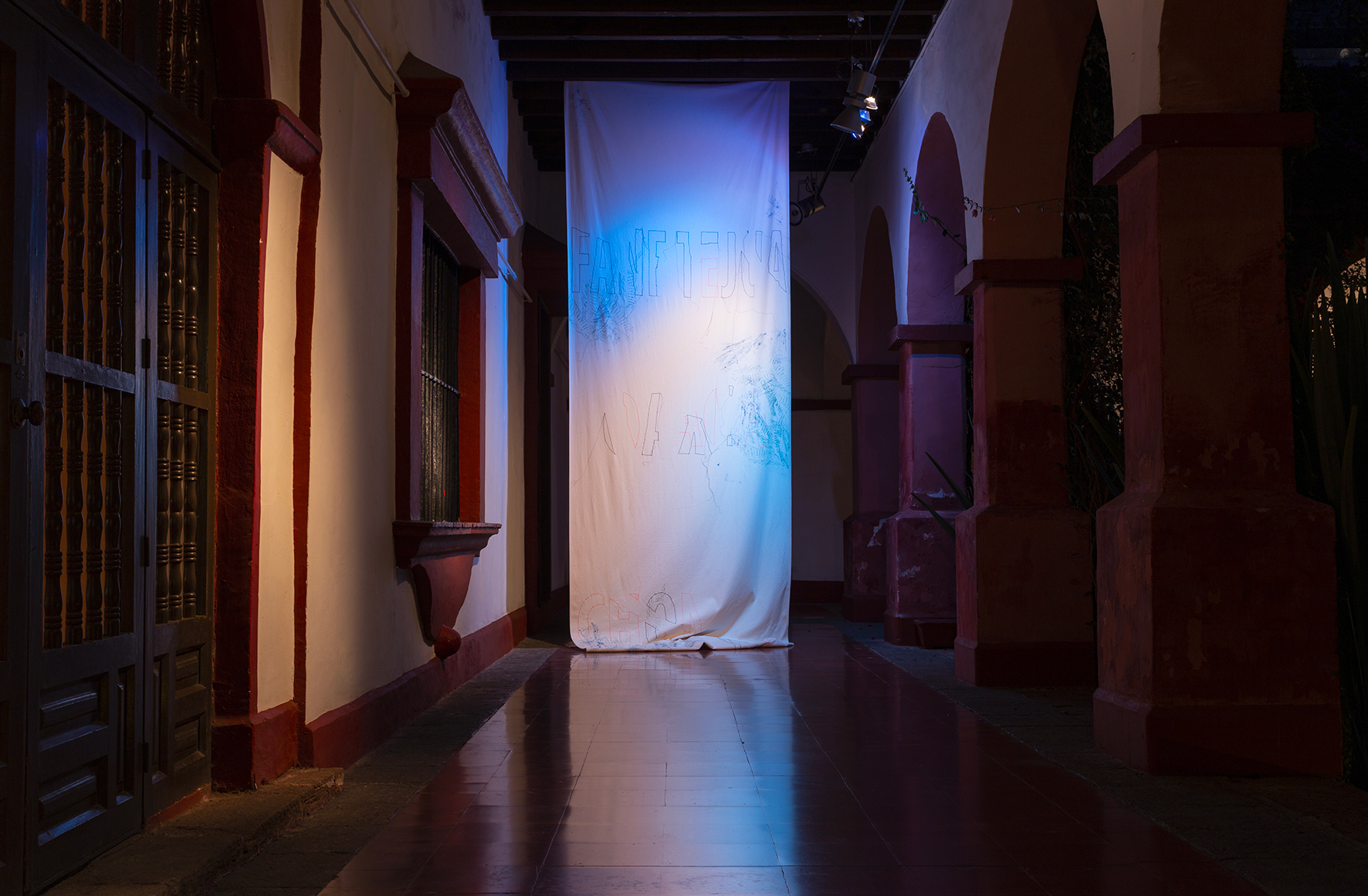
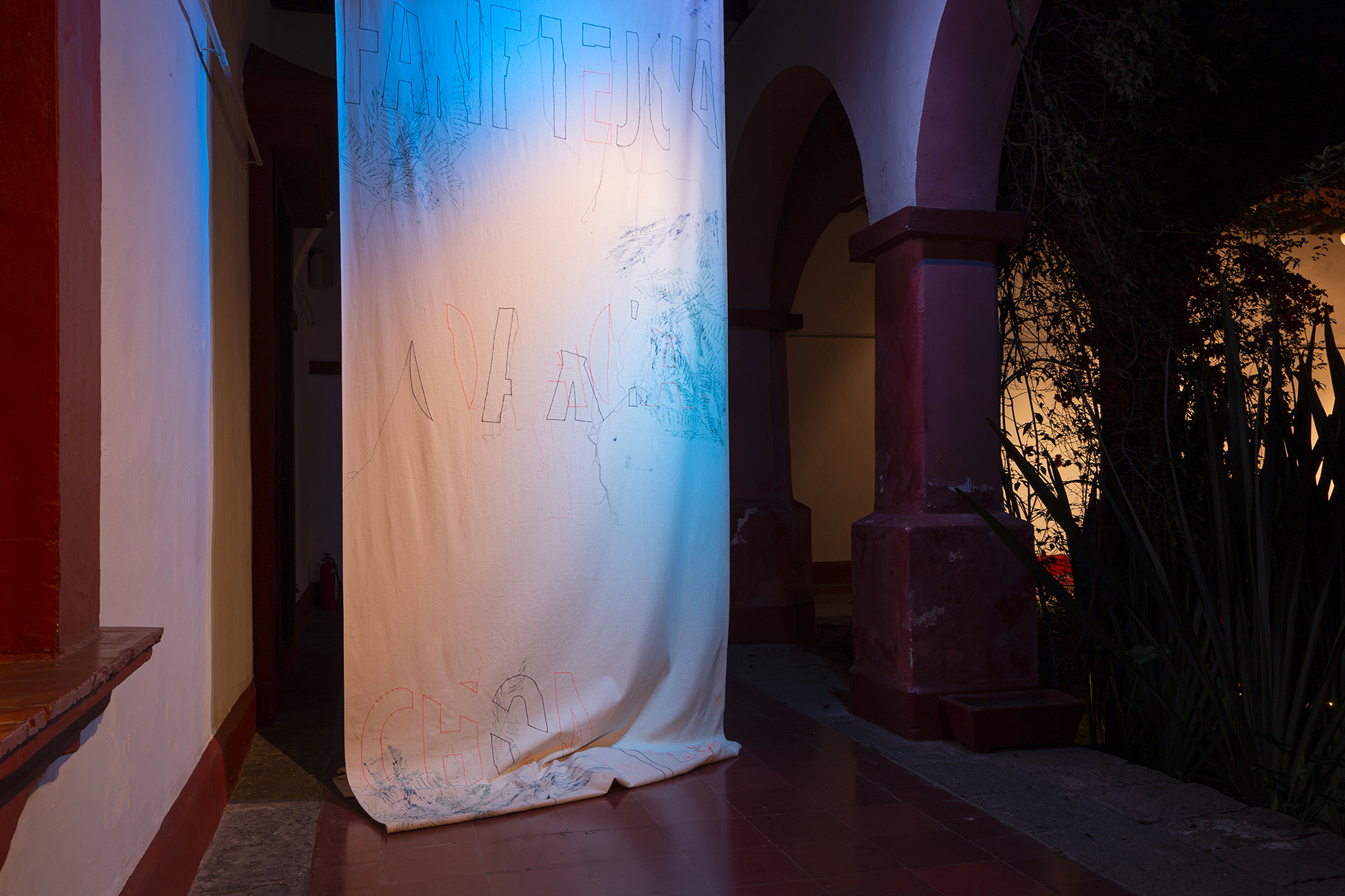
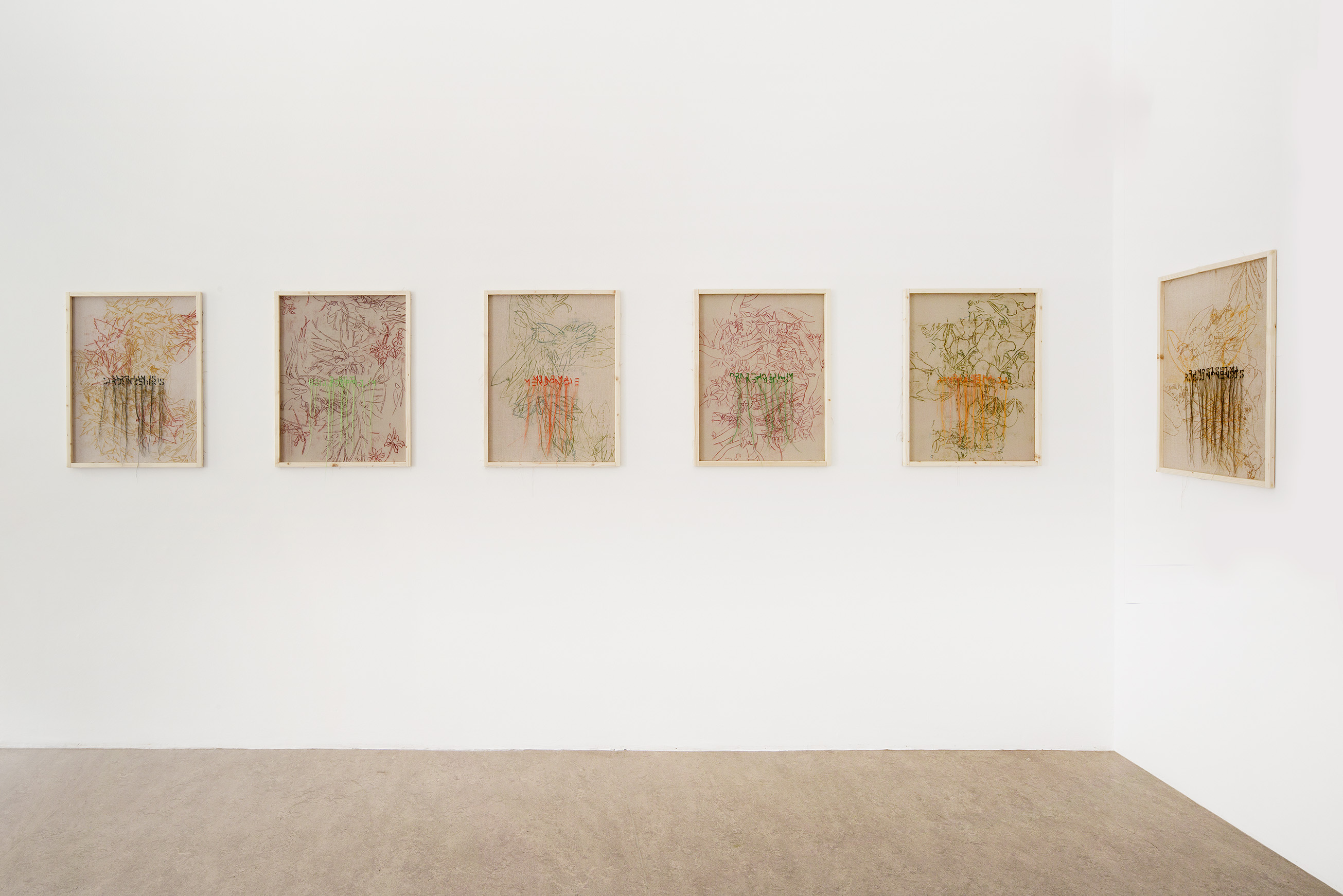
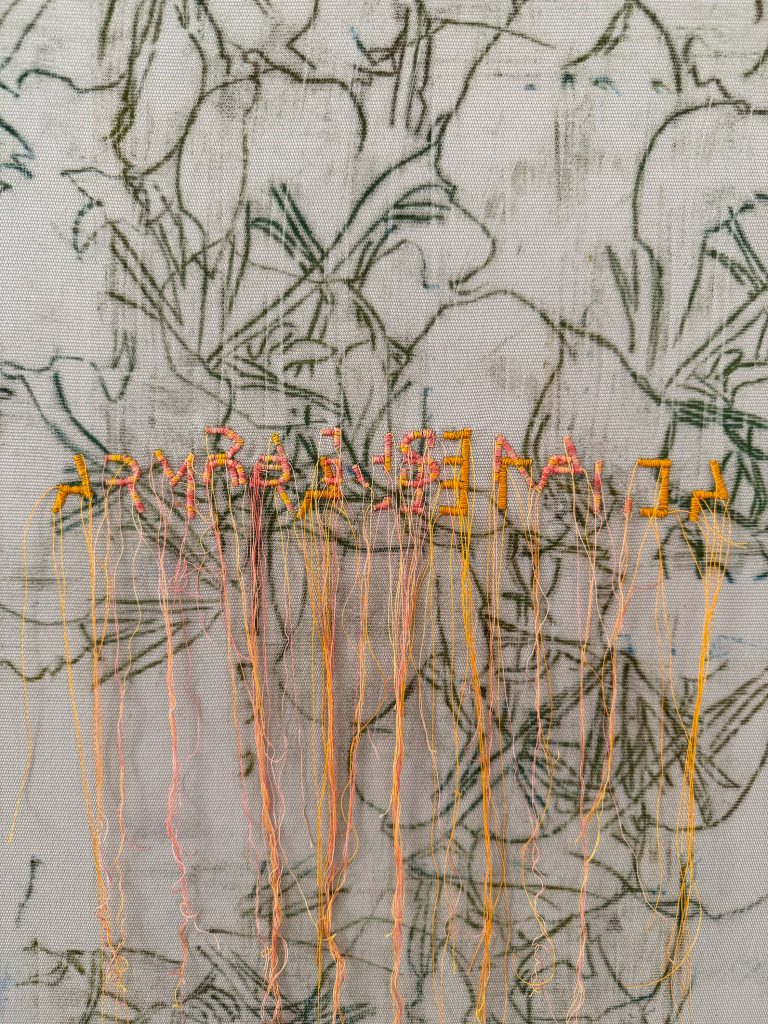
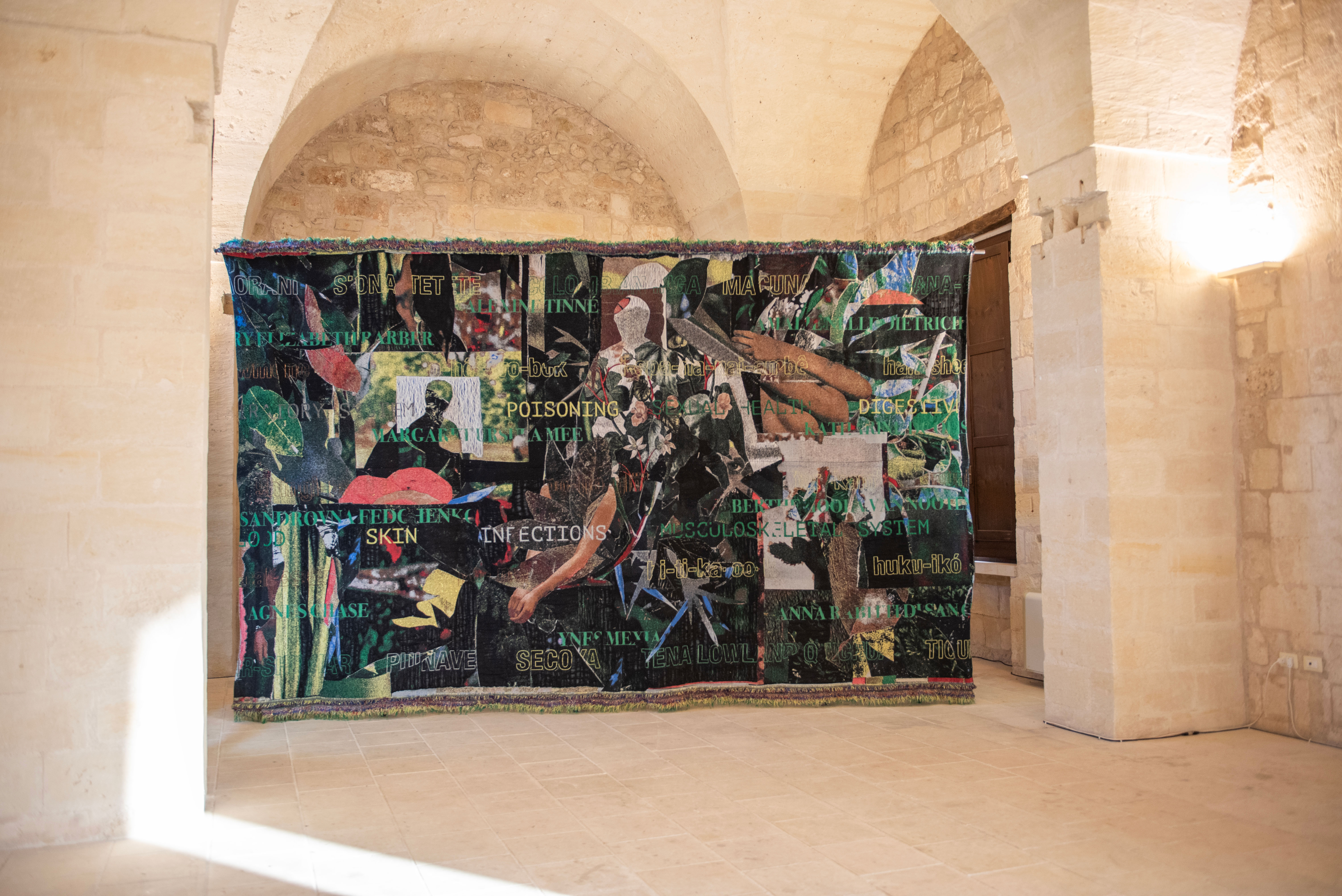
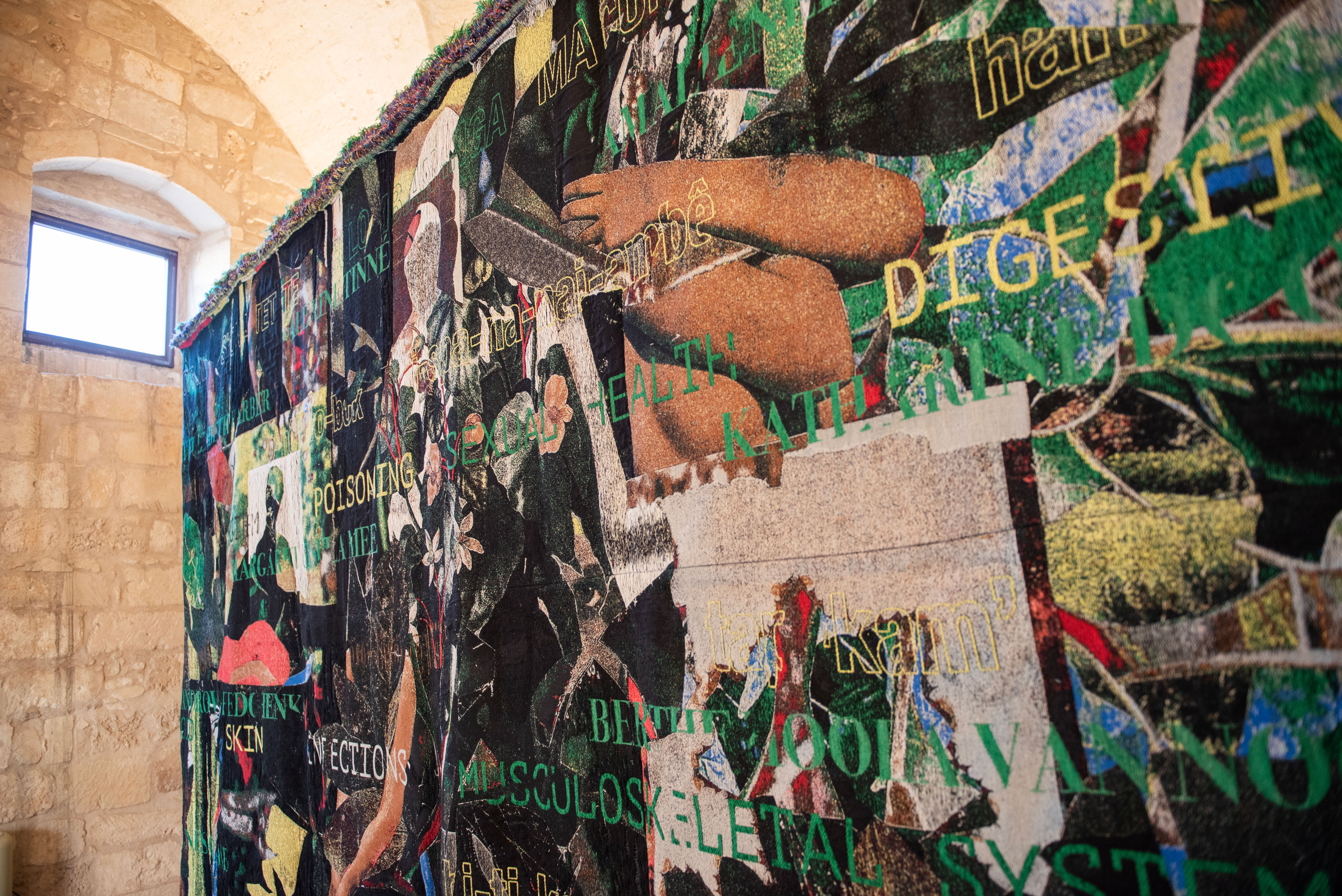
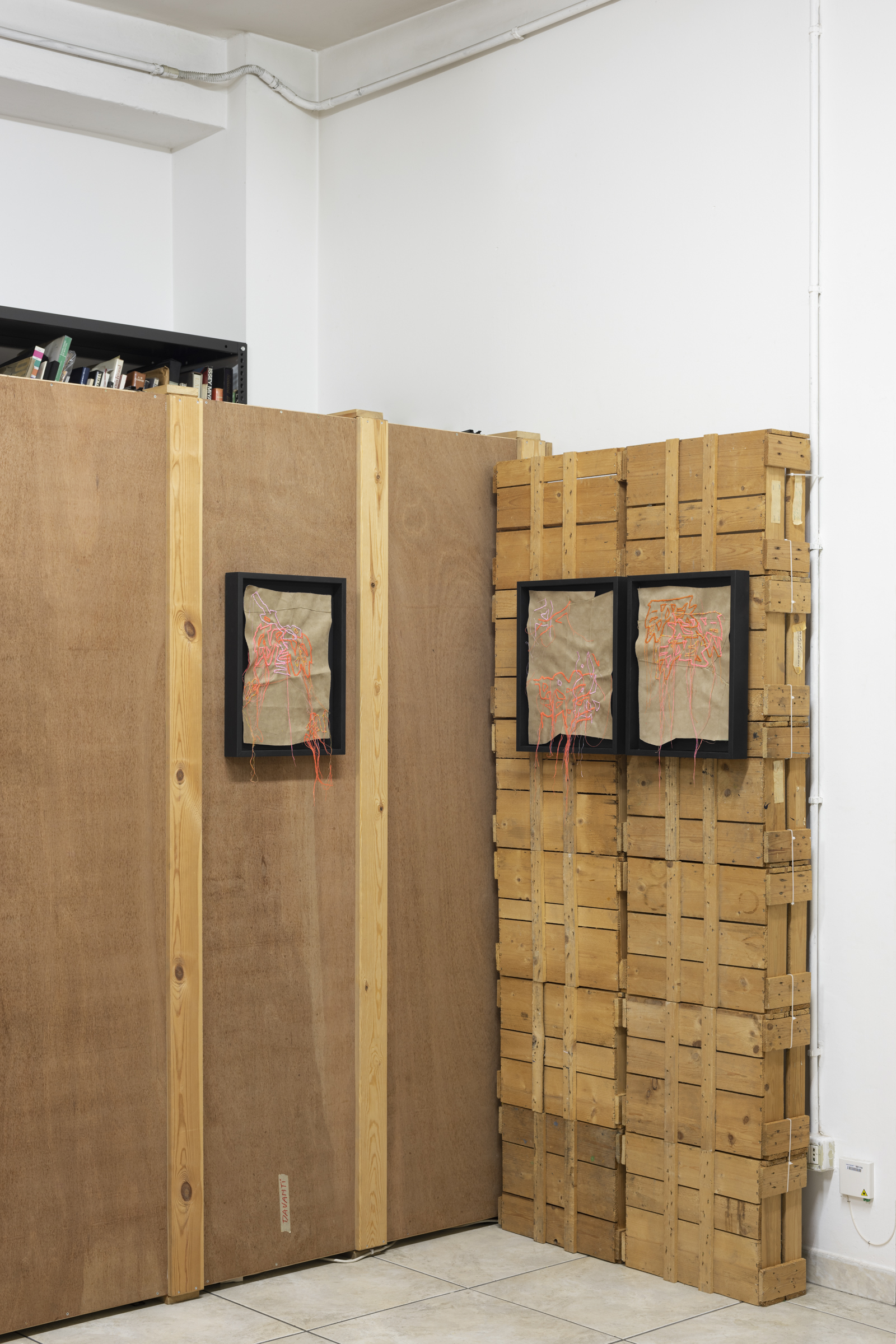
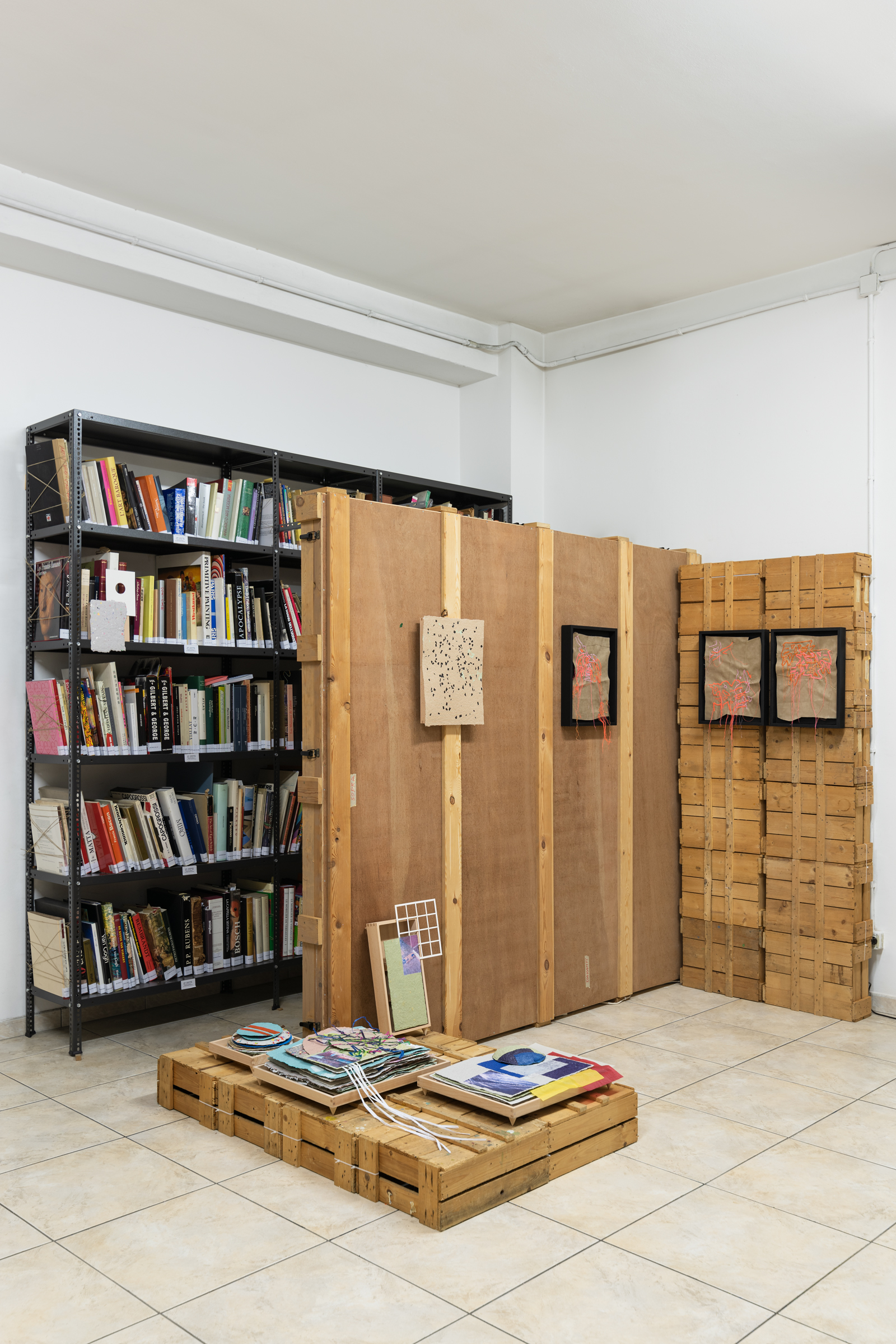
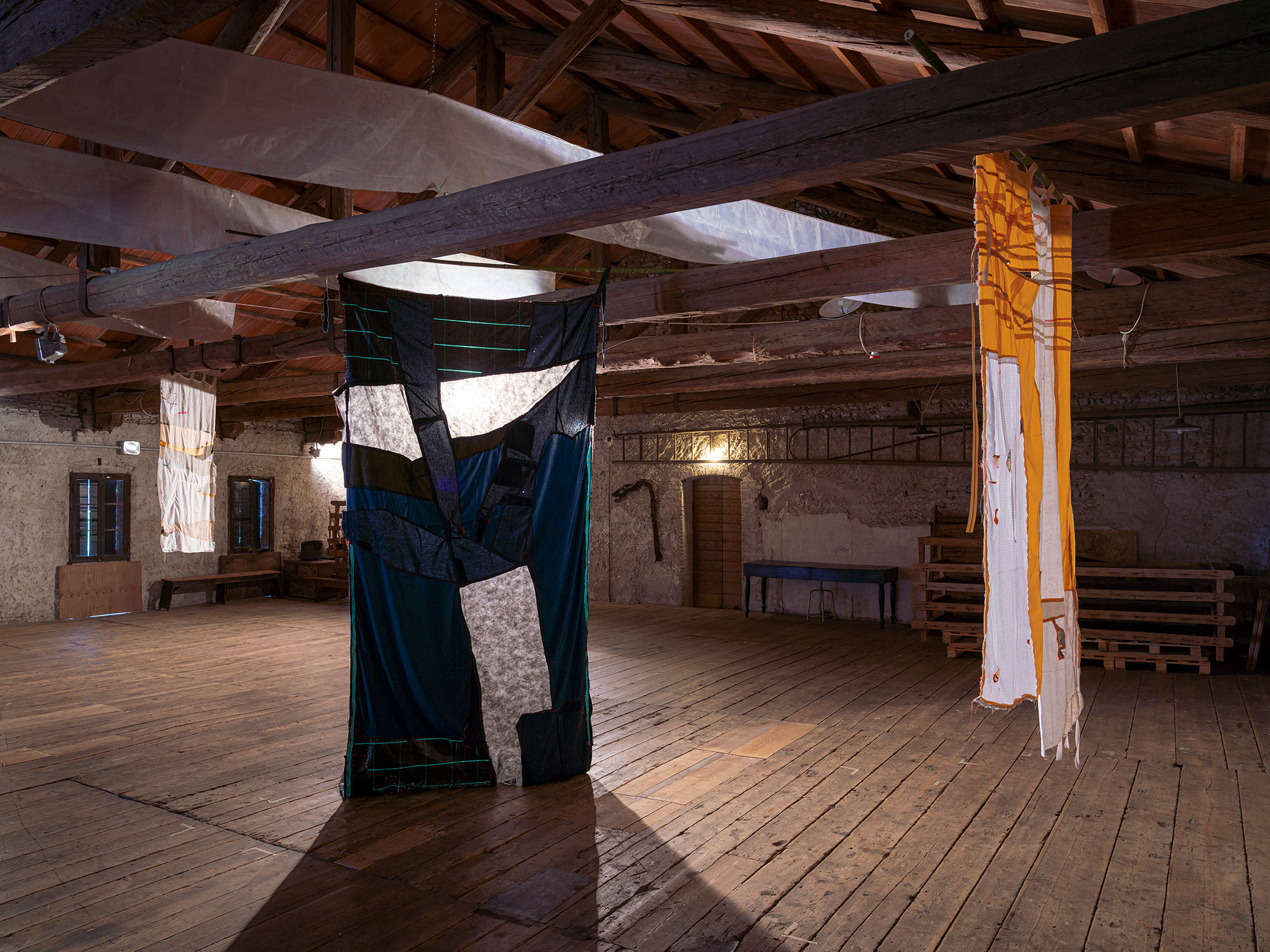
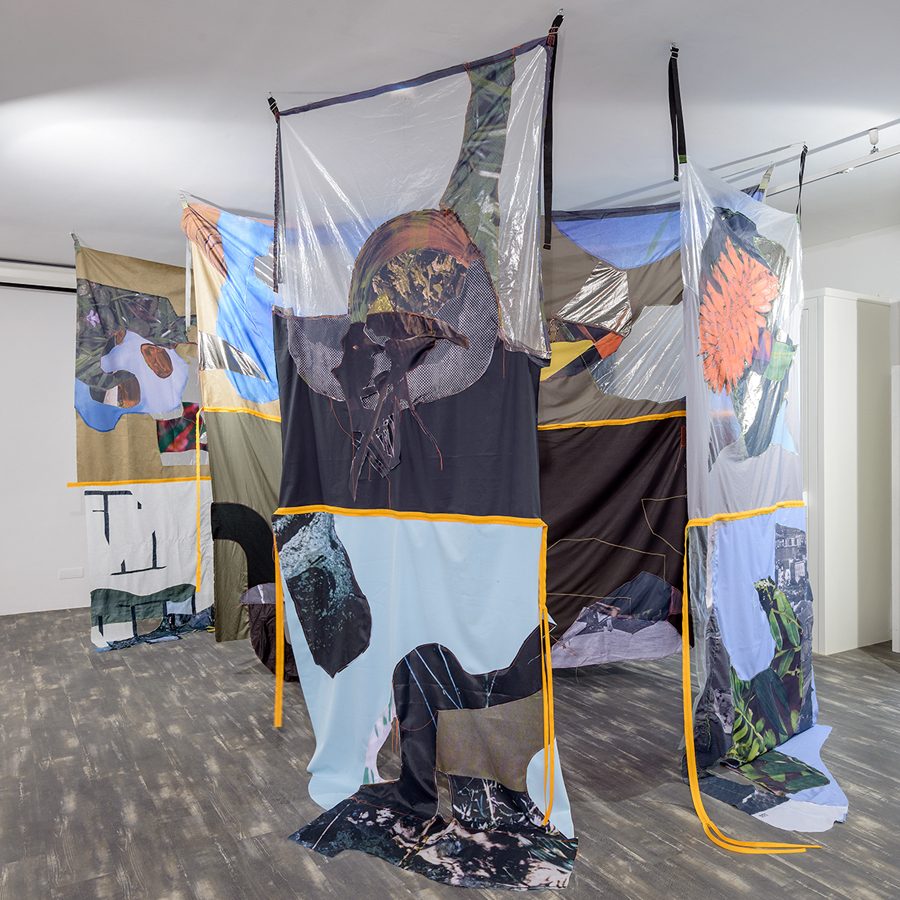
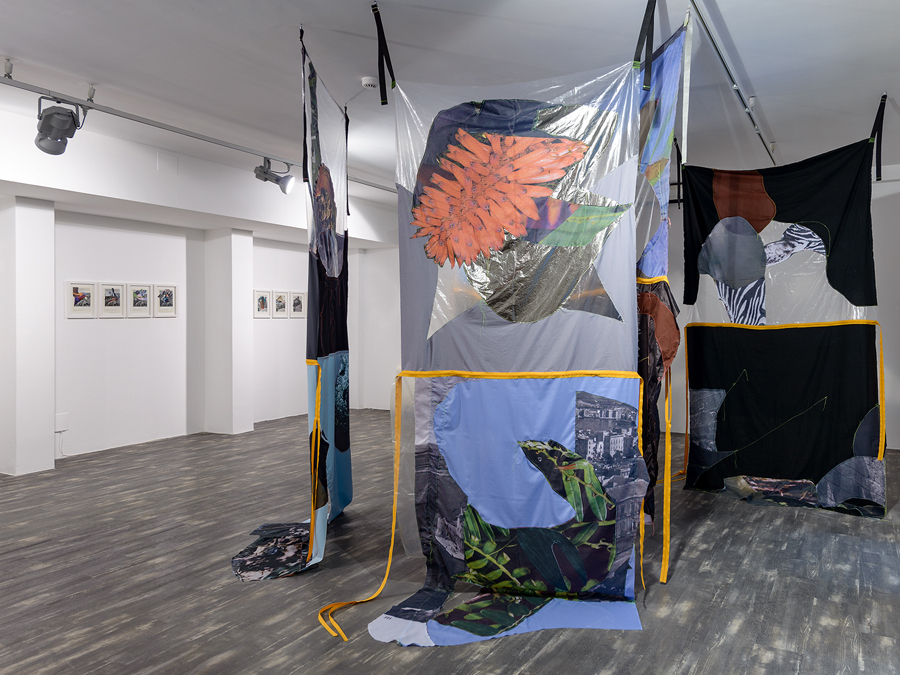
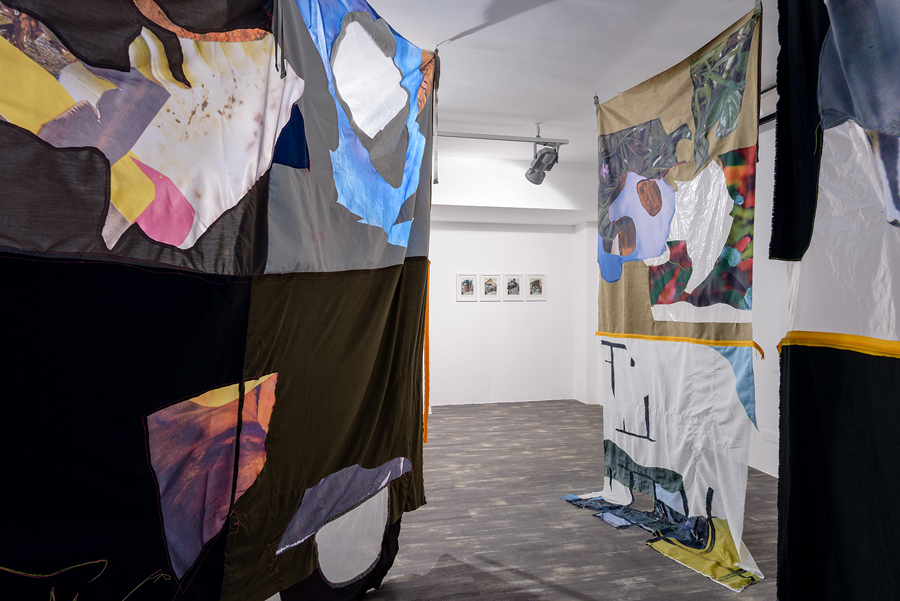
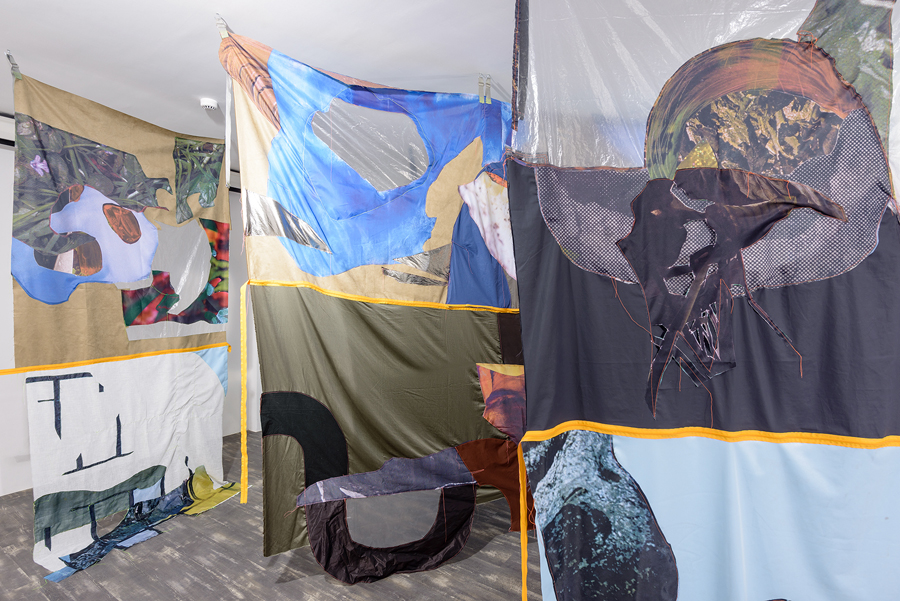
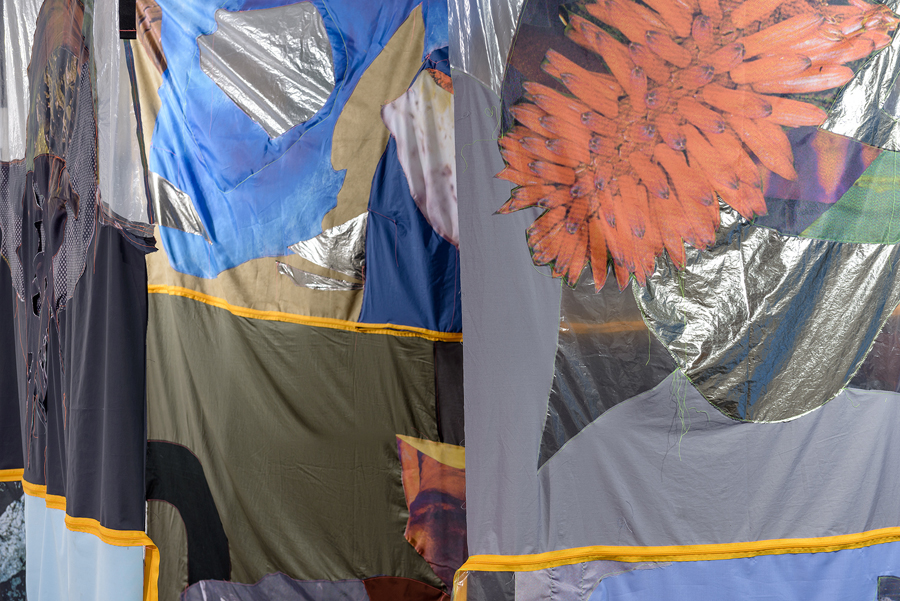
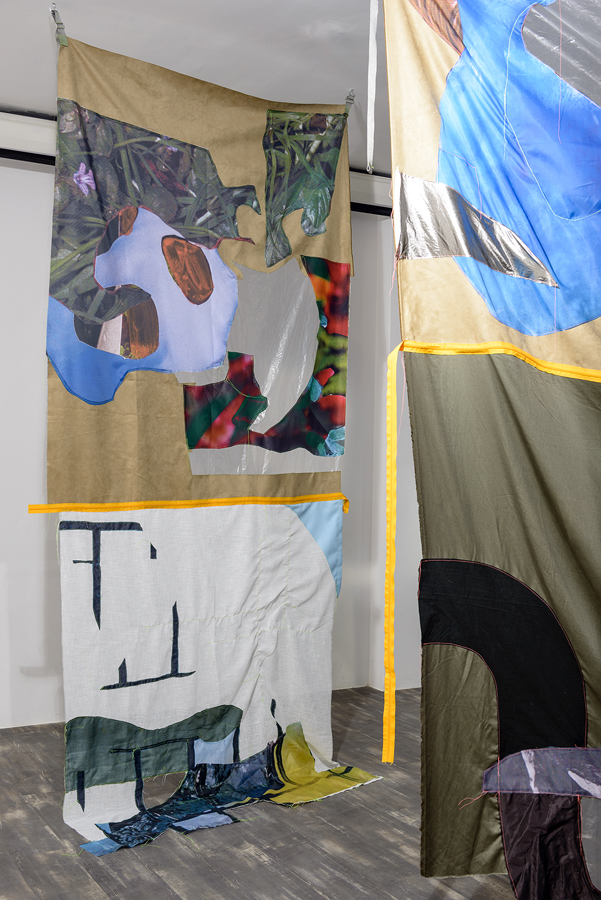
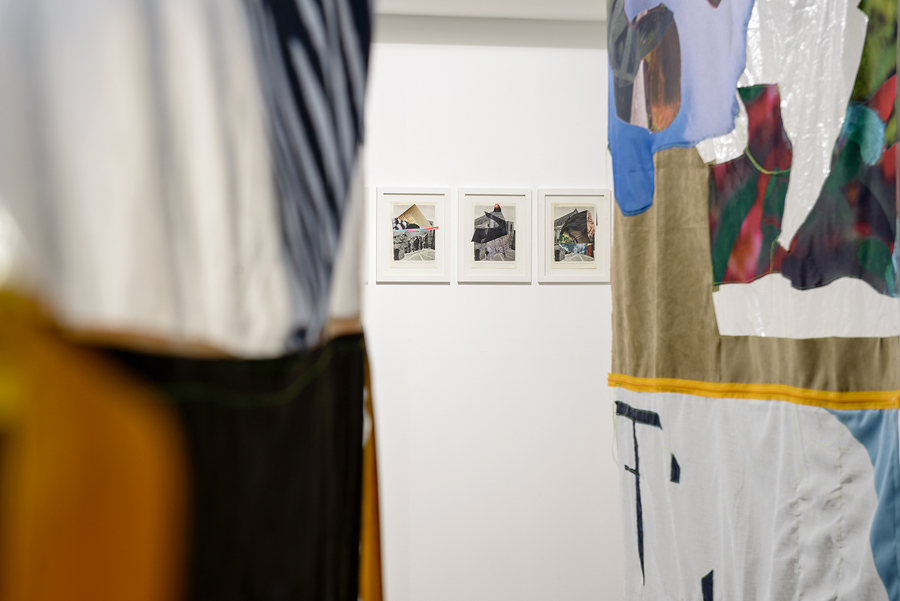
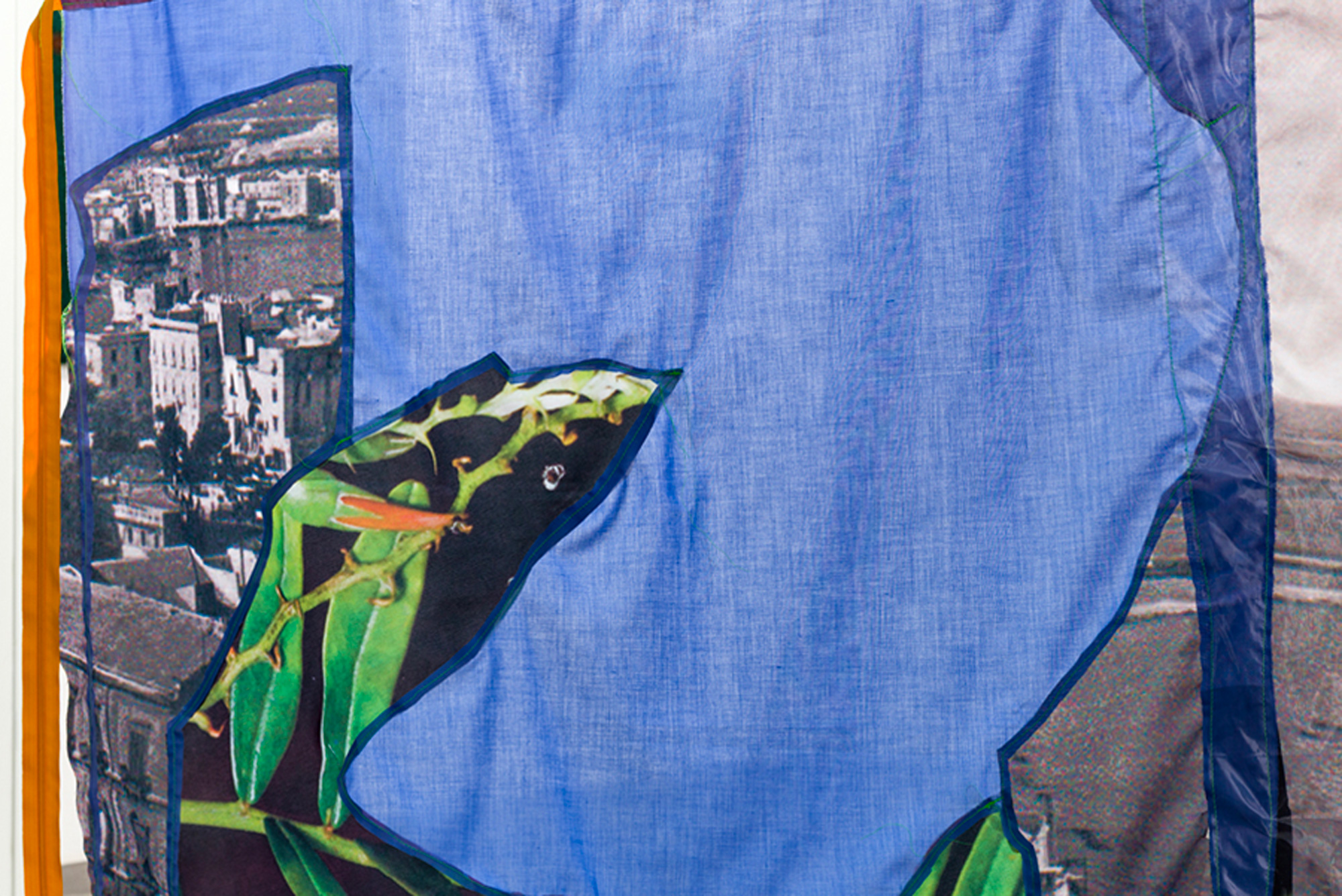
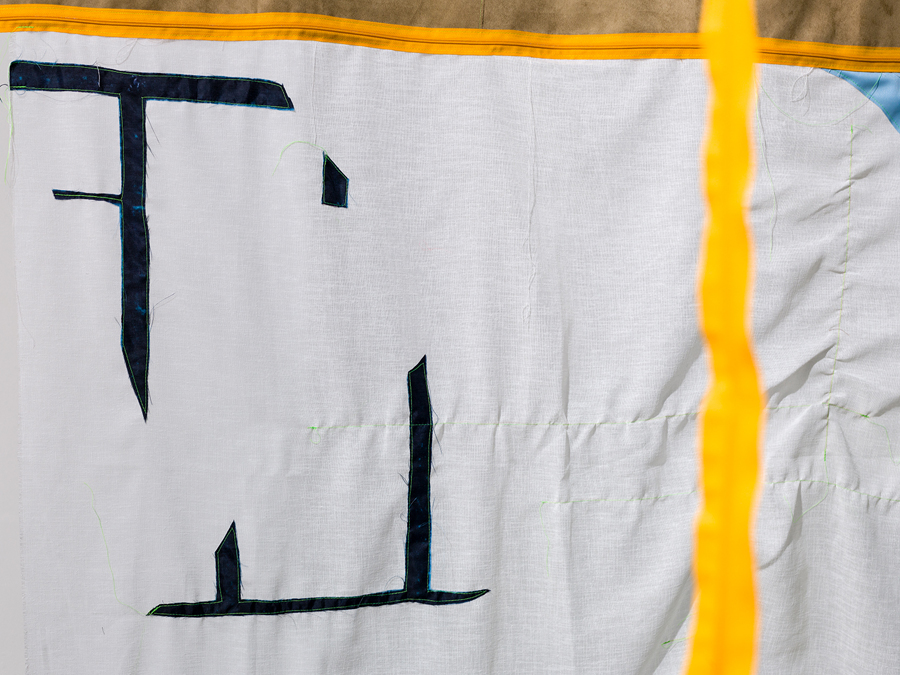
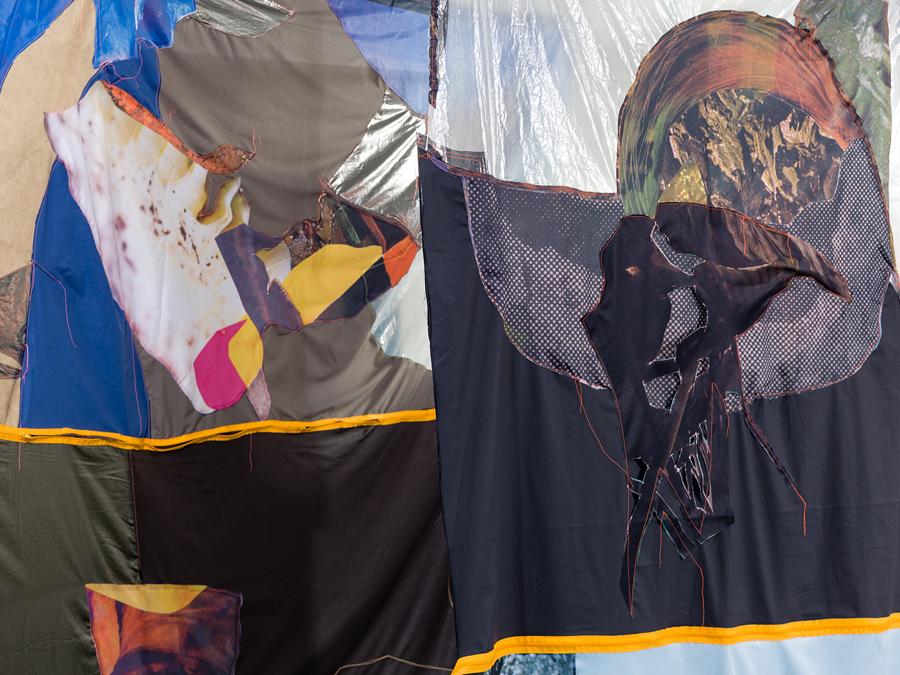
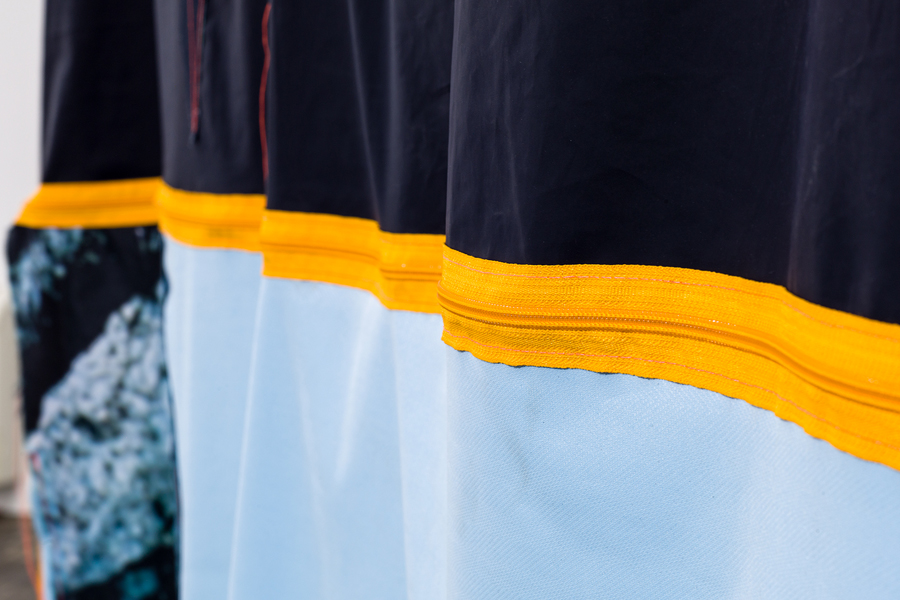
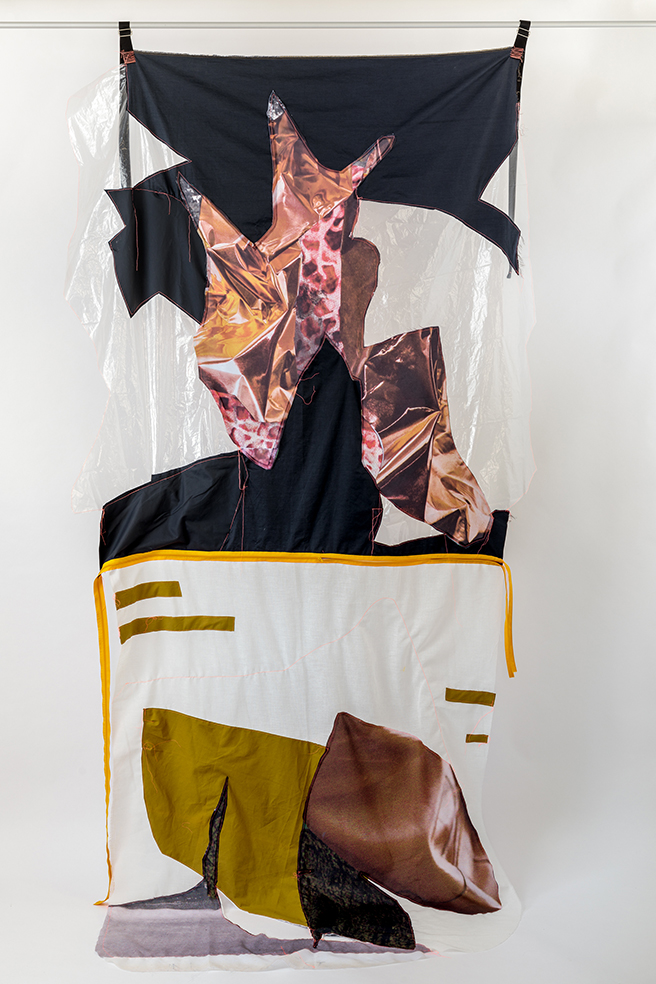
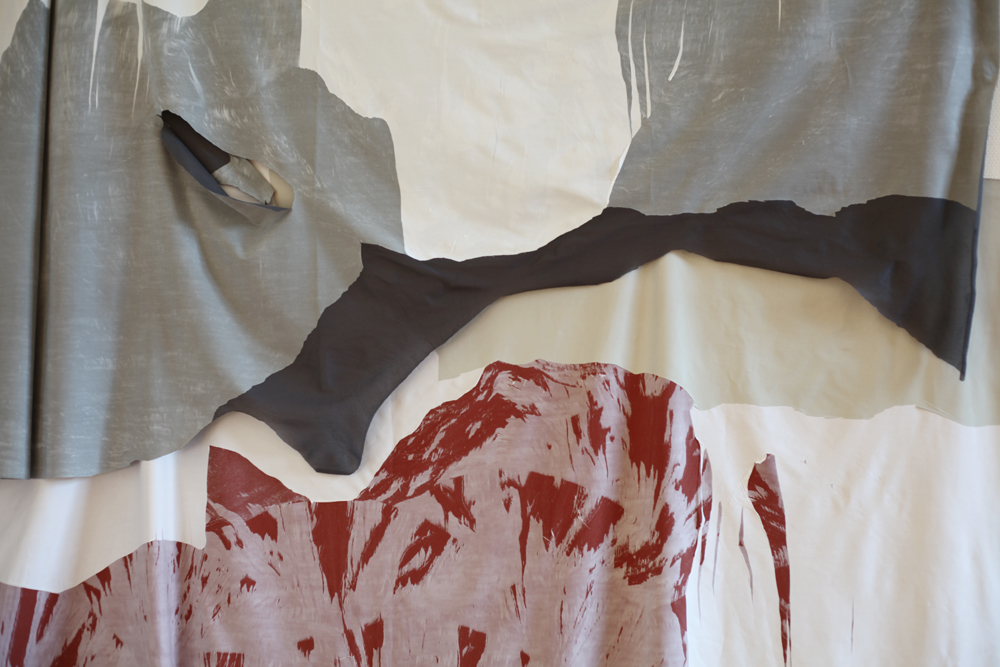
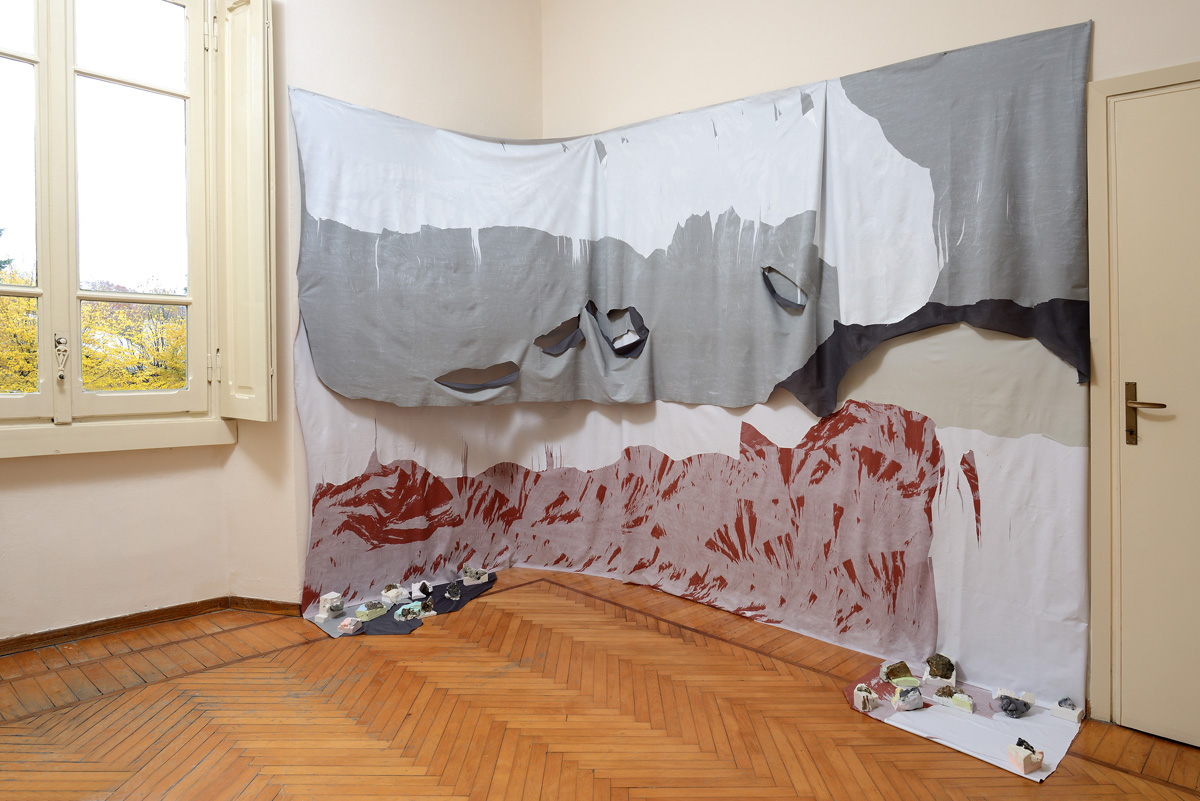
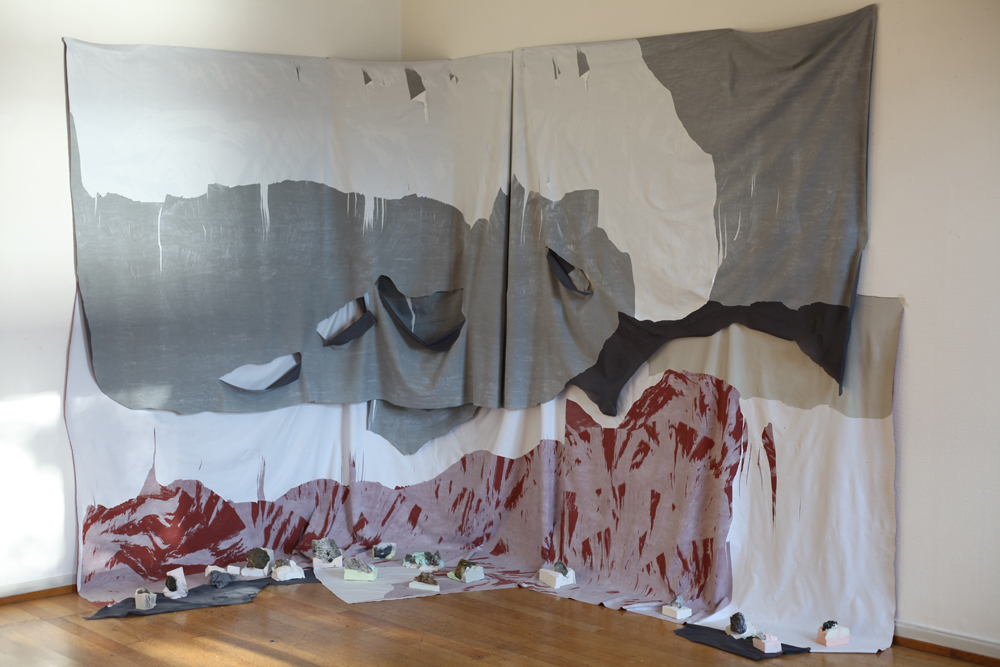
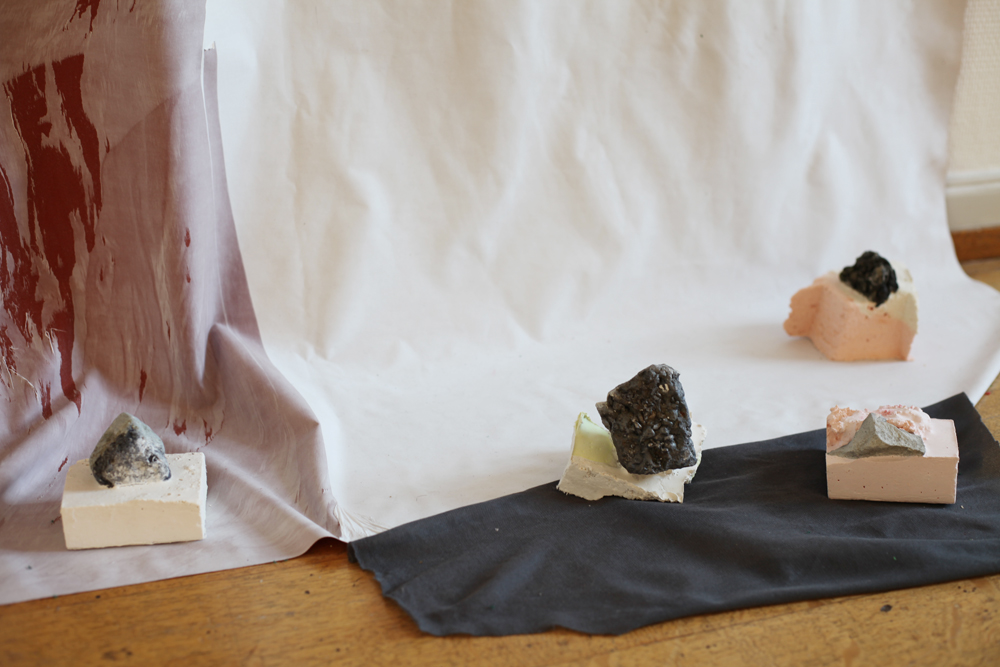
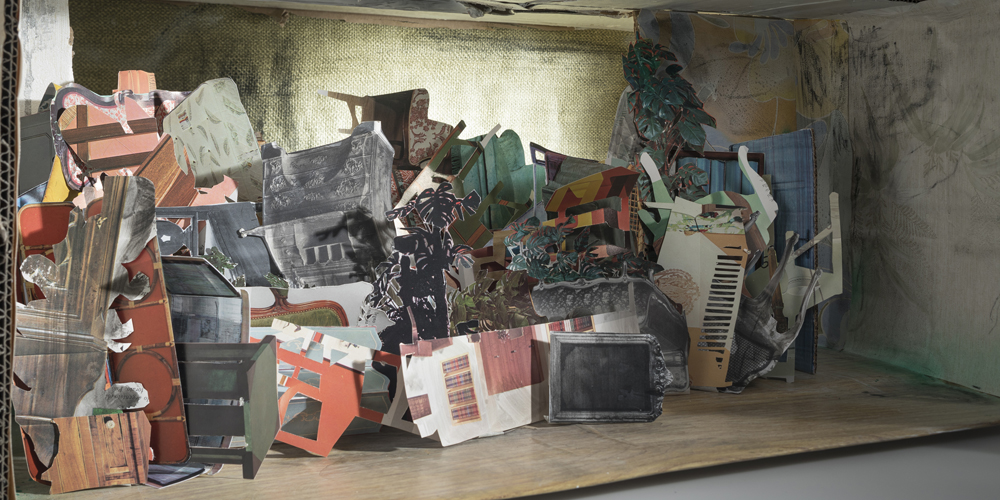
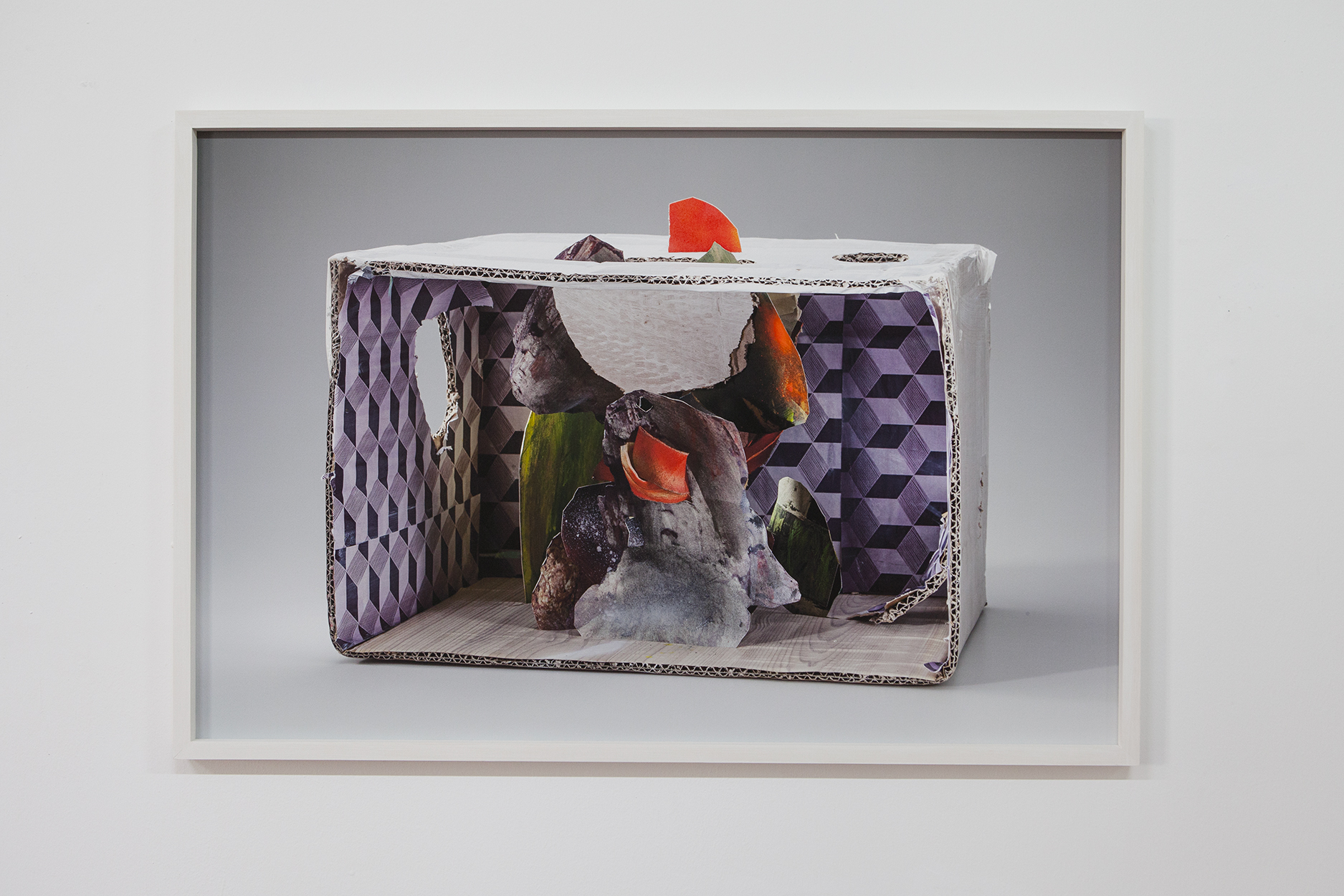
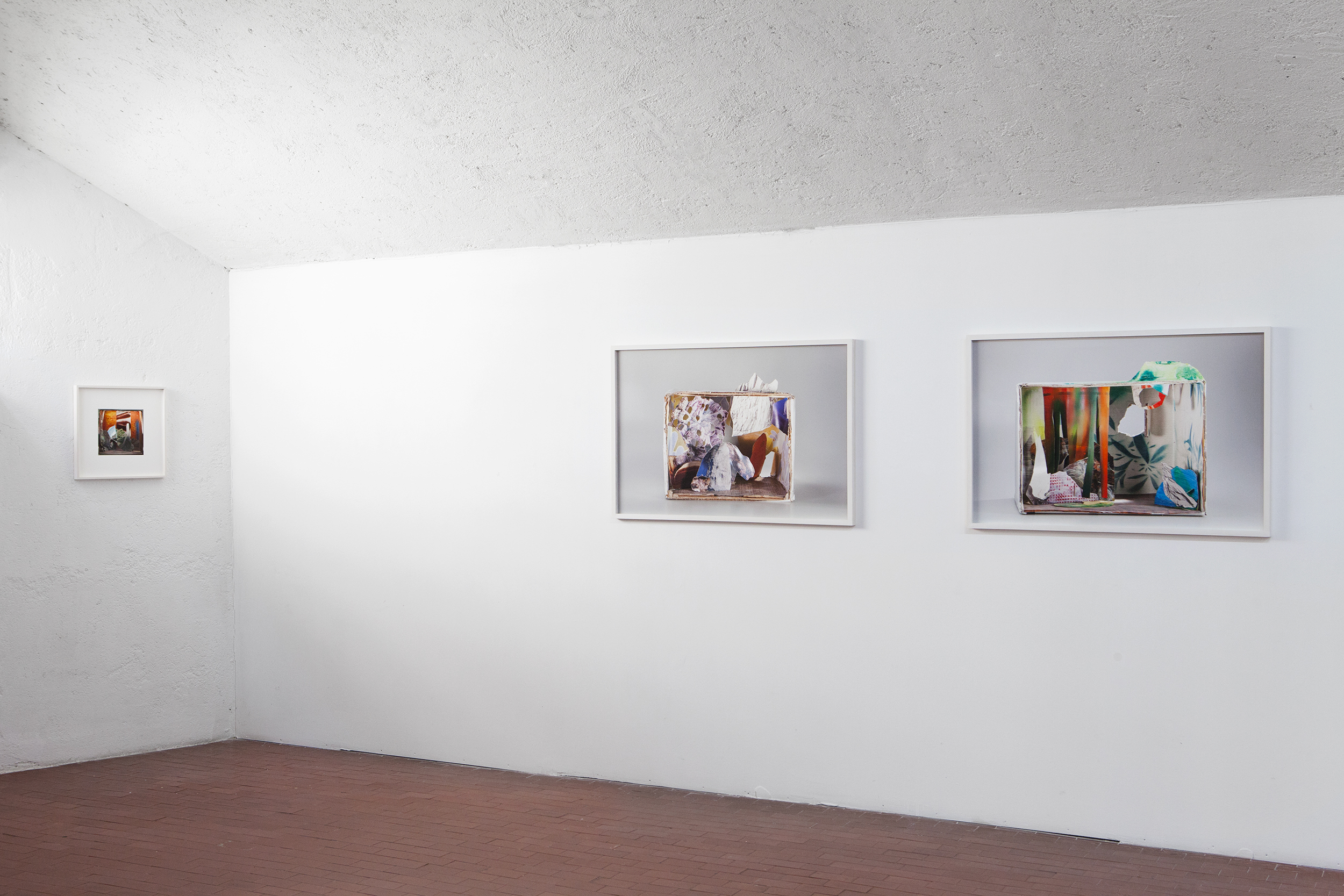
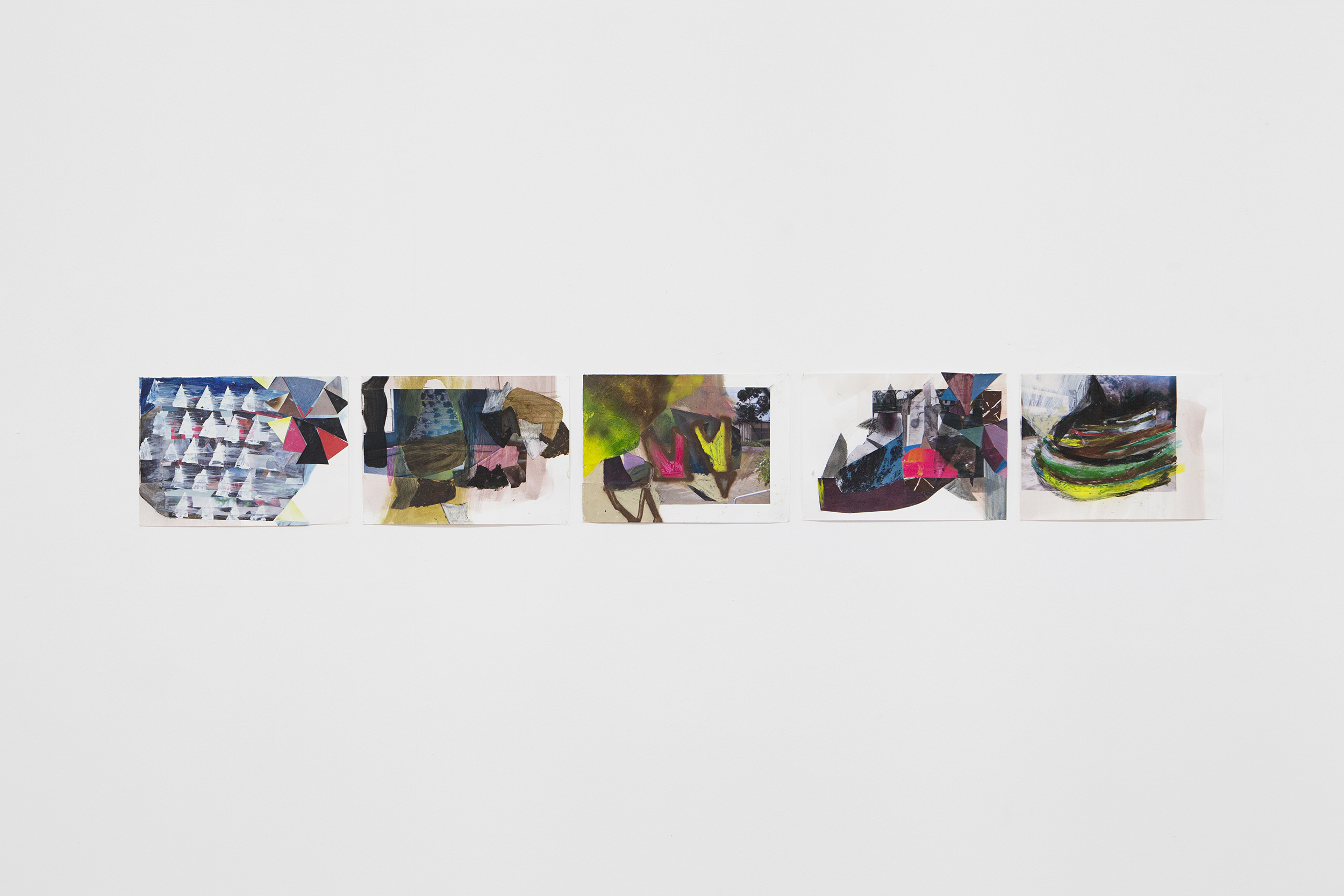
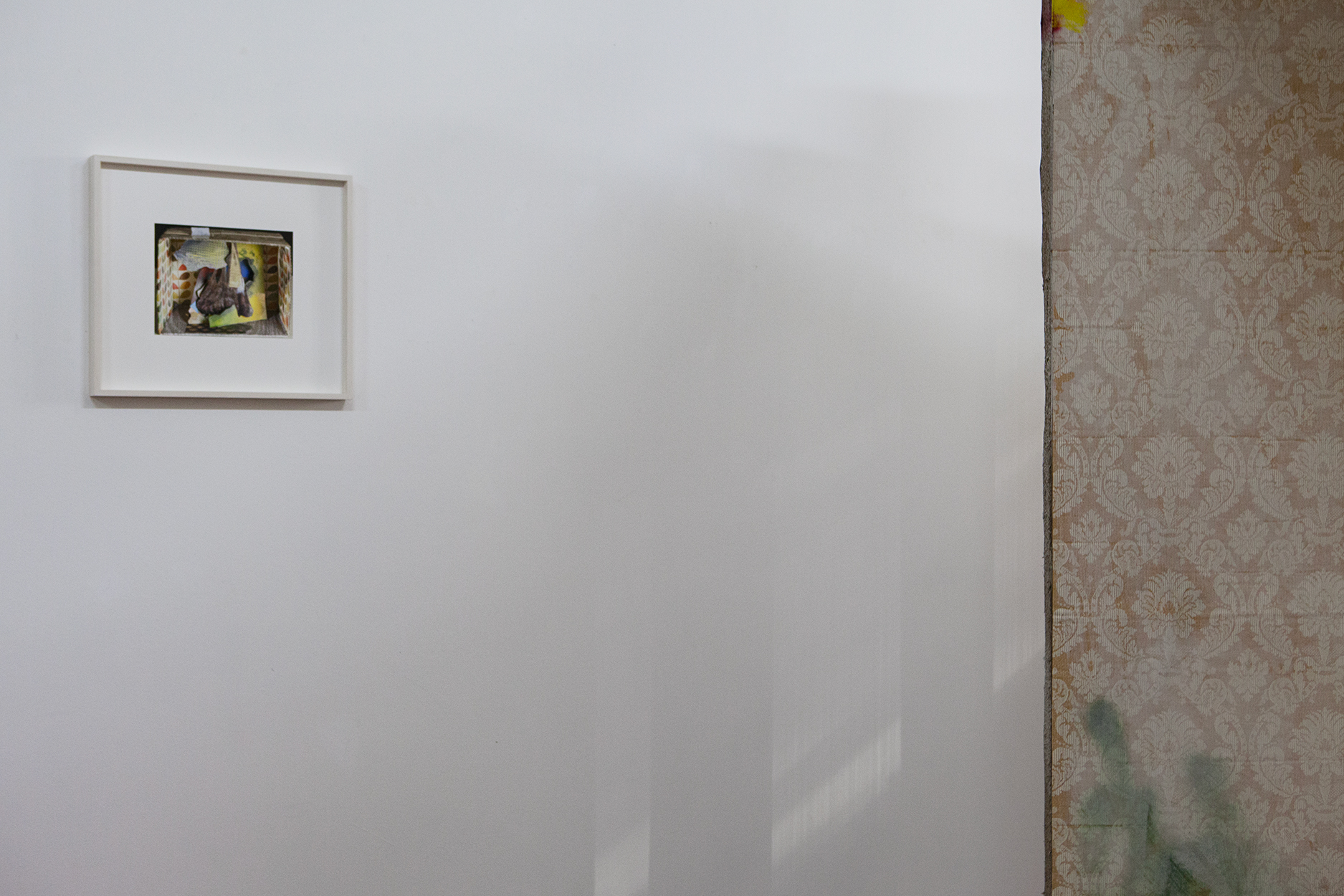
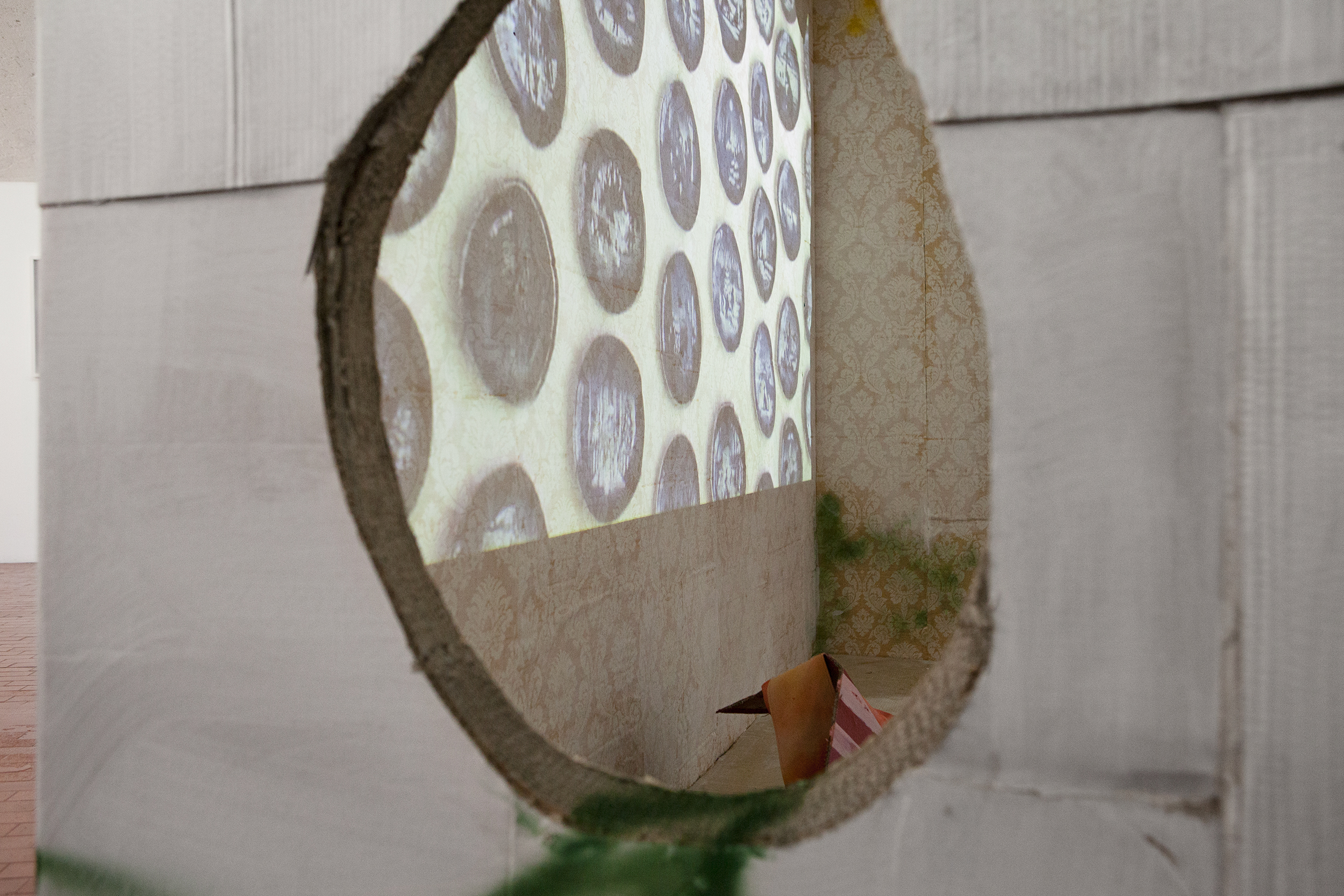
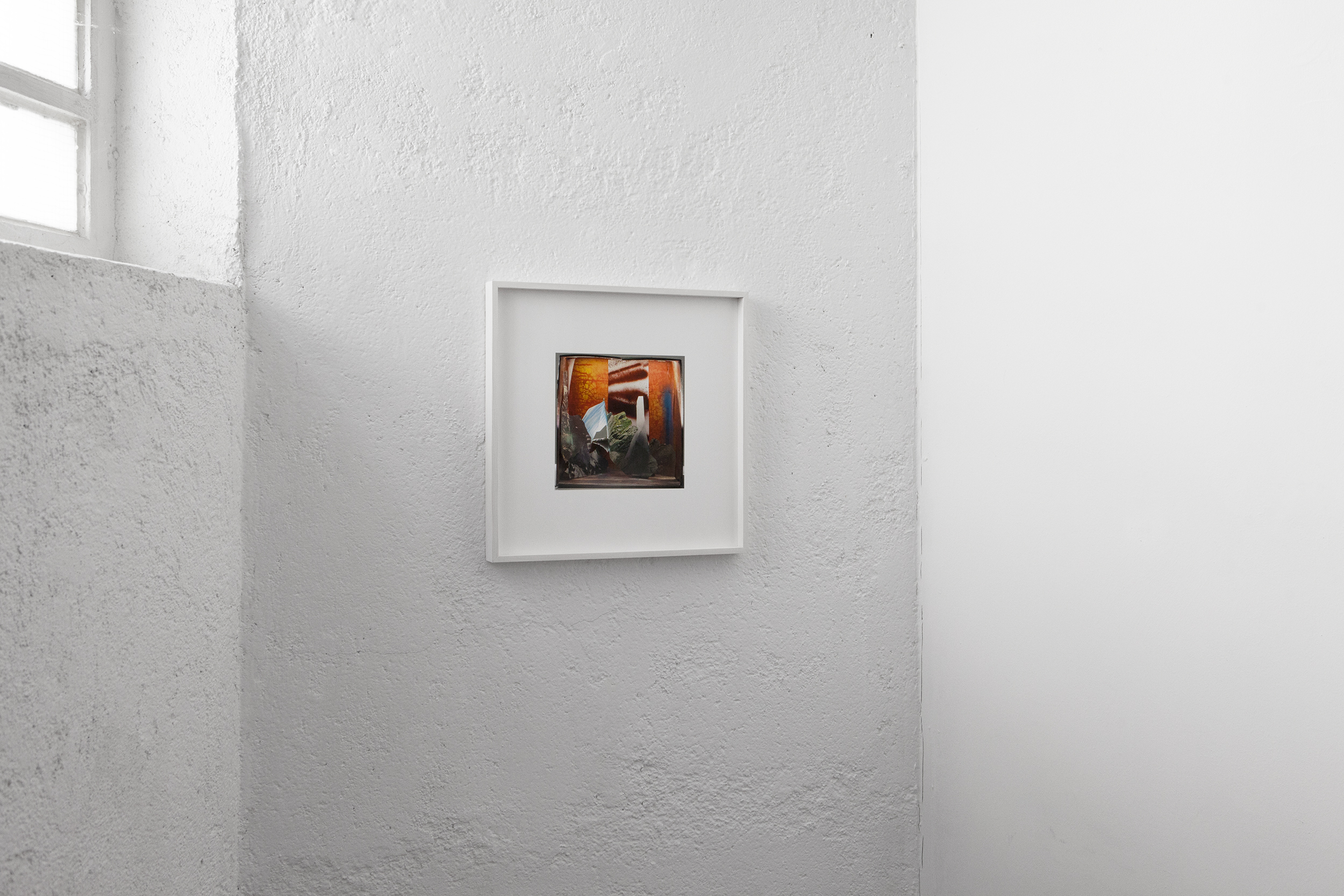
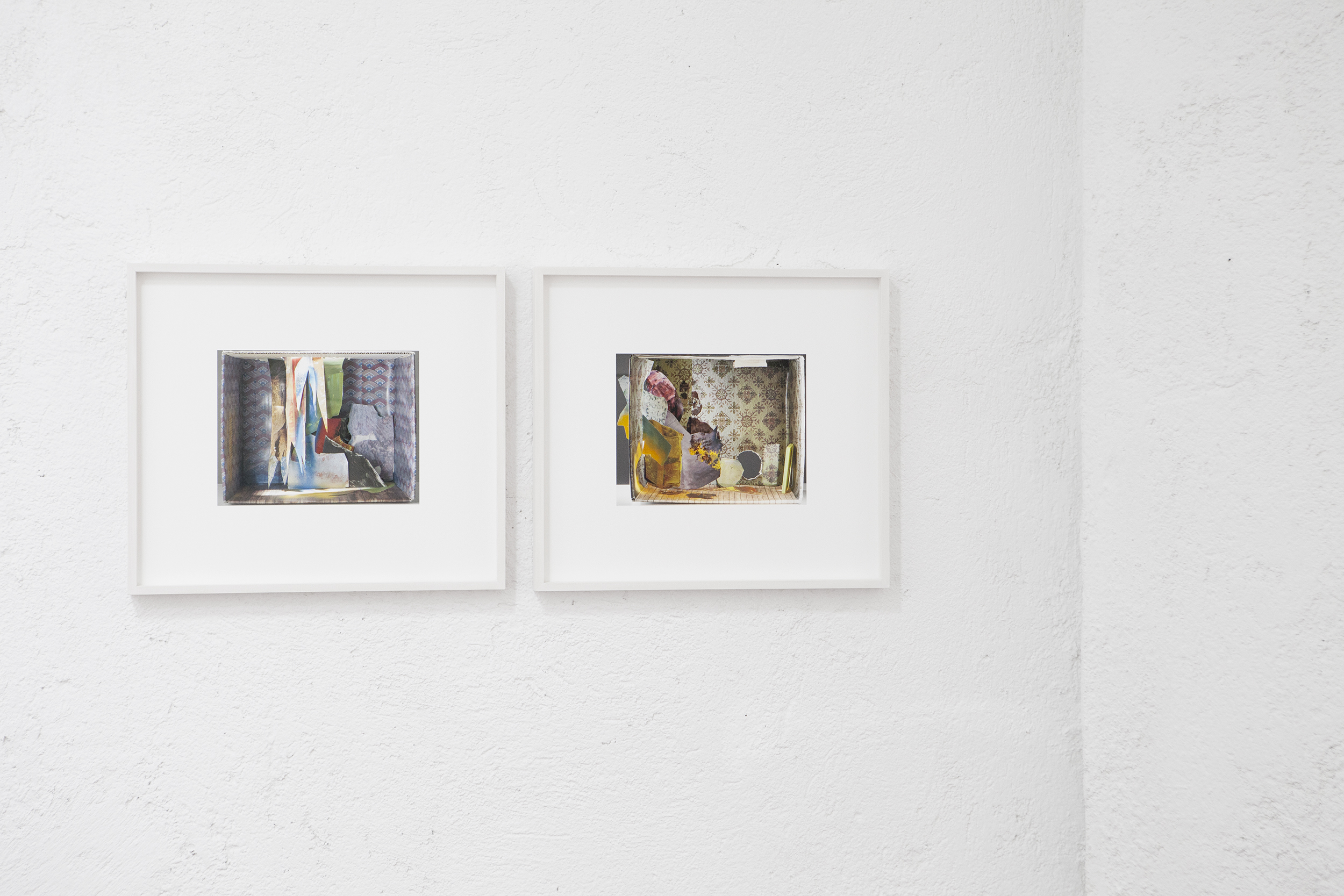
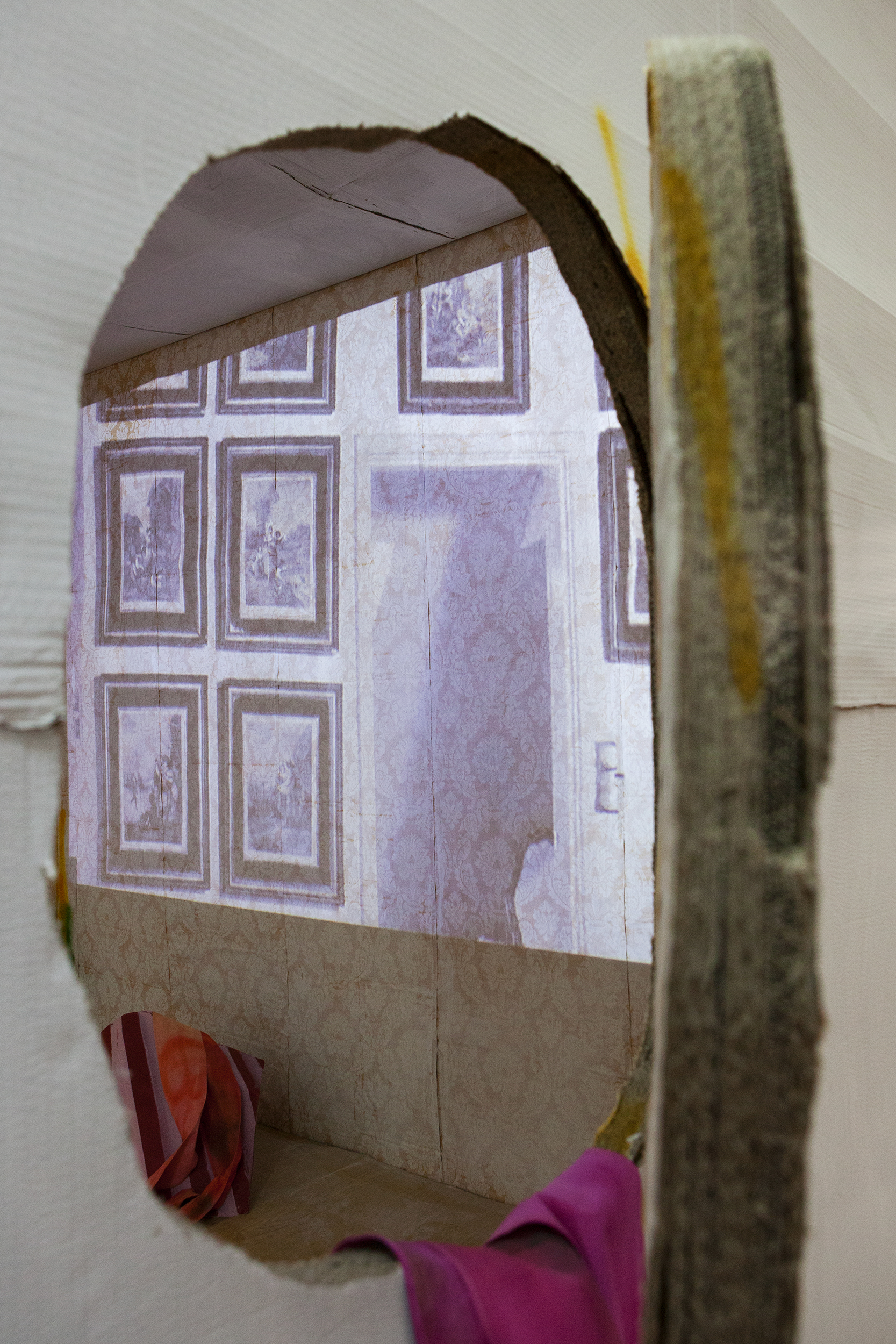
Installation view at the Italian Cultural Institute, detail, Mexico City. Photo Credit Fernanda Costa
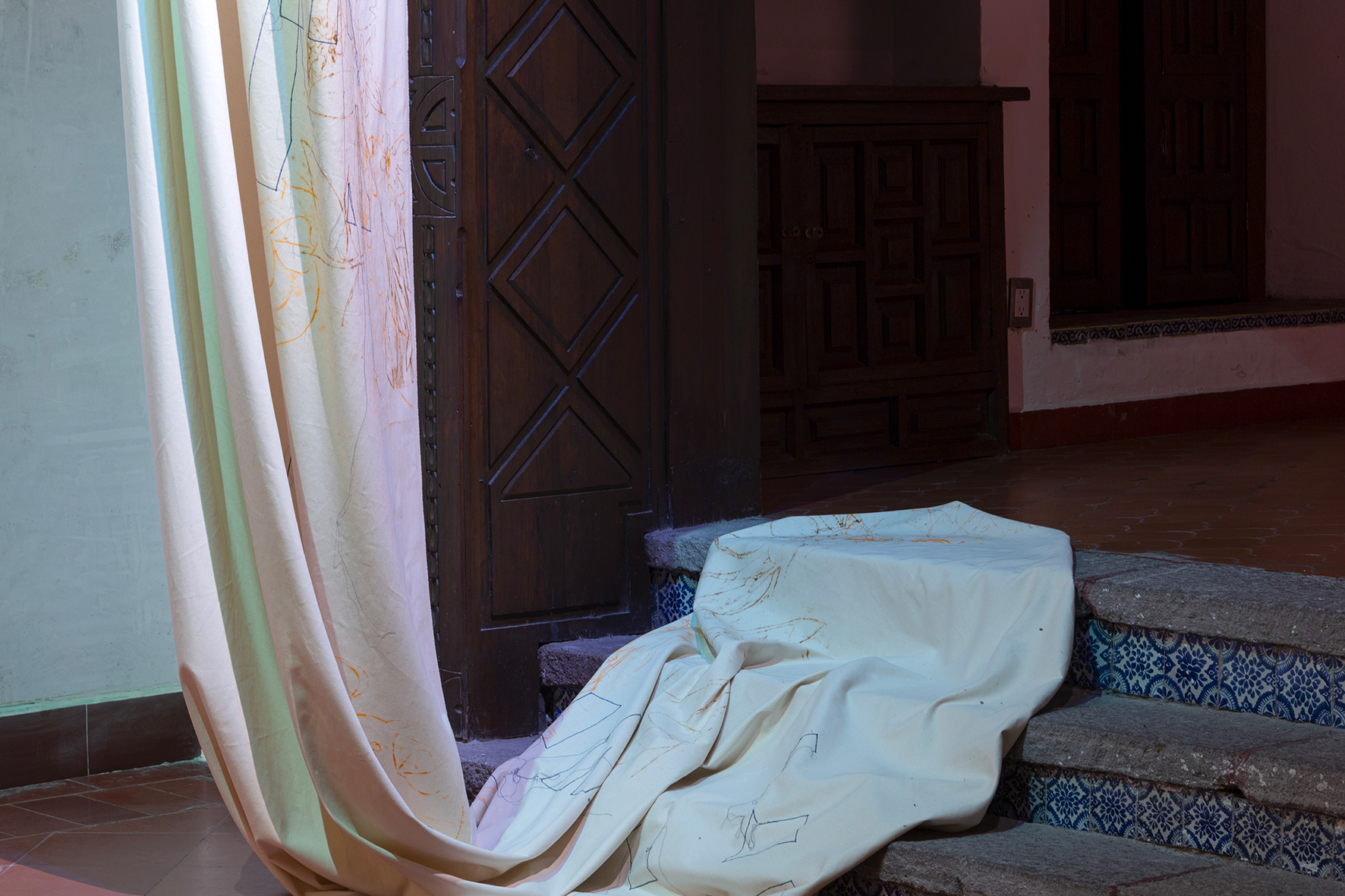
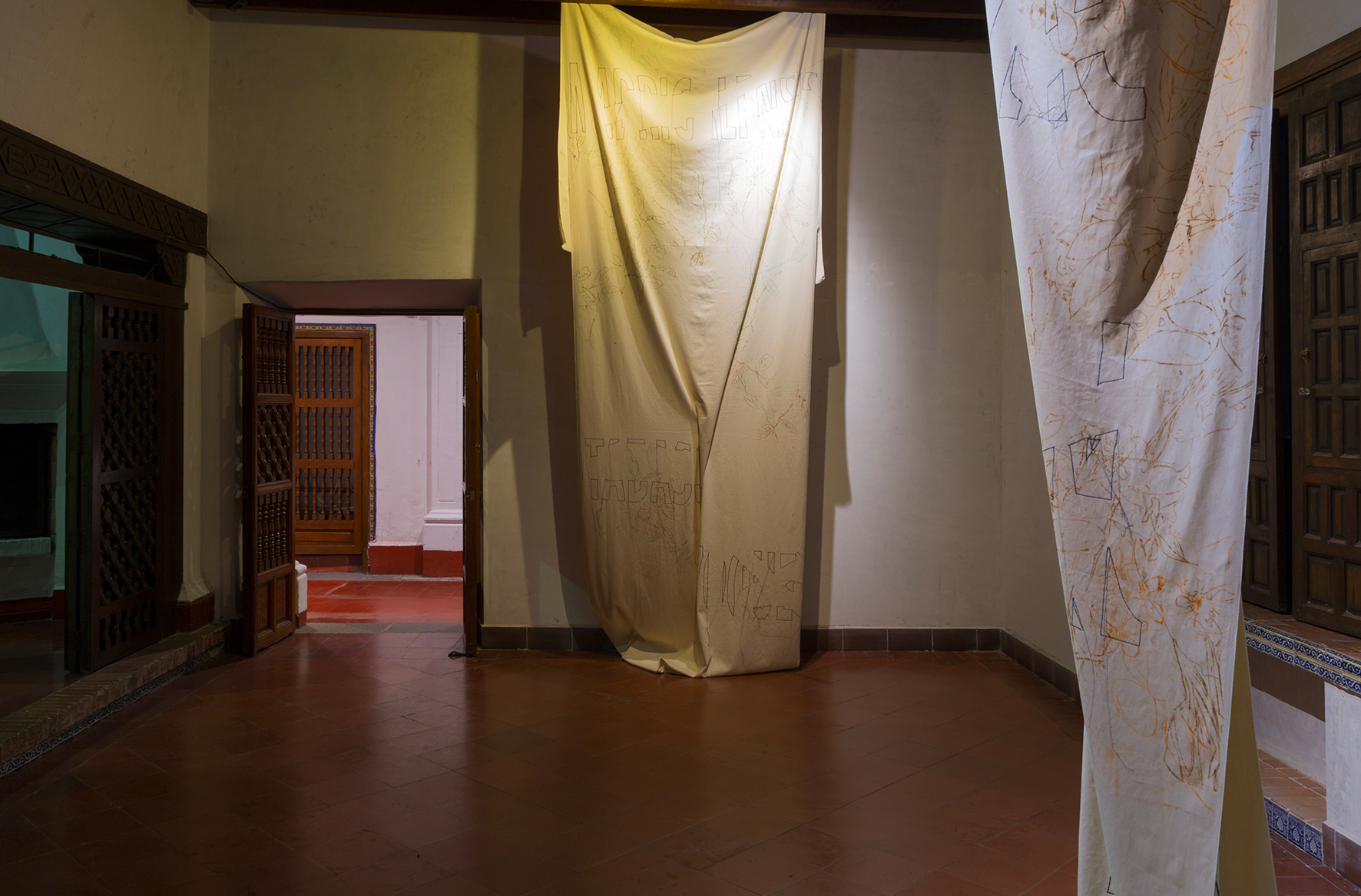
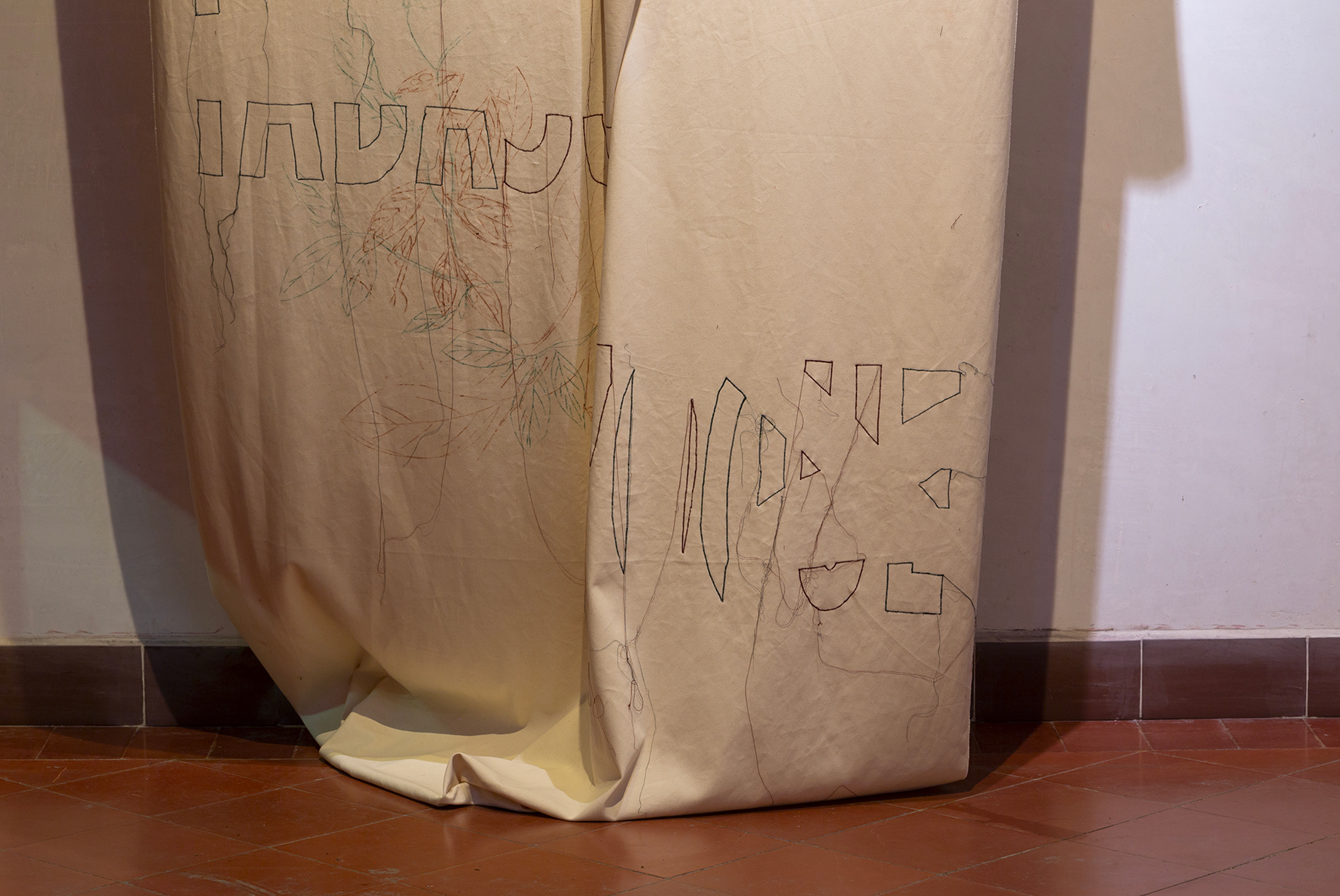
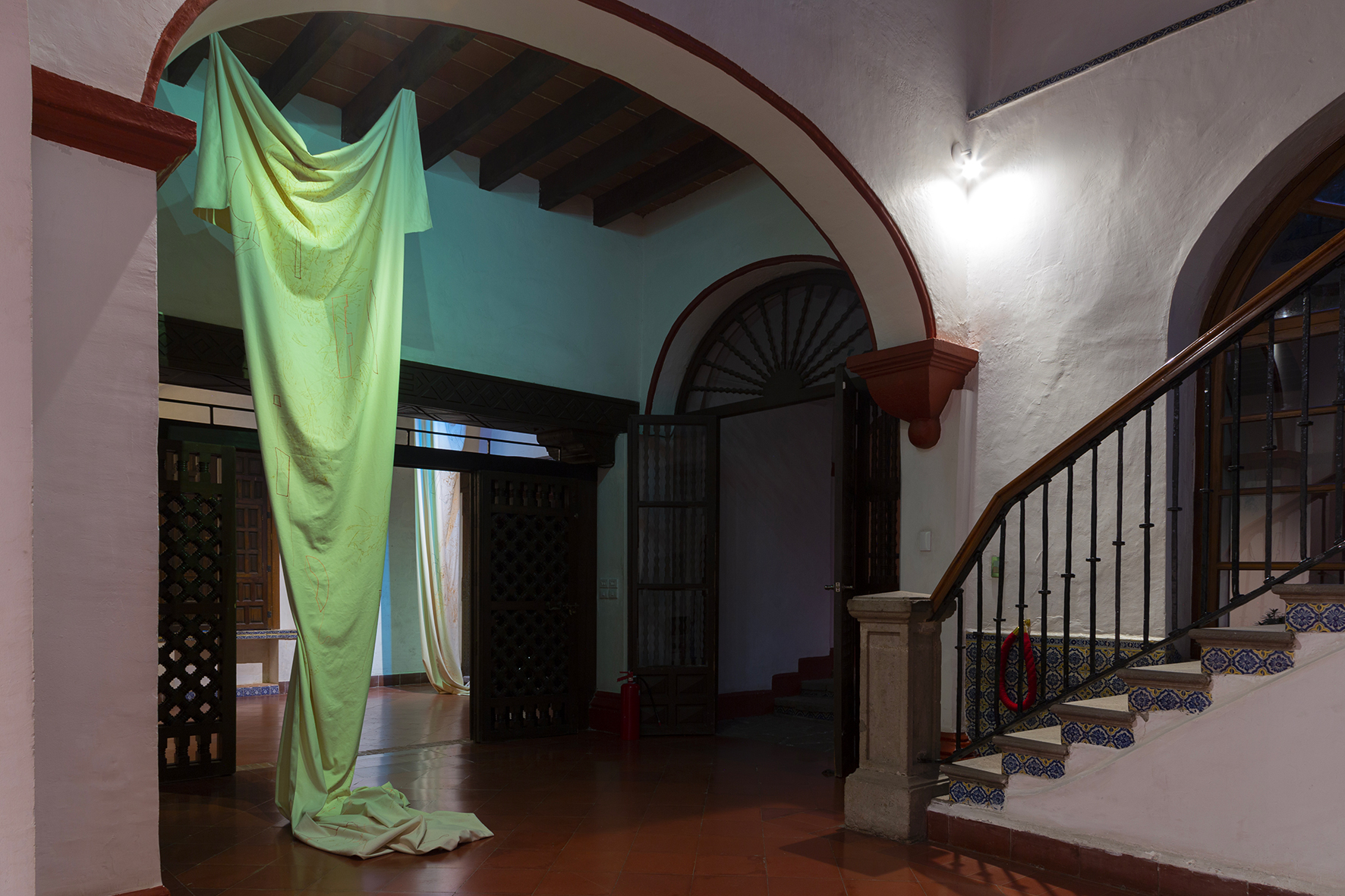
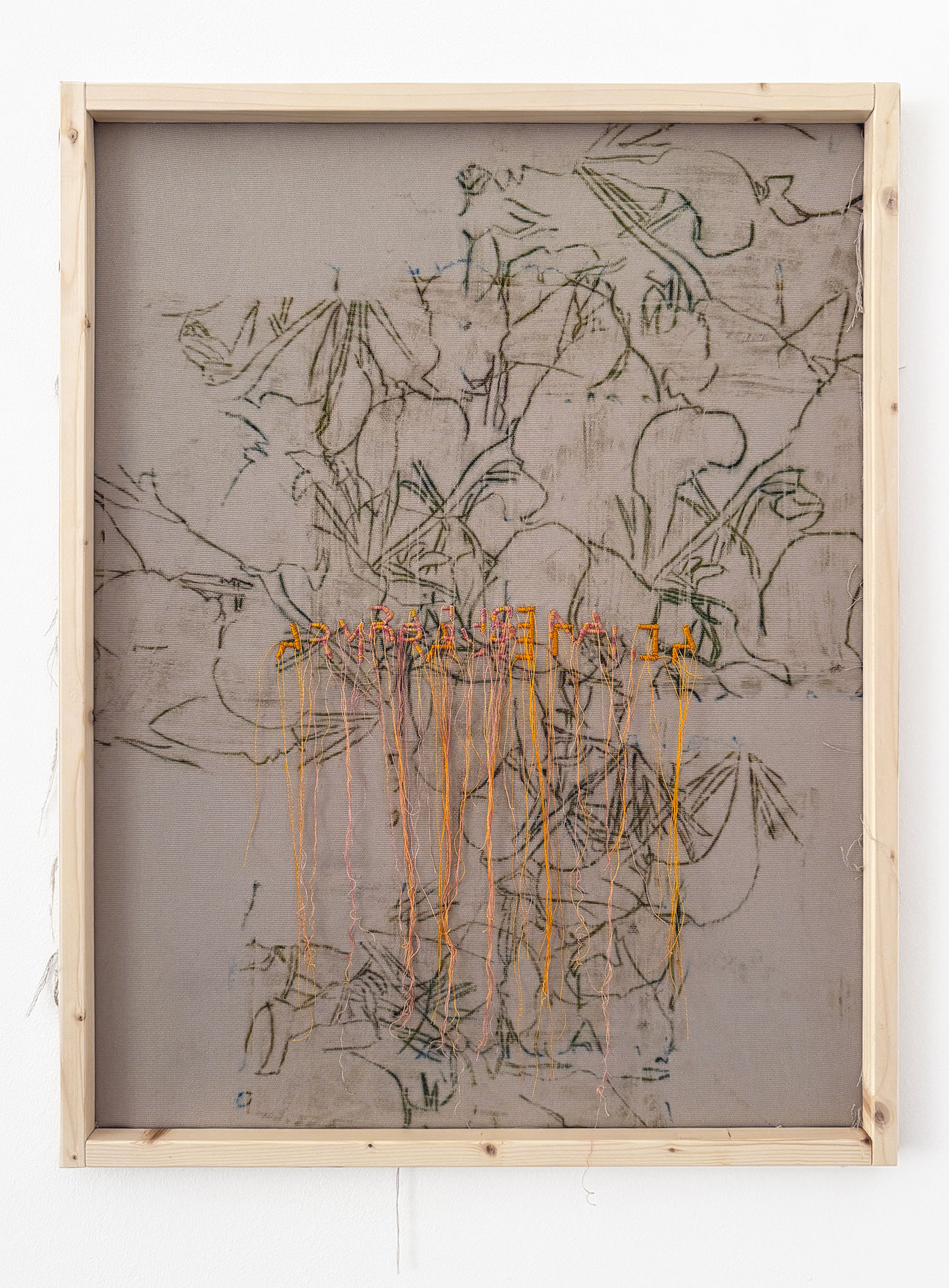
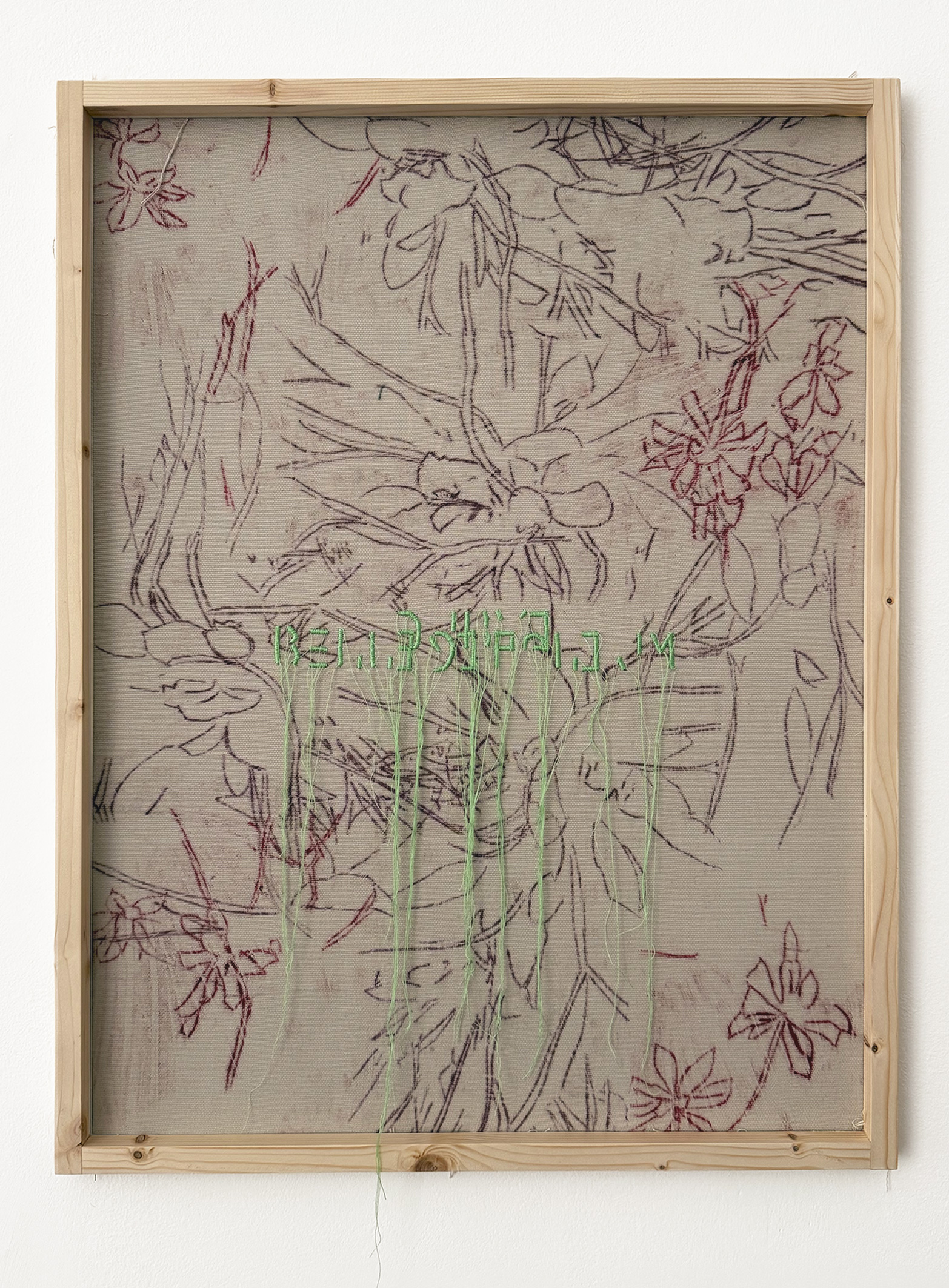
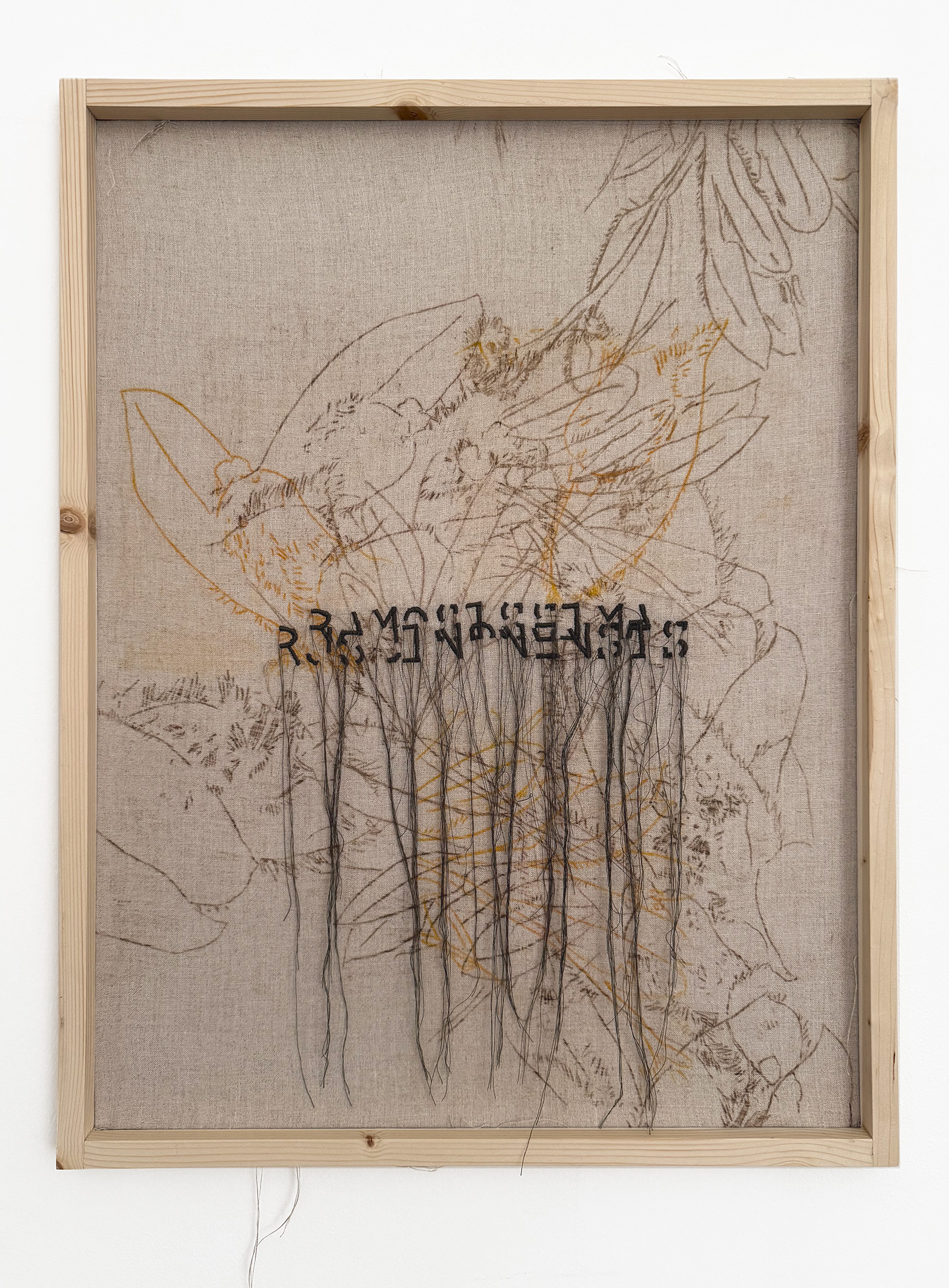
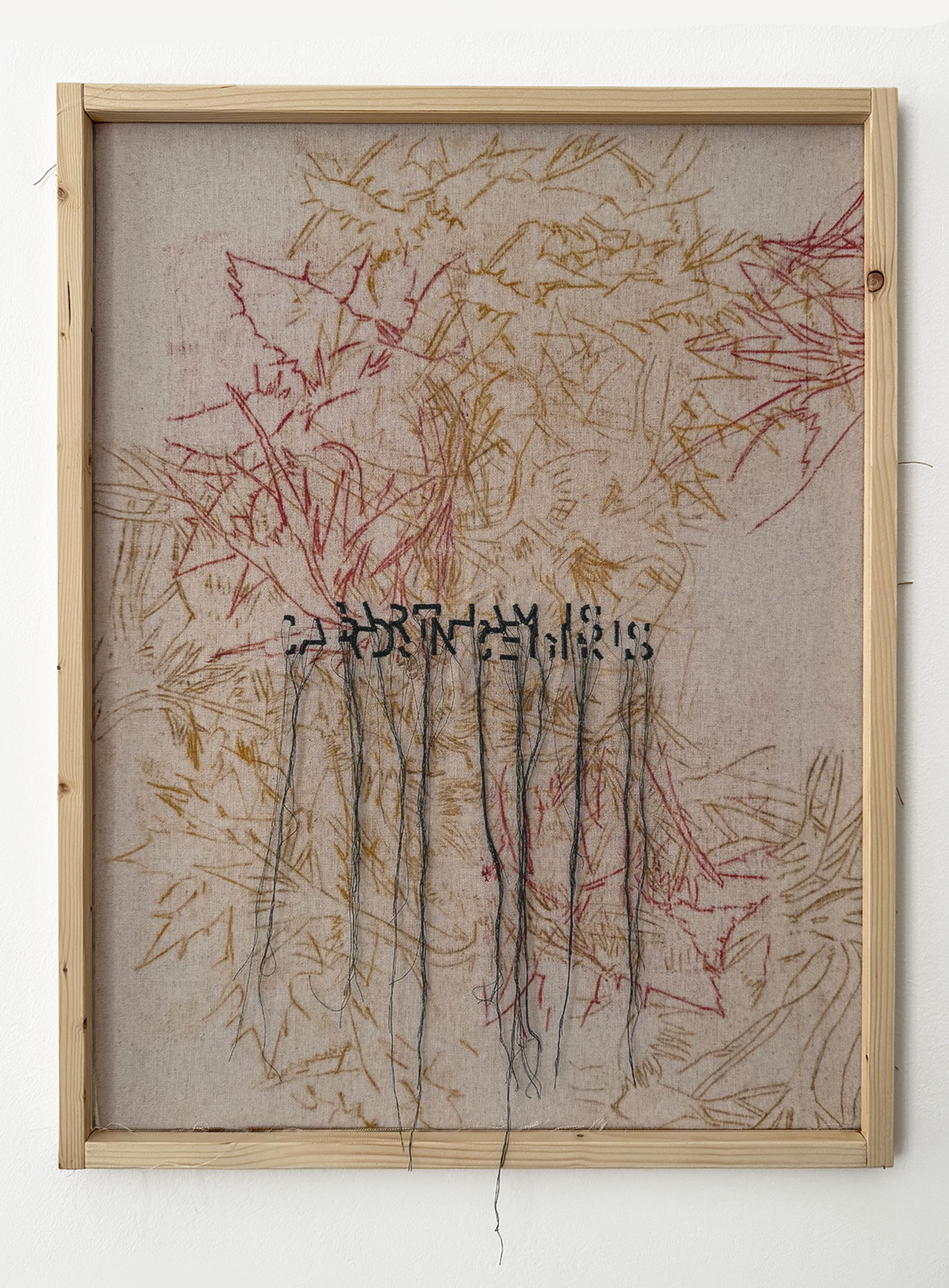
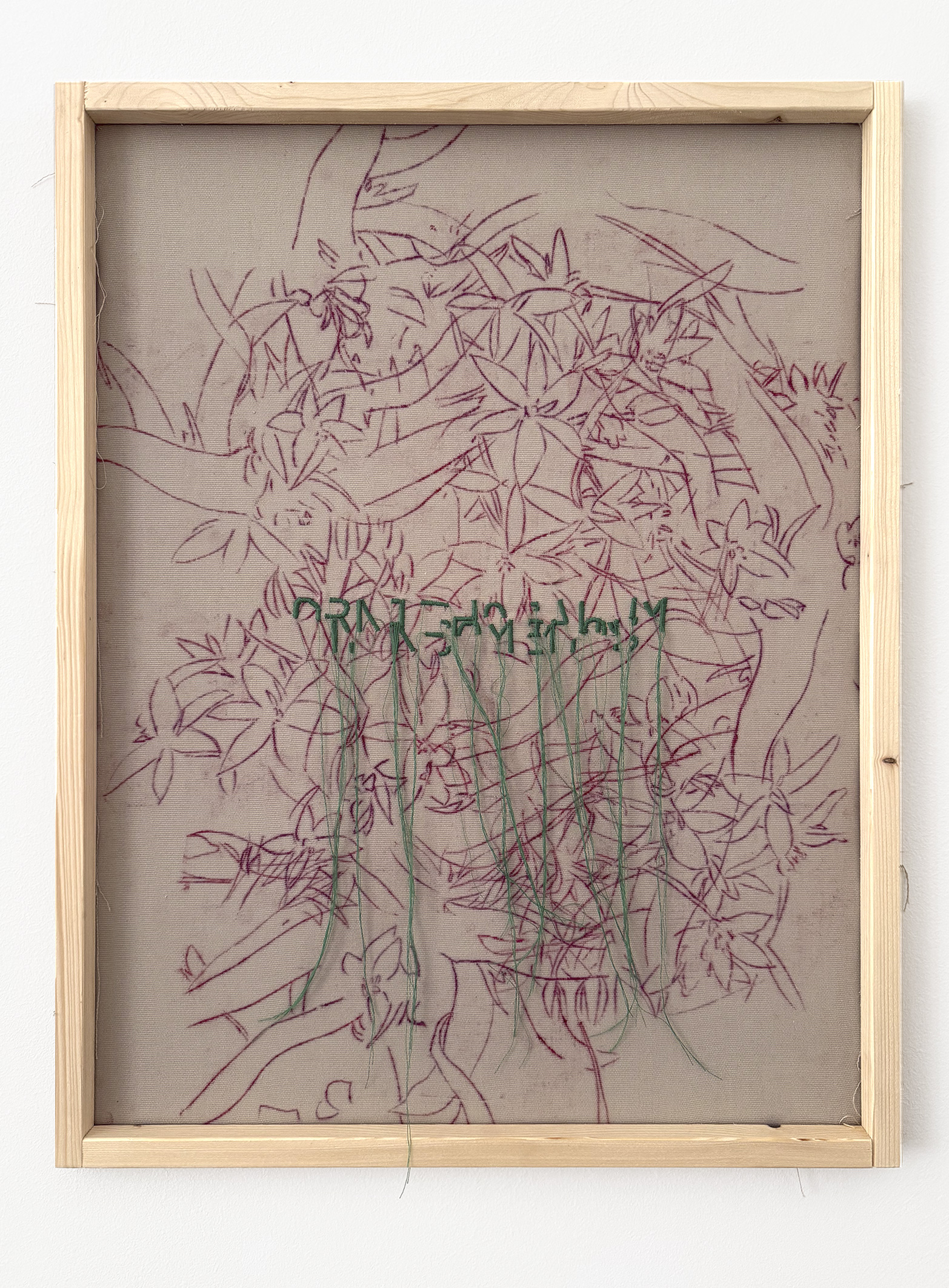
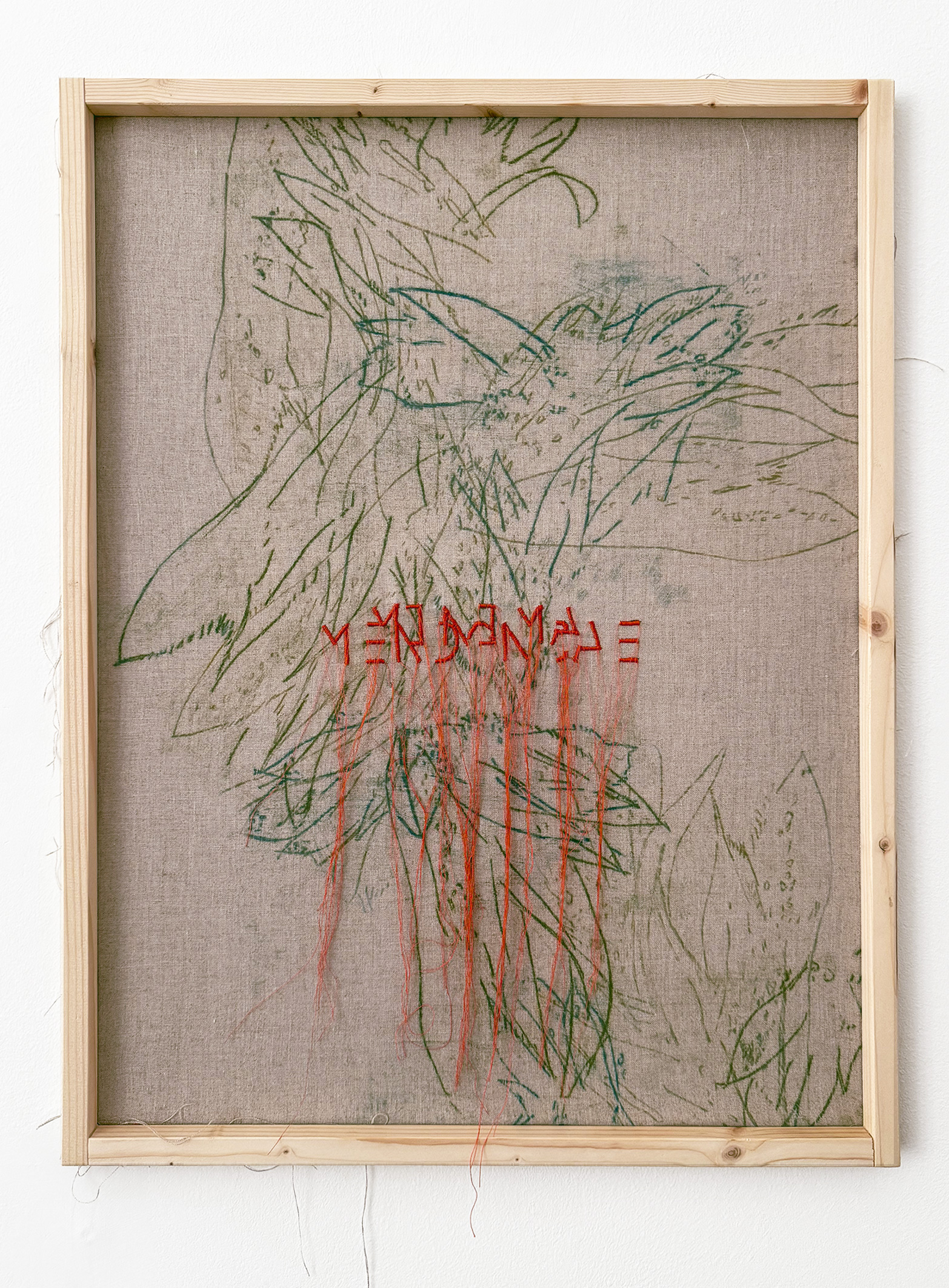
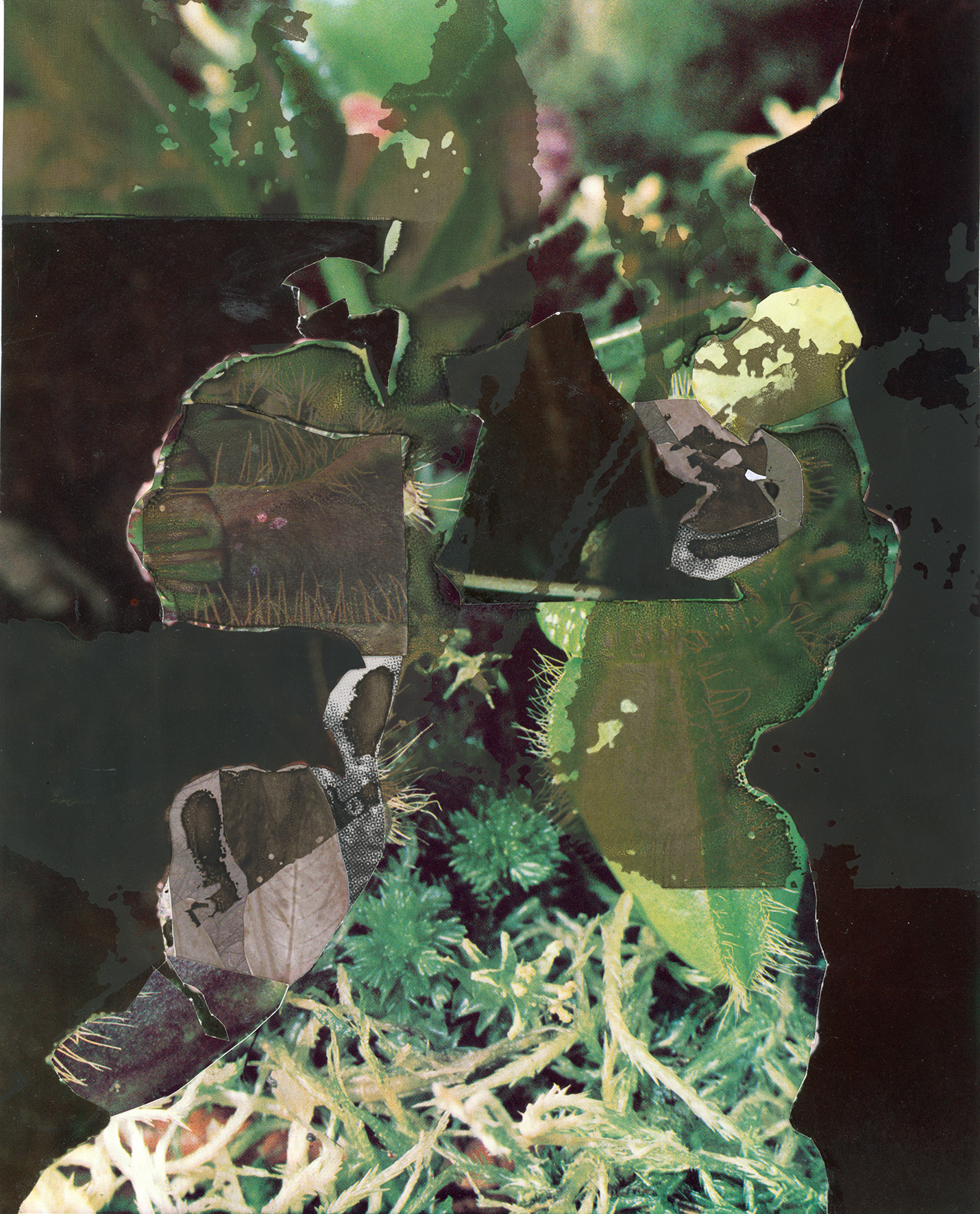
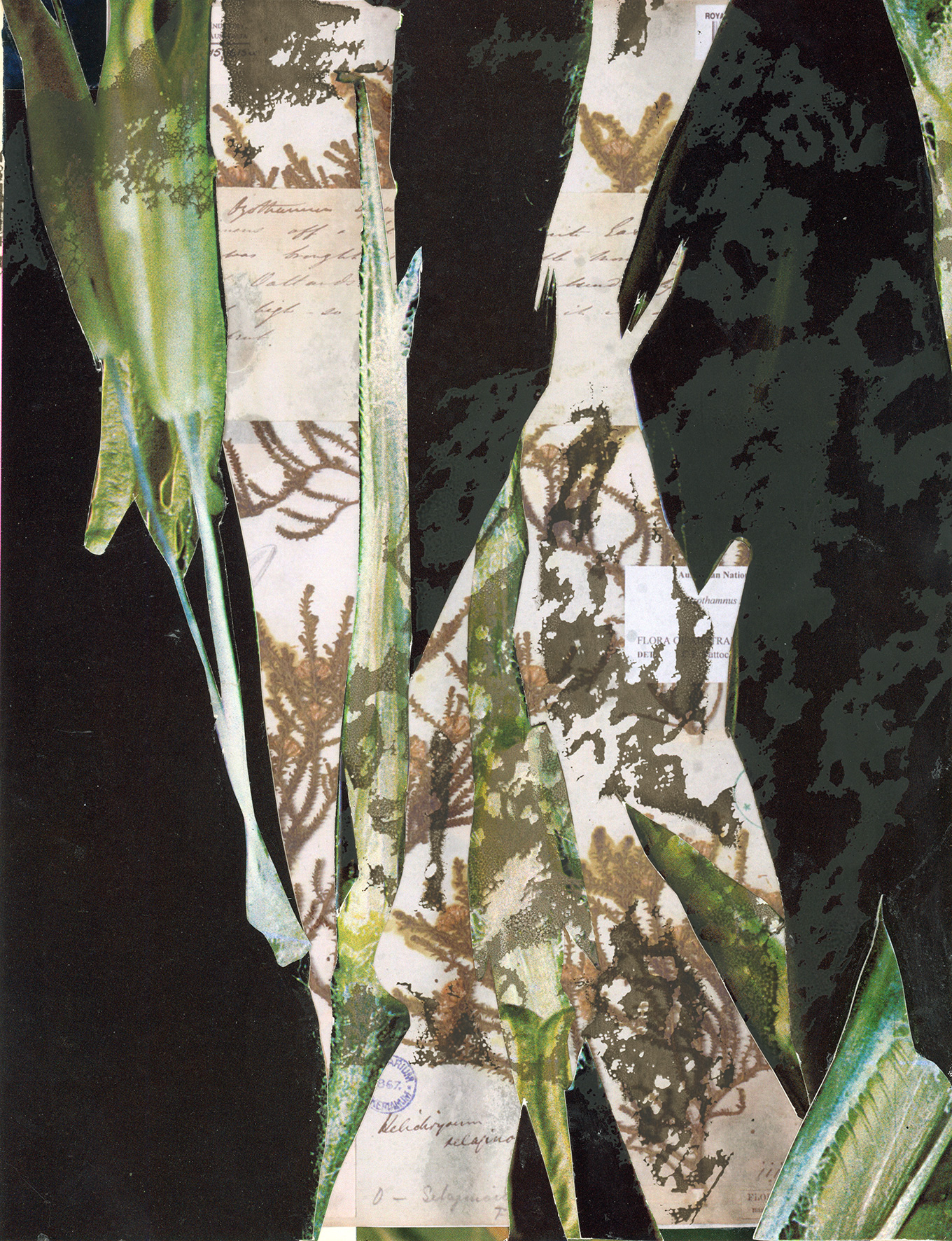
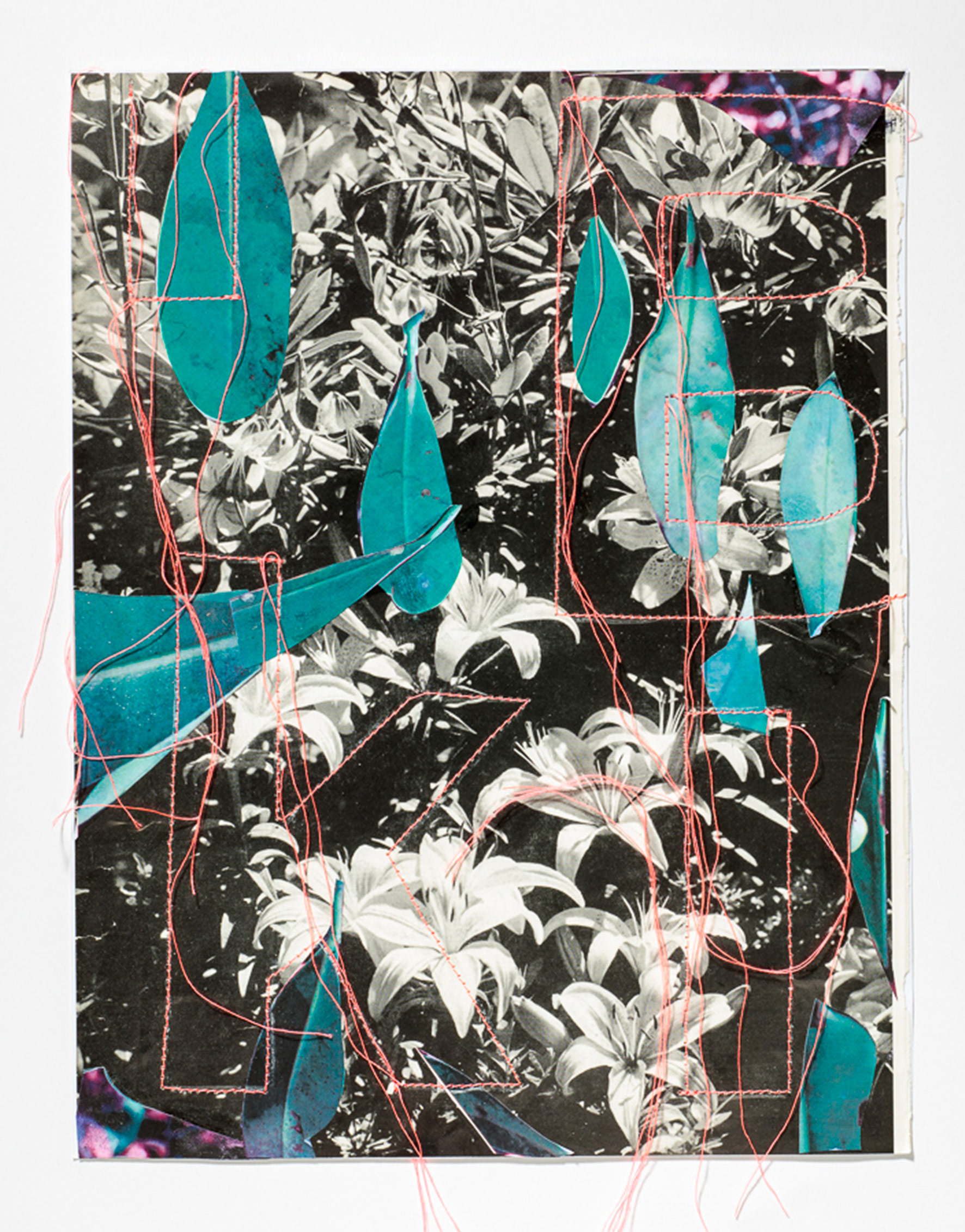
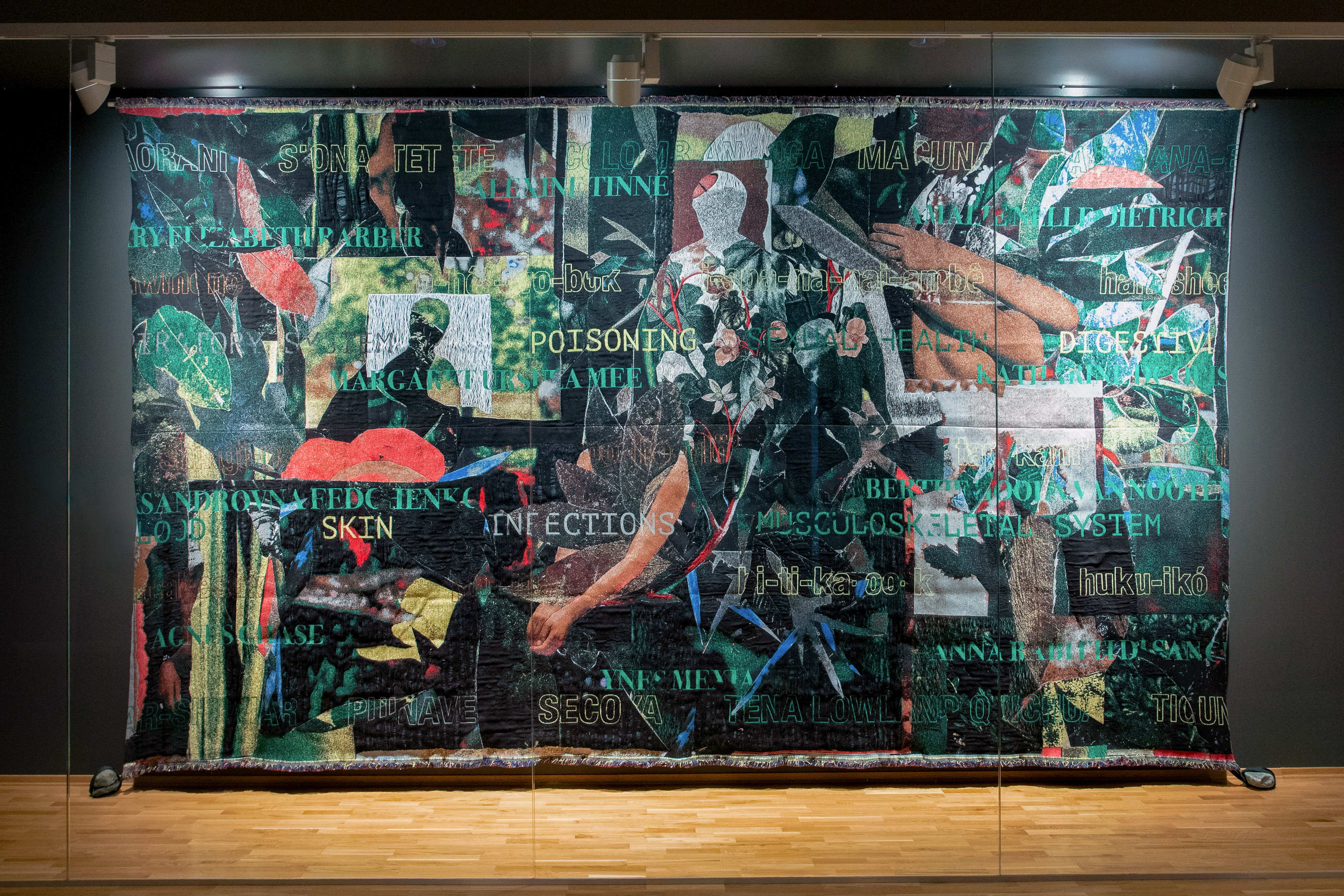
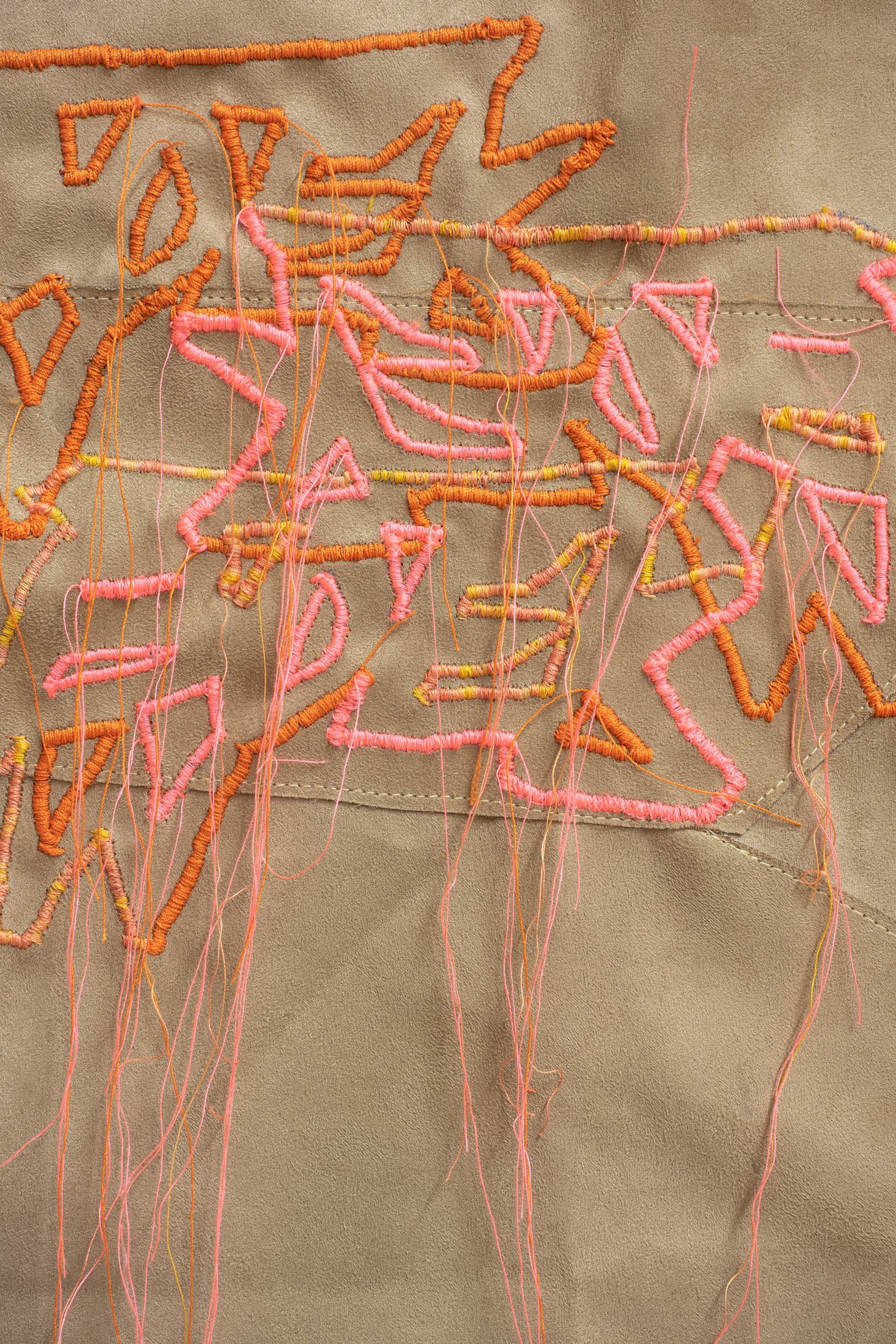
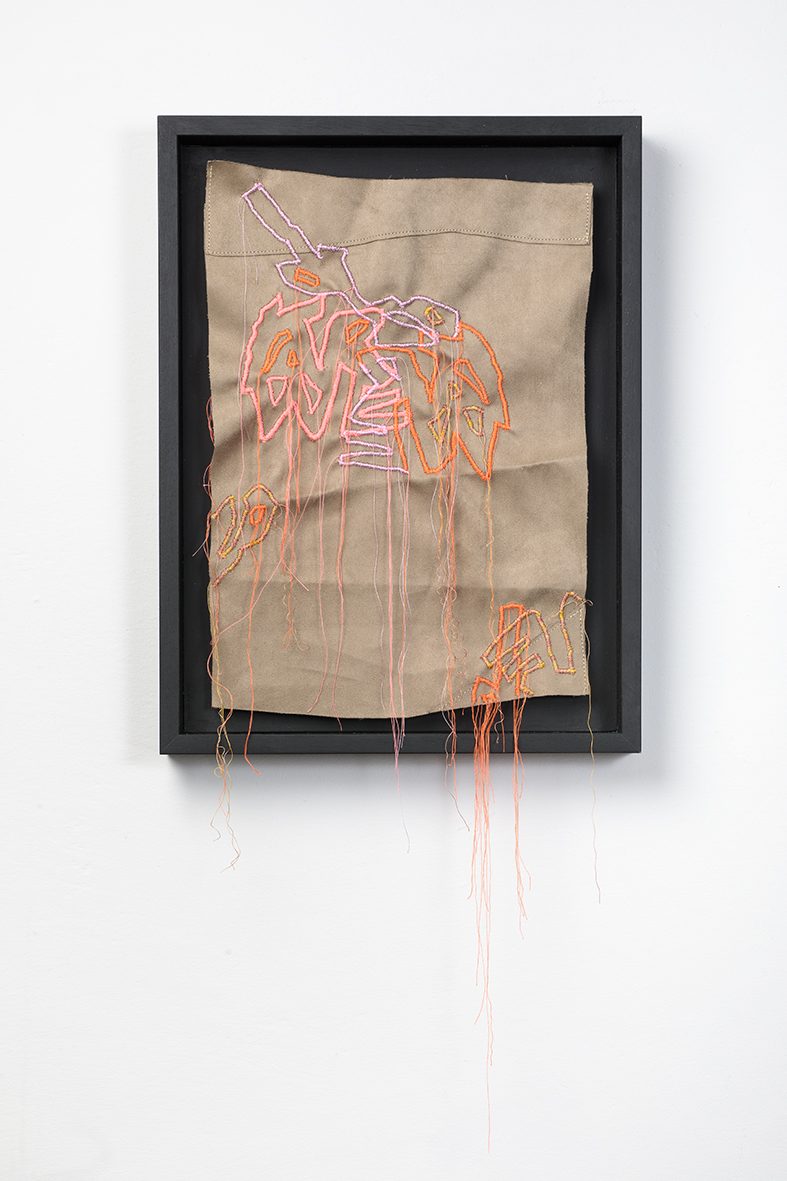
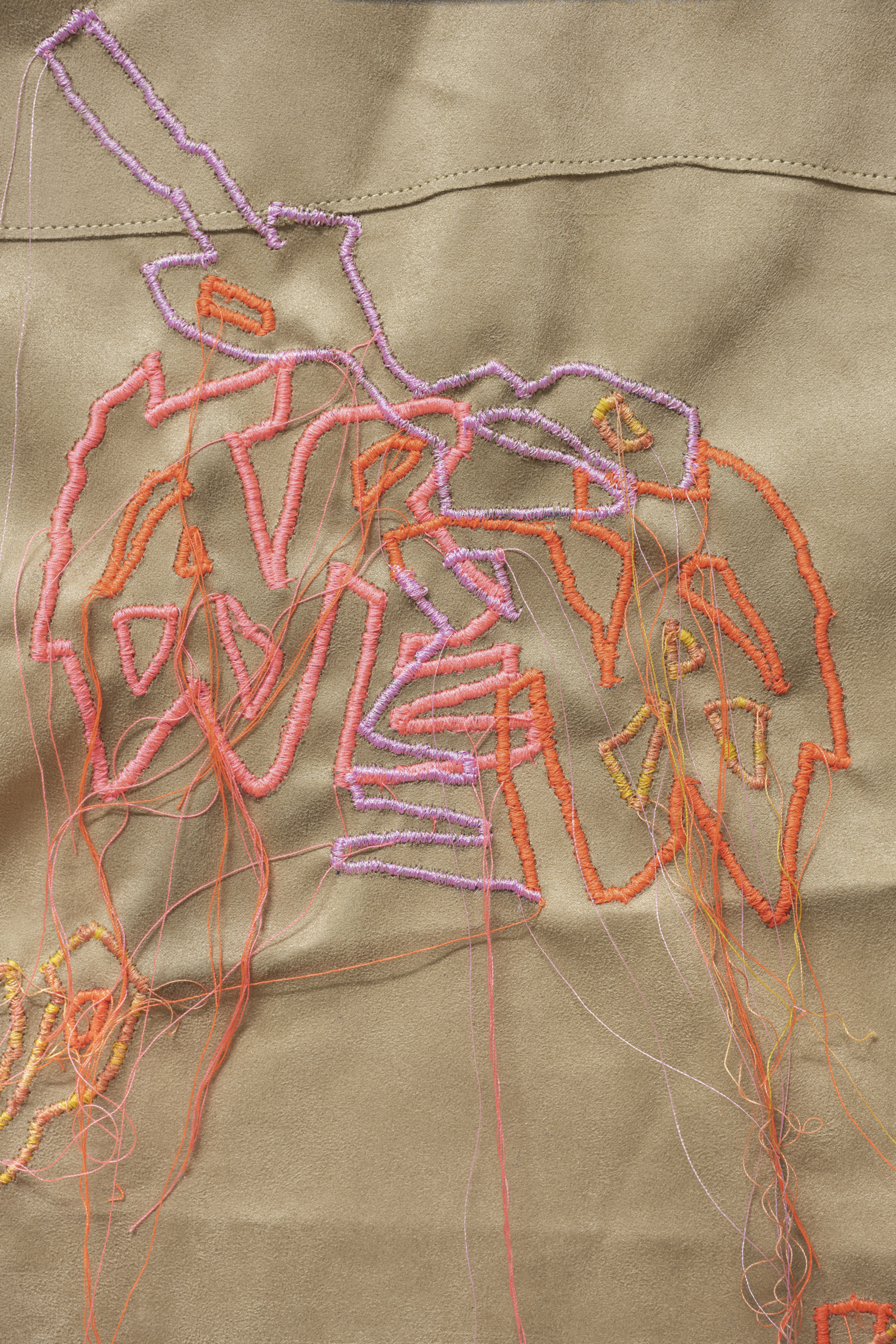
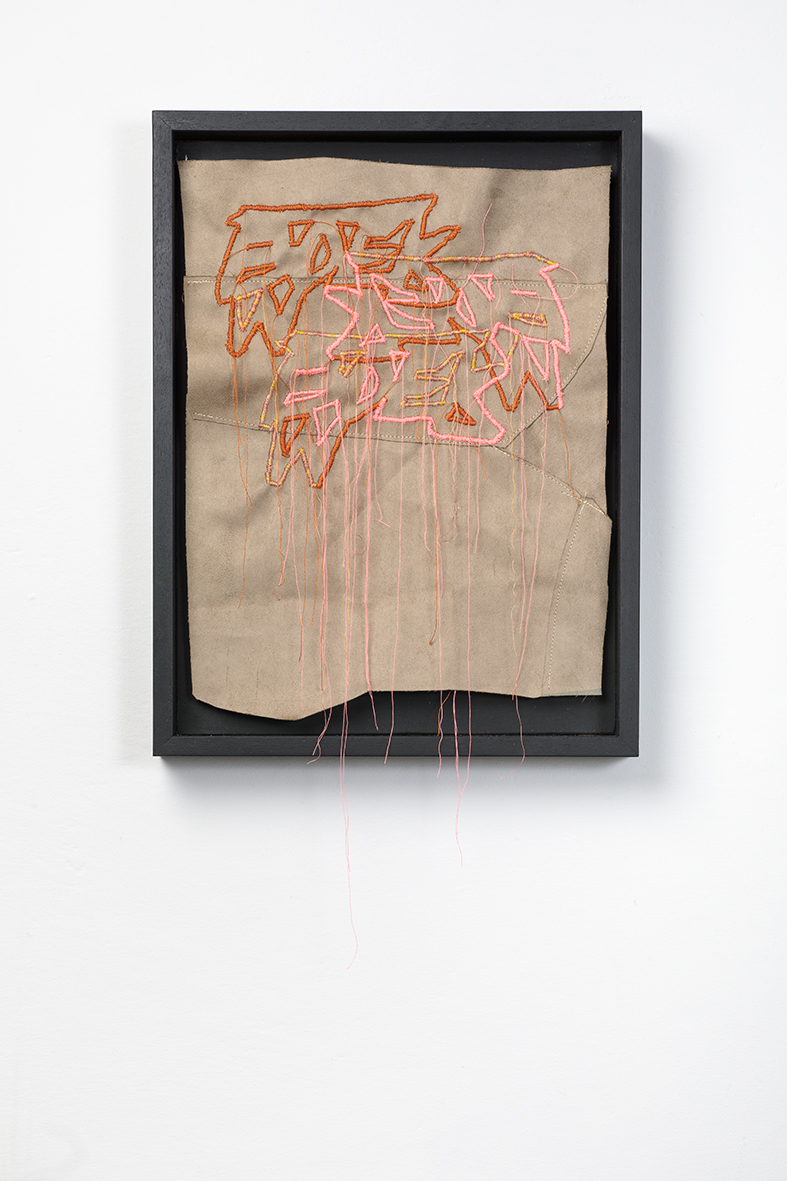
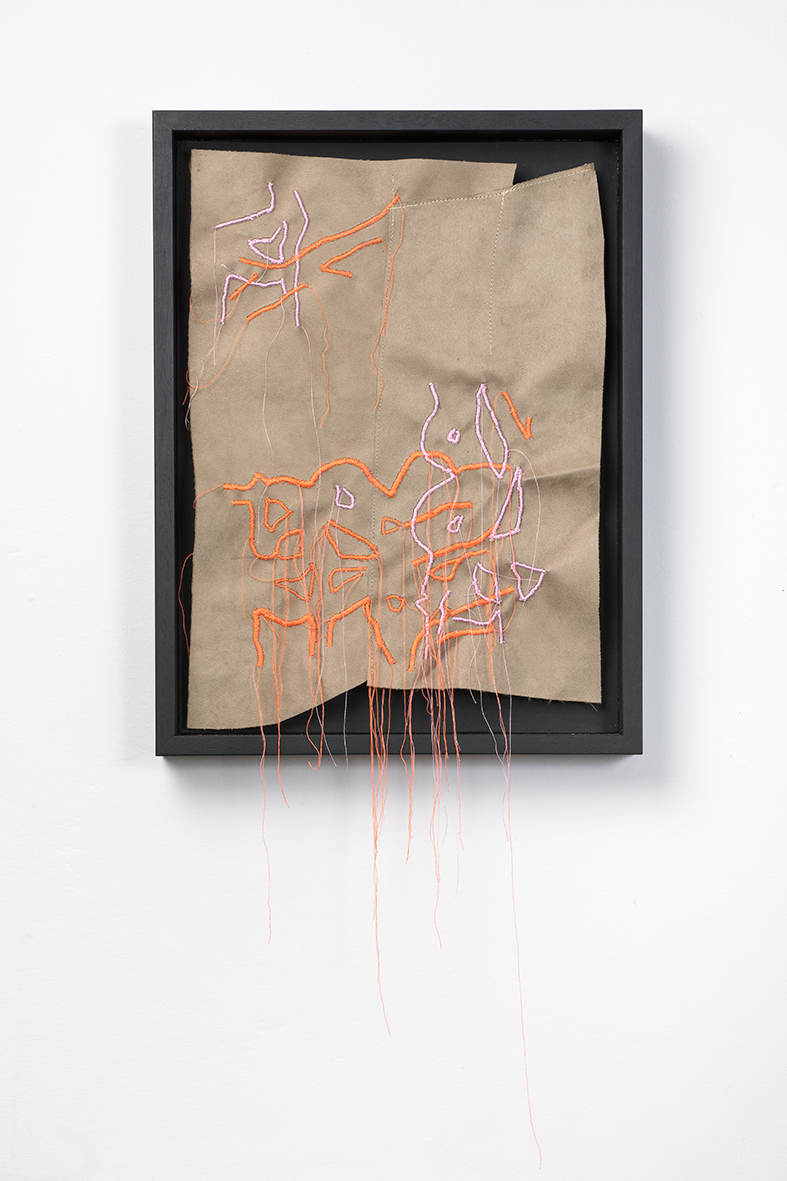
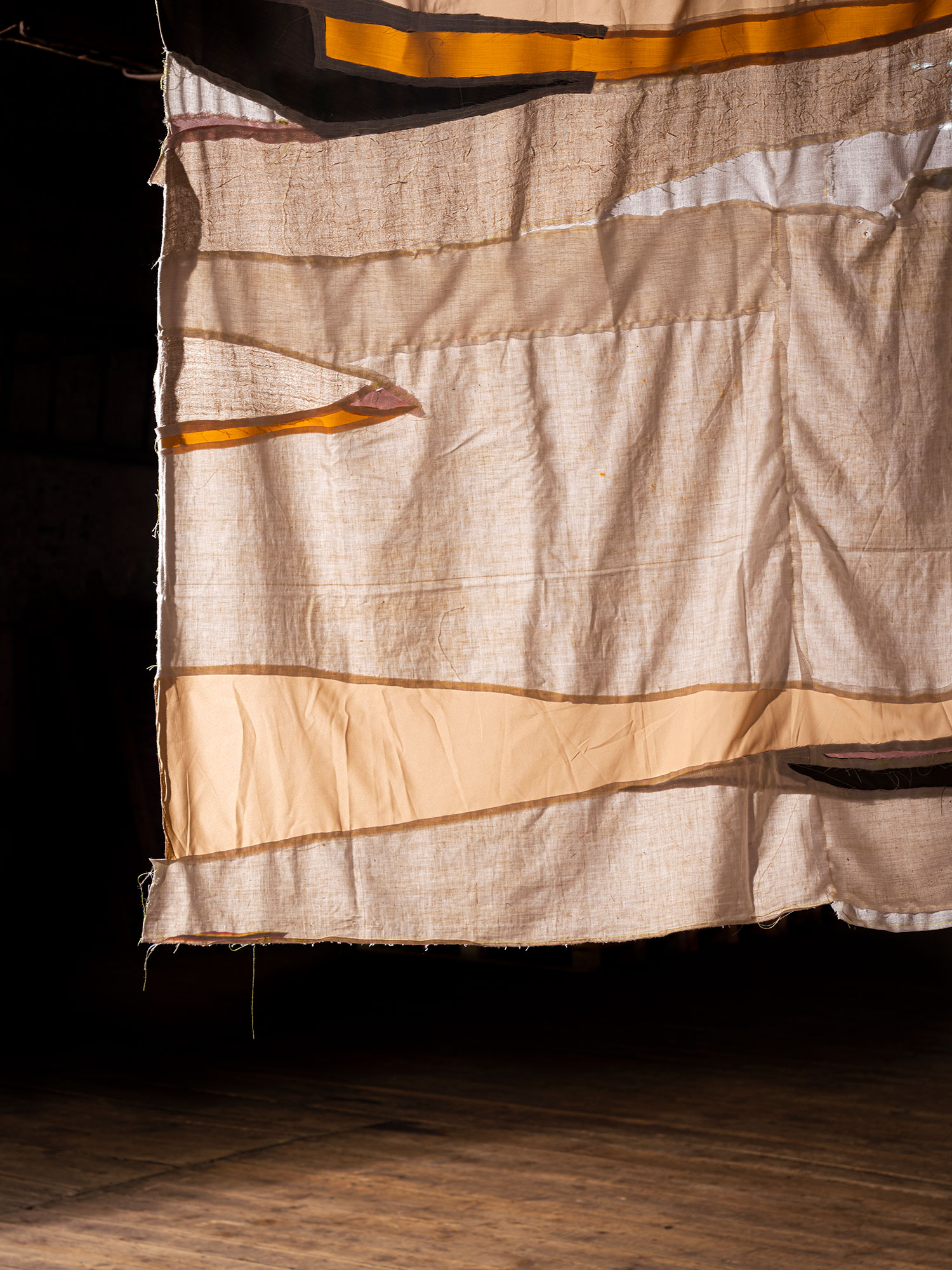
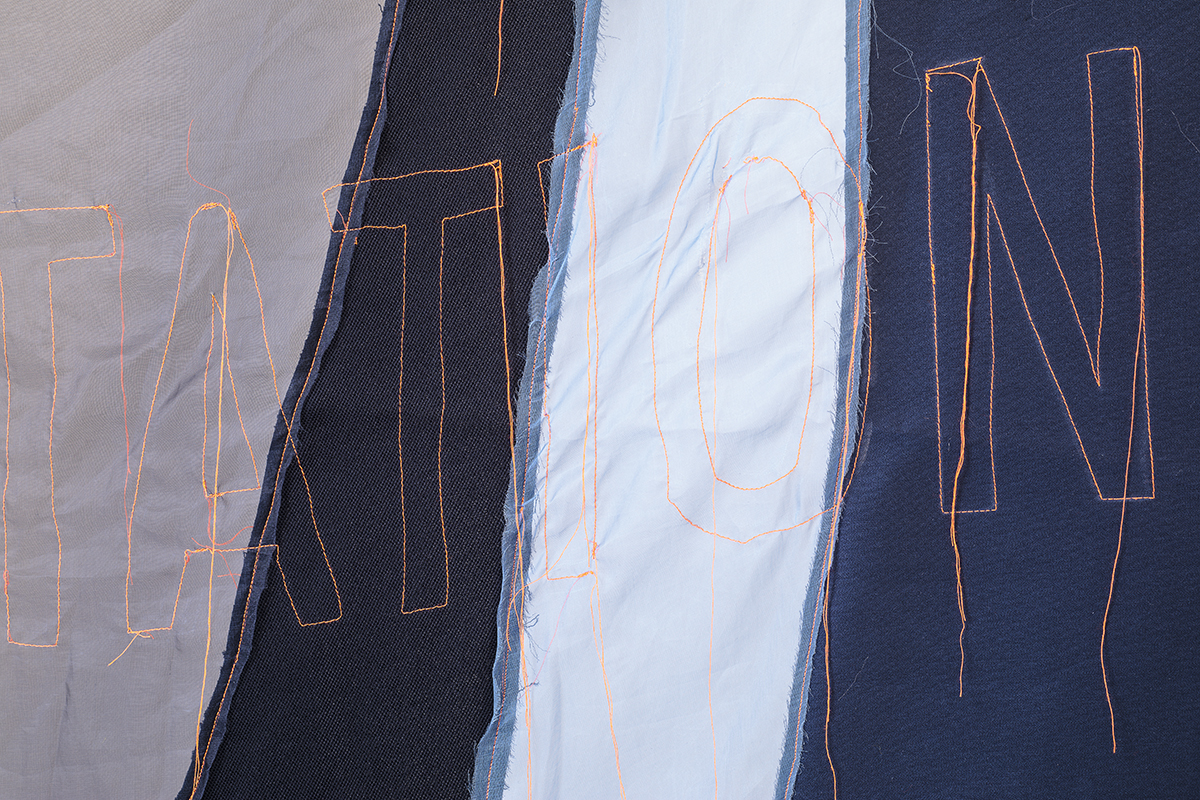
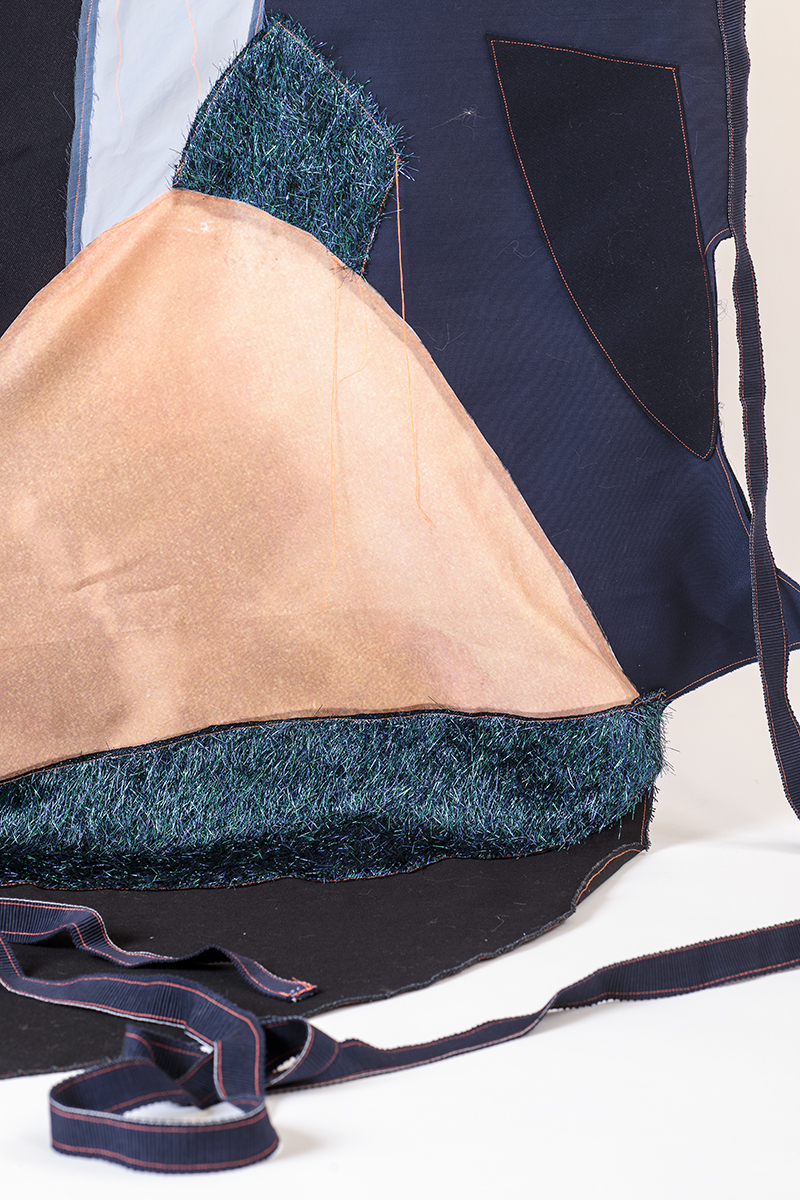
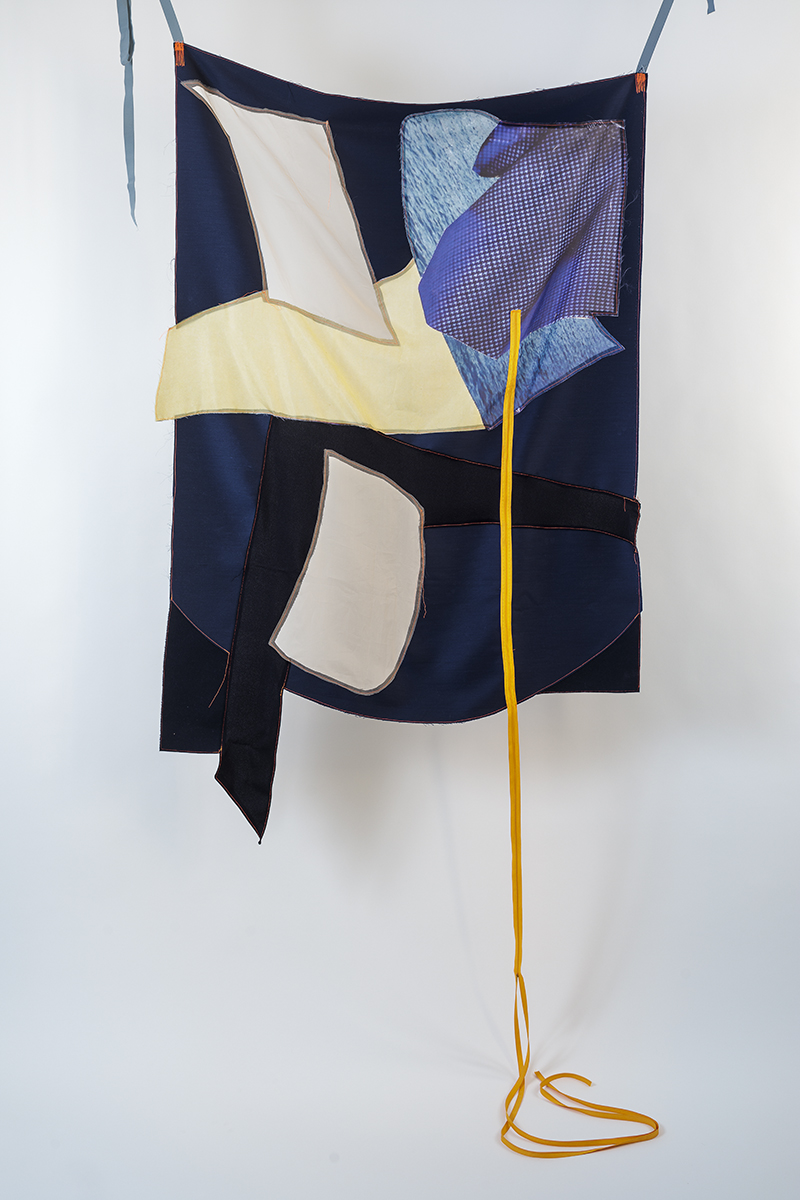
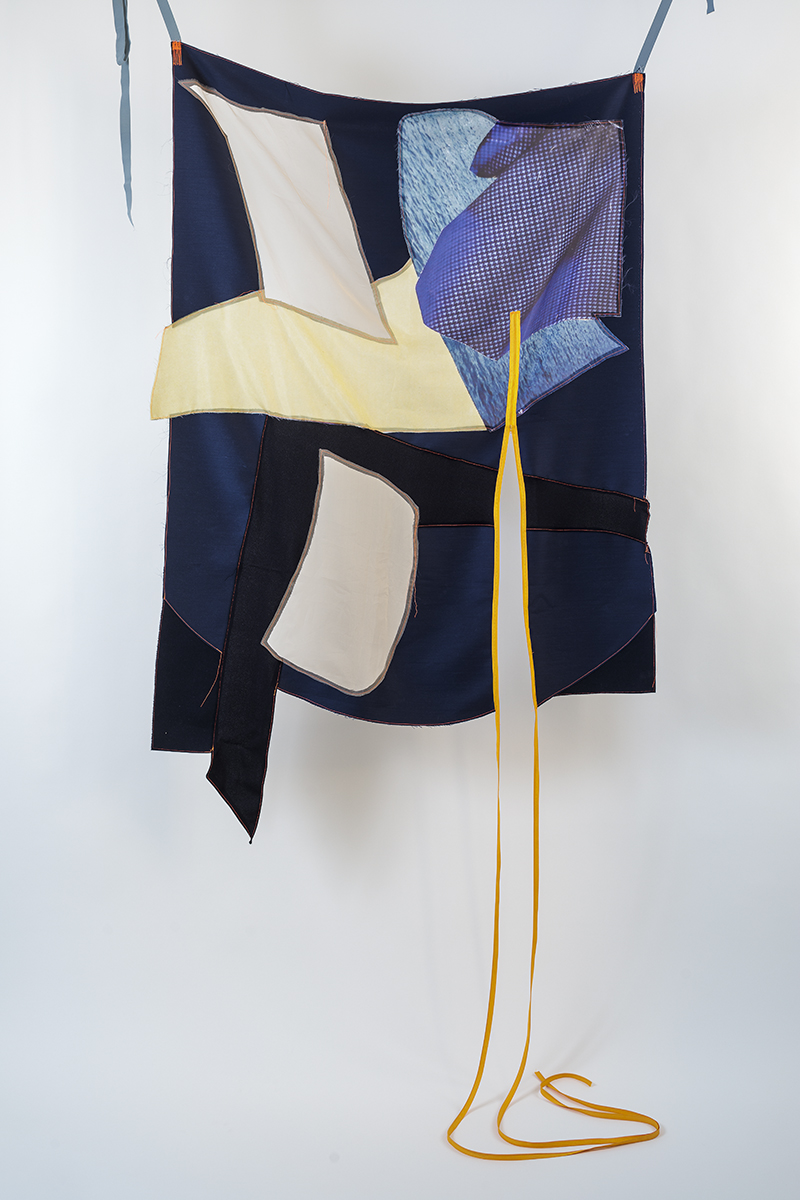
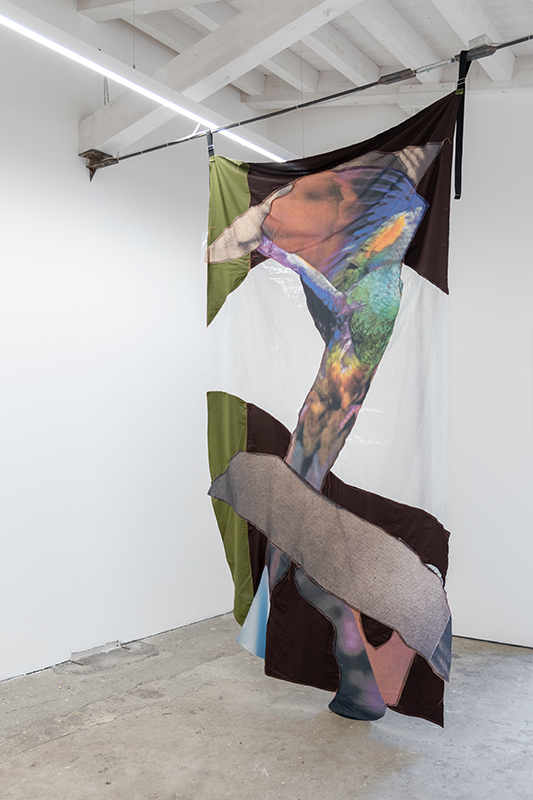
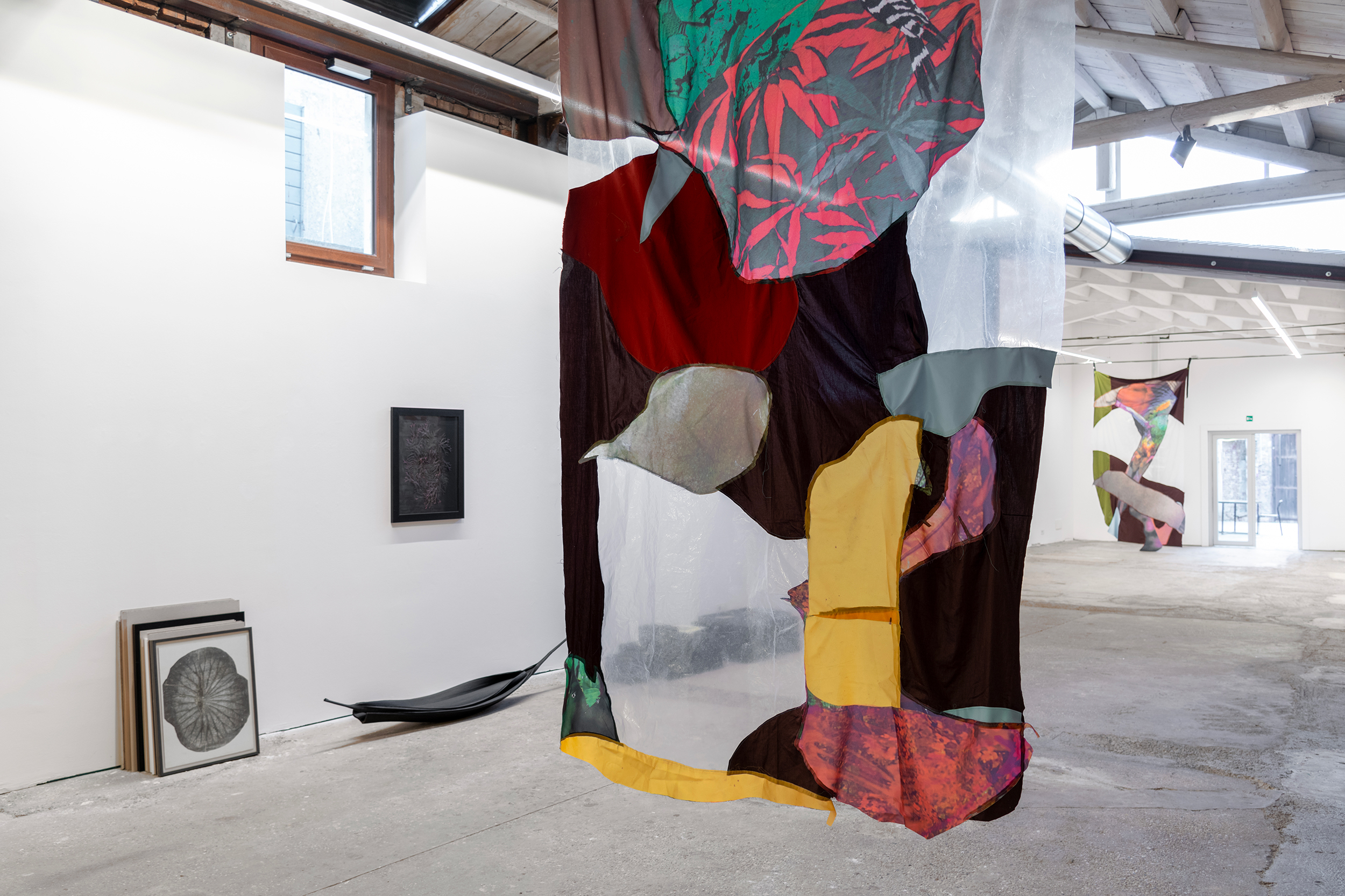
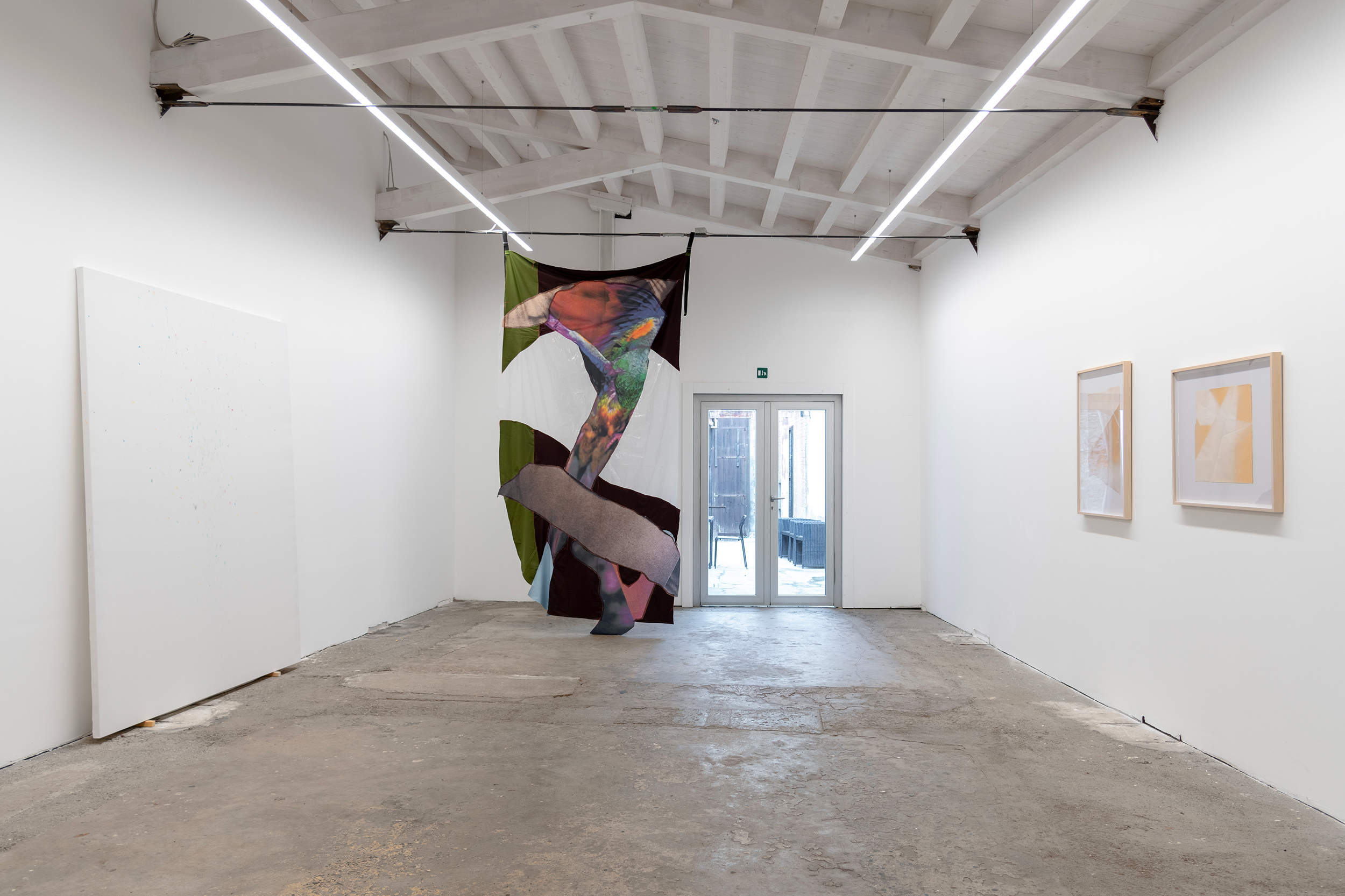
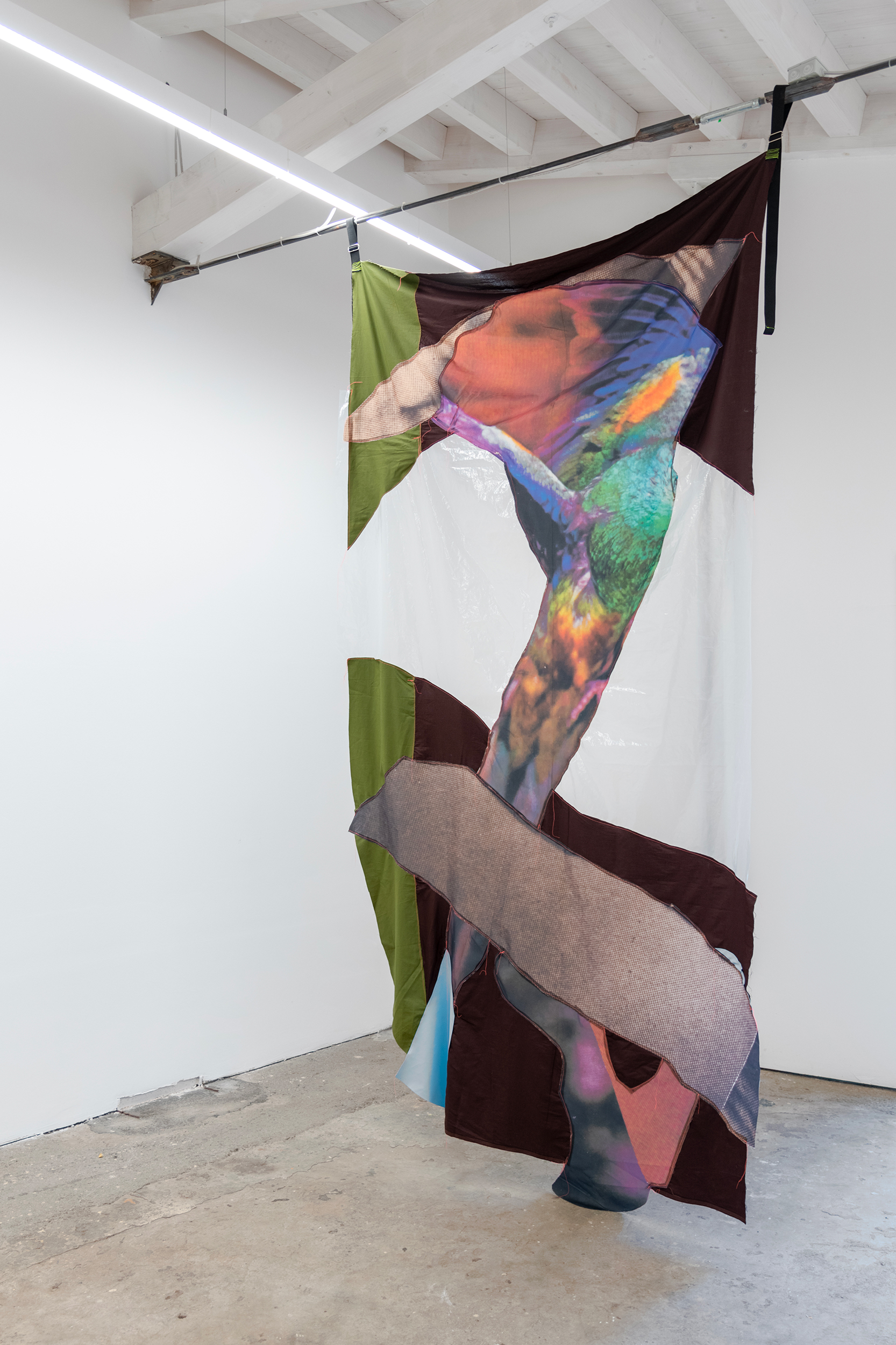
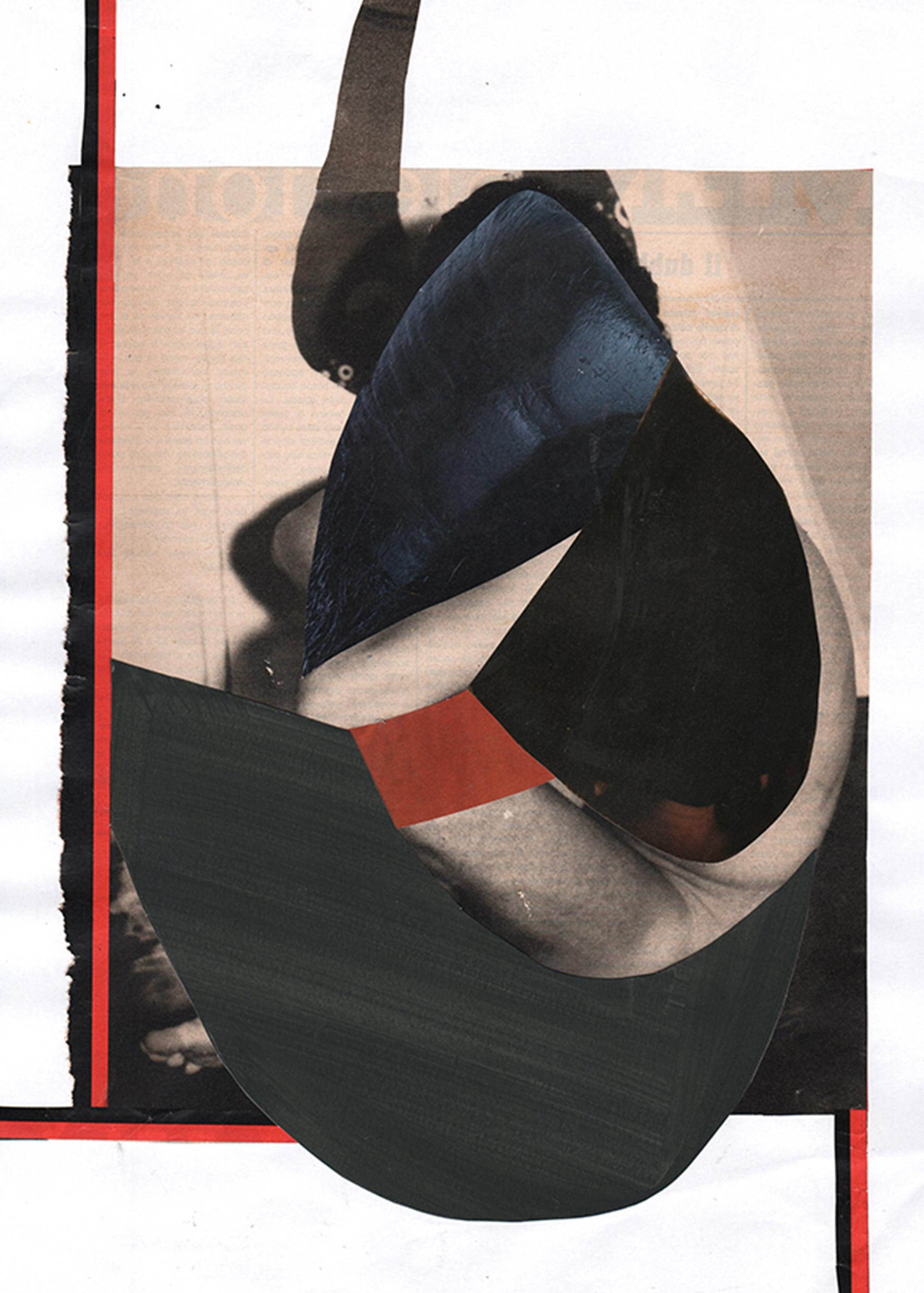
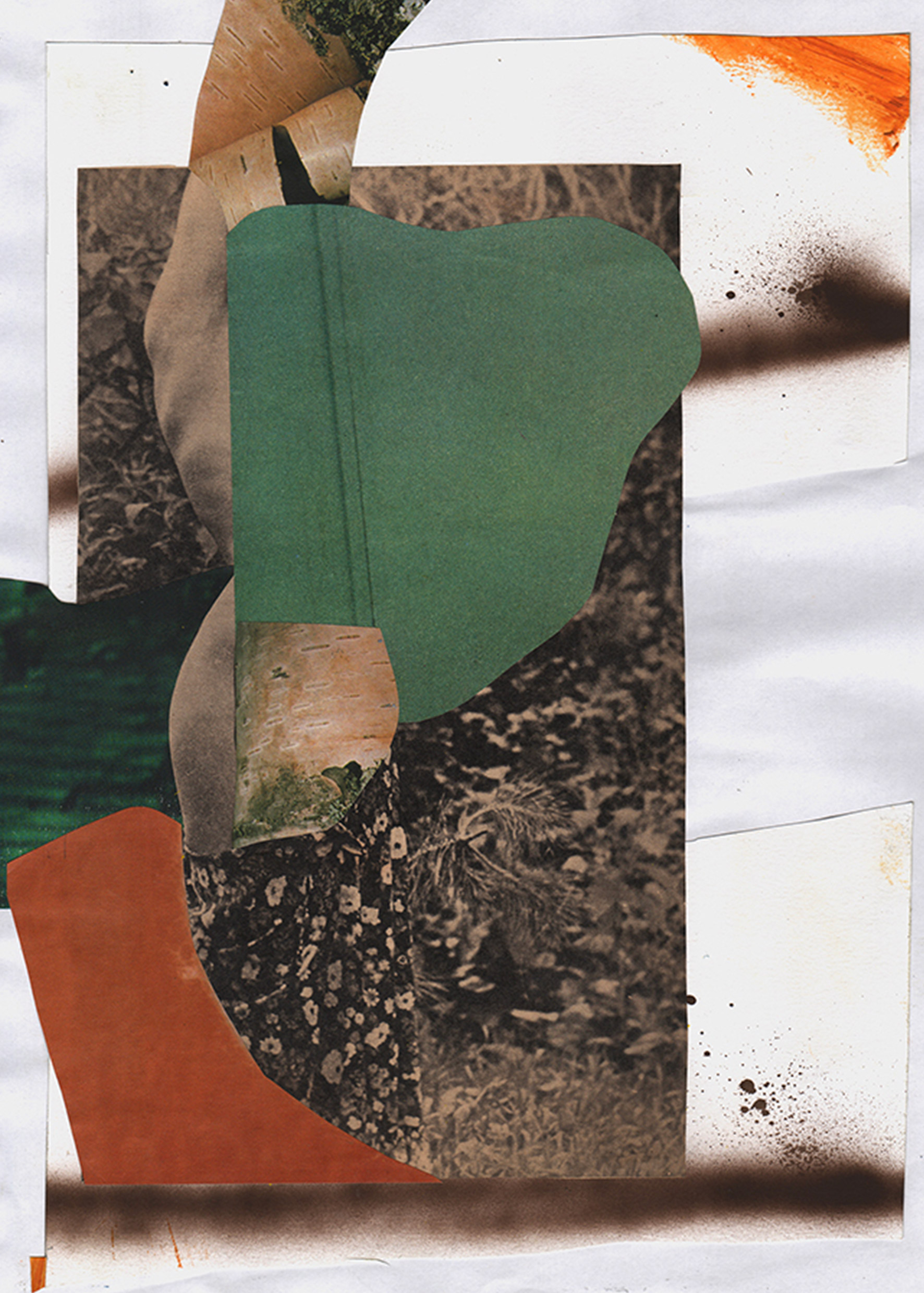
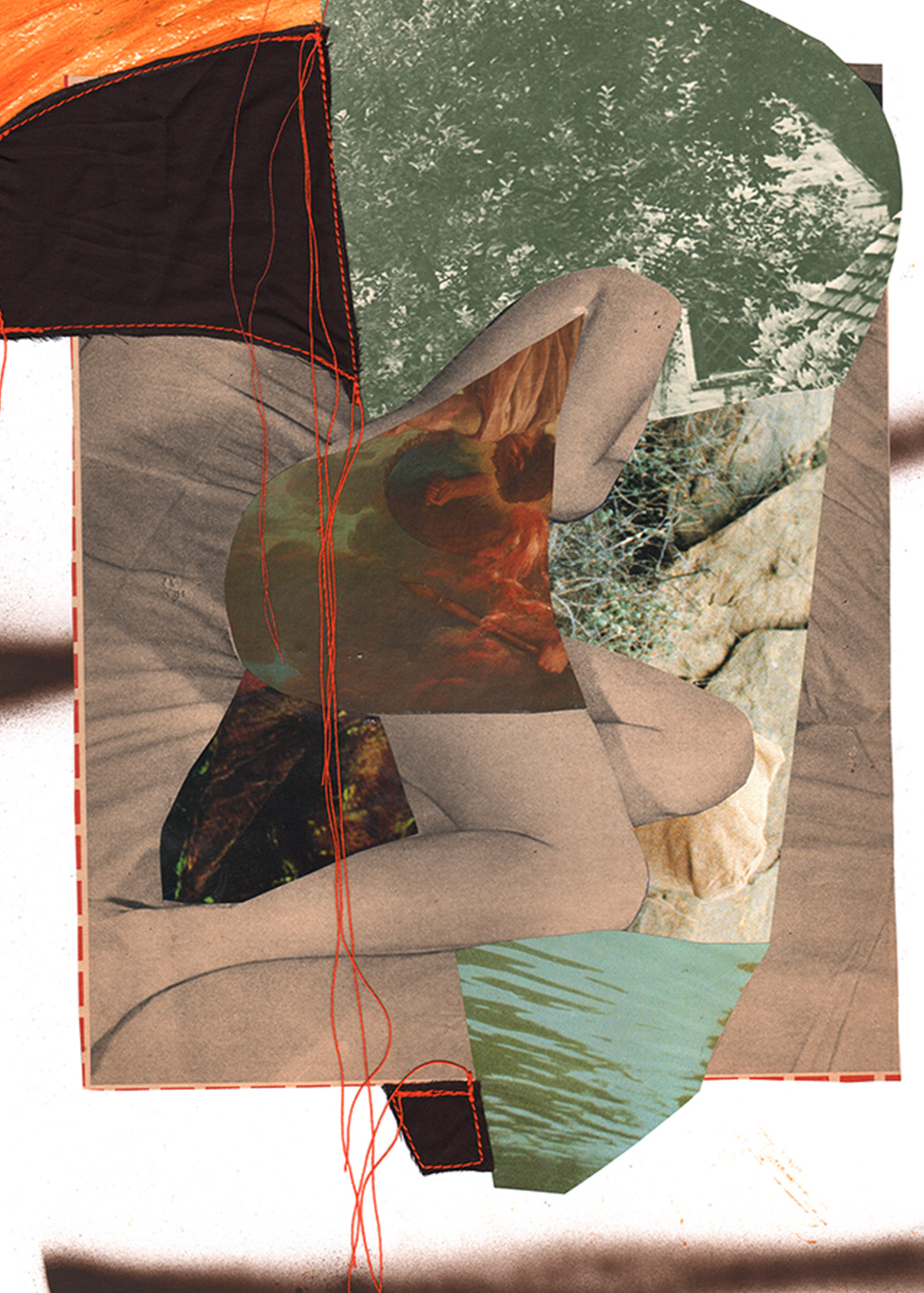
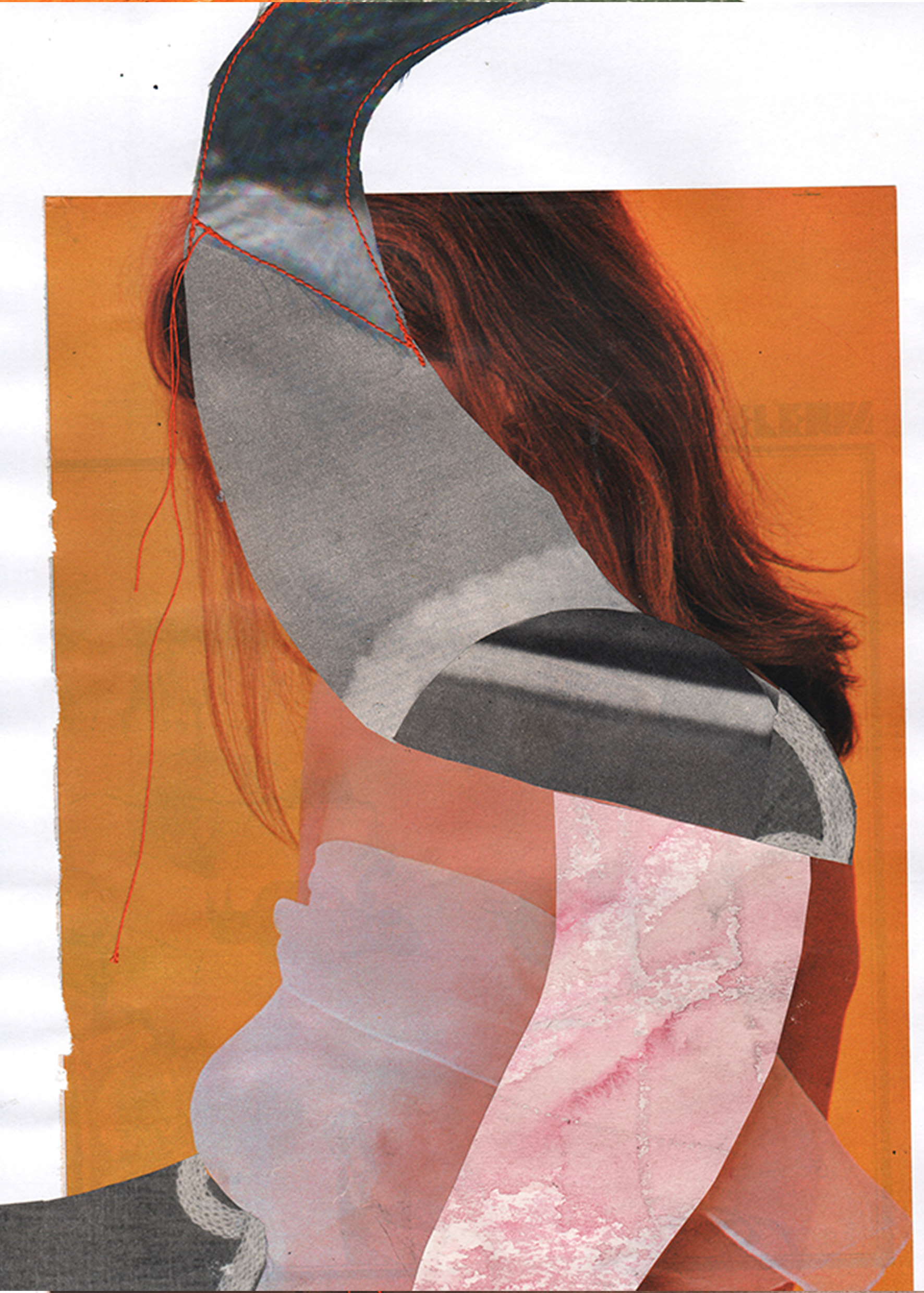
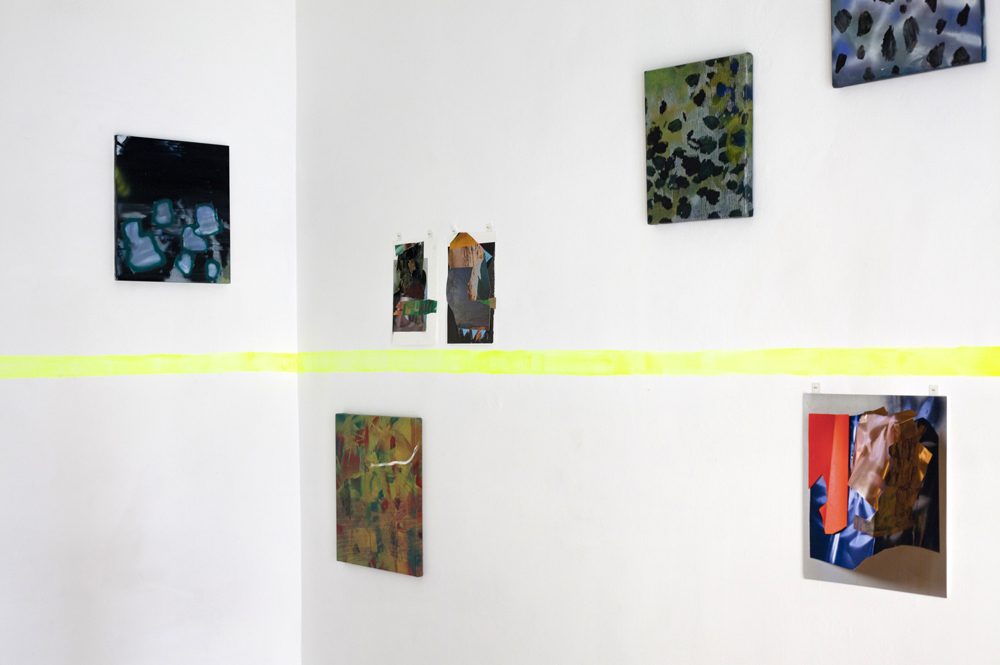
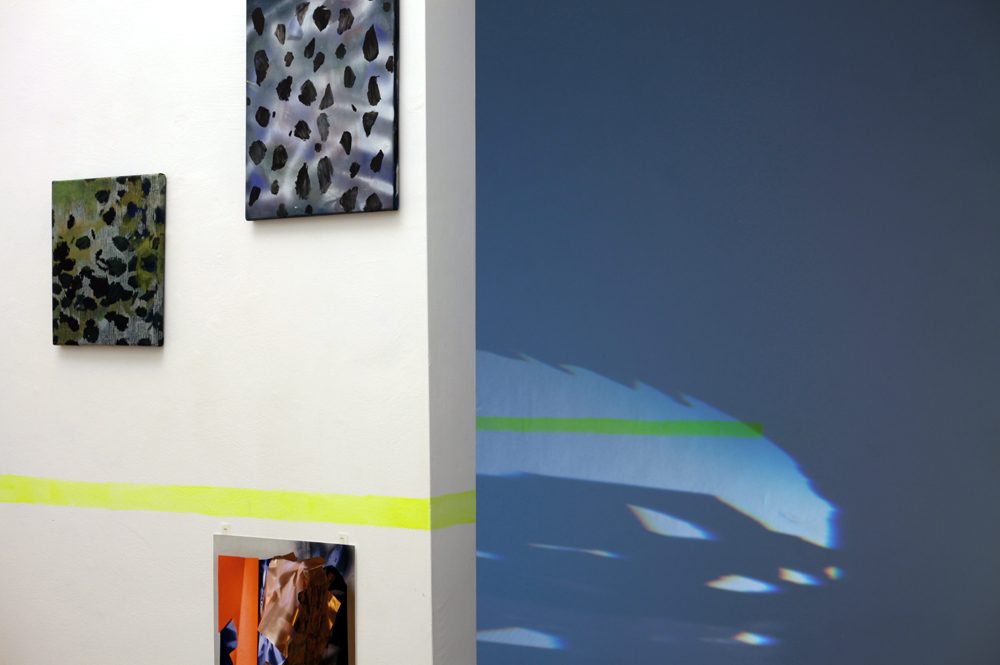
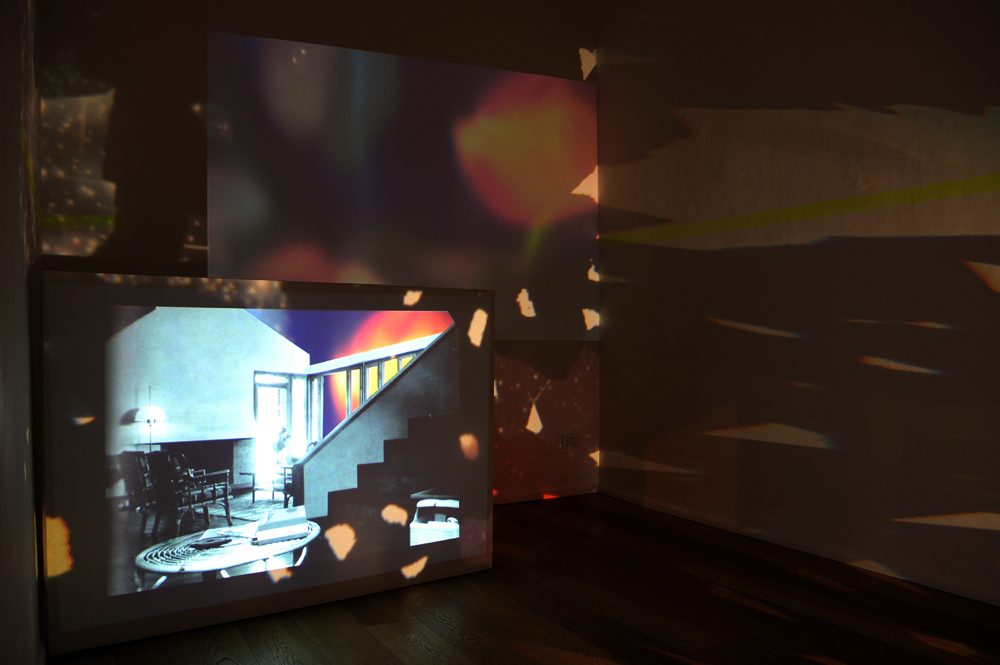
  • Sin nombre conocido, 2025
    Residenza artistica “Lingue sorelle”, Istituto Italiano di Cultura in collaborazione con Error Proyecto
    tessuto in cotone, monotipo ad olio, filo, 600 x 170 cm cad. Luci colorate
  • Testo di Nina Fiocco
  • Nominare è l’atto primordiale del linguaggio: fin dalla prima infanzia, ci permette di estendere i confini del corpo verso un territorio sempre più ampio, di stabilire legami con esso e di costruire relazioni collettive con i suoi elementi, conservando una memoria condivisa tra le generazioni che va oltre le nostre vite individuali. Perdere la connessione tra parola e mondo – come accade quando una lingua scompare – implica quindi molto più di una perdita comunicativa. Studi recenti hanno dimostrato che, nel caso del territorio messicano, le regioni con maggiore diversità linguistica coincidono con quelle con maggiore biodiversità. Al contrario, dove le lingue sono in pericolo, lo sono anche le specie vegetali. Sebbene le cause che intervengono nell’estinzione delle lingue e delle specie possano essere molteplici e non sempre identiche, esiste una zona di convergenza tra le due. Dove scompare una lingua che nomina una pianta, scompaiono molteplici conoscenze: la pratica che la coltiva, la cura che la riconosce e quindi la preserva, le conoscenze relative al suo uso medico, tra gli altri aspetti. Lucia Veronesi, artista interessata al rapporto tra immagine e testo, negli ultimi anni ha concentrato la sua ricerca sui legami tra lingua, territorio, corpi, biodiversità e perdita, esplorando questi temi in diversi contesti.
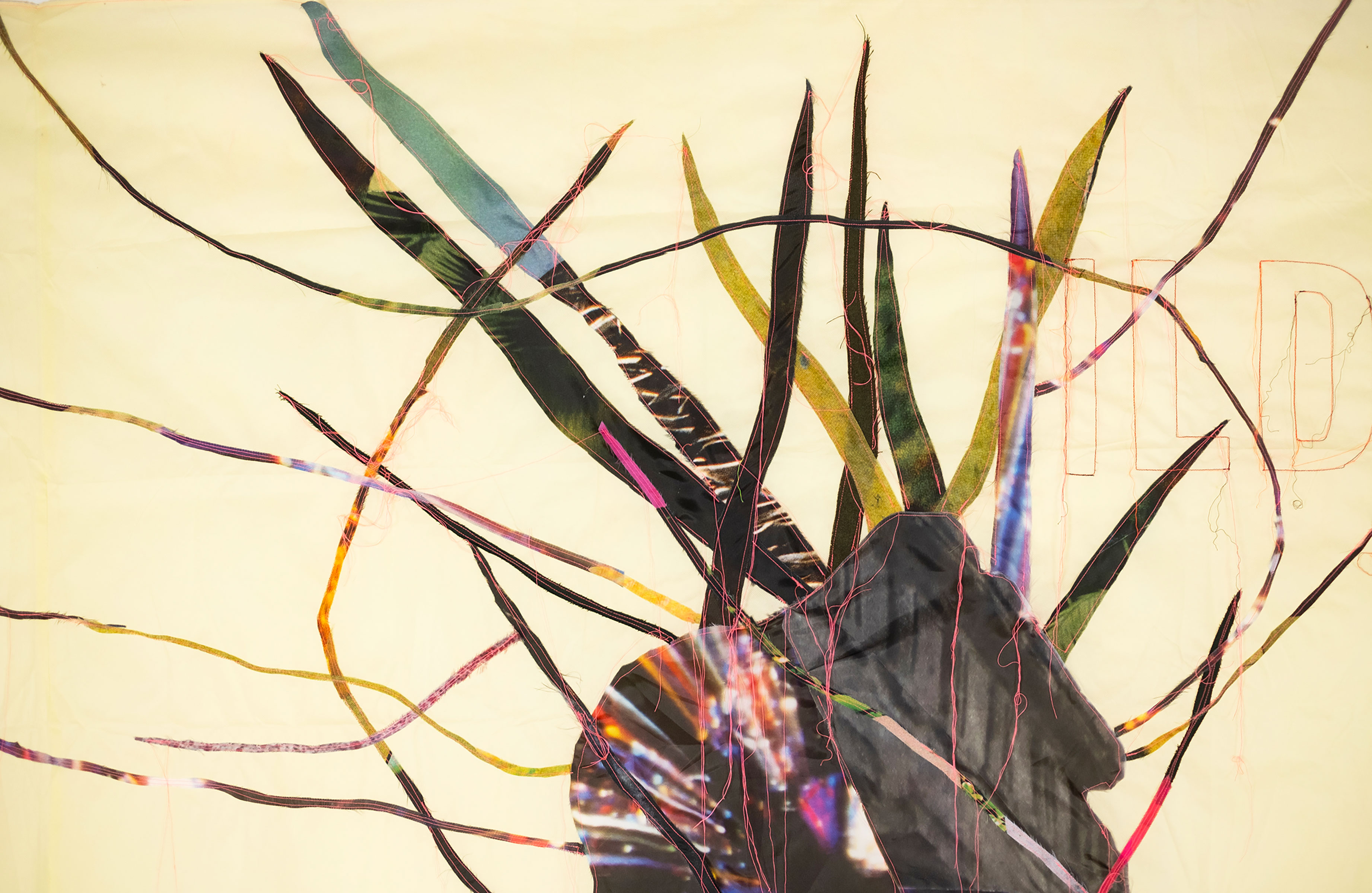
    Durante la sua residenza in Messico, ha approfondito questa linea di lavoro attraverso incontri con linguisti, botanici e altri specialisti, nonché attraverso visite a numerosi spazi e istituzioni di Città del Messico, con l’intenzione di dedicare, a lungo termine, un nuovo capitolo della sua ricerca a questo territorio. Come una sorta di appunti visivi di questo processo, Veronesi presenta nelle sale e nel patio dell’Istituto Italiano di Cultura in Messico una serie di tele di grande formato concepite appositamente per questo luogo. In queste opere si dispiega una composizione articolata tra la parola scritta – ricamata a macchina – e monotipi che rappresentano diverse piante. Osservando attentamente, scopriamo che quanto più riconoscibili sono le piante, tanto più lo sono i nomi che alludono alle lingue: entrambi appartengono agli ecosistemi messicani e rappresentano questa corrispondenza di estinzione.
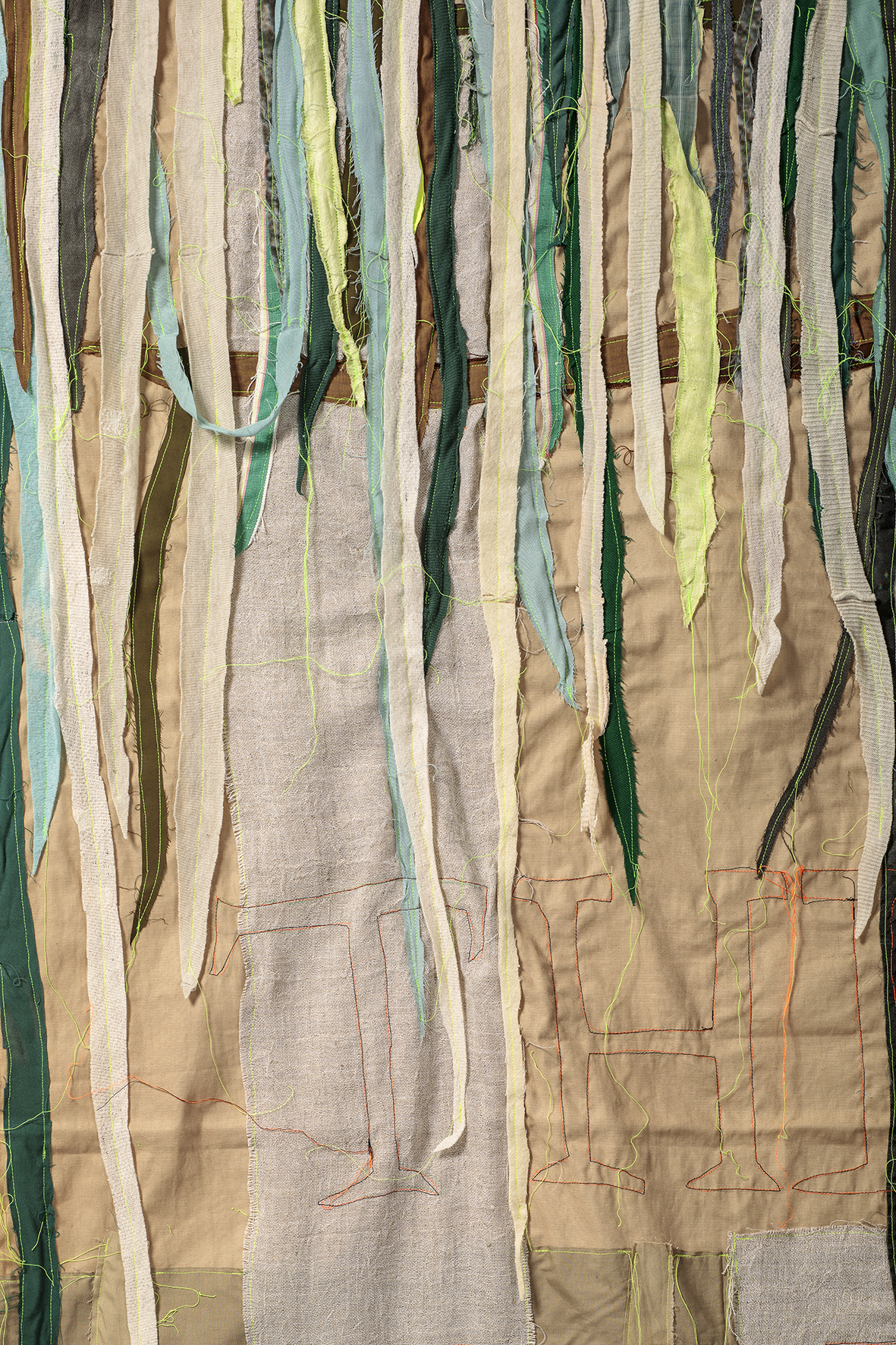
  • Lo spettatore si trova così sull’orlo della perdita di riferimento, in un’esperienza che evoca ciò che potrebbe accadere se una lingua o una specie vegetale scomparisse. Tuttavia, i fili sciolti e il carattere incompiuto delle opere evocano l’idea di un palinsesto: una storia ancora in costruzione, aperta alla riscrittura, al cambiamento e alla possibilità.


  1. Sin nombre conocido, 2025
    Artistic residence “Lingue sorelle”, Italian cultural Institute in collaboration with Error Proyecto
    cotton fabric, oil color monotype, thread, 600 x 170 cm each. Coloured lights
  2. Text by Nina Fiocco
  3. Naming is the most primitive act of language: from early childhood, it enables us to extend the limits of the body into an ever-wider territory, establish connections with it, and build collective relationships with its elements, thereby preserving a shared memory that transcends our individual lives across generations. Losing the connection between words and the world—as happens when a language disappears—therefore implies much more than a loss of communication. Recent studies have shown that, in the case of Mexico, the regions with the most remarkable linguistic diversity coincide with those with the most incredible biodiversity. Conversely, where languages are endangered, so too are plant species. Although the causes of language and species extinction may be multiple and not always identical, there is an area of convergence between the two. When a language that names a plant disappears, various forms of knowledge disappear with it: the practice of cultivating it, the care that recognises and therefore preserves it, knowledge of its medicinal uses, among other aspects.
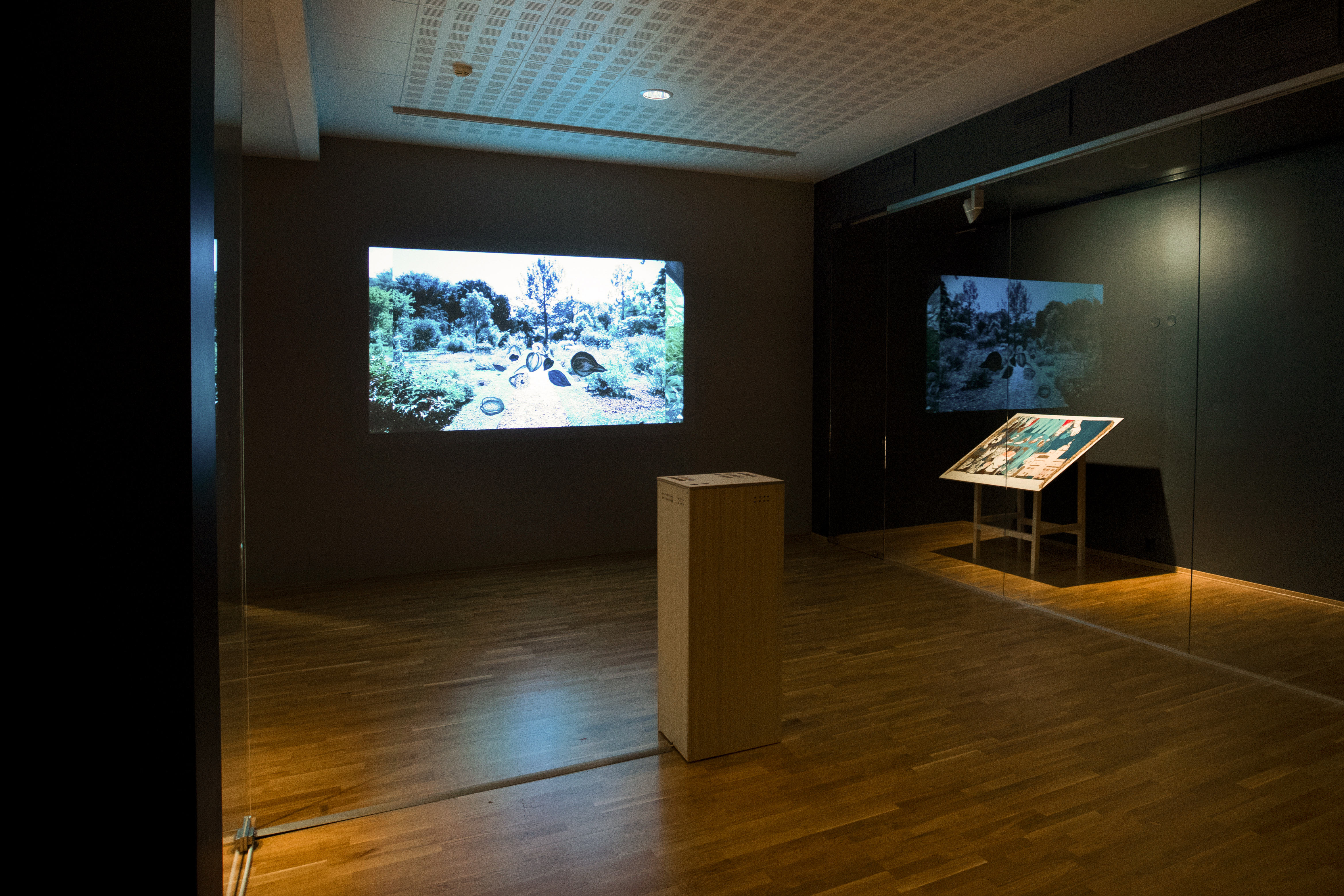
    Lucia Veronesi, an artist interested in the relationship between image and text, has focused her research in recent years on the connections between language, territory, bodies, biodiversity and loss, exploring these themes in different contexts. During her residency in Mexico, she has delved deeper into this line of work through meetings with linguists, botanists and other specialists, as well as through visits to numerous spaces and institutions in Mexico City, with the intention of dedicating a new chapter of her research to this territory in the long term. As a visual record of this process, Veronesi presents a series of large-format canvases, conceived specifically for this site, in the rooms and courtyard of the Italian Cultural Institute in Mexico. These works display a composition that is articulated between the written word, embroidered by machine, and monotypes representing various plants. Upon closer inspection, we discover that the more recognisable the plants are, the more recognisable the names that allude to languages are: both belong to Mexican ecosystems and represent this correspondence of extinction.
  4. The viewer is thus placed on the brink of losing their bearings, in an experience that evokes what might happen if a language or plant species were to disappear. However, the loose threads and unfinished nature of the works evoke the idea of a palimpsest: a story still in the making, open to rewriting, change and possibility.

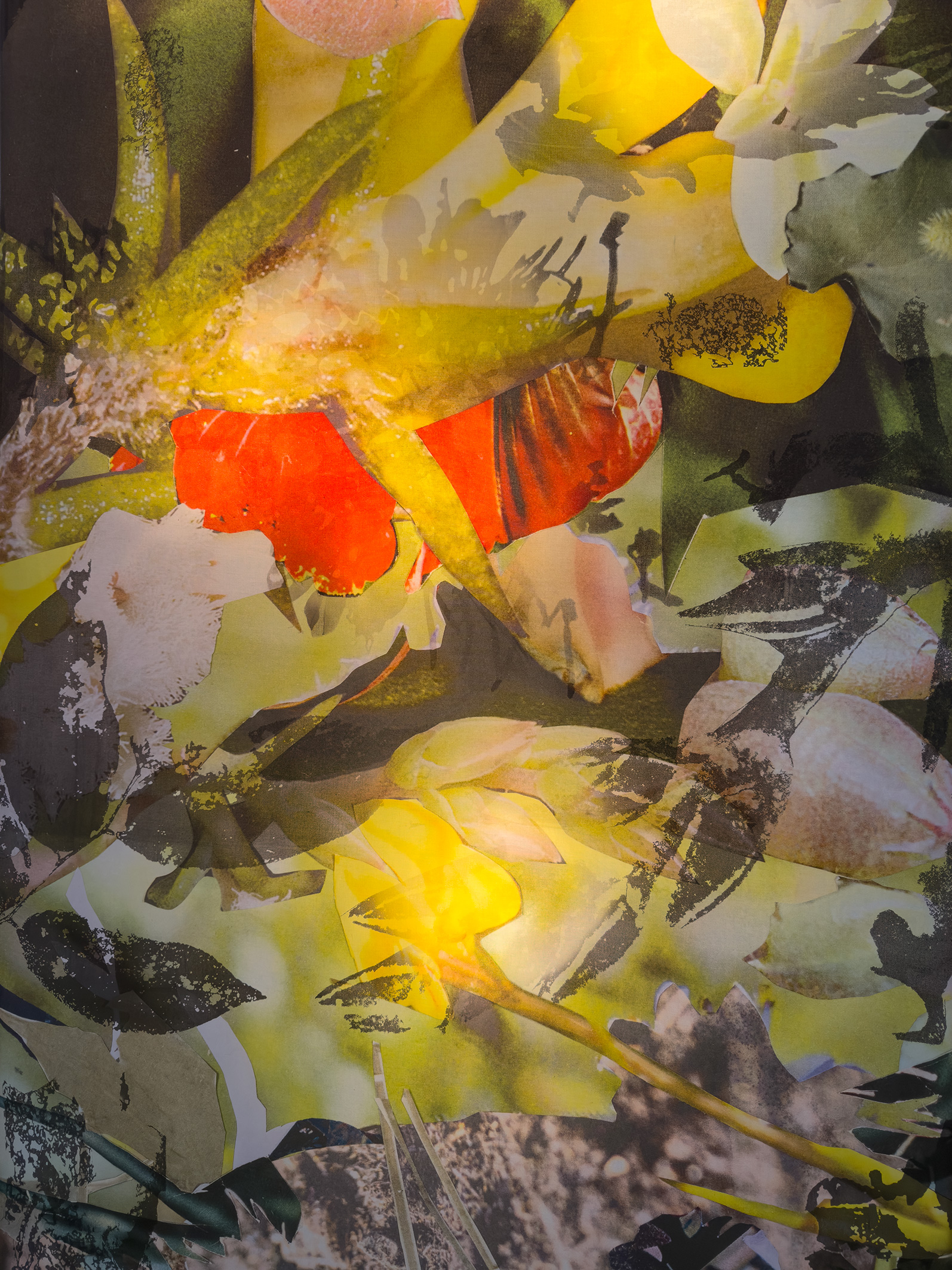
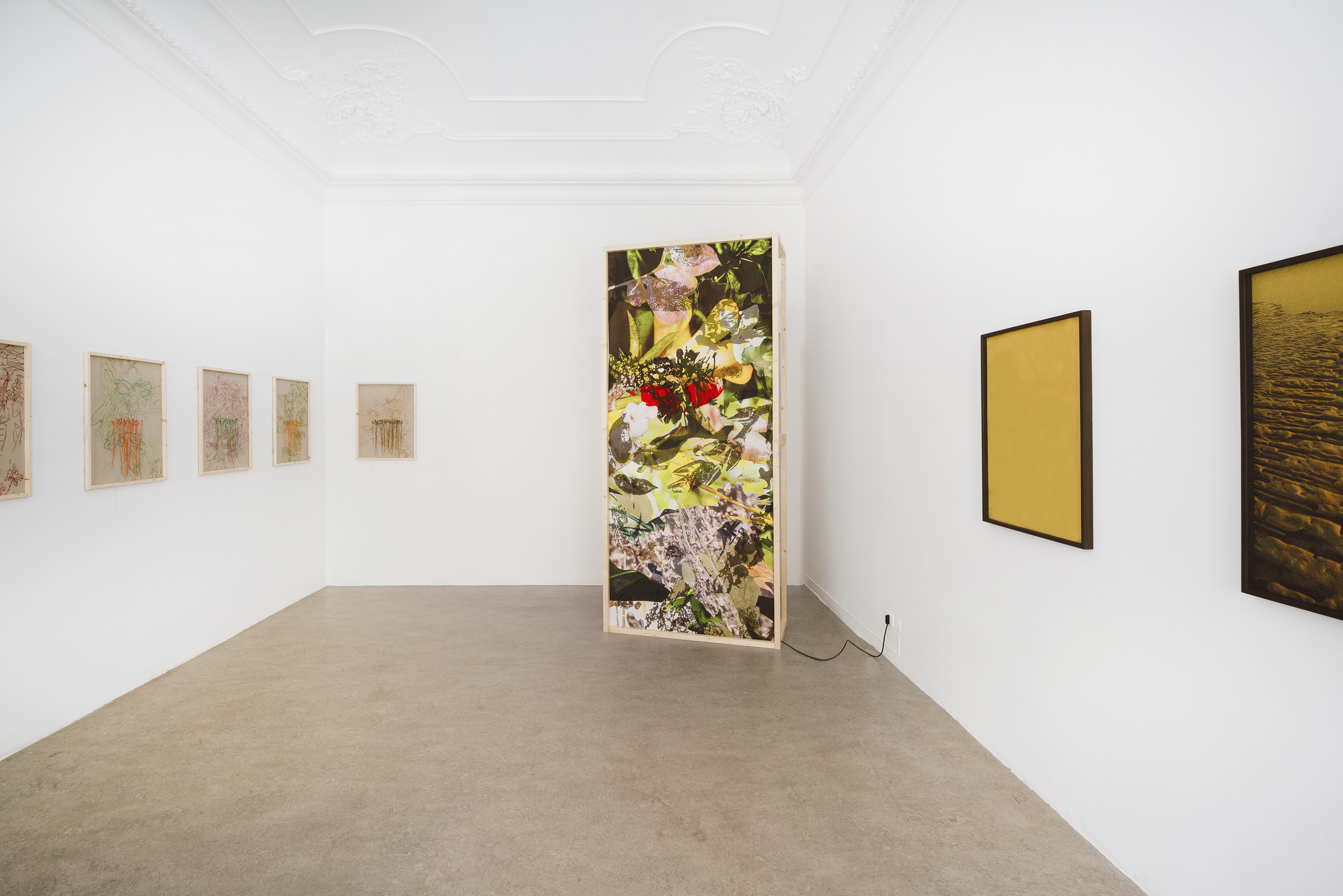
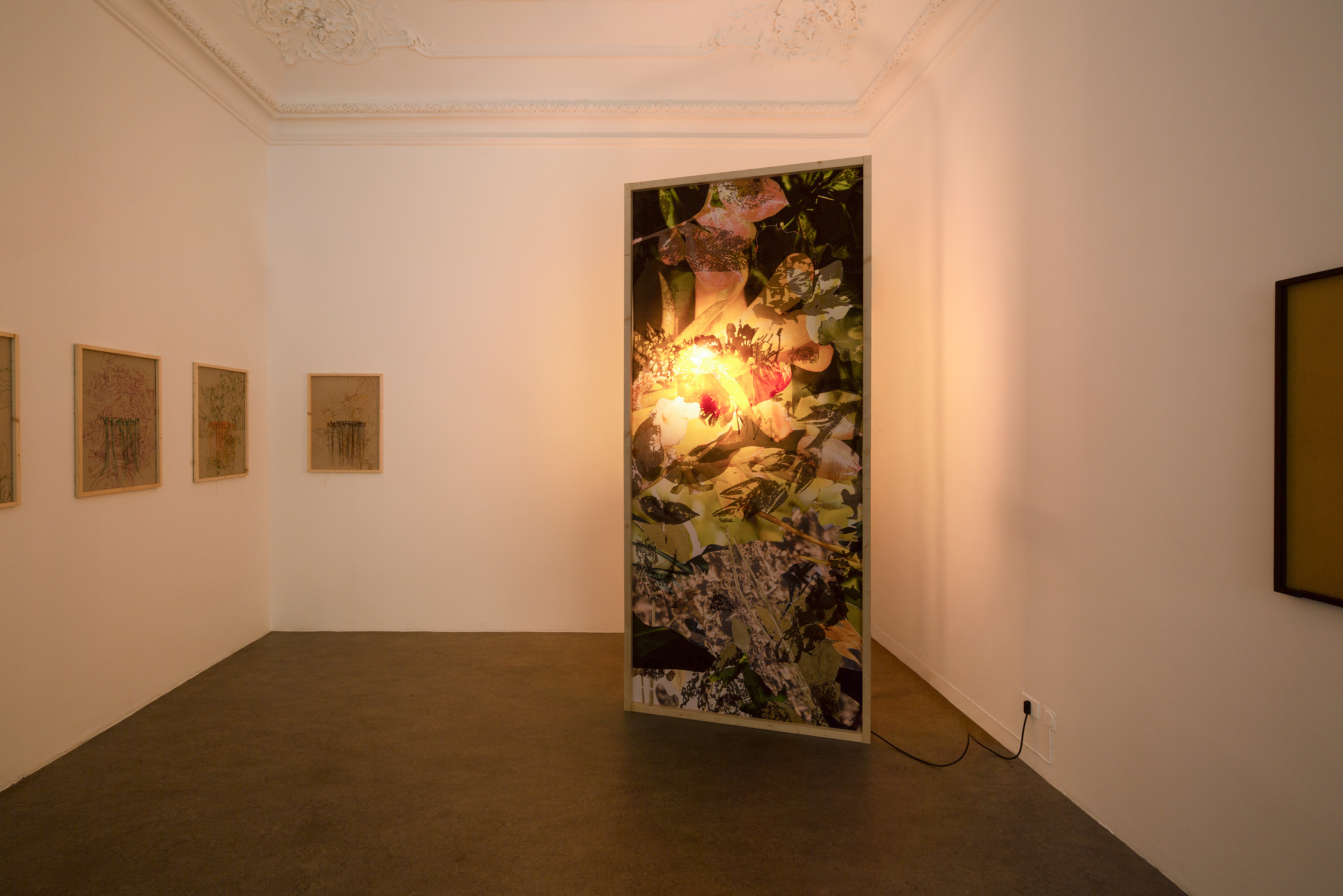
Installation view, Galleria Simóndi, Torino
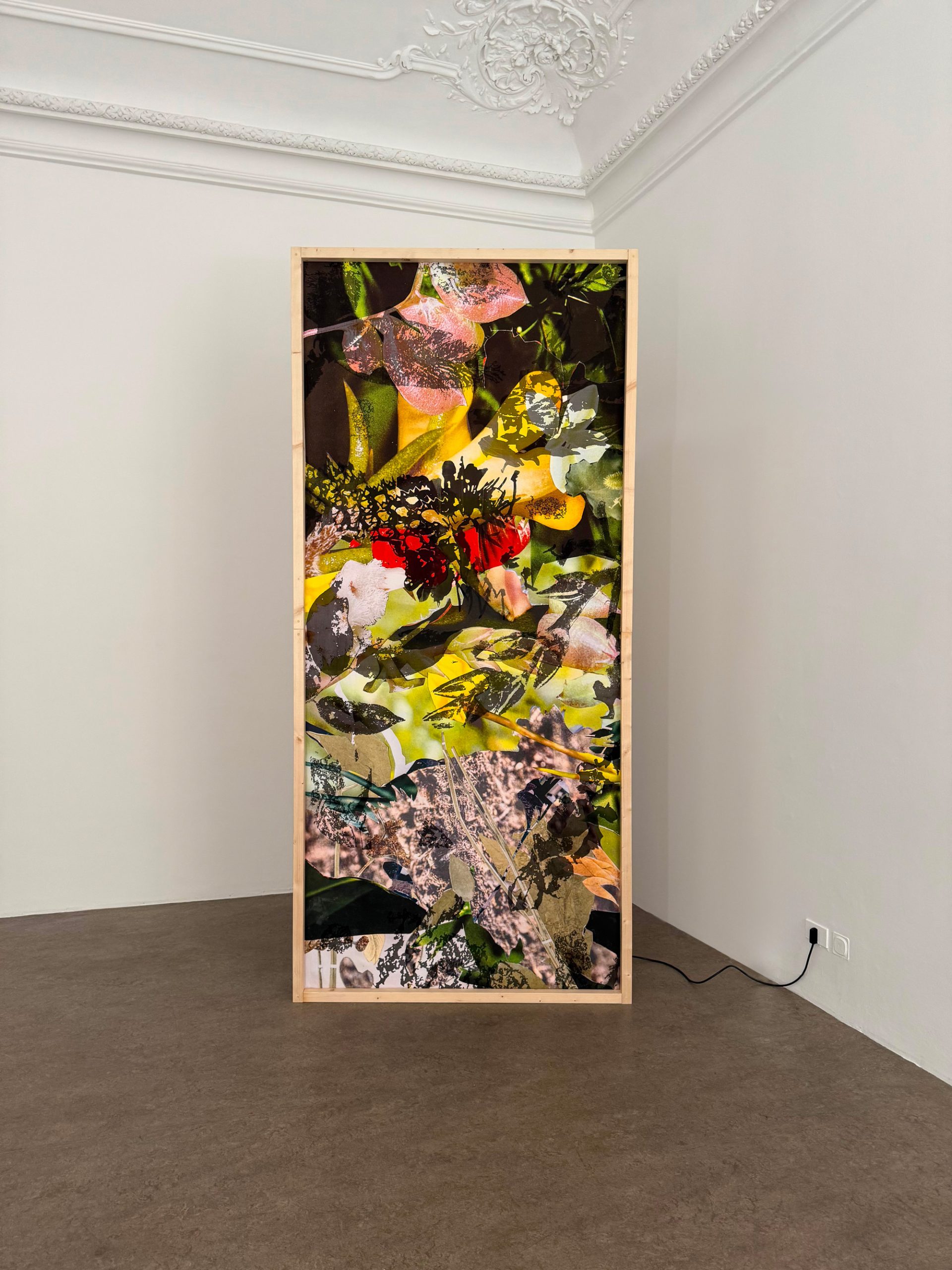
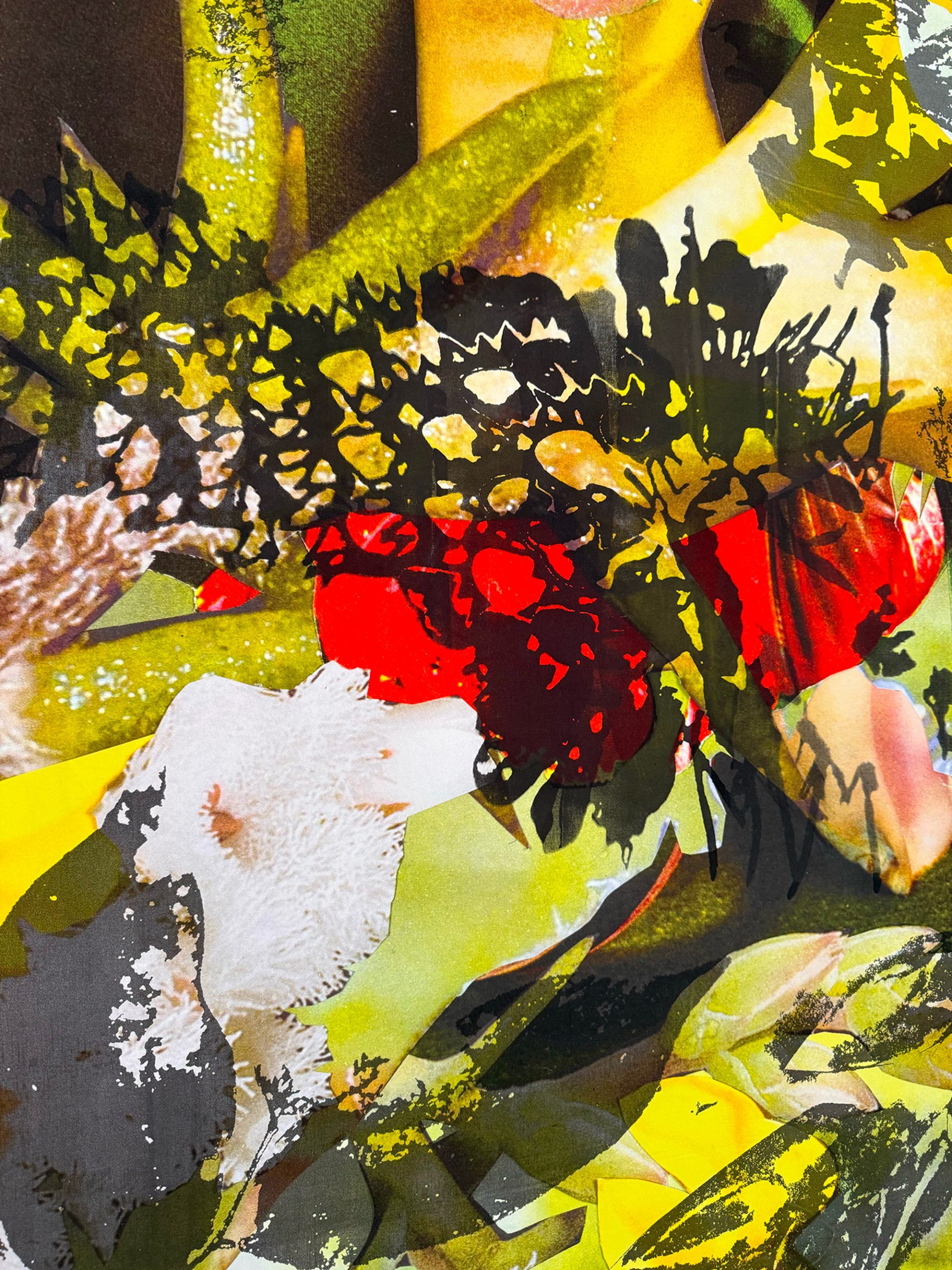
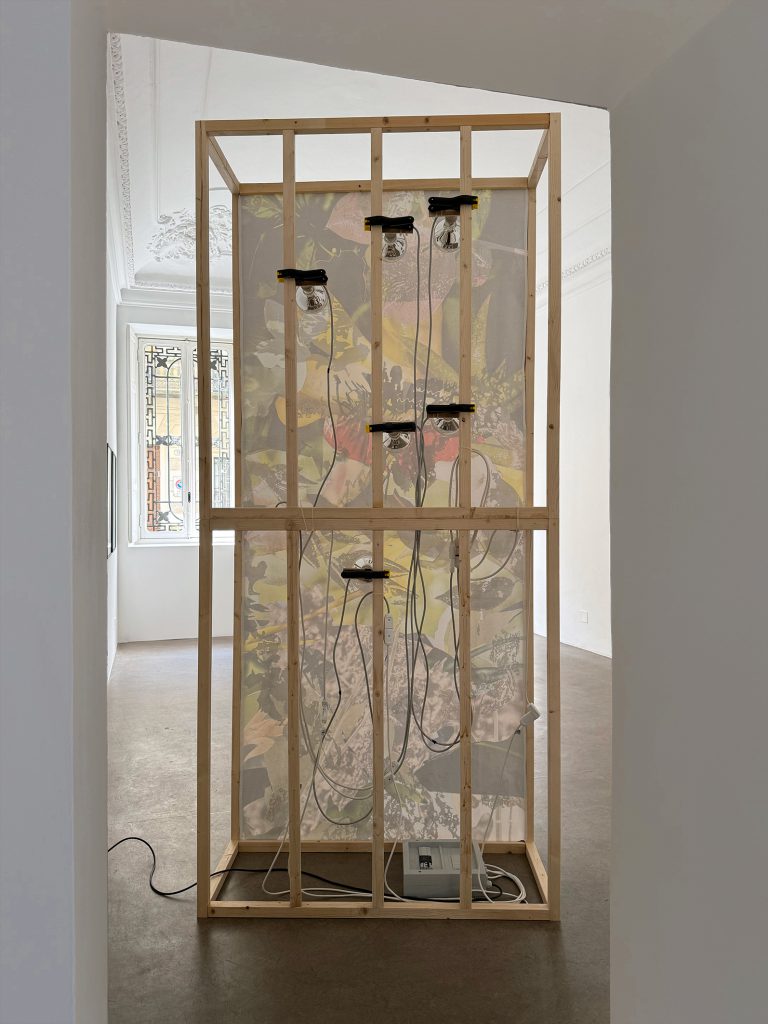
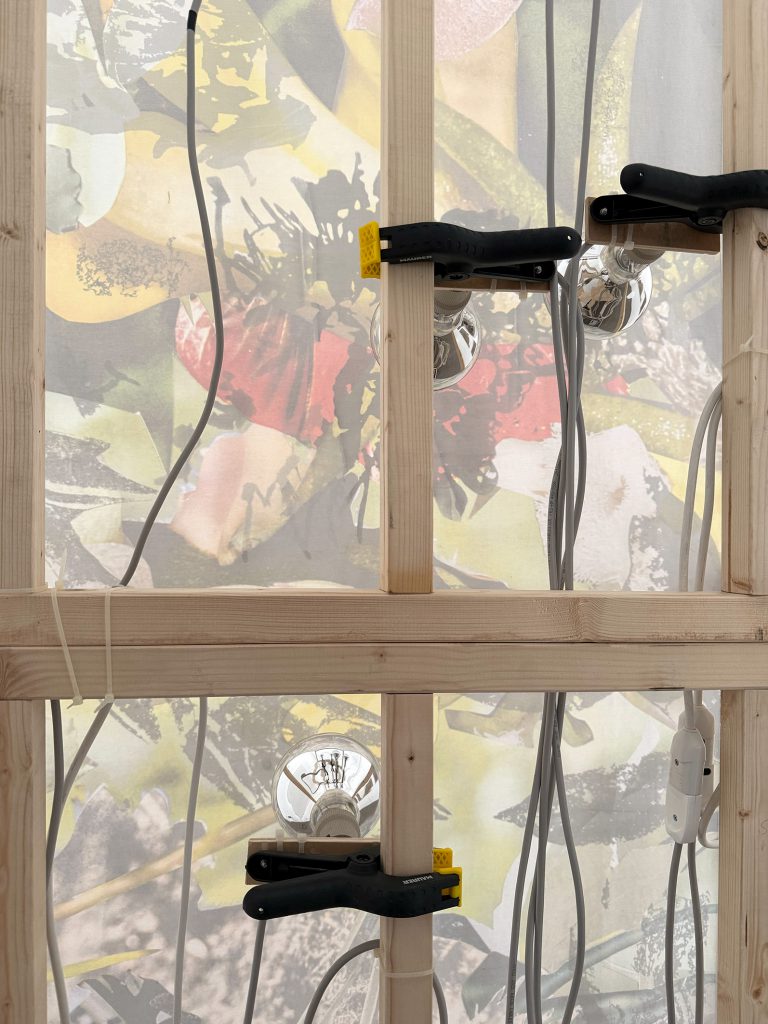
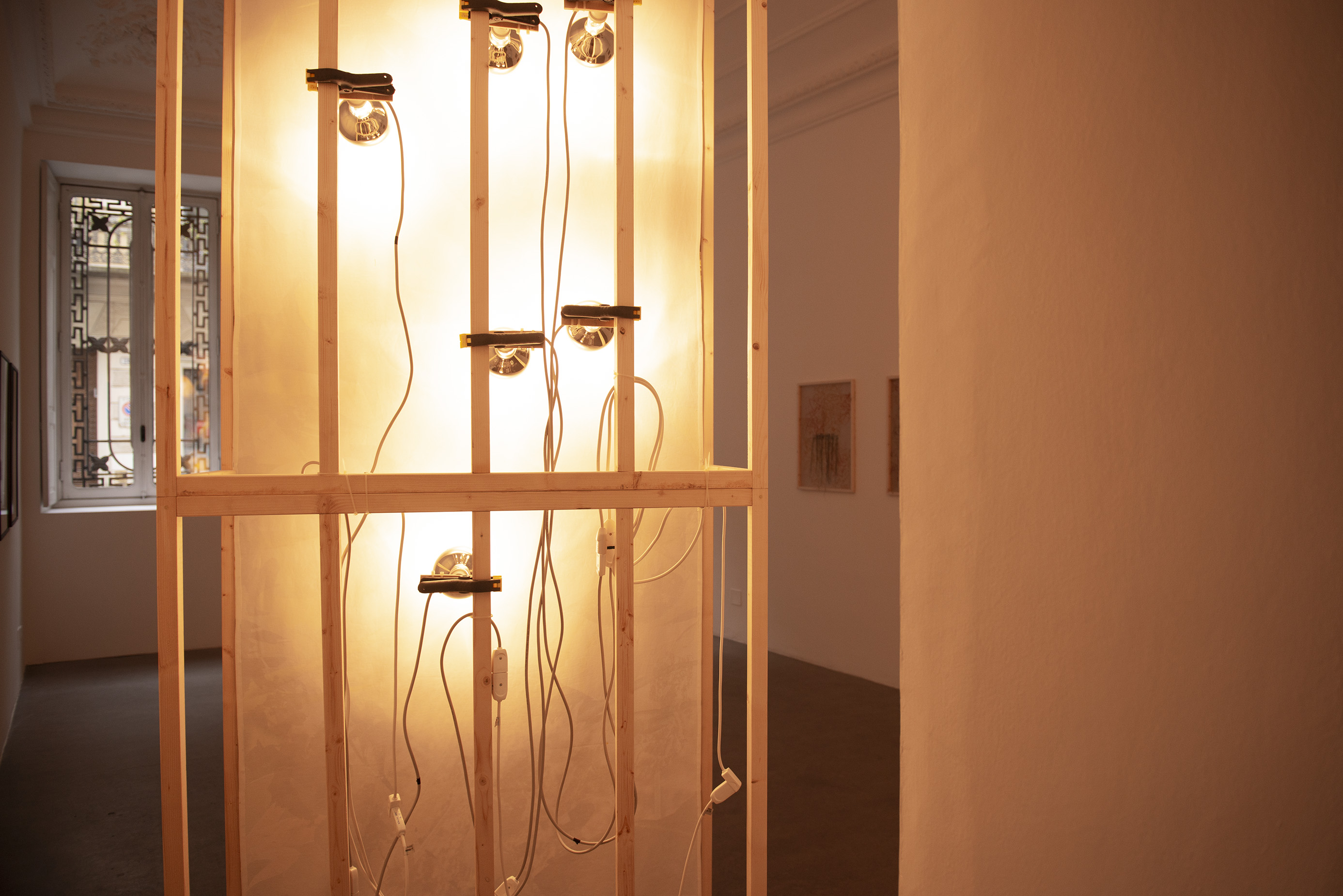
  • Reditus Naturalis sp., 2025
    stampa digitale su tessuto con serigrafia, lampade riscaldanti e legno, 276 x 126 x 55 cm.
    Vista dell’installazione, Forse domani, Galleria Simondi, Torino
  • Dal testo di Martina Angelotti scritto per la mostra FORSE DOMANI, Galleria Simóndi, Torino
  • Testo completo
  • “Reditus naturalis sp. (2025) è la sintesi più articolata di questo studio e mostra visivamente il funzionamento di questi organismi estinti che pian piano ritornano a vivere. L’inchiostro serigrafato sul tessuto in cotone, a contatto col calore delle lampade, lascia trasparire le stampe sottostanti, facendo così riaffiorare quella che un tempo era una pianta estinta, ma che oggi ha ripreso il suo ciclo.”


  1. Reditus Naturalis sp., 2025
    digital print on fabric with screen printing, heating lamps and wood, 276 x 126 x 55 cm.
    Installation view, Galleria Simondi, Torino
  2. From the text by Martina Angelotti written for the show FORSE DOMANI, Galleria Simóndi, Torino
  3. Full text
  4. “Reditus naturalis sp. (2025) is the most complex synthesis of this study. It visually represents the functioning of these once-extinct organisms now slowly returning to life. When exposed to the warmth of lamps, the silk-screened ink on cotton fabric reveals the prints beneath, bringing to light what was once an extinct plant, now resuming its cycle.”

Installation view, Galleria Simóndi, Torino

  • The plants you kill are doing quite well, 2025
  • monotipo ad olio su tessuto, ricamo e legno, 71×55 cm.
  • Dal testo di Martina Angelotti scritto per la mostra FORSE DOMANI, Galleria Simóndi, Torino
  • Testo completo
  • “Non sono solo le banche del germoplasma o gli orti botanici, i custodi della specie. Anche le collezioni degli erbari rappresentano un immenso patrimonio di vita possibile, che necessita di un maggior riconoscimento per contribuire al processo di de-estinzione delle piante. È su questo che l’artista richiama la nostra sensibilità. Con la serie dei monotipi e ricamo su tessuto, dal titolo The plants you kill are doing quite well (2025), l’artista produce una sorta di atto psicomagico, riportando in vita attraverso un processo metamorfico del linguaggio, quelle piante che la scienza ha riscoperto in natura sotto nuove tassonomie. Piante che si credevano estinte, ma che – forse per tenacia forse per afflato di vita – hanno ripreso a vivere dentro altre atmosfere.
    Quello dei monotipi è un nuovo vocabolario ricamato, un atto di cura verso le parole che sovrapponendosi generano una nuova fonetica. Un ringraziamento verso il potere germogliativo della pianta.
    Sopravvivere alle ingerenze antropiche e alle devastazioni ambientali, non è cosa facile per semi che pesano poco meno di un grammo sul palmo di una mano. Eppure, il lavoro di Lucia Veronesi è un gesto di fiducia posto nei confronti della natura e di quello che Anna Tzing chiama la “rinascenza” degli organismi.”


  1. The plants you kill are doing quite well, 2025
  2. monotype on fabric, embroidery and wood, 71×55 cm.
  3. From the text by Martina Angelotti written for the show FORSE DOMANI, Galleria Simóndi, Torino
  4. Full text
  5. “Germplasm banks and botanical gardens are not the only custodians of the species. Herbarium collections, too, represent a vast heritage of potential life, deserving greater recognition to support the de-extinction process. This is the awareness the artist calls upon us to cultivate.
    In the series of monotypes and embroidery on fabric titled The plants you kill are doing quite well (2025), Veronesi performs a kind of psychomagical act, bringing back to life, through a metamorphic language process, those plants science has rediscovered in nature under new taxonomies. Plants once thought extinct but now, perhaps through sheer tenacity or a breath of life, have returned to existence in new environments.
    These monotypes become a new embroidered vocabulary, a gesture of care for the words that, layered upon one another, generate a new phonetic system. A gesture of gratitude for the plant’s germinative power.
    Surviving human interference and environmental destruction is no small feat for seeds that weigh less than a gram in the palm of a hand. Yet Lucia Veronesi’s work is a gesture of faith in nature and in what Anna Tsing calls the “resurgence” of organisms”.


Installation view,Galleria Simóndi, Torino
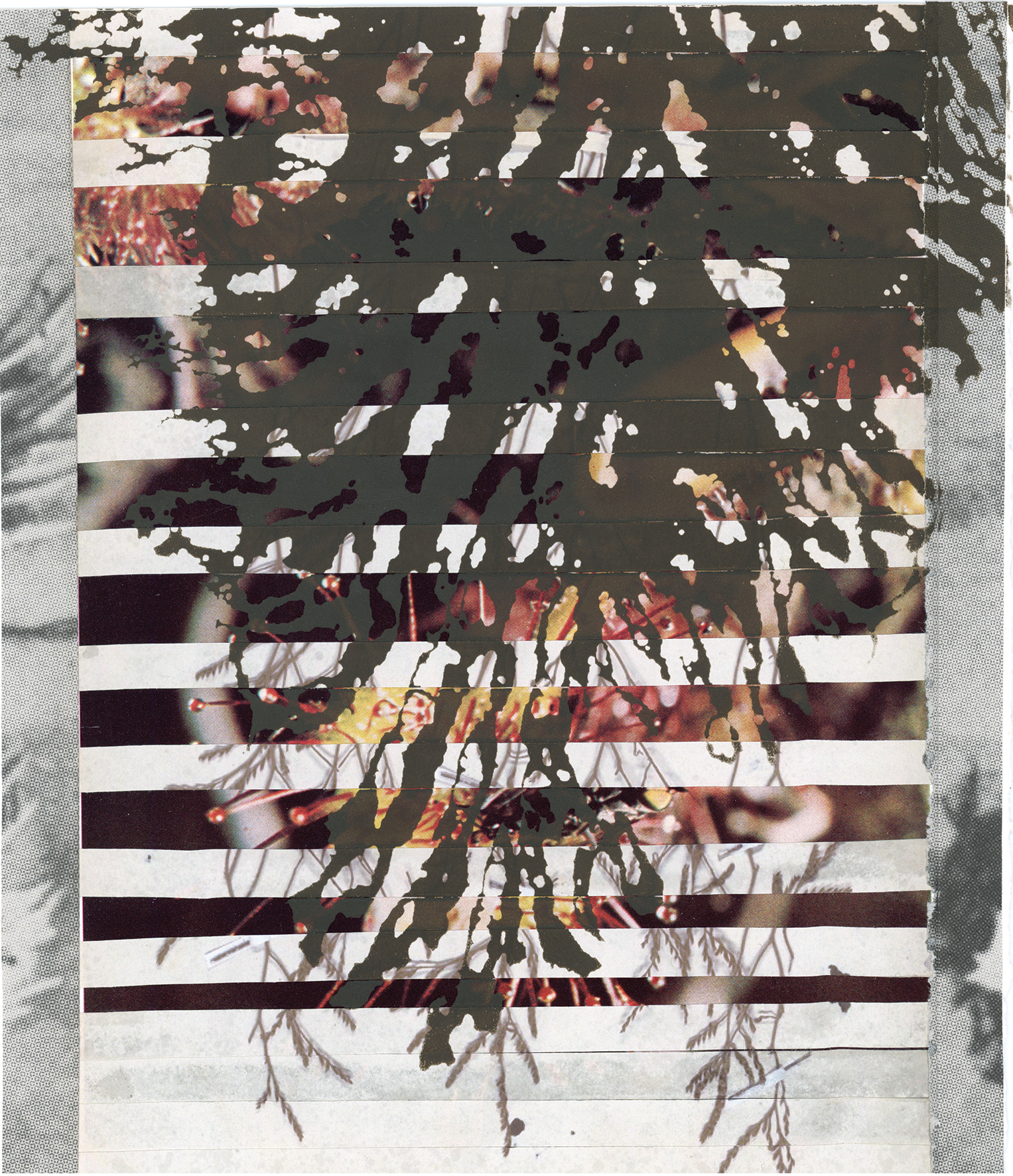
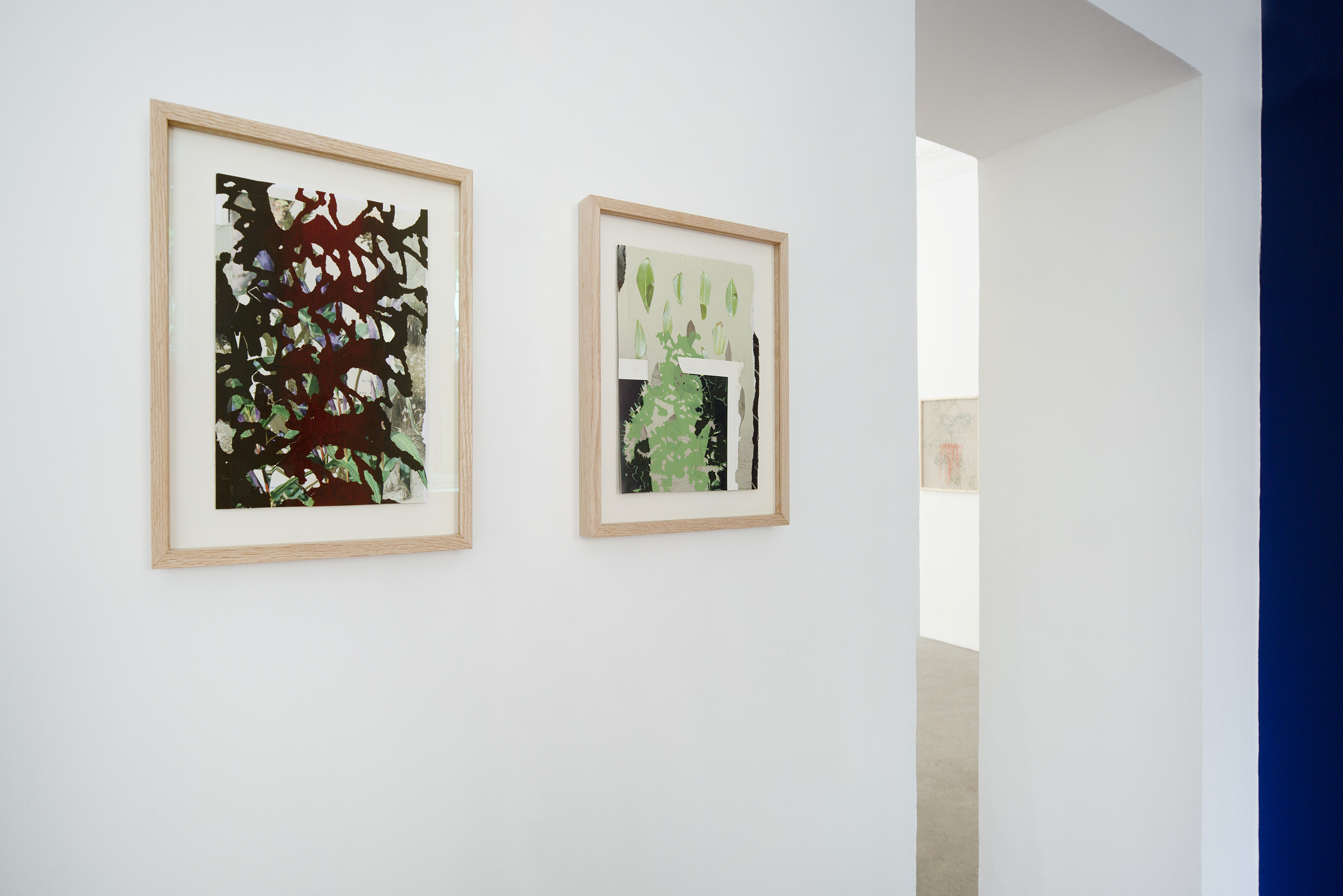
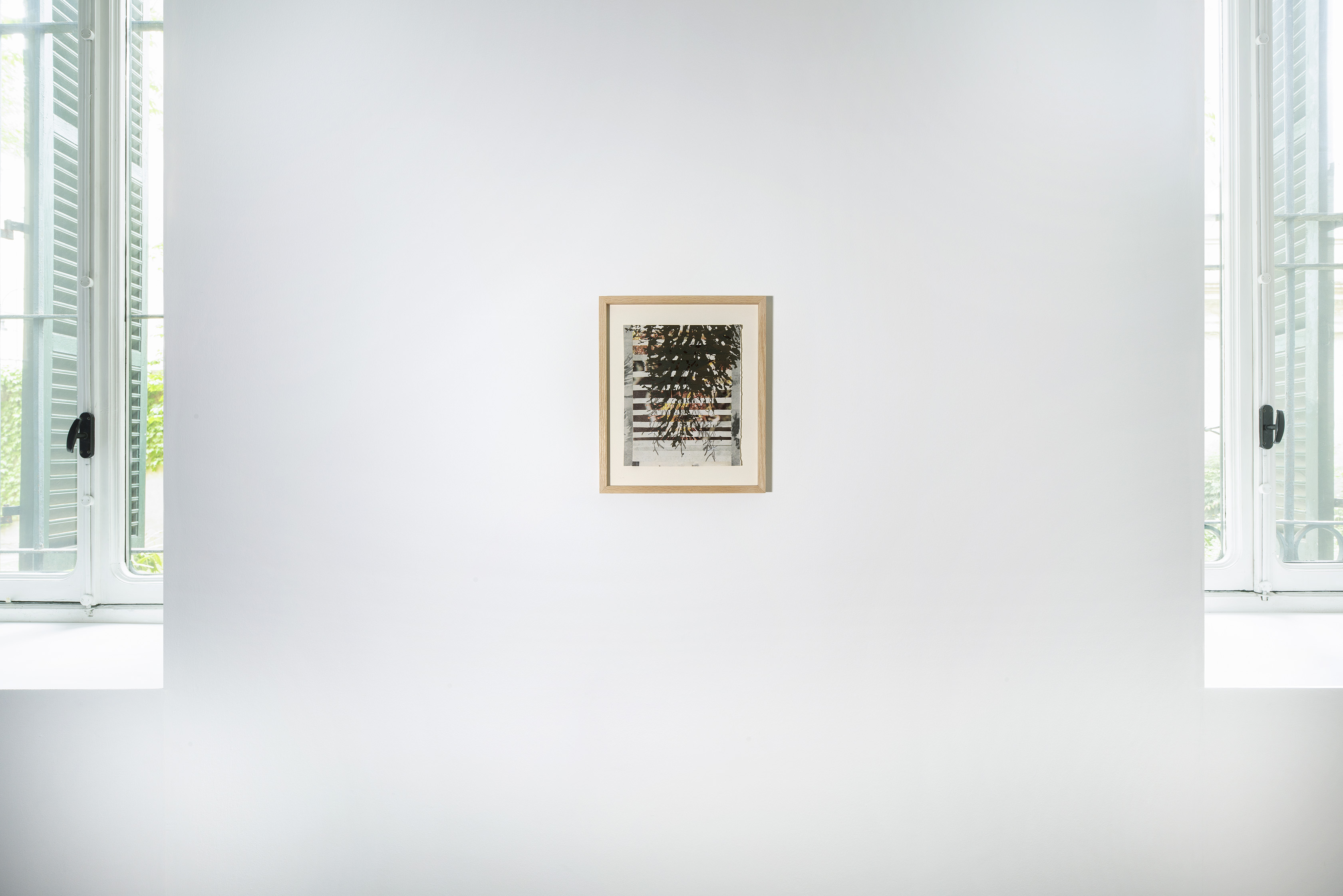
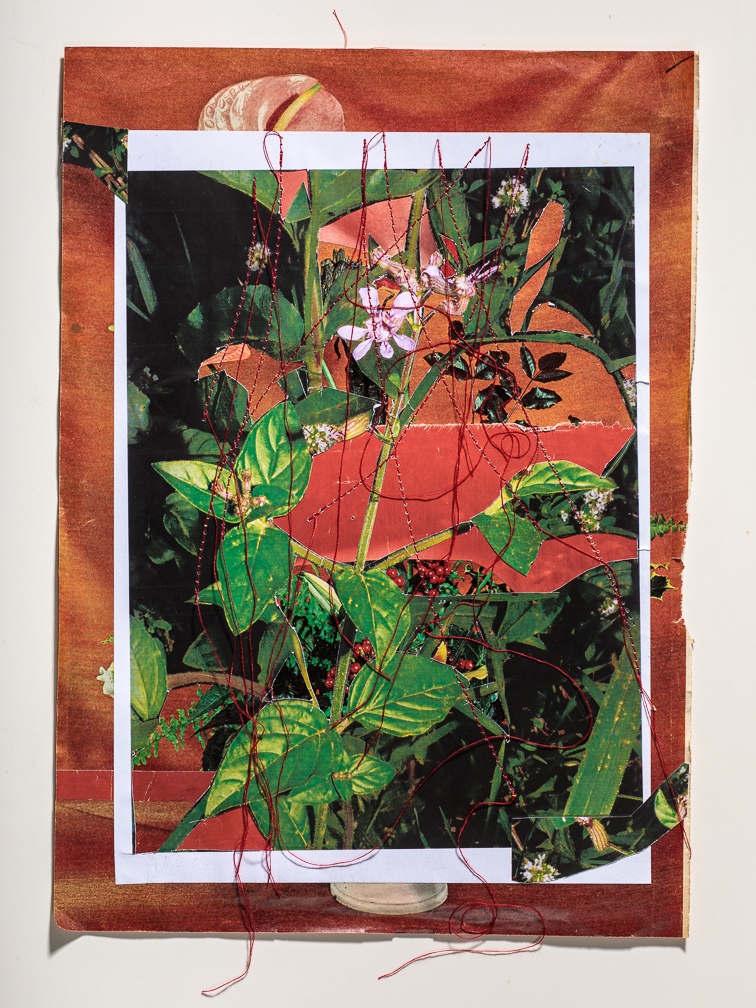
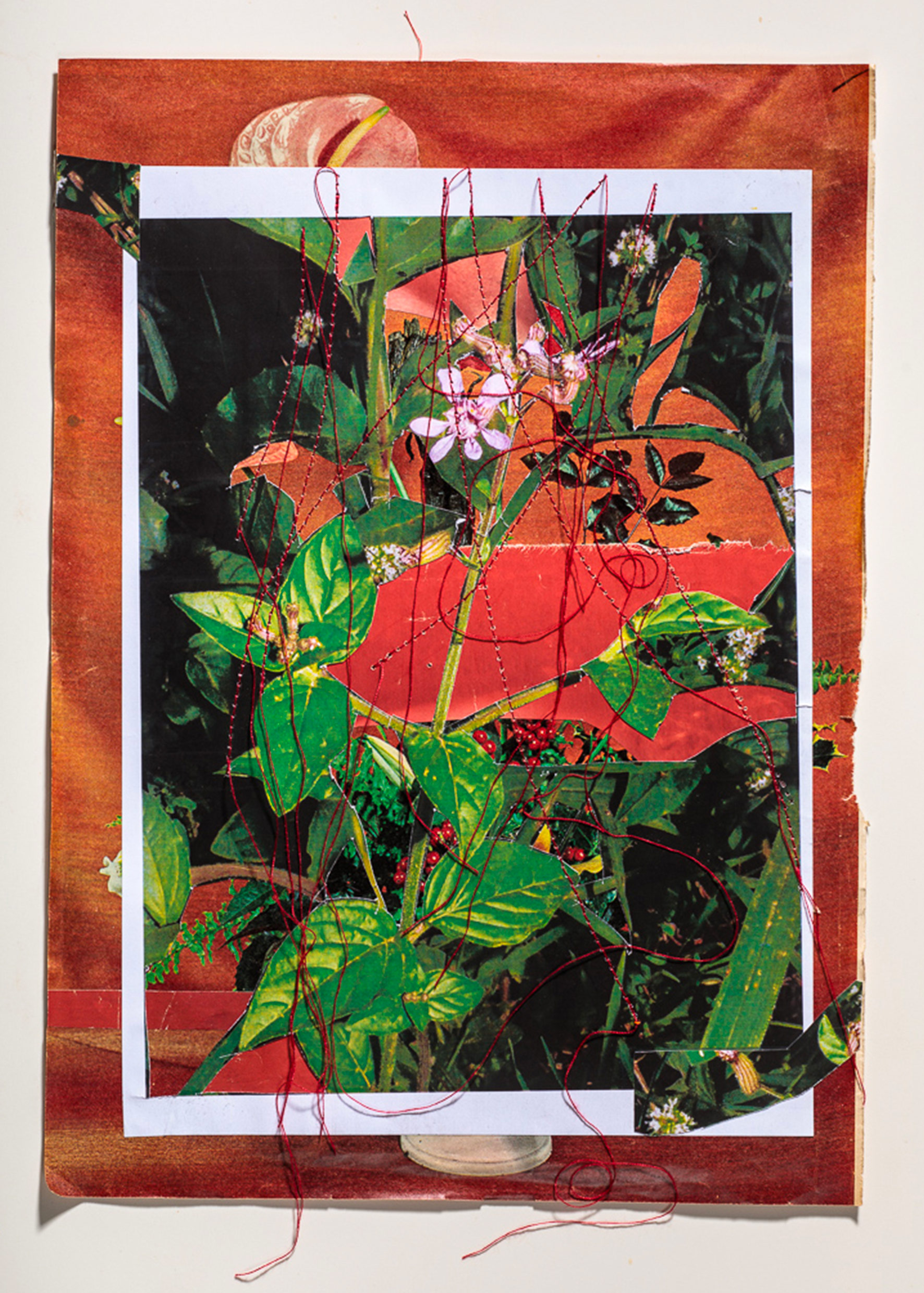
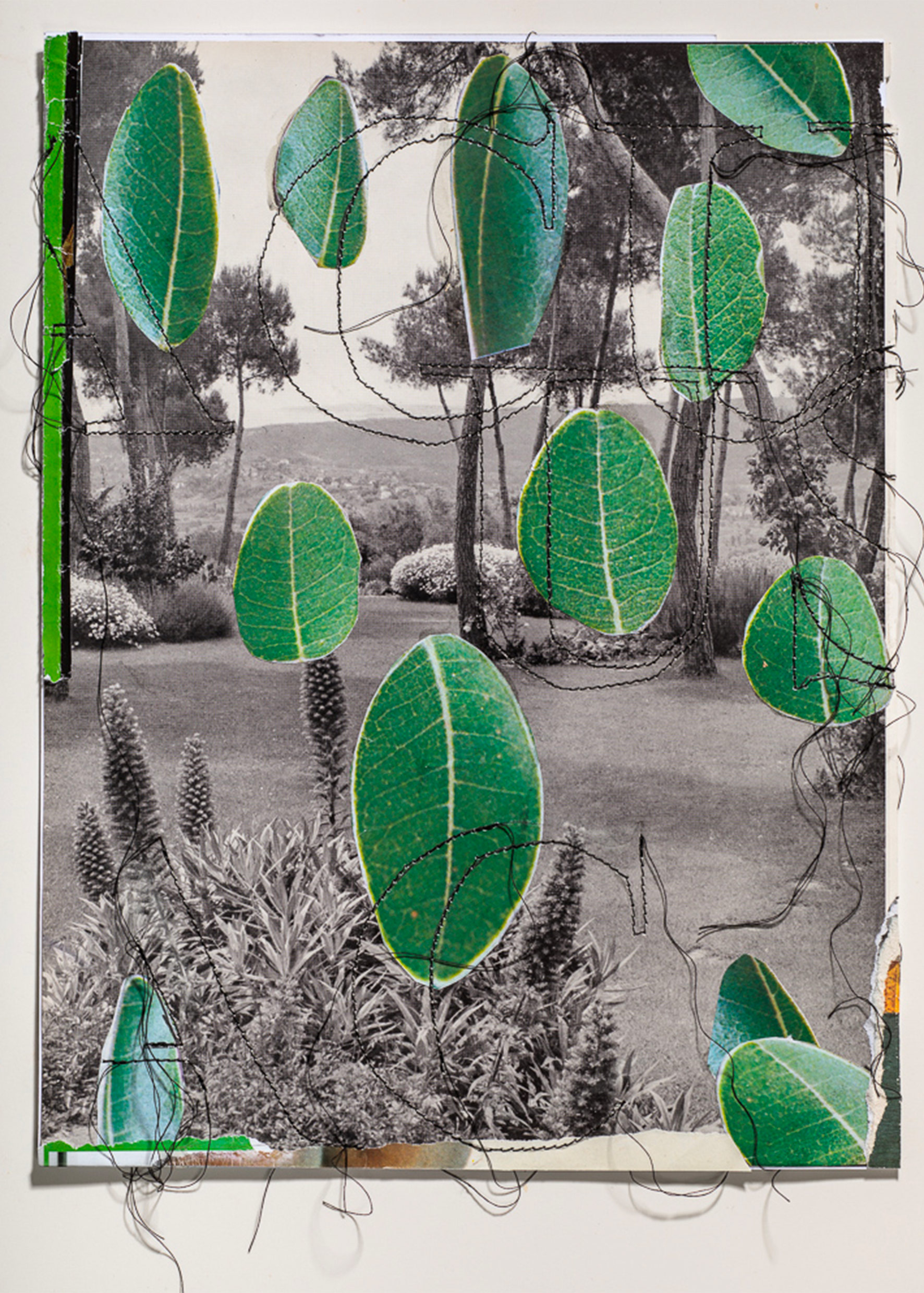
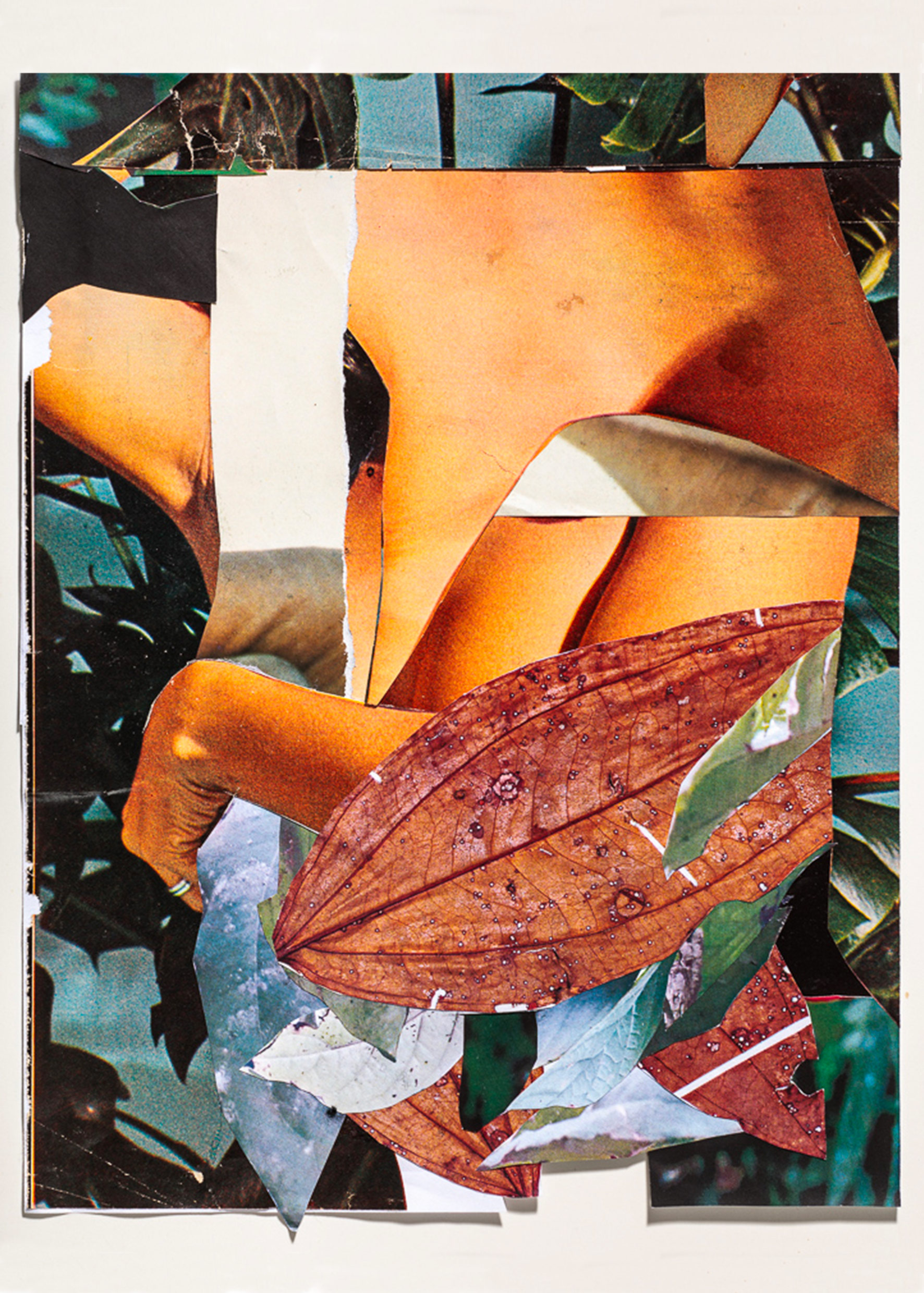
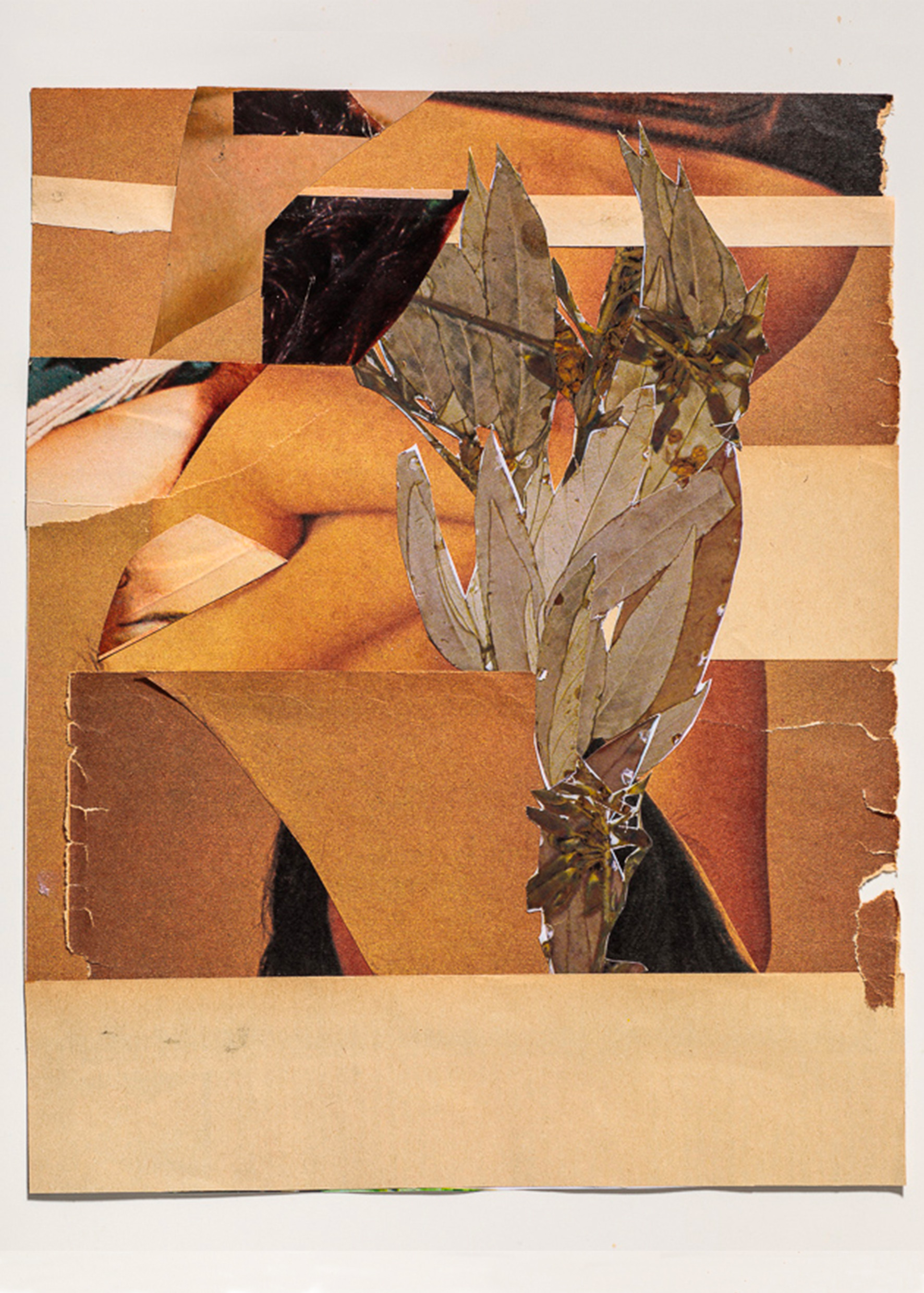
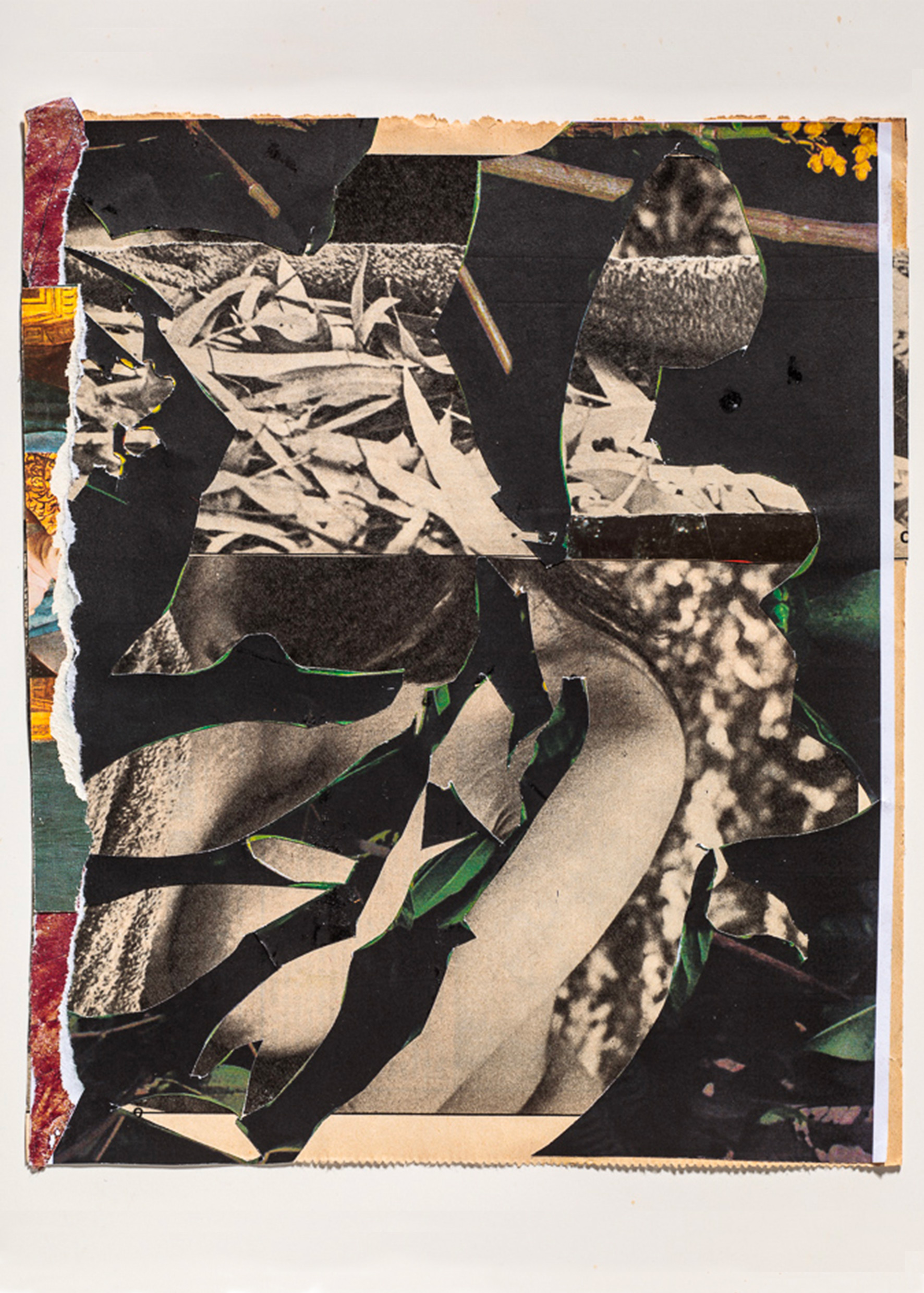
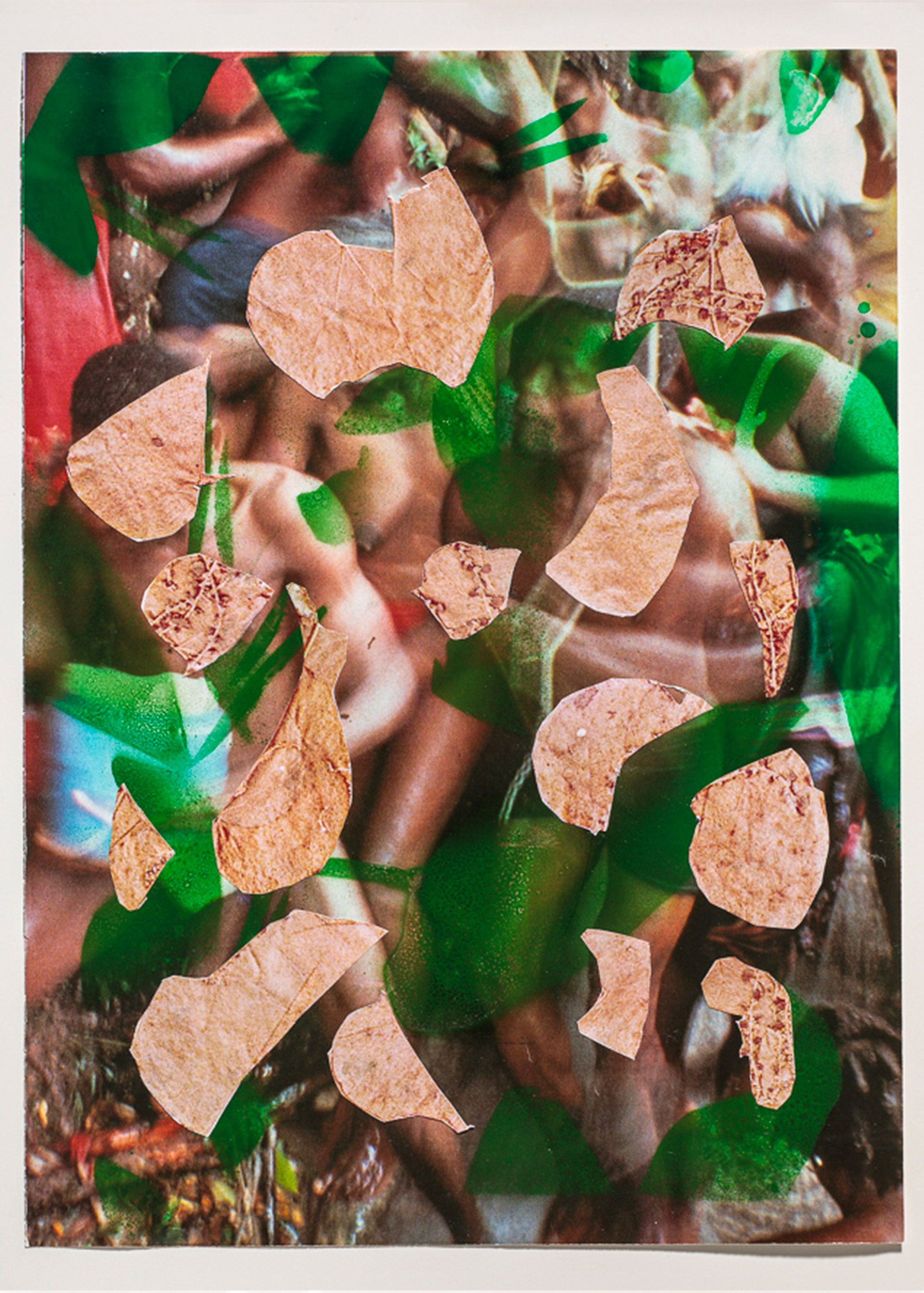
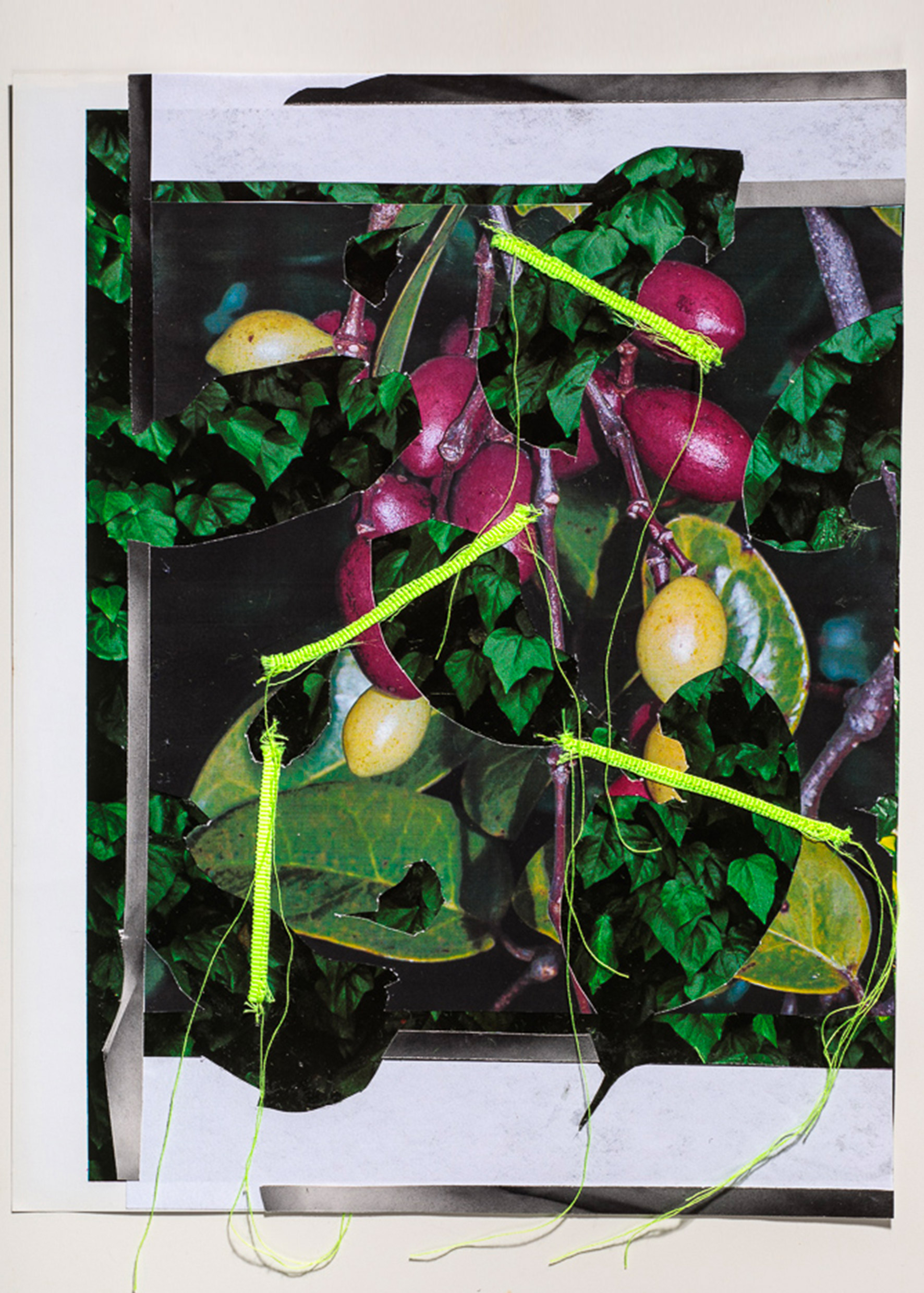
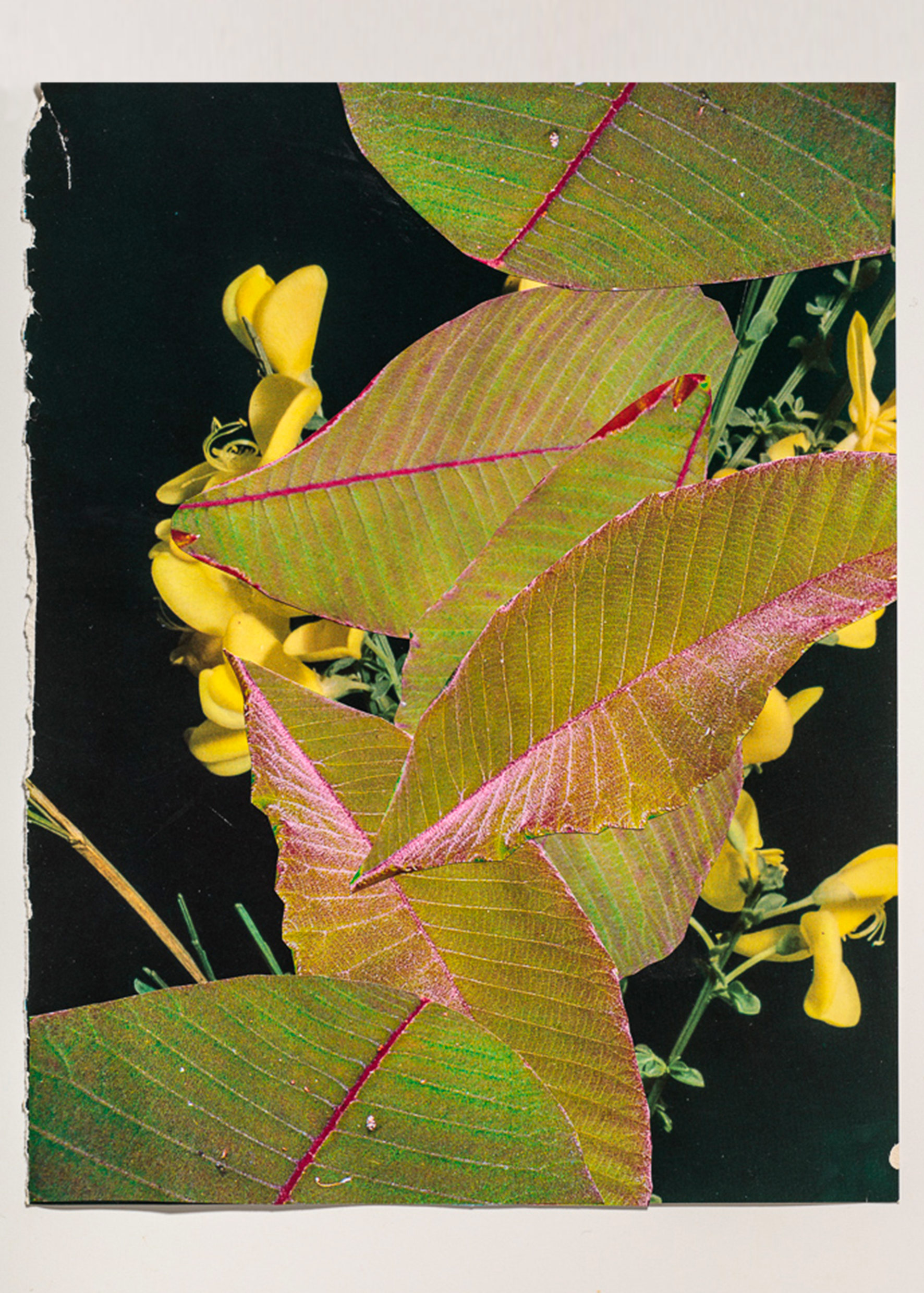
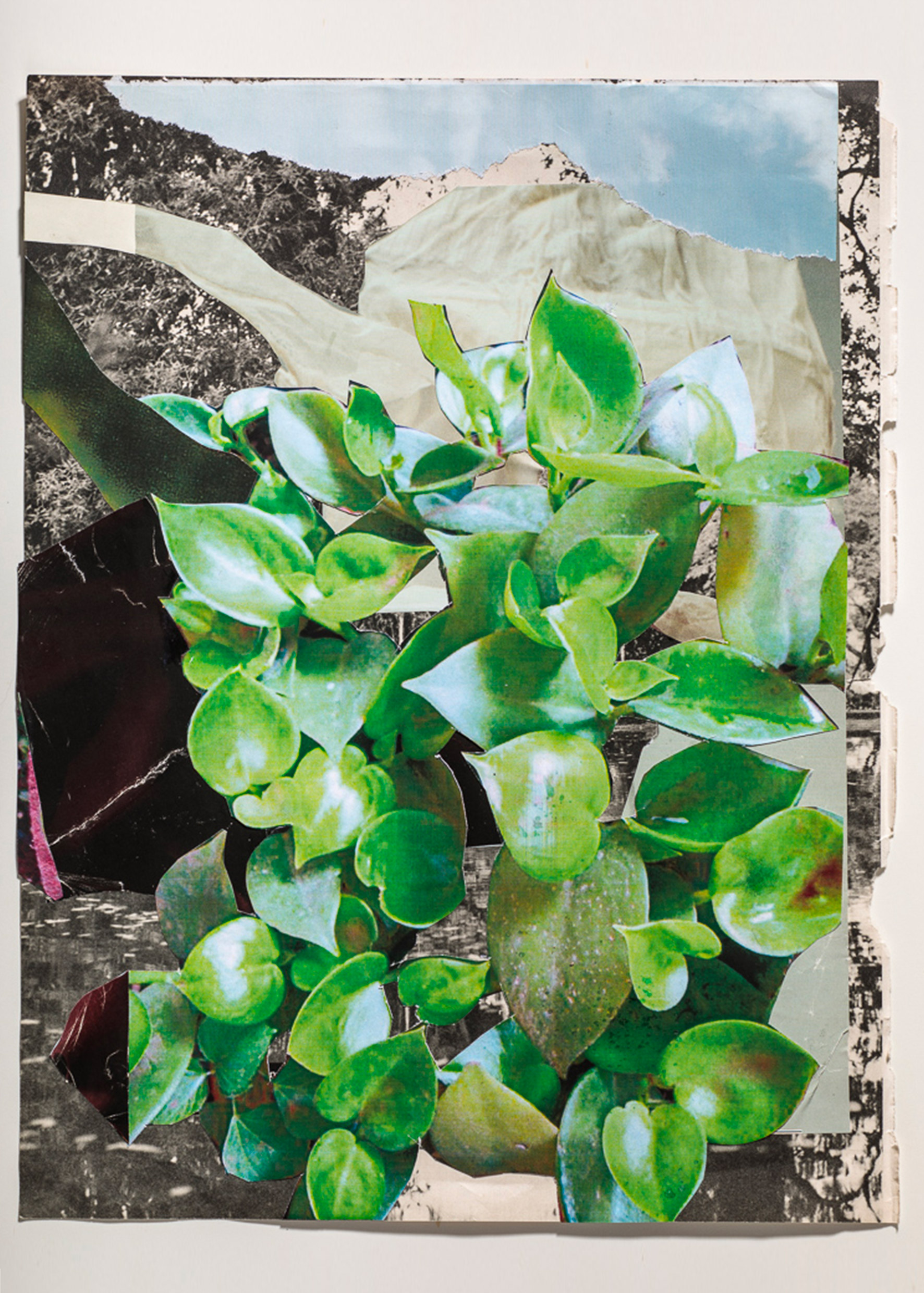
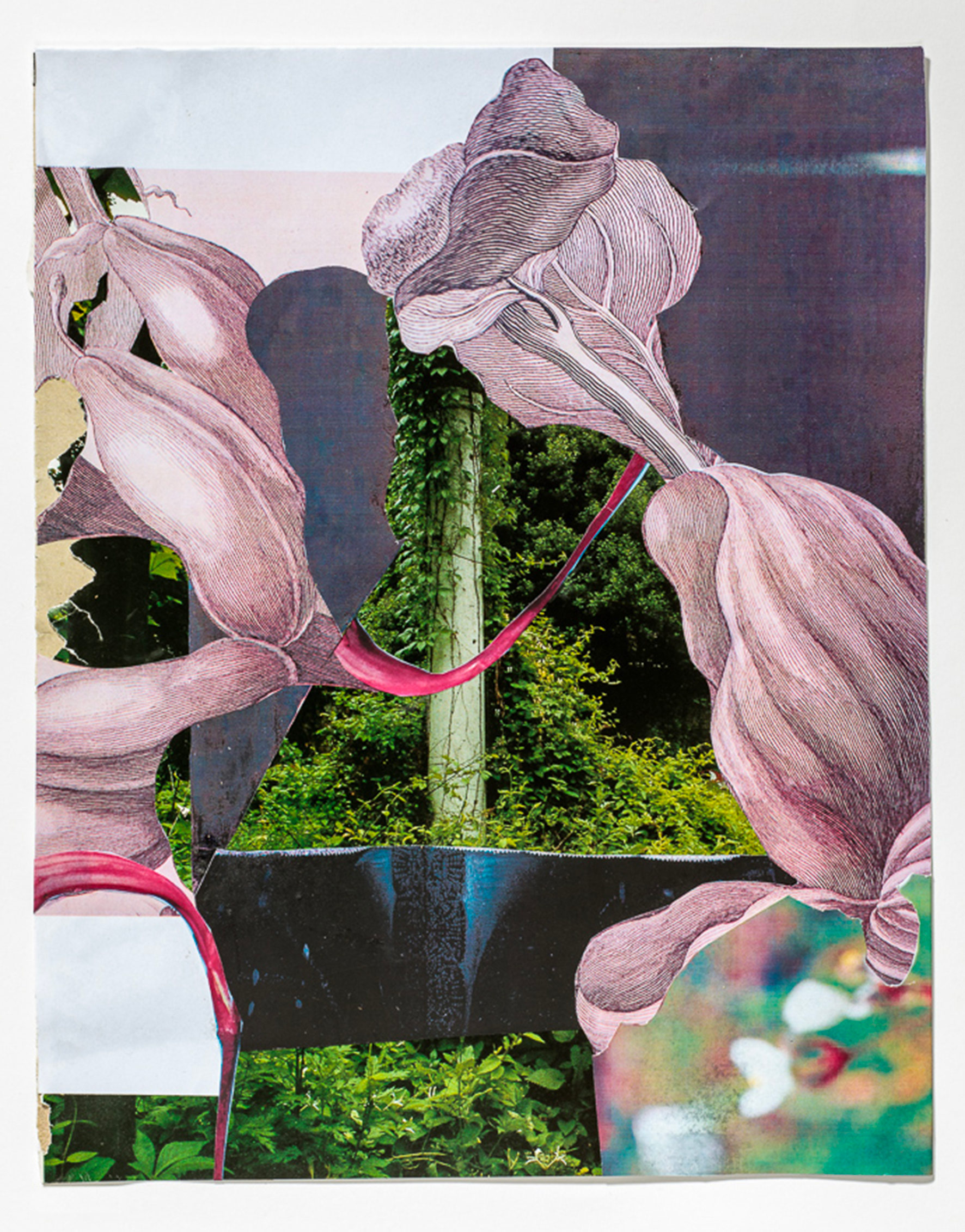
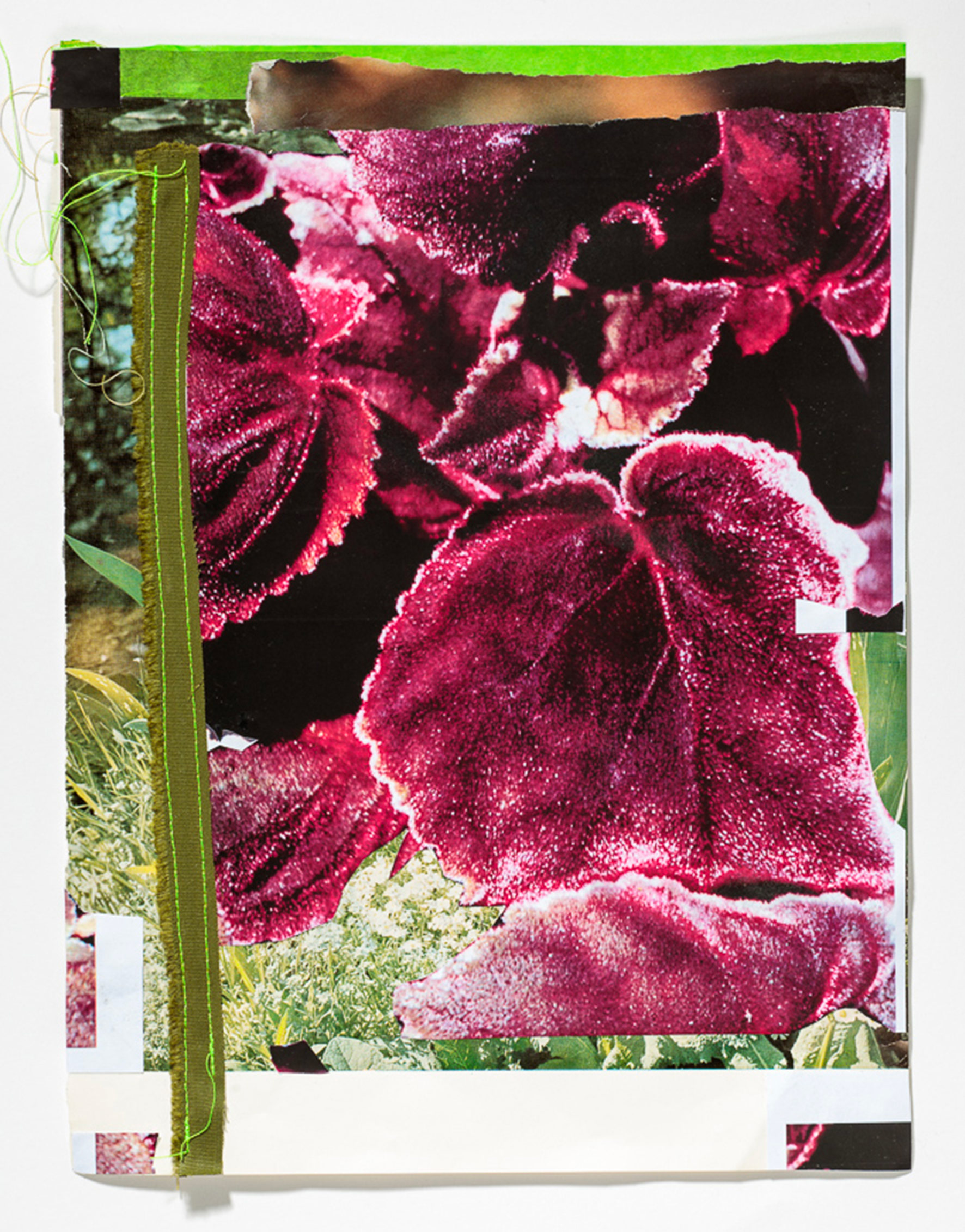
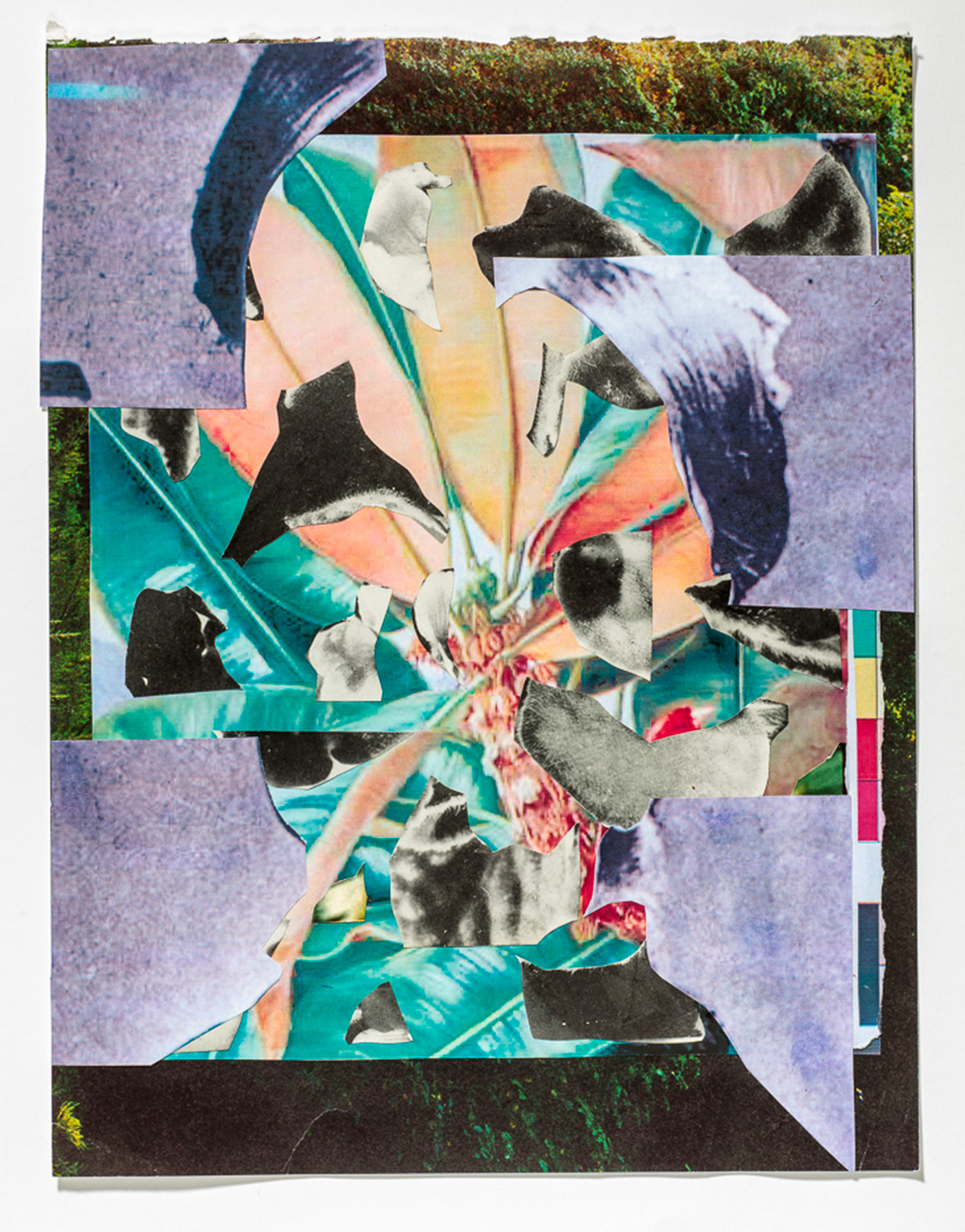
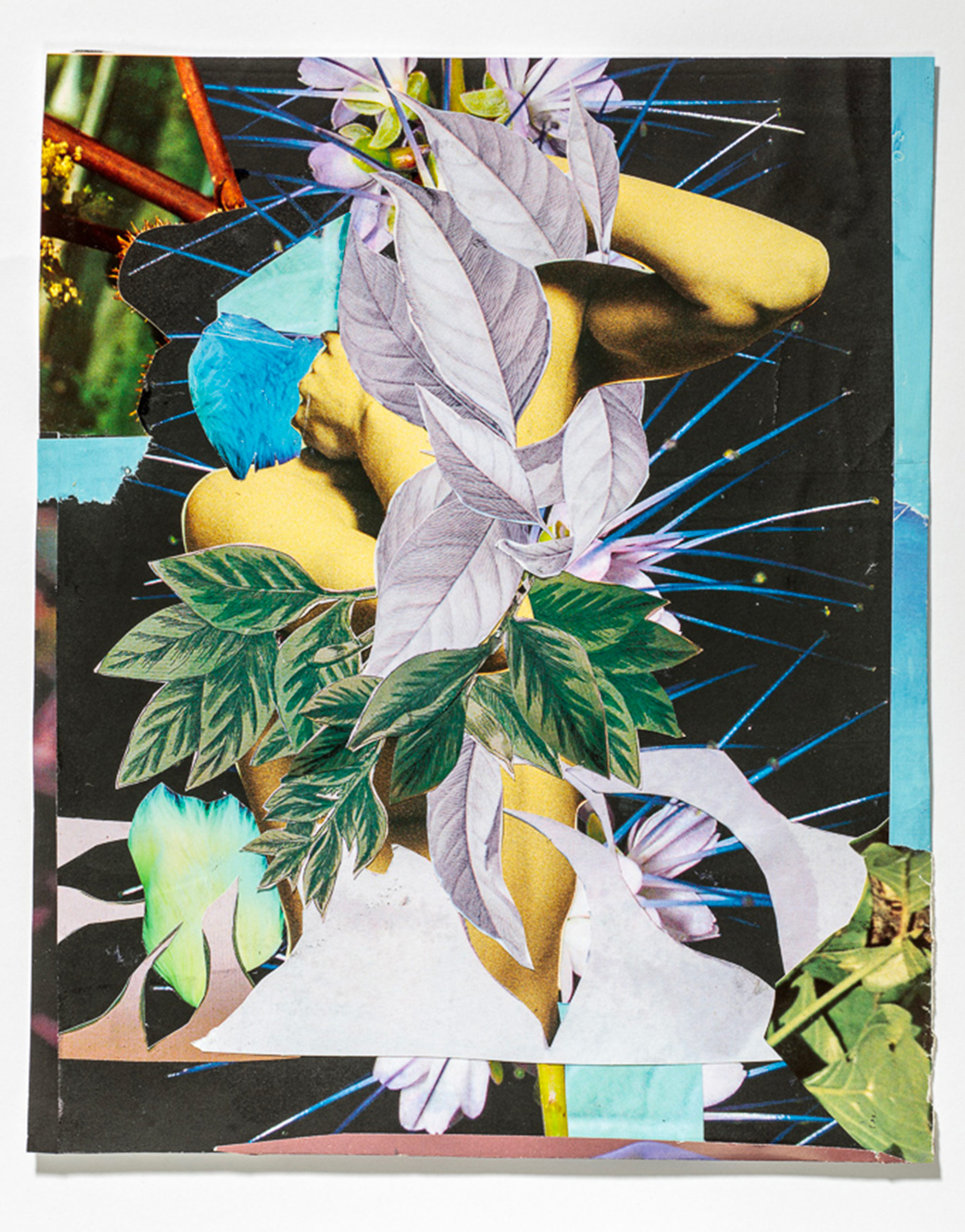
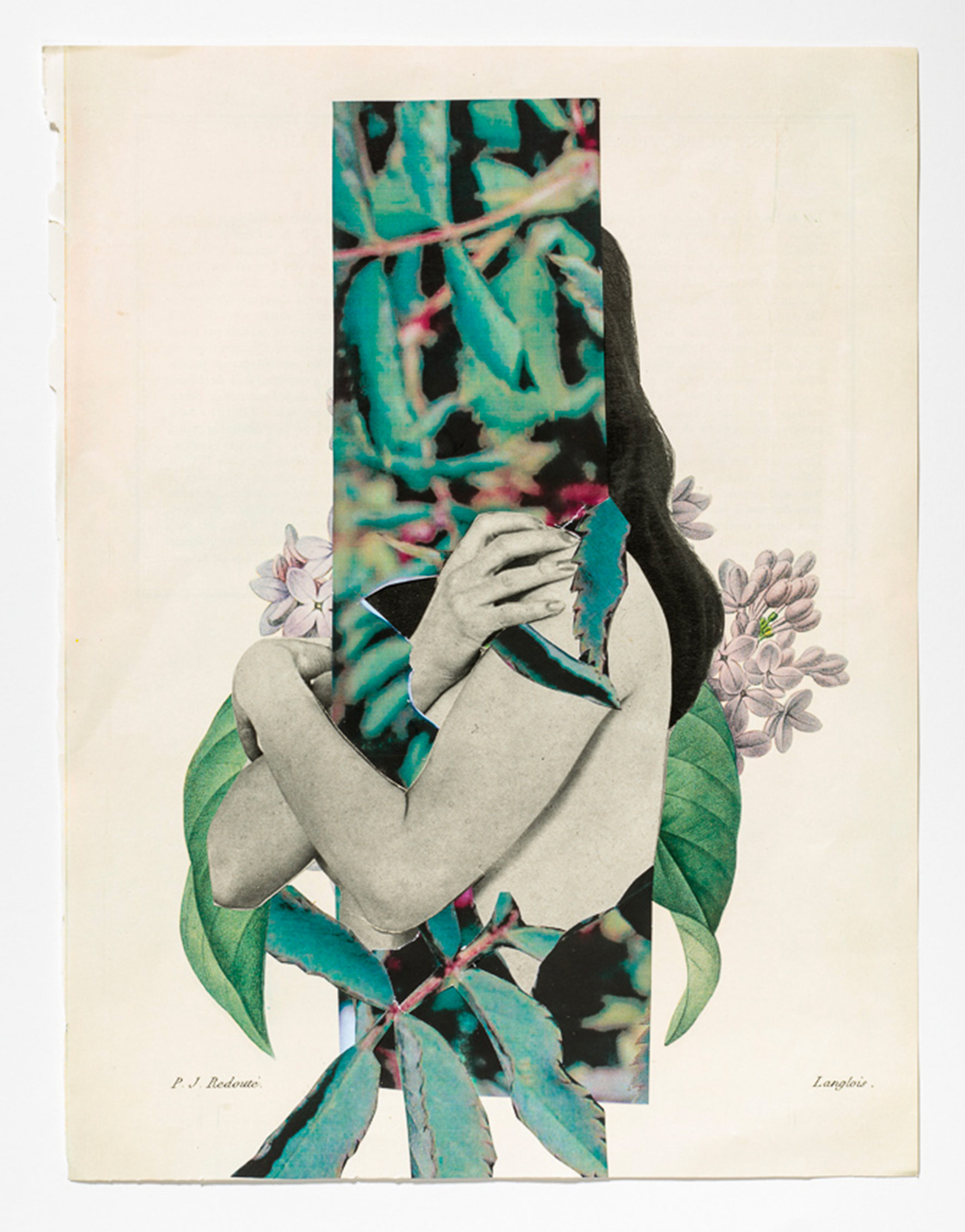
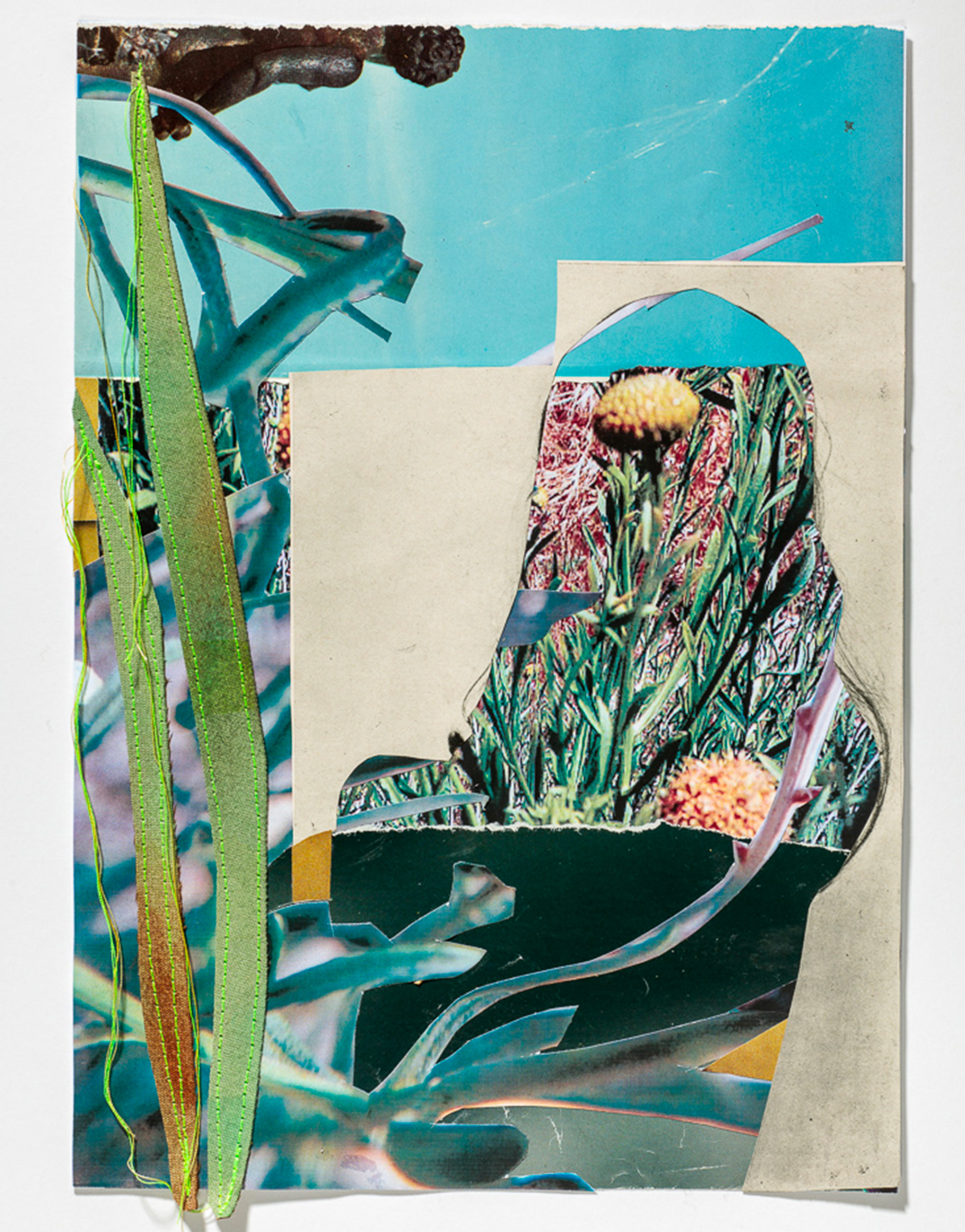
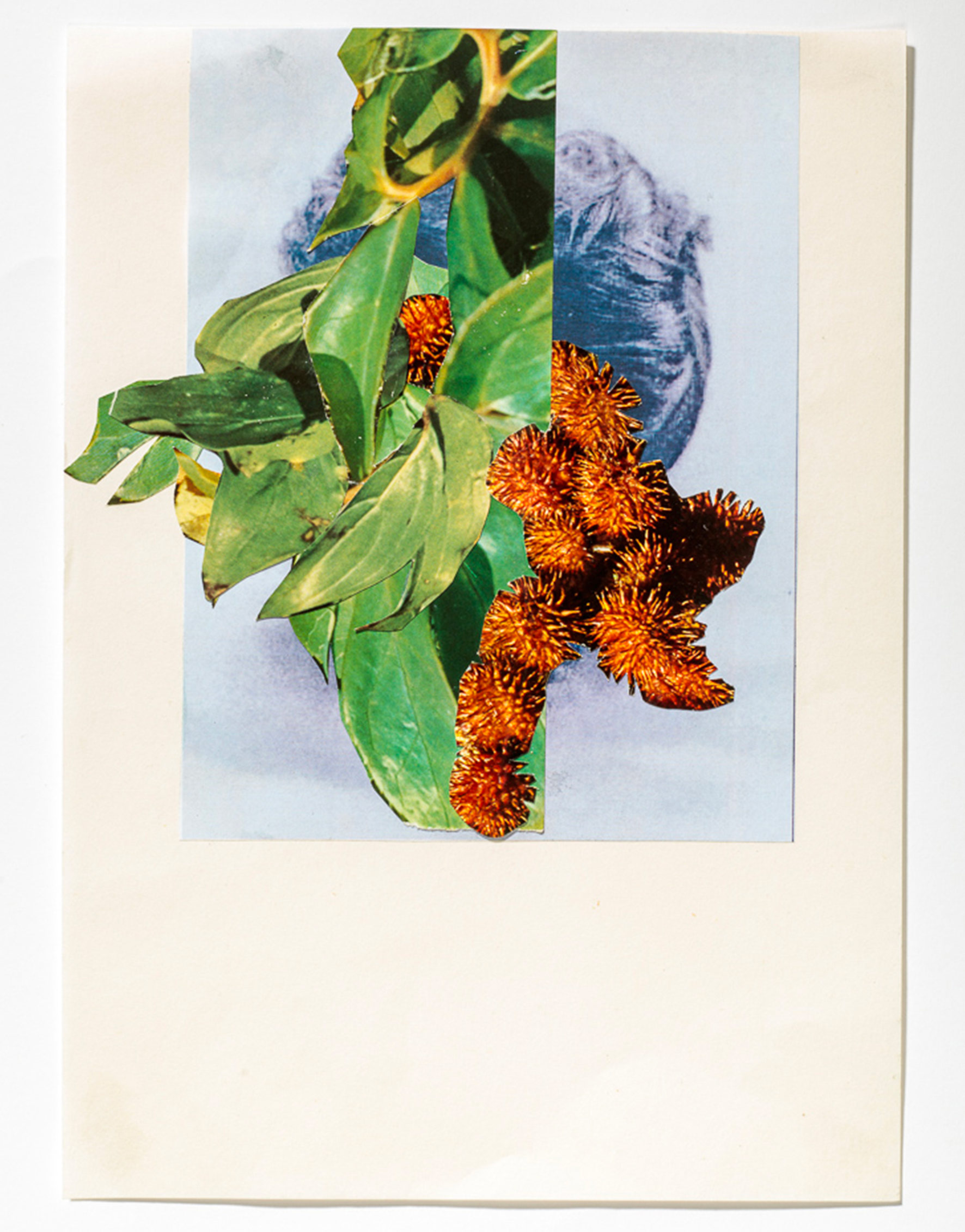
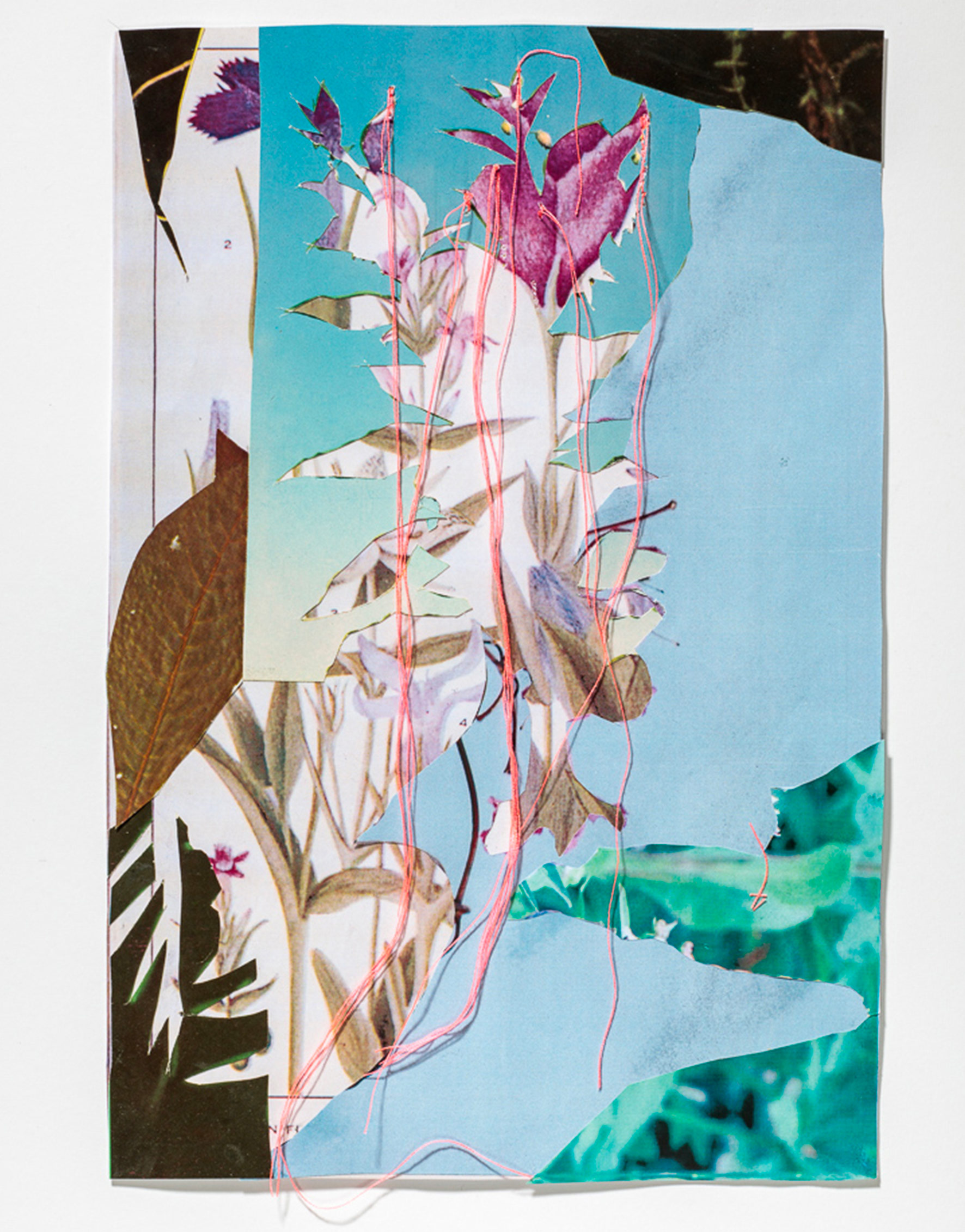
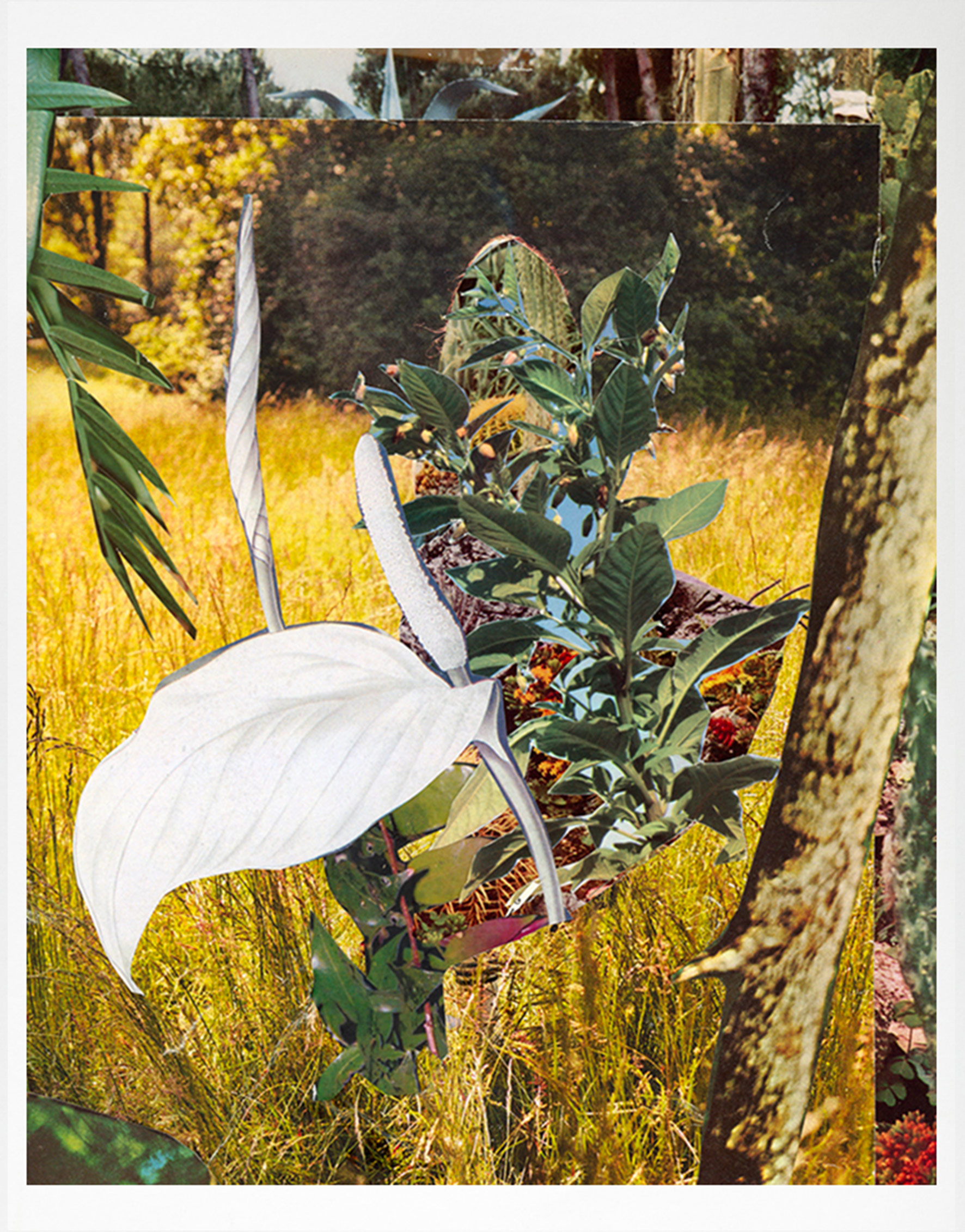
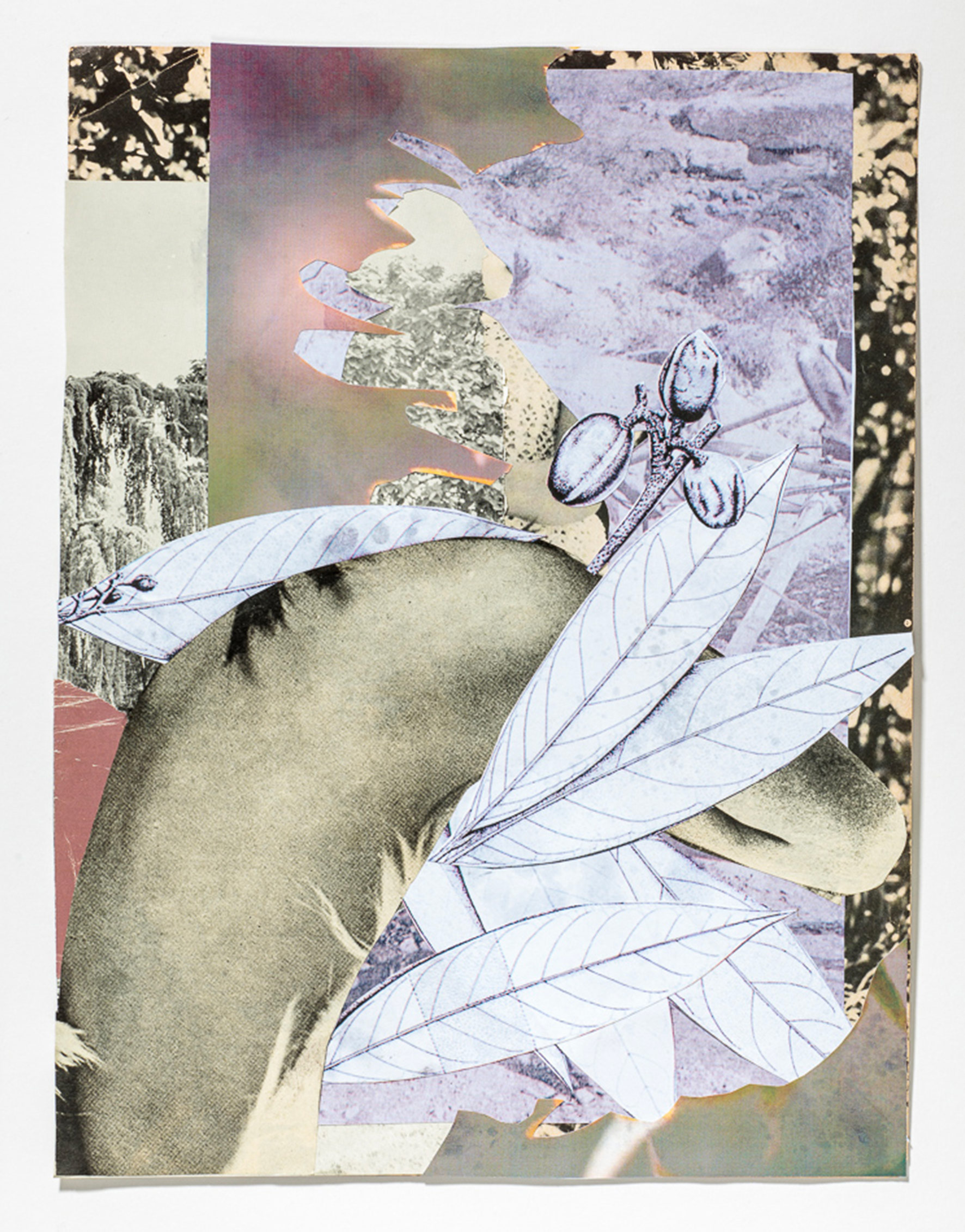
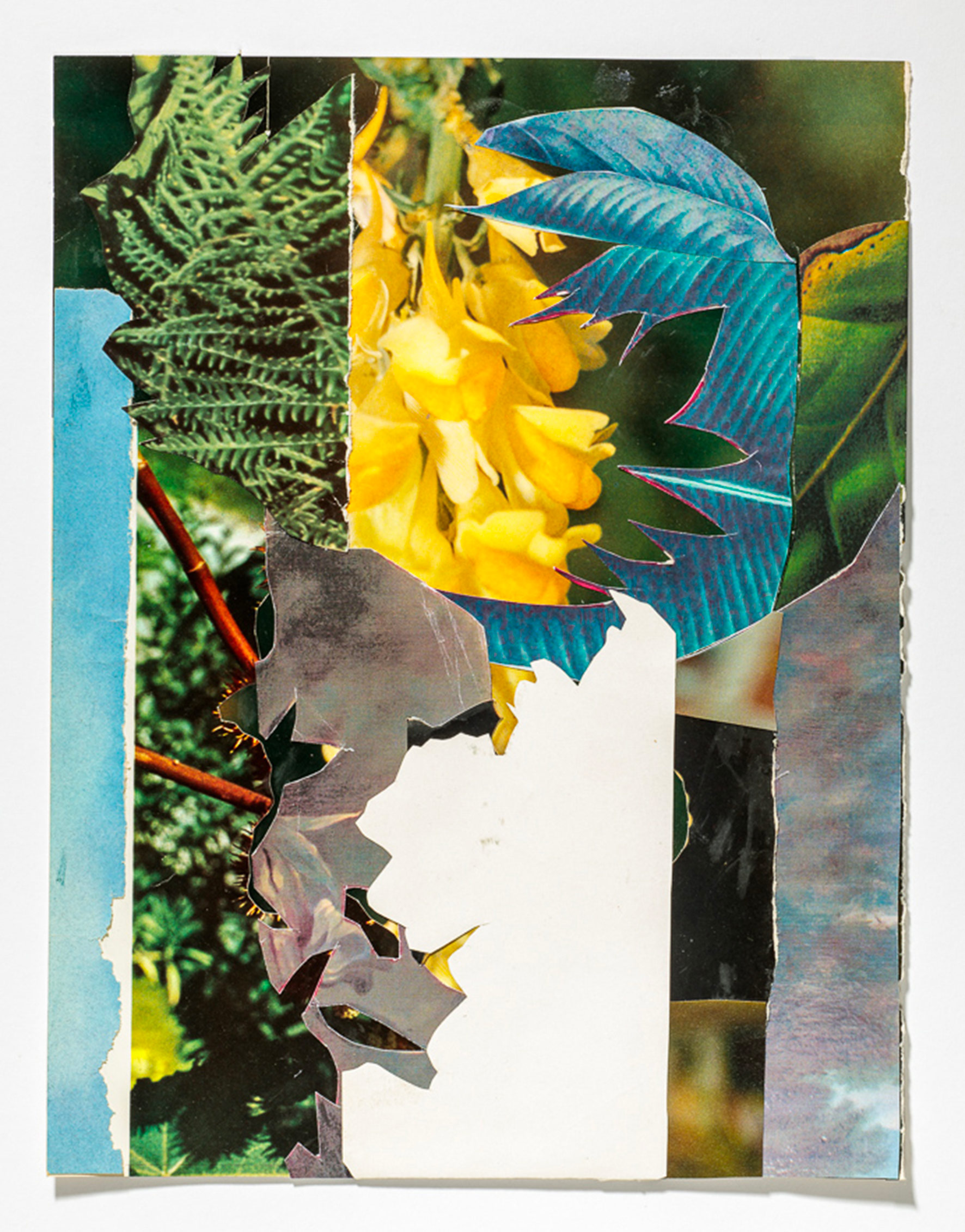
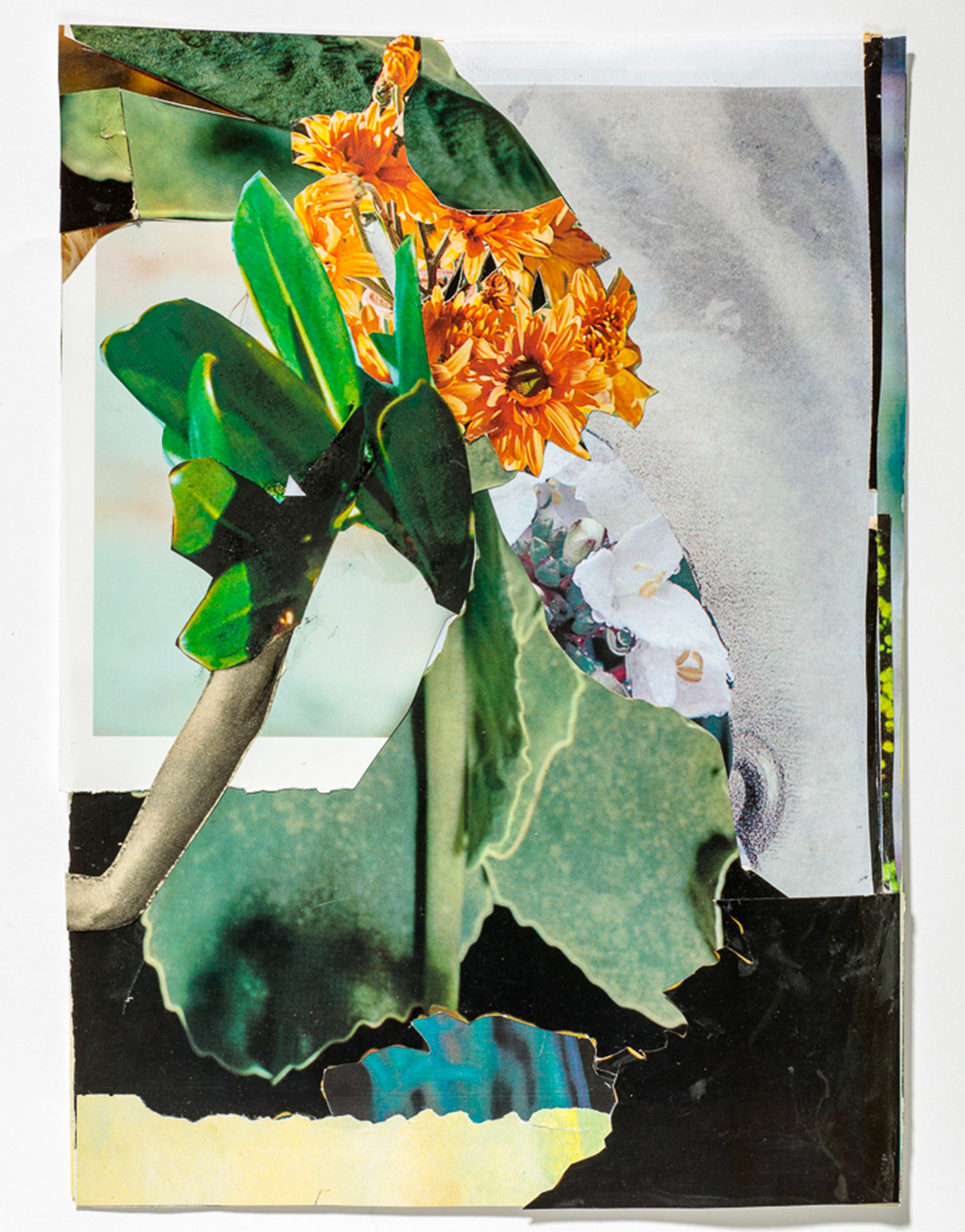
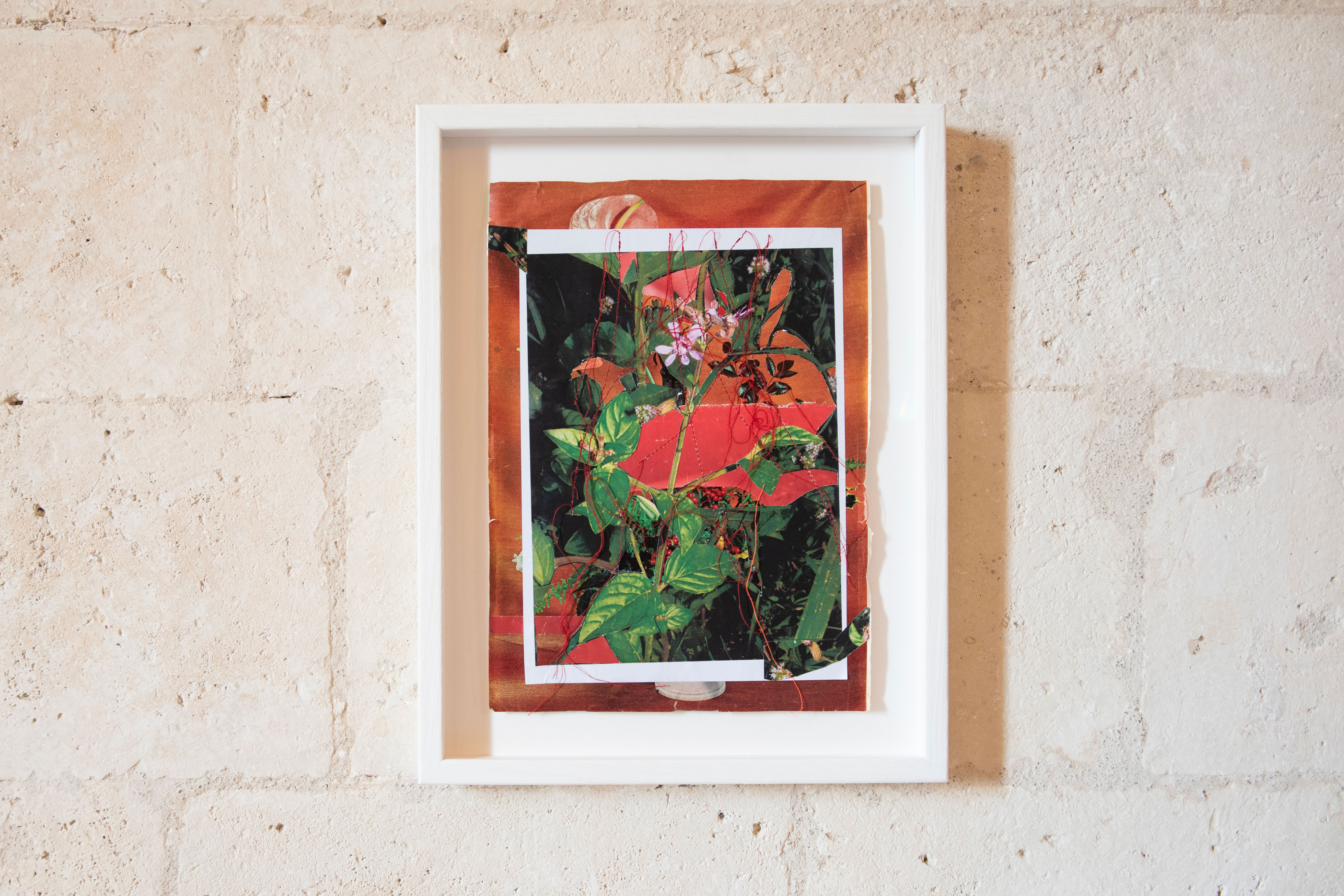
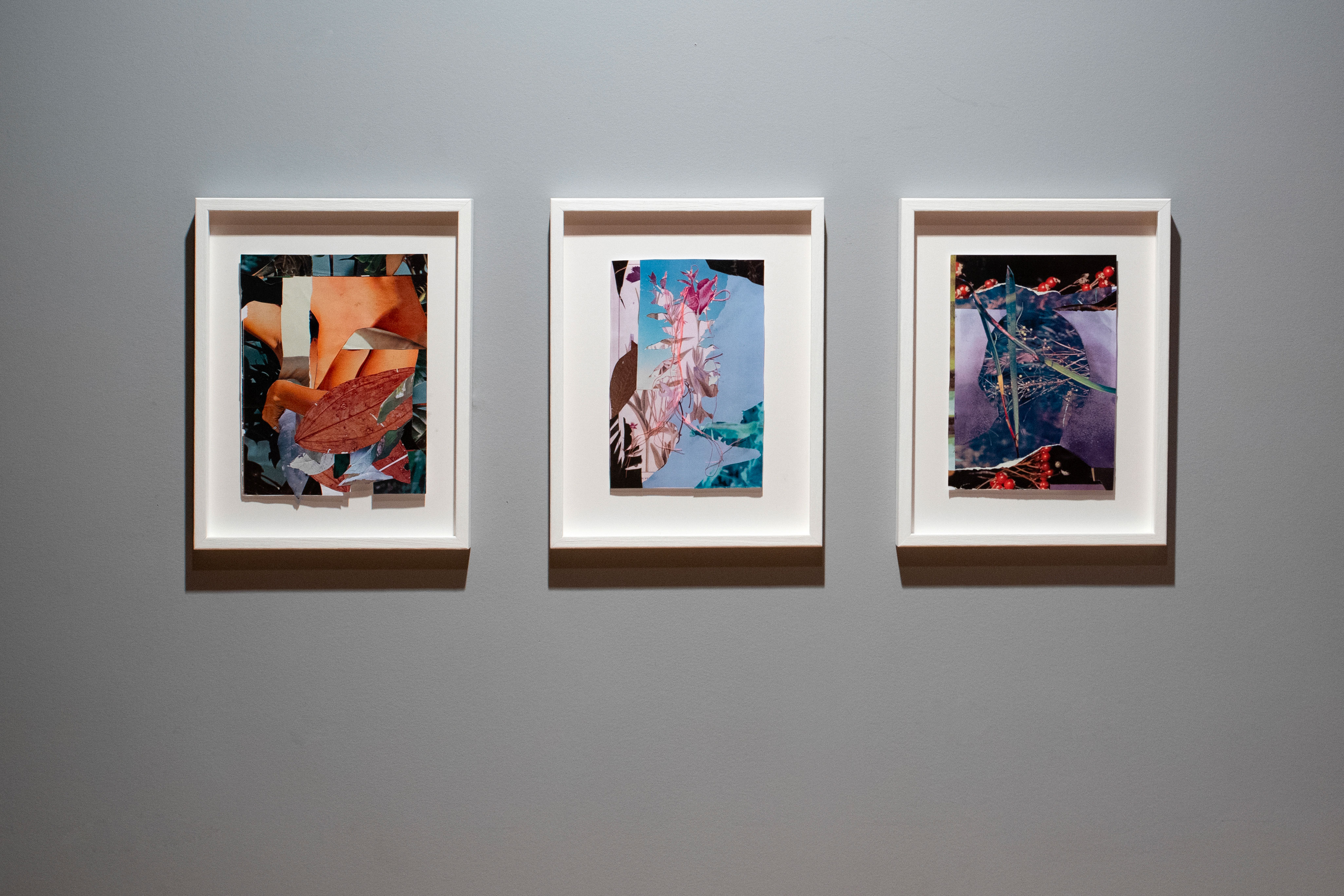
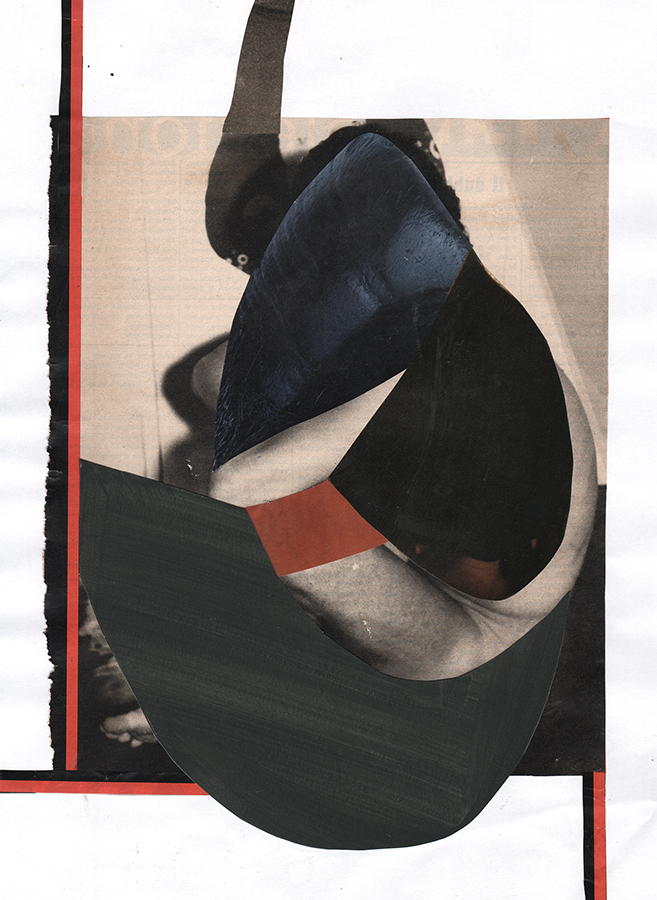
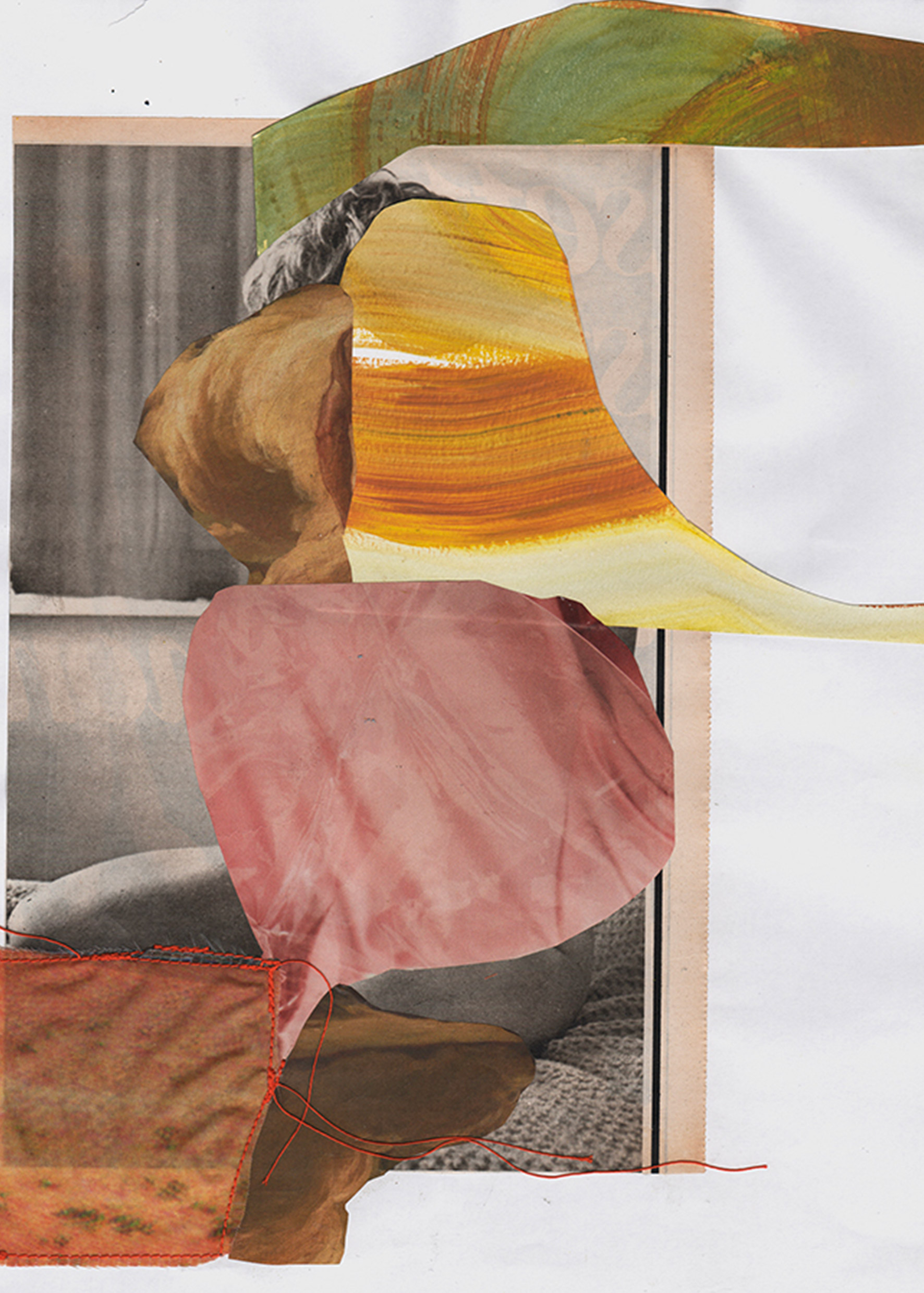
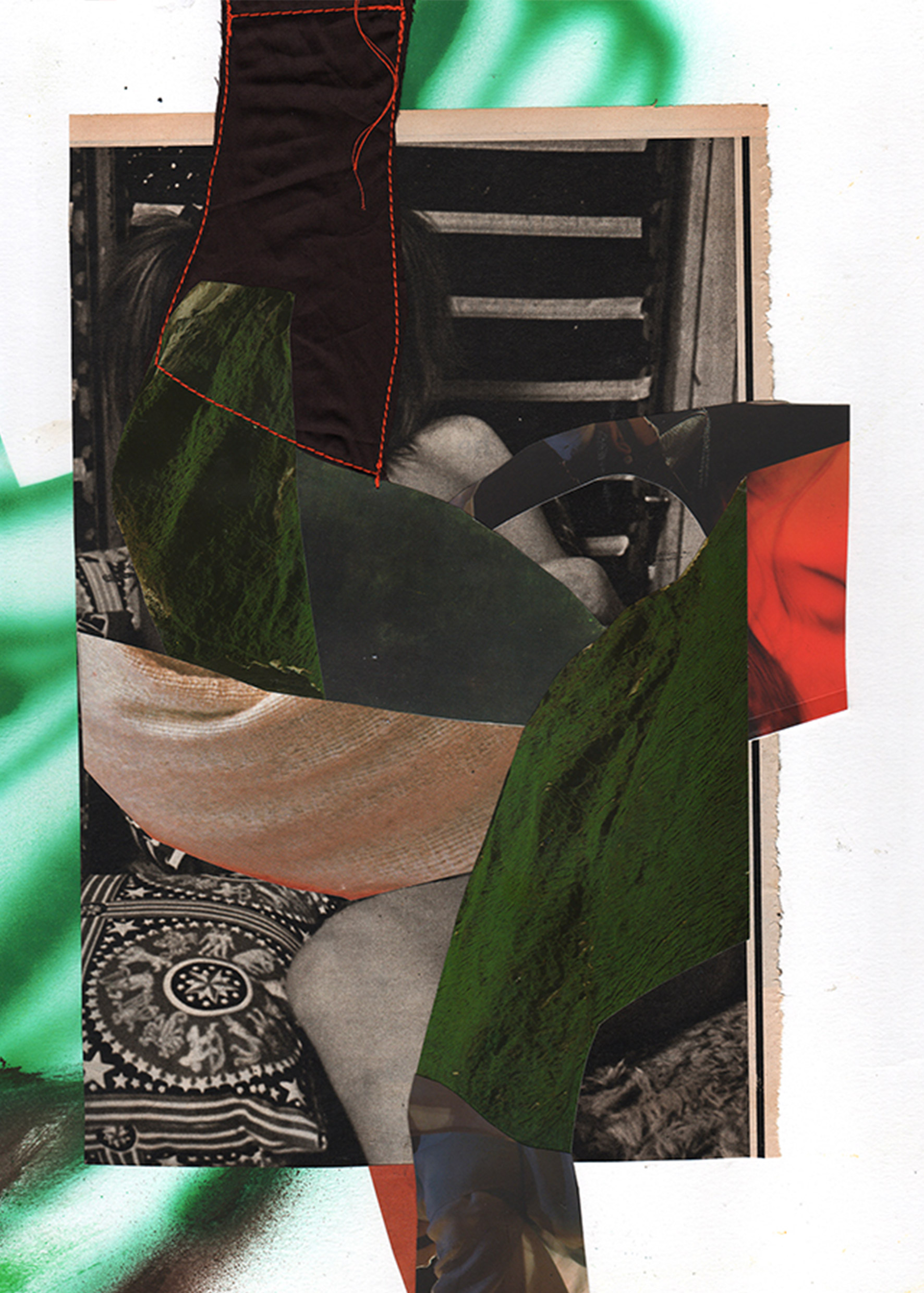
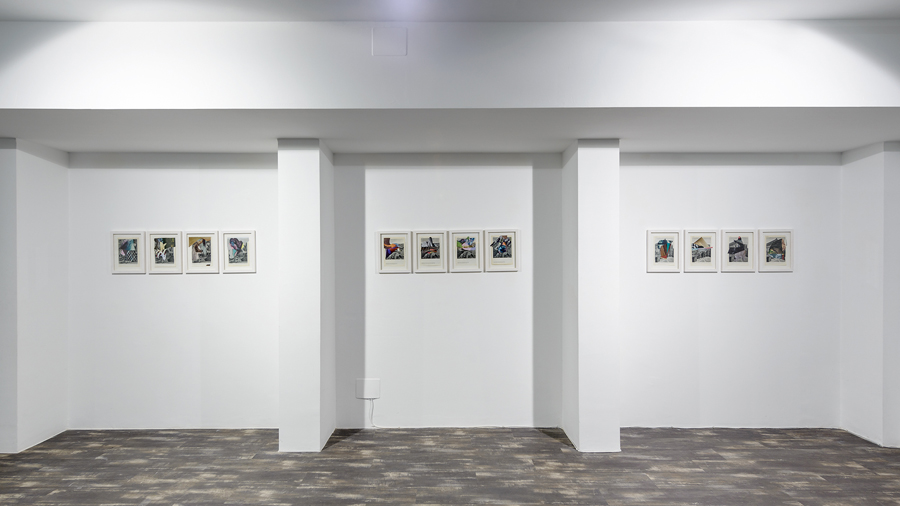
EN (Cynometra beddomei), 2025. Collage e serigrafia su carta, 28 x 21,6 cm.
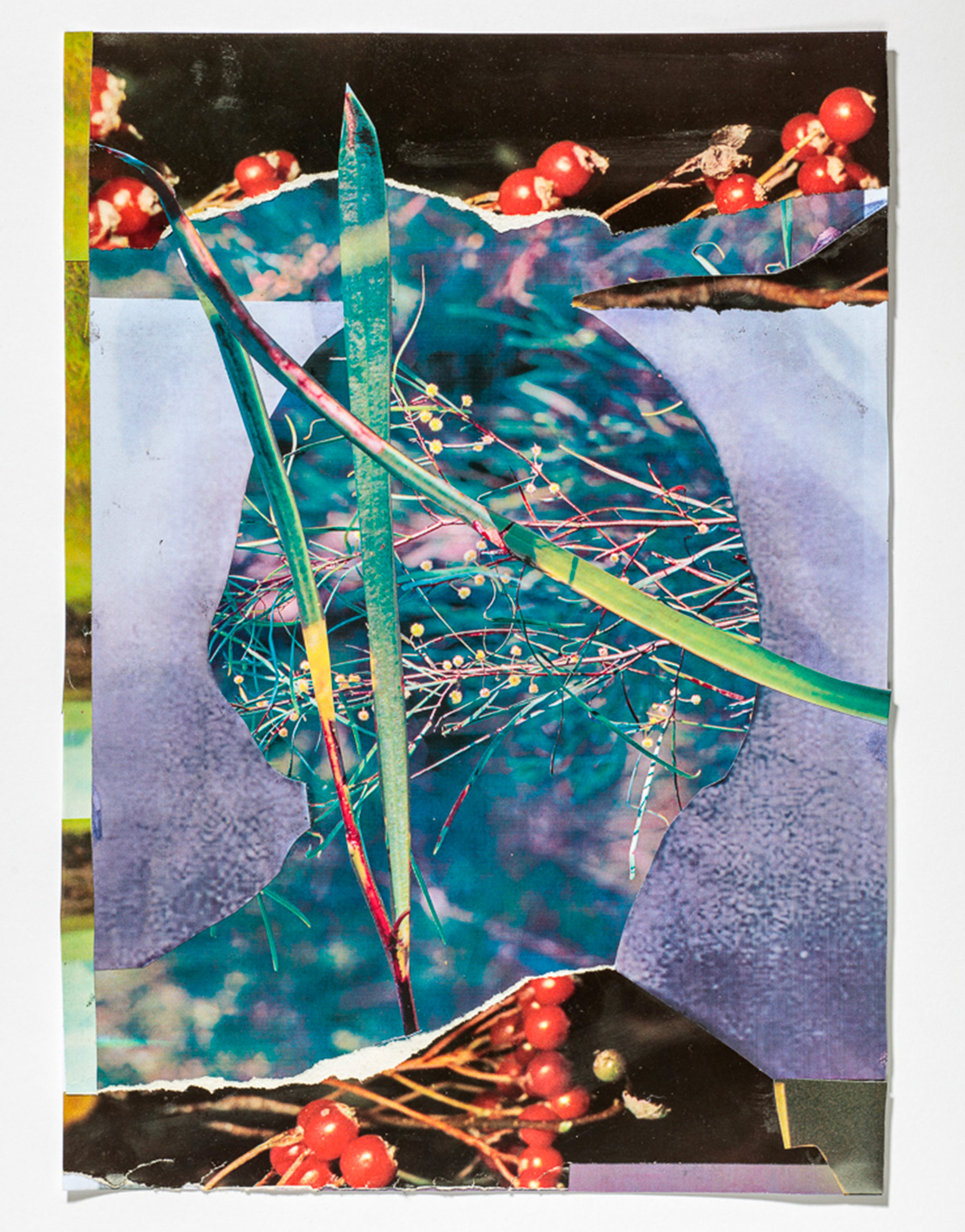
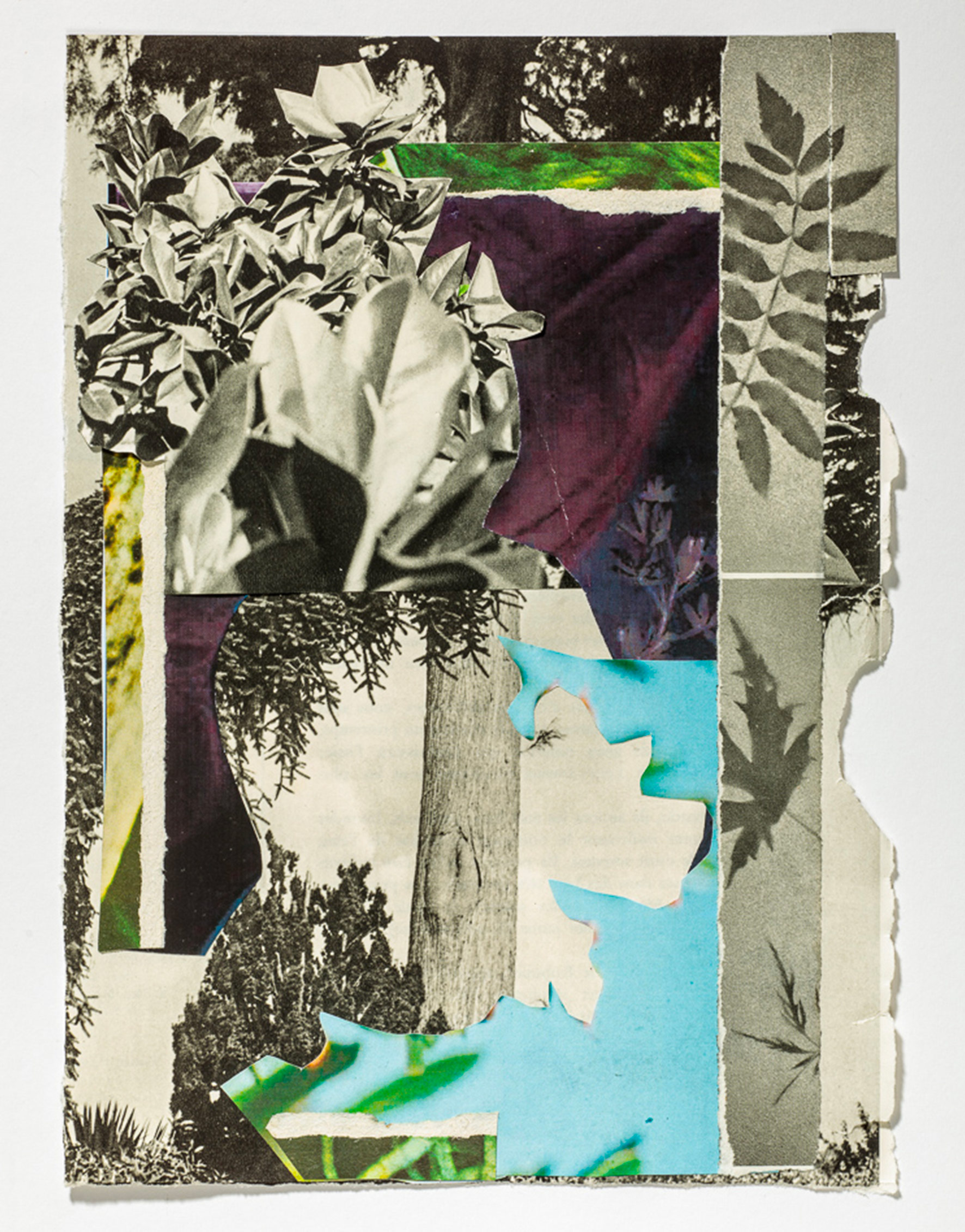
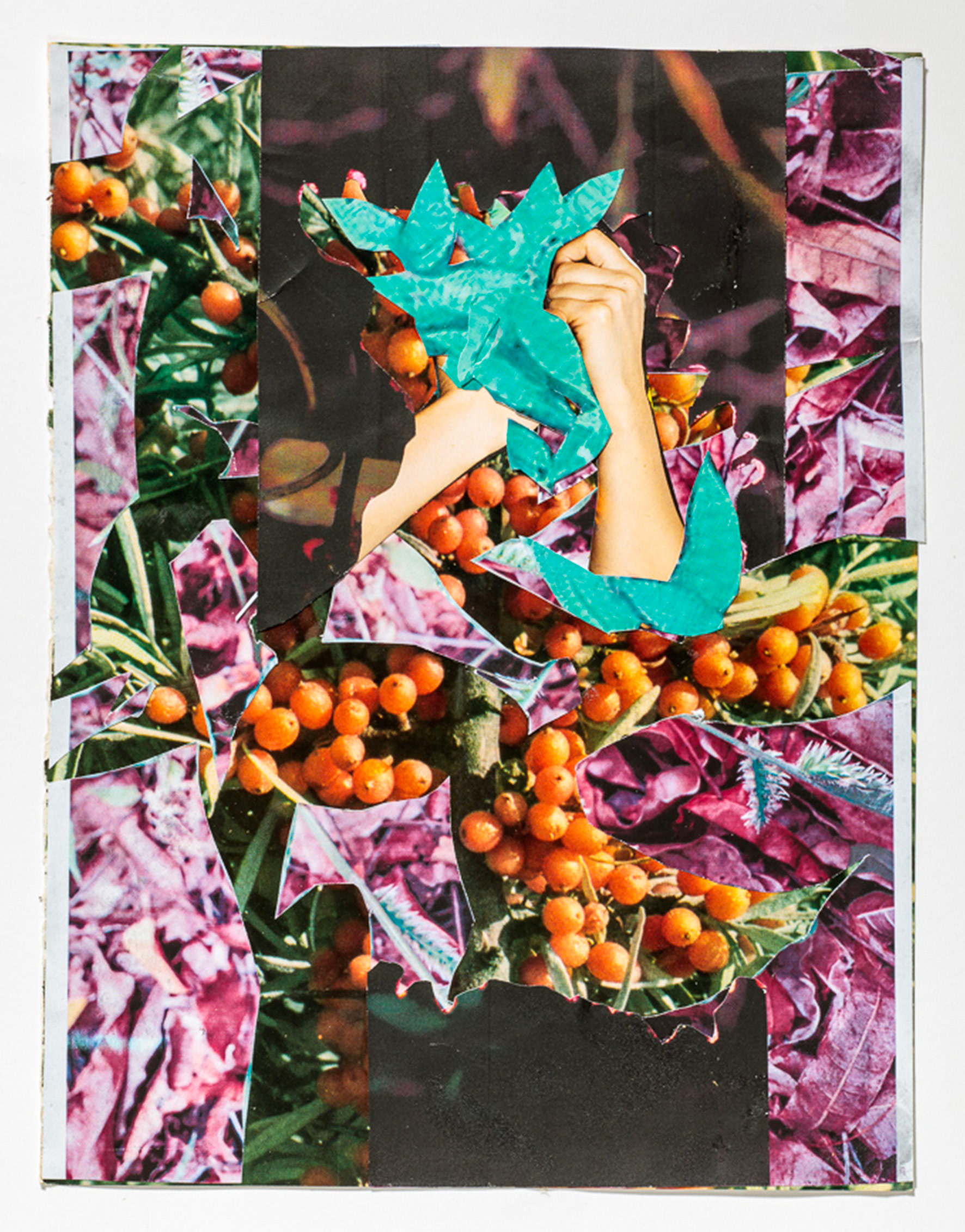
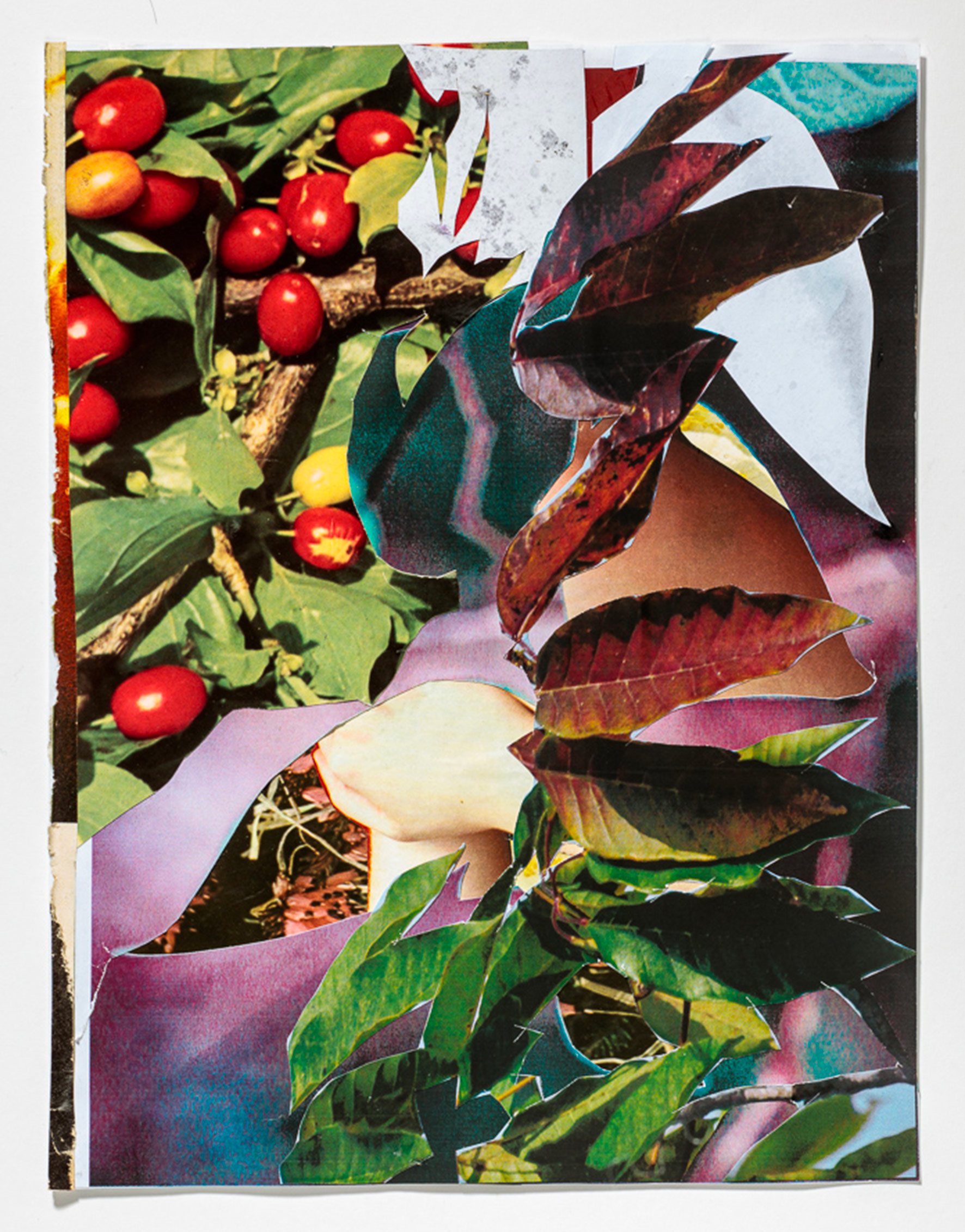
CR (Grevillea divaricata), 2025. Collage e serigrafia su carta, 28,8 x 20,3 cm.EX EW EN CR
EX (Limonium catanese), 2025. Collage e serigrafia su carta, 26,8 x 22,2 cm.
EX (Ranuculus hostiliensis), 2025. Collage e serigrafia su carta, 28,4 x 22,5 cm.
EX (Hieracium tolstoii), 2025. Collage e serigrafia su carta, 27,9 x 21,1 cm.
EX (Puccinellia pannonica), 2025. Collage e serigrafia su carta, 25,4 x 20,6 cm.
EW (Psychotria ilocana), 2025. Collage e serigrafia su carta, 25,4 x 20,6 cm.
EW (Psychotria cadigensis), 2025. Collage e serigrafia su carta, 25,8 x 20,5 cm.
EW (Ozothamnus selaginoides), 2025. Collage e serigrafia su carta, 27 x 20,6 cm.
EN (Dypsis linearis), 2025. Collage e serigrafia su carta, 27 x 20,5 cm.


  • EX EW EN CR
    Dal testo di Martina Angelotti scritto per la mostra FORSE DOMANI,Galleria Simóndi, Torino
  • Testo completo
  • ” (…) A questo lamento evocato dell’Ammophila, si uniscono anche quelli della Limonium catanese, della Psychotria ilocana, della Hieracium tolstoii. Piante perse per sempre che l’artista Lucia Veronesi ha riprodotto sotto forma di piccoli collage serigrafati, su cui affiorano foglie e arbusti del passato, su macchie di colore e pattern geometrici come a cercare un nuovo respiro.
Seguendo una ricerca dell’Università di Roma Tre che studia la possibilità di recuperare le piante estinte utilizzando i semi contenuti negli erbari, l’artista concepisce un sistema di elaborazione che combina l’approccio scientifico con quello artistico, partendo da alcune categorie che identificano il grado di pericolosità di estinzione delle piante.
Le sigle EX (extinct) ed EW (extinct in the Wild) che compaiono nei titoli dei collage, conferiscono lo stato di allarme su cui vertono le specie e ci invitano a riflettere sull’immensa e complessa categorizzazione che da secoli definisce lo stato di vita delle piante.
Se esistono ancora dei semi di piante dormienti, chiusi in piccole buste all’interno degli erbari, allora è necessario provare a risvegliarli, mettendo in campo le sperimentazioni possibili affinché possano nuovamente germogliare (…)”


  1. EX EW EN CR
    From the text by Martina Angelotti written for the show FORSE DOMANI,Galleria Simóndi, Torino
  2. Full text
  3. “(…) the voices of Limonium catanese, Psychotria ilocana, and Hieracium tolstoii—plants now lost forever, which artist Lucia Veronesi has recreated in the form of small, silk-screened collages on which leaves and shrubs from the past surface on patches of color and geometric patterns as if seeking a new breath.
    Inspired by a study from the University of Roma Tre that explores the possibility of reviving extinct plants using seeds stored in herbariums, the artist devises a system that combines scientific and artistic approaches. She makes use of categories identifying extinction risk levels. The labels EX (extinct) and EW (extinct in the wild) in the collage titles convey the critical status of these species and prompt reflection on the vast, complex classification system that has defined plant life for centuries.
    If seeds of dormant plants still exist, sealed in envelopes inside herbariums, then it becomes necessary to try to awaken them, carrying out all possible experiments so they may germinate again (…)”


  • La desinenza estinta (The Extinct Desinence), 2024
  • Collages, tecnica mista, dimensioni variabili
  • progetto vincitore Italian Council (12.a Edizione, 2023), programma di promozione di arte contemporanea italiana nel mondo della Direzione Generale Contemporanea del Ministero della Cultura.


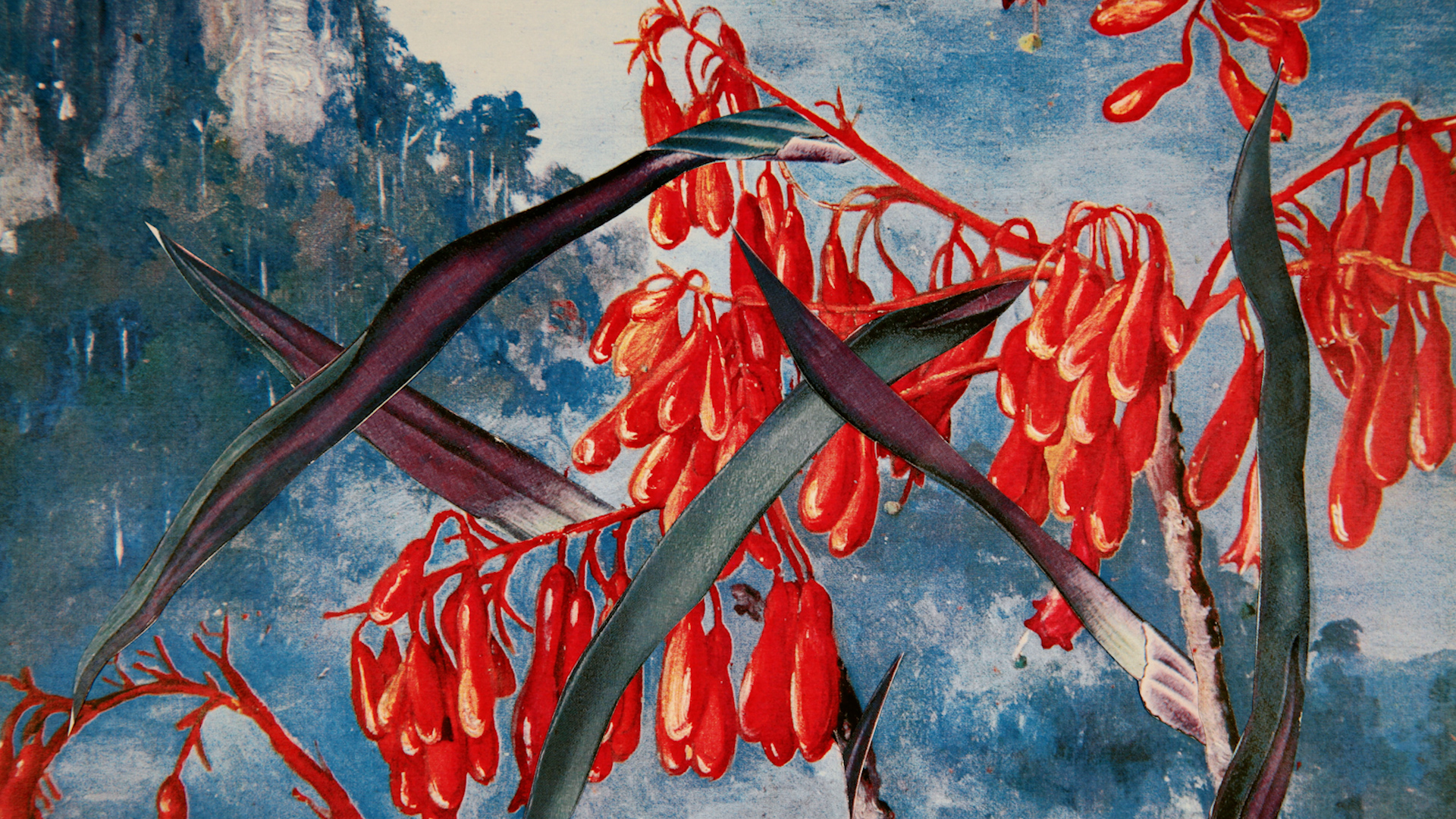
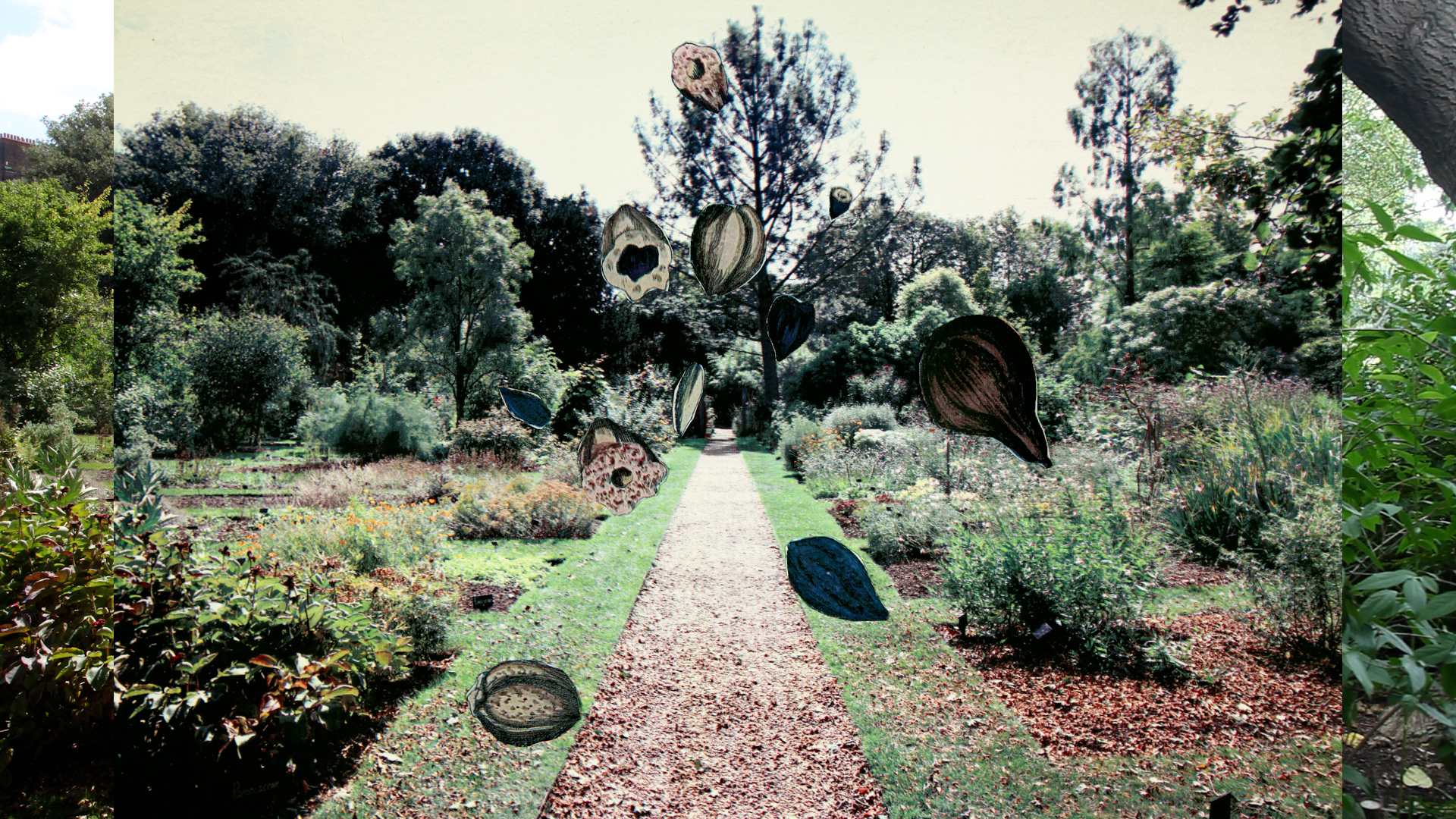
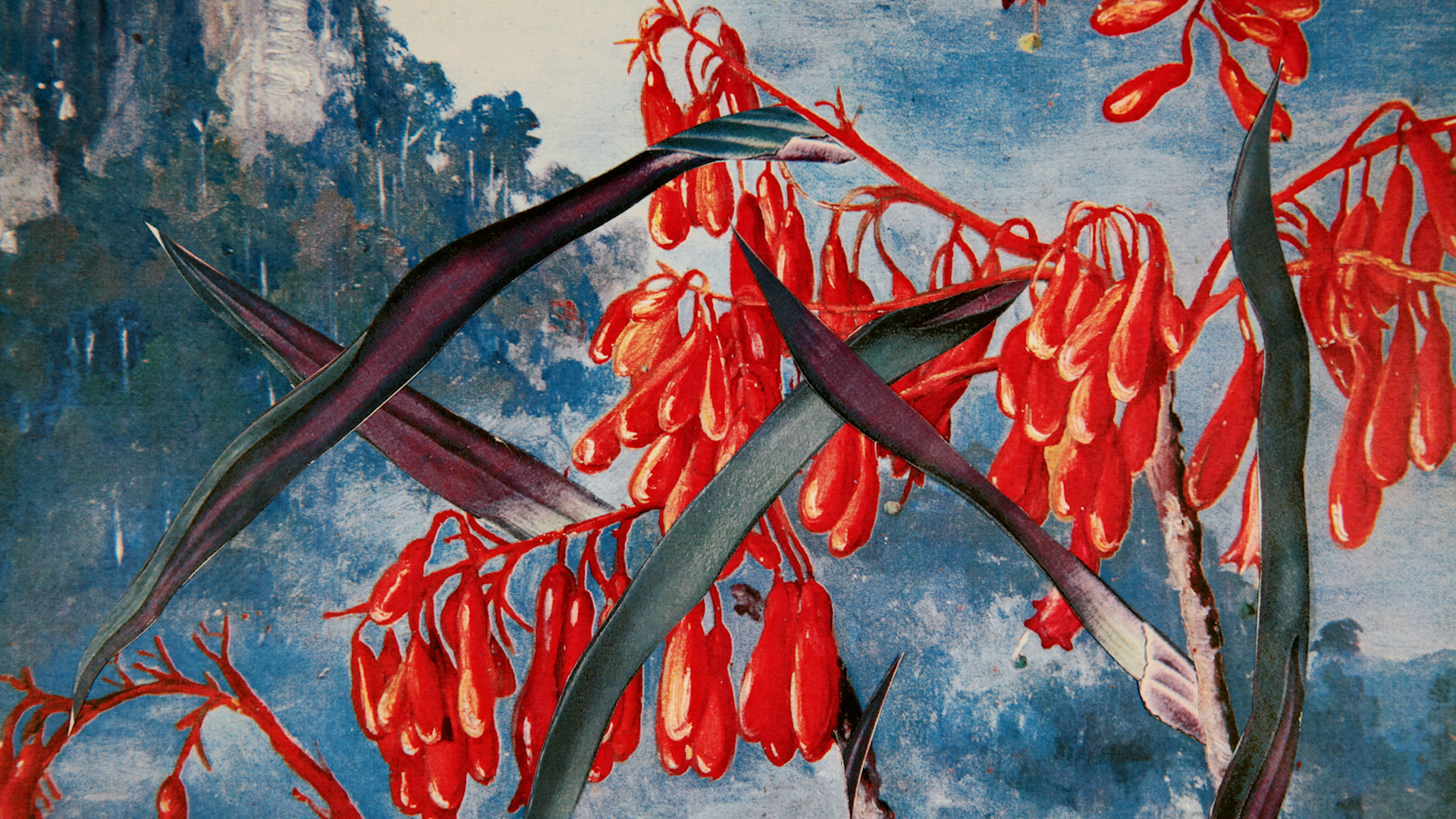
  1. La desinenza estinta (The Extinct Desinence), 2024
  2. Collages, mixed media, variable dimension
  3. winner project Italian Council (12.a Edition, 2023), programme for the promotion of Italian contemporary art in the world of the Contemporary General Directorate of the Ministry of Culture.


  • La desinenza estinta (The Extinct Desinence), 2024
  • Collages, tecnica mista, dimensioni variabili
  • progetto vincitore Italian Council (12.a Edizione, 2023), programma di promozione di arte contemporanea italiana nel mondo della Direzione Generale Contemporanea del Ministero della Cultura.


  1. La desinenza estinta (The Extinct Desinence), 2024
  2. Collages, mixed media, variable dimension
  3. winner project Italian Council (12.a Edition, 2023), programme for the promotion of Italian contemporary art in the world of the Contemporary General Directorate of the Ministry of Culture.


  • La desinenza estinta (The Extinct Desinence), 2024
  • progetto vincitore Italian Council (12.a Edizione, 2023), programma di promozione di arte contemporanea italiana nel mondo della Direzione Generale Contemporanea del Ministero della Cultura.
  • video HD, colori, bianco e nero, suono stereo, 16:9,  7’46’’
  • DIRECTION Lucia Veronesi
  • EDITING Lucia Veronesi
  • ANIMATION Lucia Veronesi
  • SHOOTING Lucia Veronesi
  • SOUND DESIGN Emanuele Wiltsch Barberio
  • COLOR CORRECTION Furio Ganz
  • MIX Cosmogram Studio, Venice
  • AUDIO CREDITS:
  • Román Jitdutjaaño, O. (2003). Jiibina rafue. Universidad Nacional de Colombia. Sede Amazonia
  • Guerrero, D. (2023). Nagu tuxä ruînüexü 3. Taxü. Universidad Nacional de Colombia, sede Amazonia
  • Jimaido, A. (2005). Muinaki 06 Chaka chaka bari. Universidad Nacional de Colombia. Sede Amazonia
  • Cuellar del Águila, A. (1998). Nachiga 6. Cuento de la mosca y el sapo. Universidad Nacional de Colombia, sede Amazonia
  • Román Jitdutjaaño, O. (2018). Rafue 21. Rłama jibibirimo eikome jino taizał uai denode.
  • Universidad Nacional de Colombia. Sede Amazonia
  • Guerrero, D. (2023). Nagu tuxä ruïnüexi 2. Tema. Universidad Nacional de Colombia, sede Amazonia
  • Jimaido, A. (2005). Muruiki 01 Biroike, Universidad Nacional de Colombia. Sede Amazonia
  • Guerrero, D. (2024). Buxügüari wiyae 9. Ngĩxã pa buxügü. Universidad Nacional de Colombia, sede Amazonia
  • progetto Lucia Veronesi
  • curato e prodotto da Ramdom (Italia)
  • sostenuto da:
  • Direzione Generale per la Creatività Contemporanea del Ministero per i Beni e le Attività Culturali nell’ambito del programma Italian Council (XII edizione, 2023) che mira a promuovere l’arte contemporanea italiana nel mondo
  • Directorate – General for Contemporary Creativity of the Italian Ministry of Culture under the Italian Council program (12th Edition, 2023) which aims to promote Italian contemporary art worldwide
  • in collaborazione con
  • Nordenfjeldske Kunstindustrimuseum MiST (Trondheim, Norvegia)
  • con il supporto di
  • Università di Zurigo – Dipartimento di botanica sistematica ed evoluzionistica e Dipartimento di biologia evoluzionistica e studi ambientali (Zurigo, Svizzera)
  • Goldsmiths University (Londra, UK)
  • Ca’ Pesaro-Galleria Internazionale d’Arte Moderna (Venezia, Italia)
  • Istituto Italiano di Cultura di Oslo
  • Il progetto è realizzato grazie al supporto di
  • Collezione Luca Bombassei
  • La desinenza estinta è un’opera che fa parte della collezione permanente di Ca’ Pesaro-Galleria Internazionale d’Arte Moderna
  • Catalogo a cura di Paolo Mele, Lucia Veronesi, Claudio Zecchi, edizione bilingue italiano e inglese, Marsilio Arte Editore
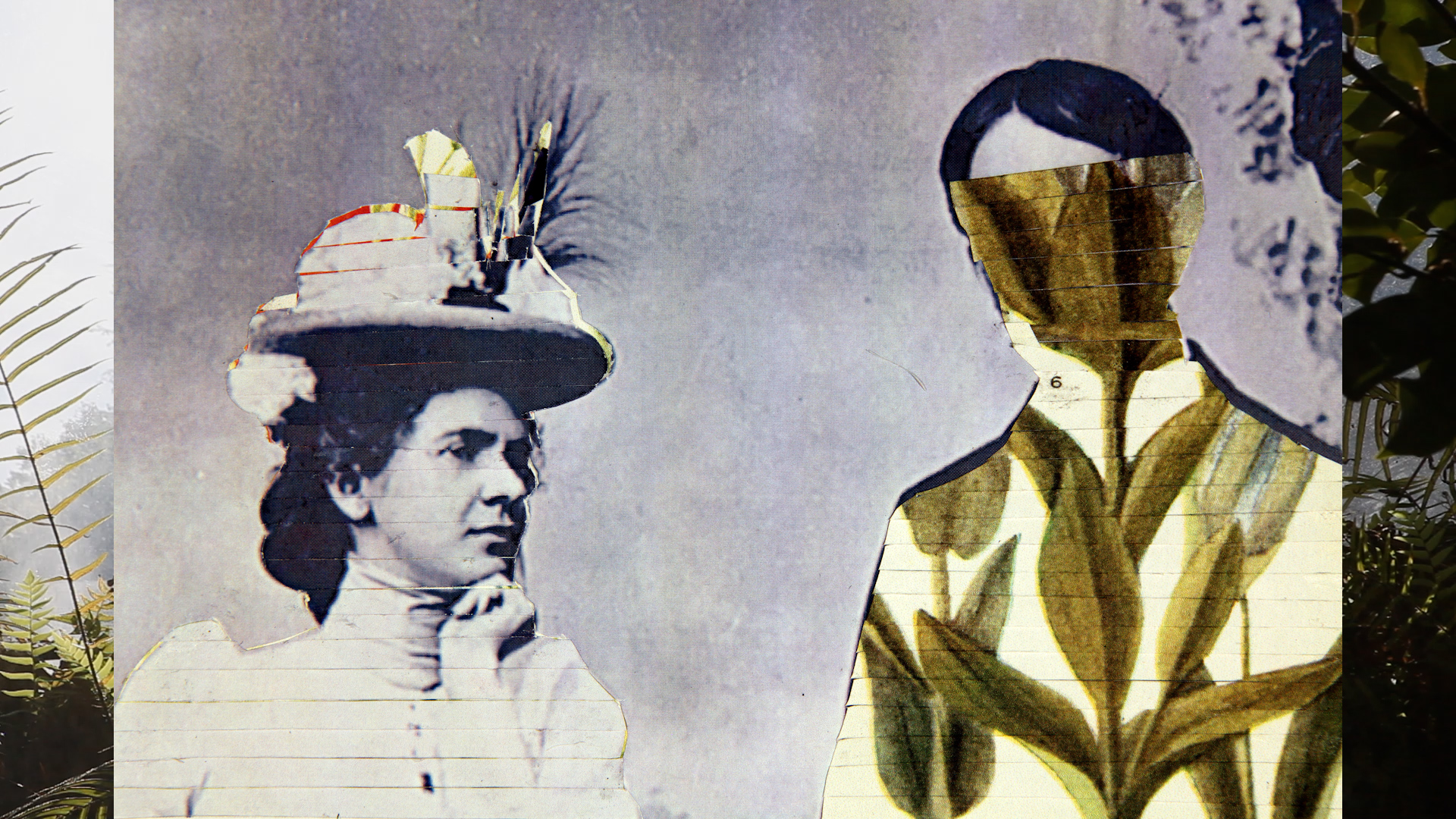
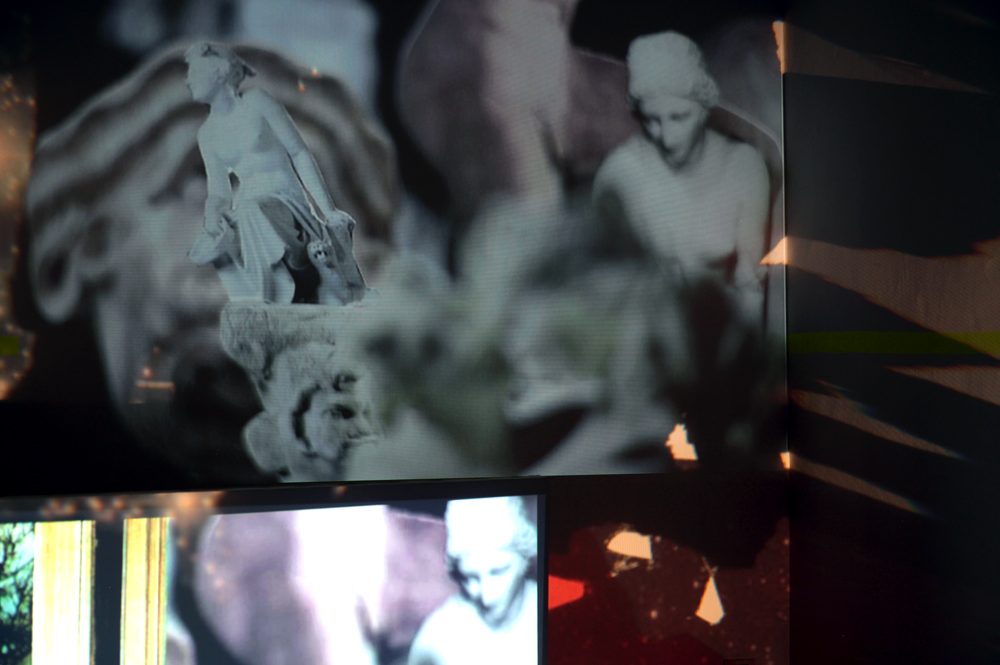
  • Scienziate, illustratrici ed esploratrici del passato che hanno contribuito in modo significativo allo sviluppo della moderna botanica sono state spesso misconosciute o rimosse dal sapere ufficiale.
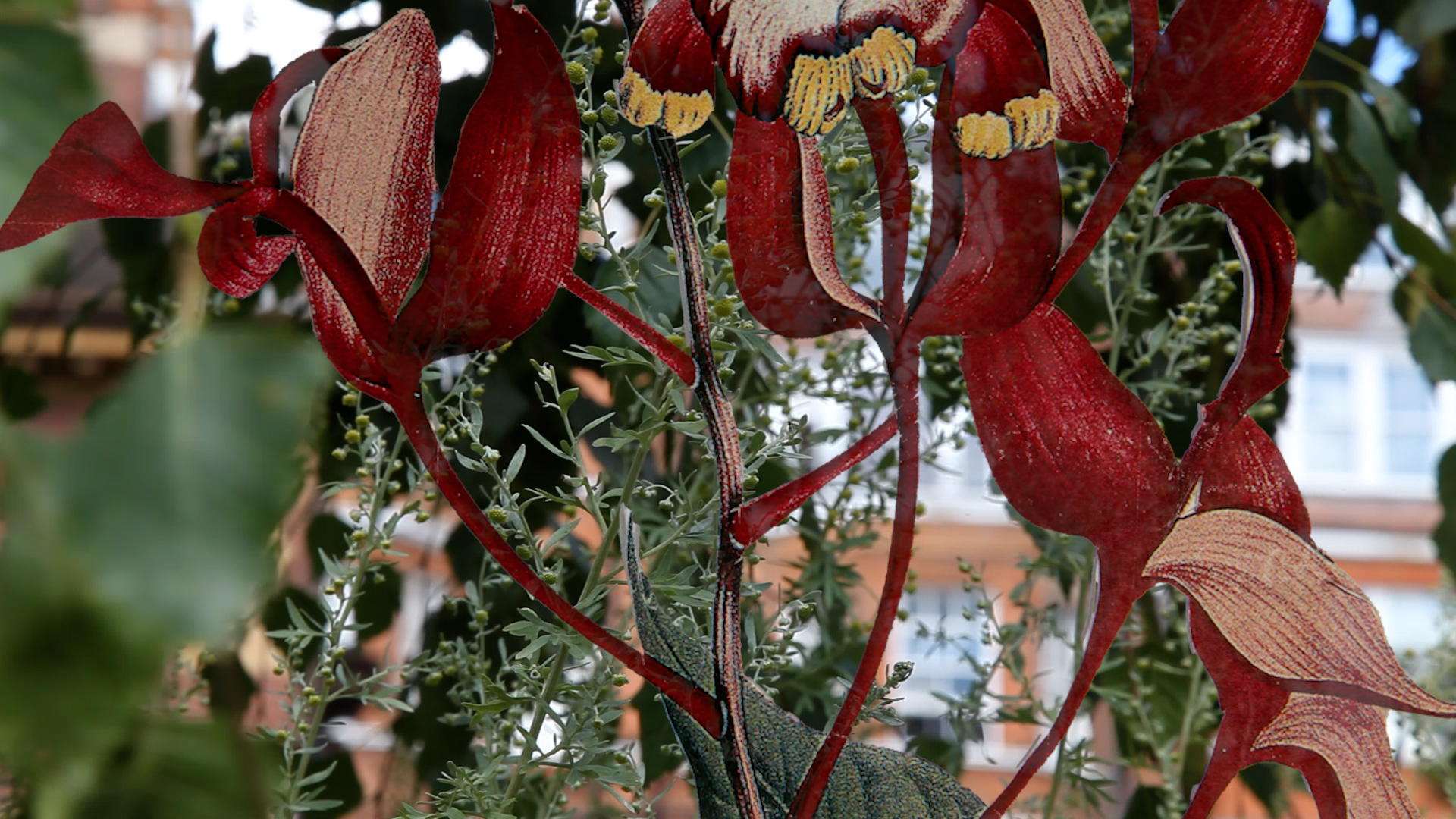
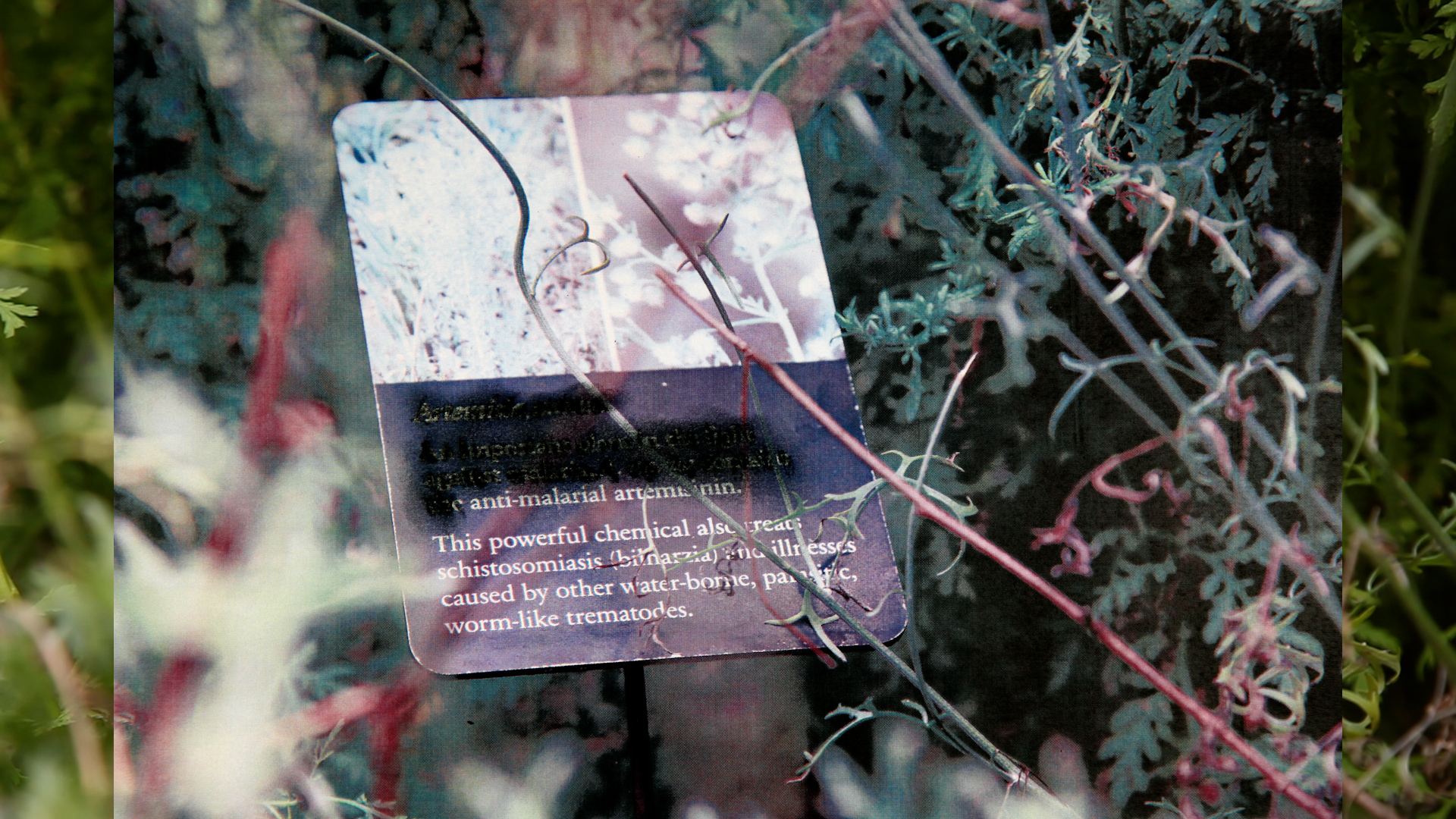
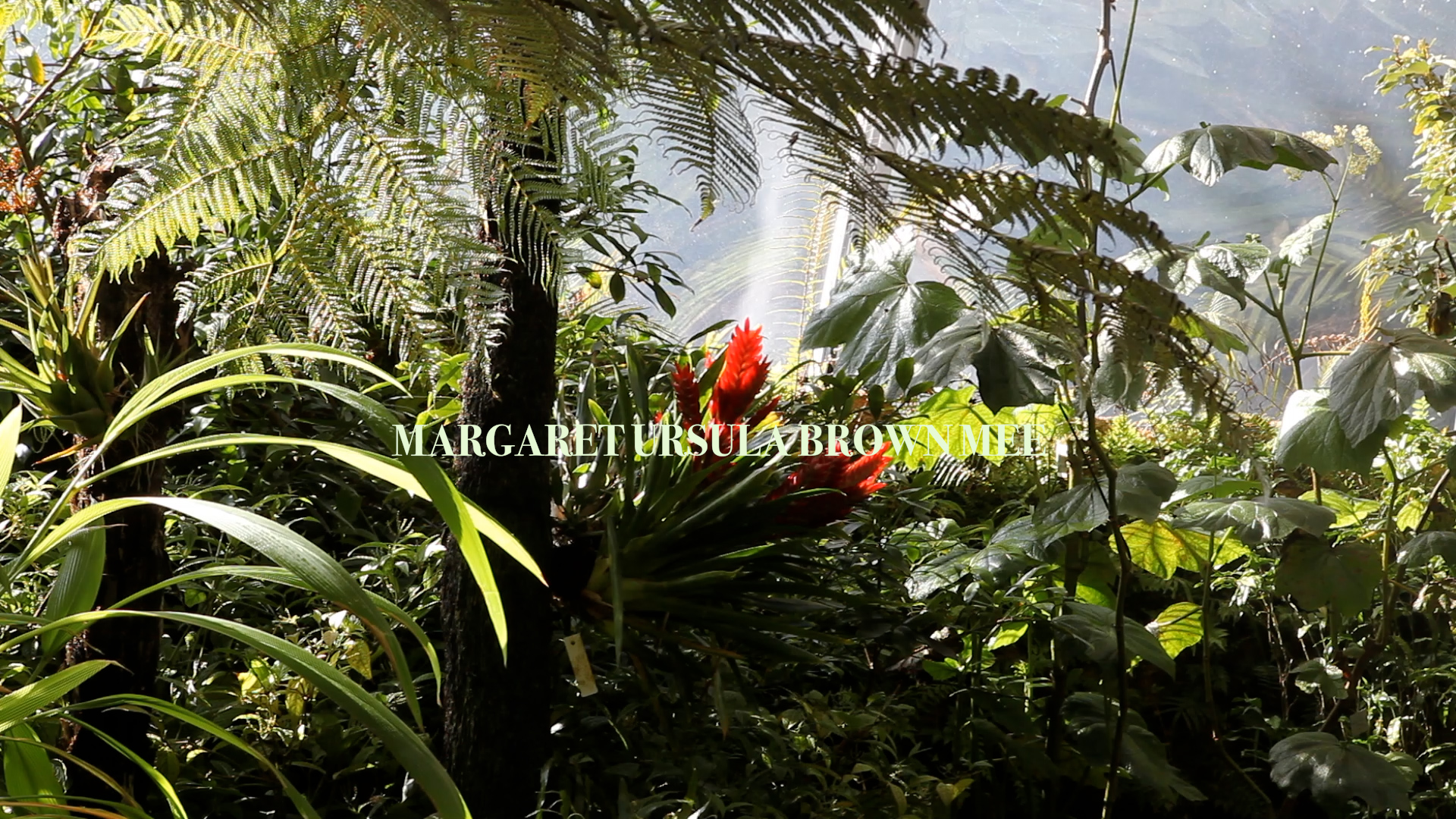
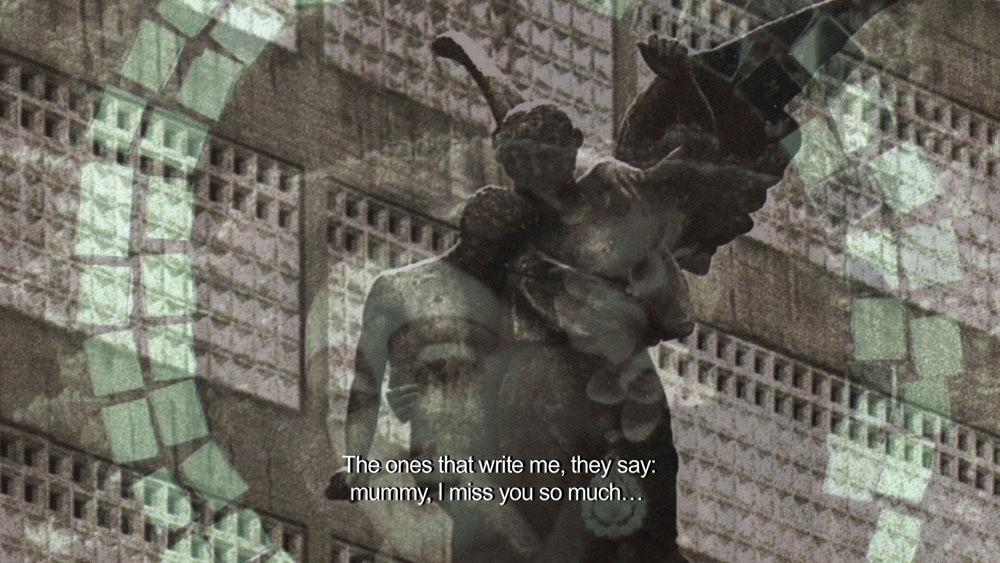
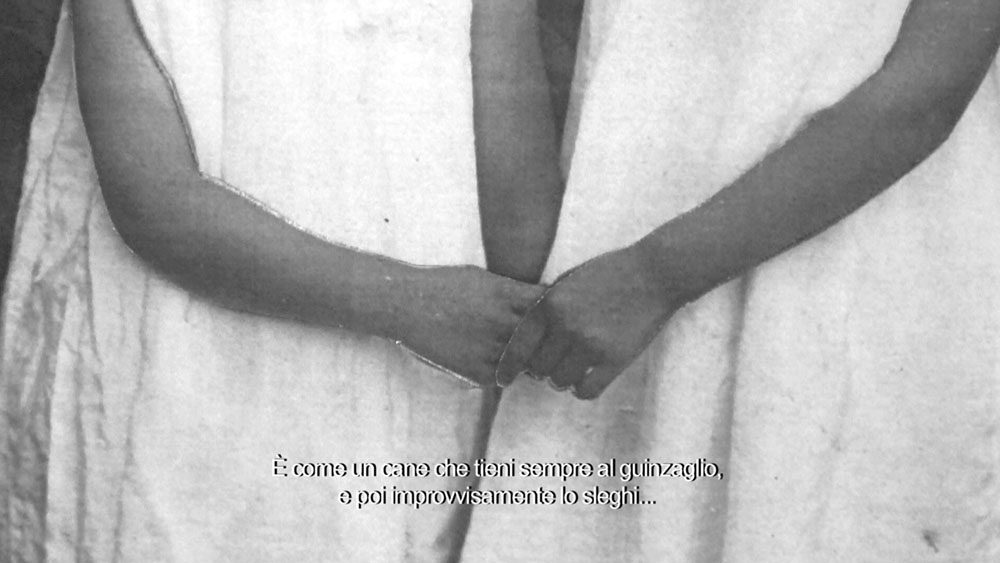
  • La desinenza estinta è un video che si concentra sulle vite e sulle scoperte di alcune di queste figure. Il materiale, proveniente da immagni di archivio e riprese ad hoc dei giardini botanici di Londra e Zurigo, è montato con la tecnica dello stop motion e del collage.
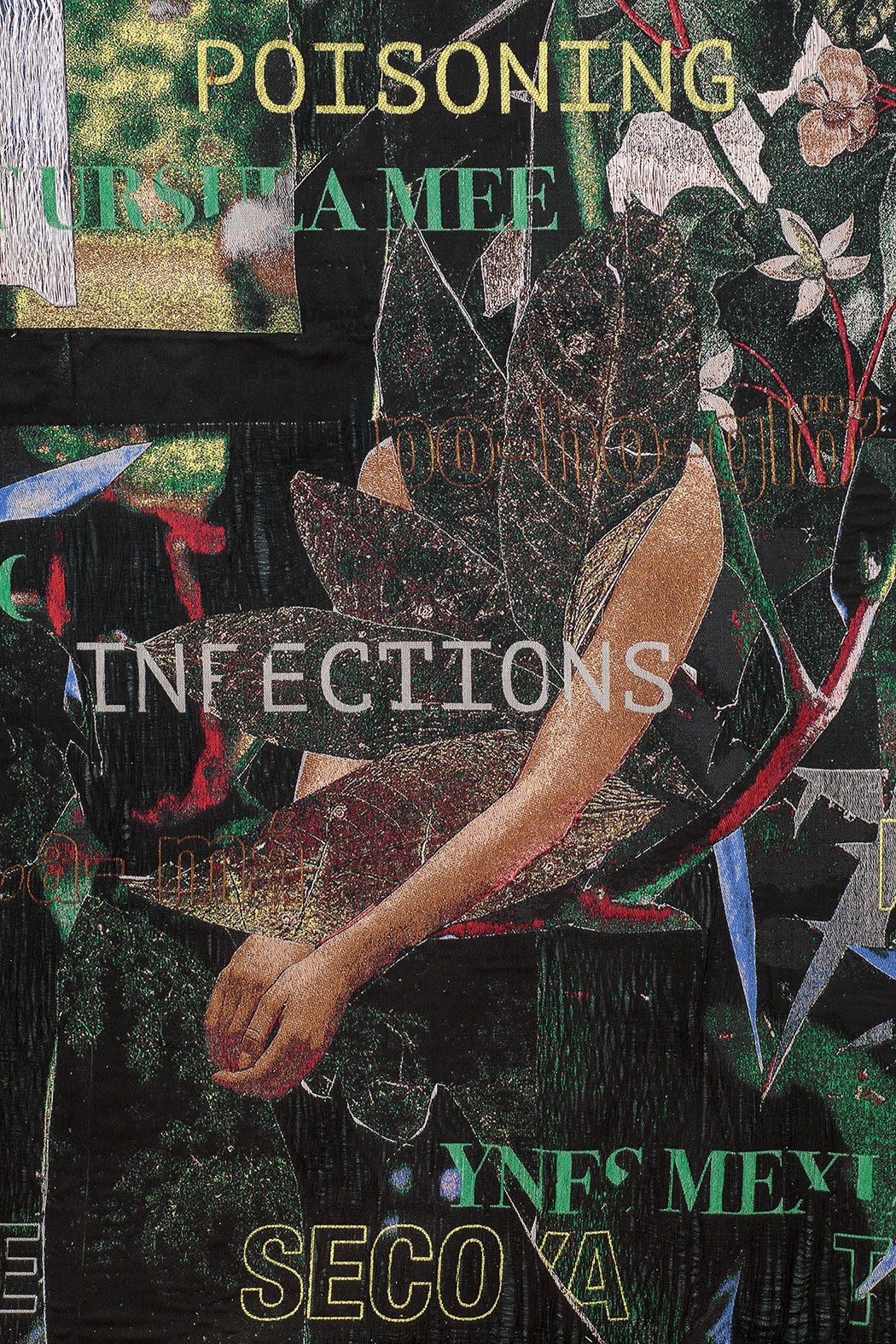
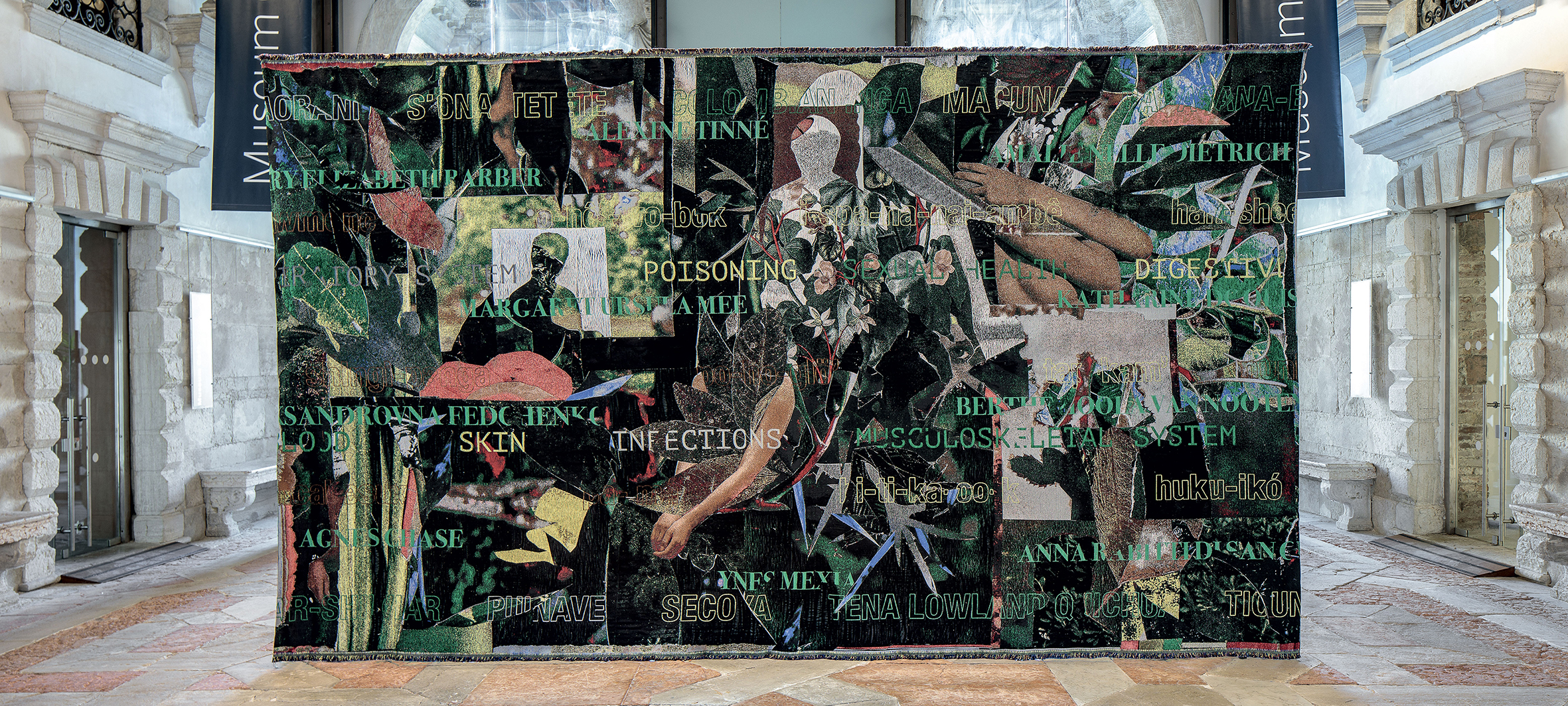
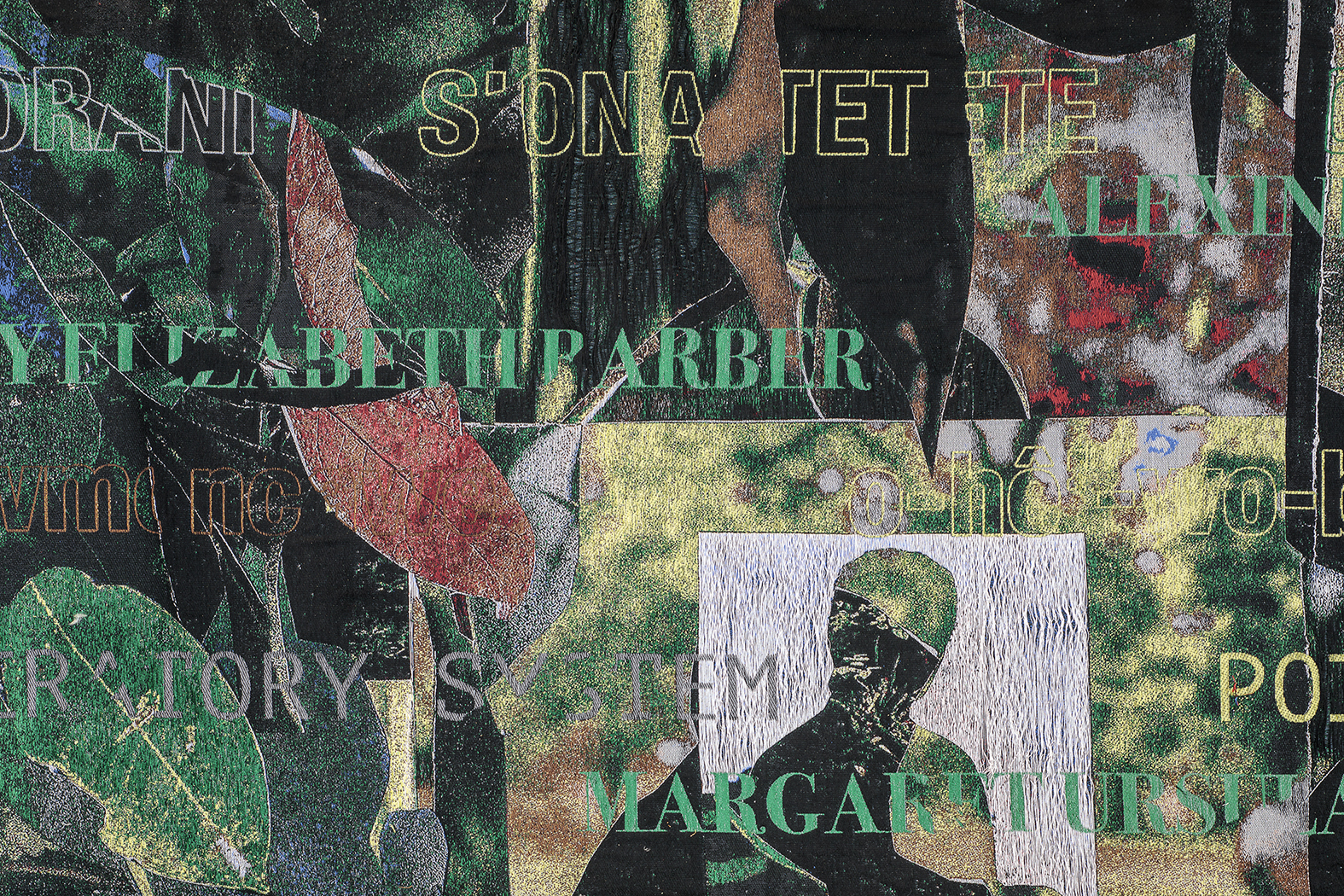
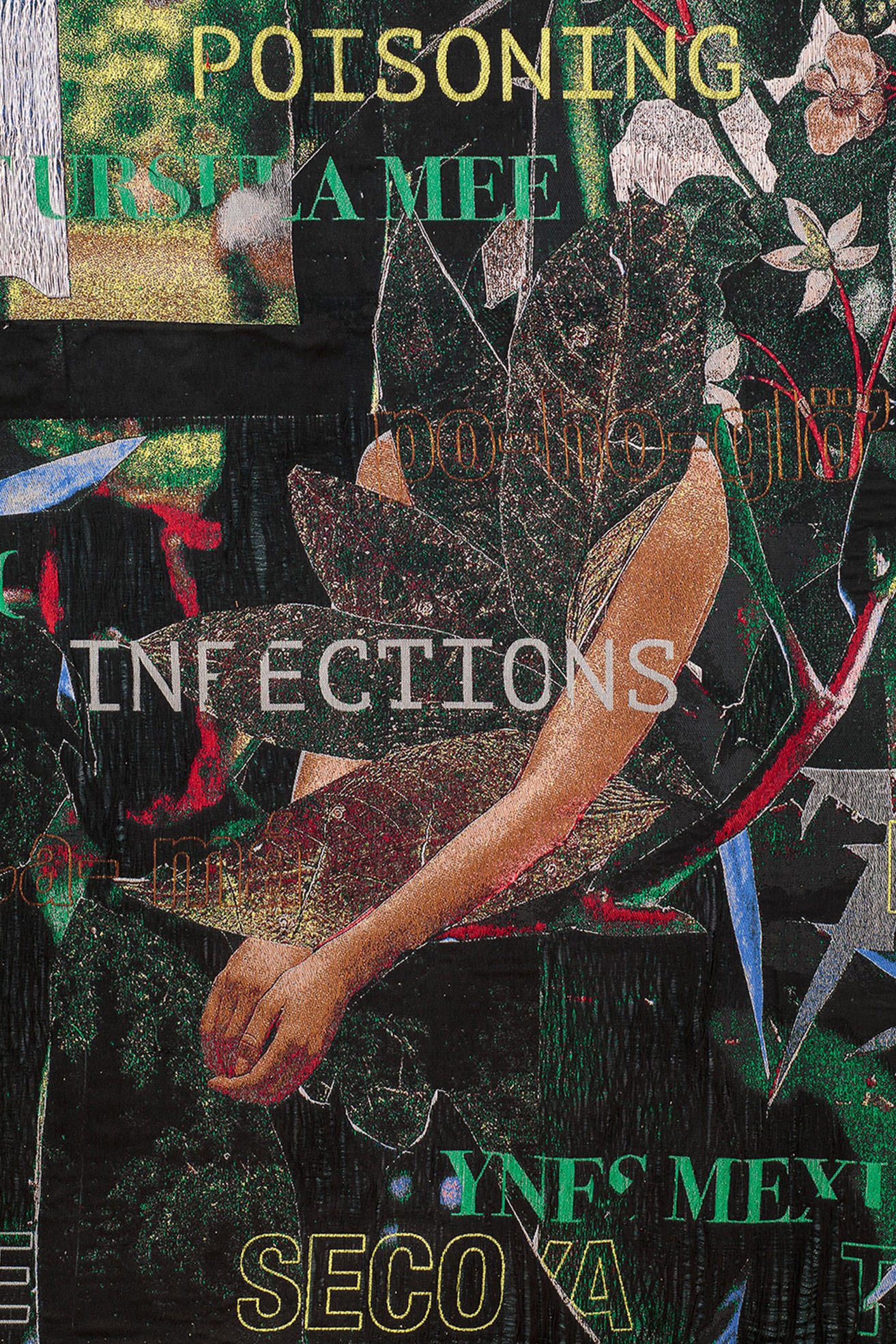
  • Il lavoro, insieme a un arazzo jacquard esposto nell’atrio del museo, completa un progetto più ampio che affronta il tema dell’estinzione delle lingue indigene e il loro rapporto con le piante medicinali.
  • Alcune di queste lingue ci accompagnano, come contrappunto sonoro, in un viaggio visionario tra parole e immagini.
  • Un analogo destino, infatti, accomuna le botaniche, che la storia ha condannato all’oblio, la scomparsa delle lingue native e, di conseguenza, quella dei saperi farmaceutici tradizionali. I nomi di queste donne, proprio come le parole indigene che designano le piante, sono come semi morti da riportare in vita.


  1. La desinenza estinta (The Extinct Desinence), 2024
  2. winner project Italian Council (12.a Edition, 2023), programme for the promotion of Italian contemporary art in the world of the Contemporary General Directorate of the Ministry of Culture.
  3. HD video, colour, black and white, stereo sound, 16:9, 7′ 46”
  4. DIRECTION Lucia Veronesi
  5. EDITING Lucia Veronesi
  6. ANIMATION Lucia Veronesi
  7. SHOOTING Lucia Veronesi
  8. SOUND DESIGN Emanuele Wiltsch Barberio
  9. COLOR CORRECTION Furio Ganz
  10. MIX Cosmogram Studio, Venice
  11. AUDIO CREDITS:
  12. Román Jitdutjaaño, O. (2003). Jiibina rafue. Universidad Nacional de Colombia. Sede Amazonia
  13. Guerrero, D. (2023). Nagu tuxä ruînüexü 3. Taxü. Universidad Nacional de Colombia, sede Amazonia
  14. Jimaido, A. (2005). Muinaki 06 Chaka chaka bari. Universidad Nacional de Colombia. Sede Amazonia
  15. Cuellar del Águila, A. (1998). Nachiga 6. Cuento de la mosca y el sapo. Universidad Nacional de Colombia, sede Amazonia
  16. Román Jitdutjaaño, O. (2018). Rafue 21. Rłama jibibirimo eikome jino taizał uai denode.
  17. Universidad Nacional de Colombia. Sede Amazonia
  18. Guerrero, D. (2023). Nagu tuxä ruïnüexi 2. Tema. Universidad Nacional de Colombia, sede Amazonia
  19. Jimaido, A. (2005). Muruiki 01 Biroike, Universidad Nacional de Colombia. Sede Amazonia
  20. Guerrero, D. (2024). Buxügüari wiyae 9. Ngĩxã pa buxügü. Universidad Nacional de Colombia, sede Amazonia
  21. project
  22. Lucia Veronesi
  23. curated and produced by
  24. Ramdom (Italia)
  25. supported by 
  26. Direzione Generale per la Creatività Contemporanea del Ministero per i Beni e le Attività Culturali nell’ambito del programma Italian Council (XII edizione, 2023) che mira a promuovere l’arte contemporanea italiana nel mondo
  27. Directorate – General for Contemporary Creativity of the Italian Ministry of Culture under the Italian Council program (12th Edition, 2023) which aims to promote Italian contemporary art worldwide
  28. in collaboration with
  29. Nordenfjeldske Kunstindustrimuseum MiST (Trondheim, Norvegia)
  30. with the support of 
  31. Università di Zurigo – Dipartimento di botanica sistematica ed evoluzionistica e Dipartimento di biologia evoluzionistica e studi ambientali (Zurigo, Svizzera)
  32. Goldsmiths University (Londra, UK)
  33. Ca’ Pesaro-Galleria Internazionale d’Arte Moderna (Venezia, Italia)
  34. Istituto Italiano di Cultura di Oslo
  35. the project is made thanks to the support of
  36. Collezione Luca Bombassei
  37. The Extinct Desinence is an artwork that is part of the permanent collection of  Ca’ Pesaro-Galleria Internazionale d’Arte Moderna
  38. Catalog curated by Paolo Mele, Lucia Veronesi, Claudio Zecchi, bilingual Italian and English, Marsilio Arte Publisher
  39. Female scientists, illustrators and explorers of the past who contributed significantly to the development of modern botany have often been misunderstood or dismissed from official knowledge.
  40. The Extinct Desinence is a video that focuses on the lives and discoveries of some of them. The material, sourced from archive images and ad hoc footage from the botanical gardens of London and Zurich, is edited using stop-motion and collage techniques.
  41. The work, together with a jacquard tapestry displayed in the museum’s atrium, completes a larger project that addresses the theme of the extinction of indigenous languages and their relation to medicinal plants.
  42. Some of these languages accompany us as sound counterpoints on a visionary journey between words and images.
  43. Botanists, that history has condemned to oblivion, share a similar fate with the disappearance of native languages and, consequently of traditional pharmaceutical knowledge. The name of these female botanists just as the indigenous words that designate plants are like dead seeds to be brought back to life.


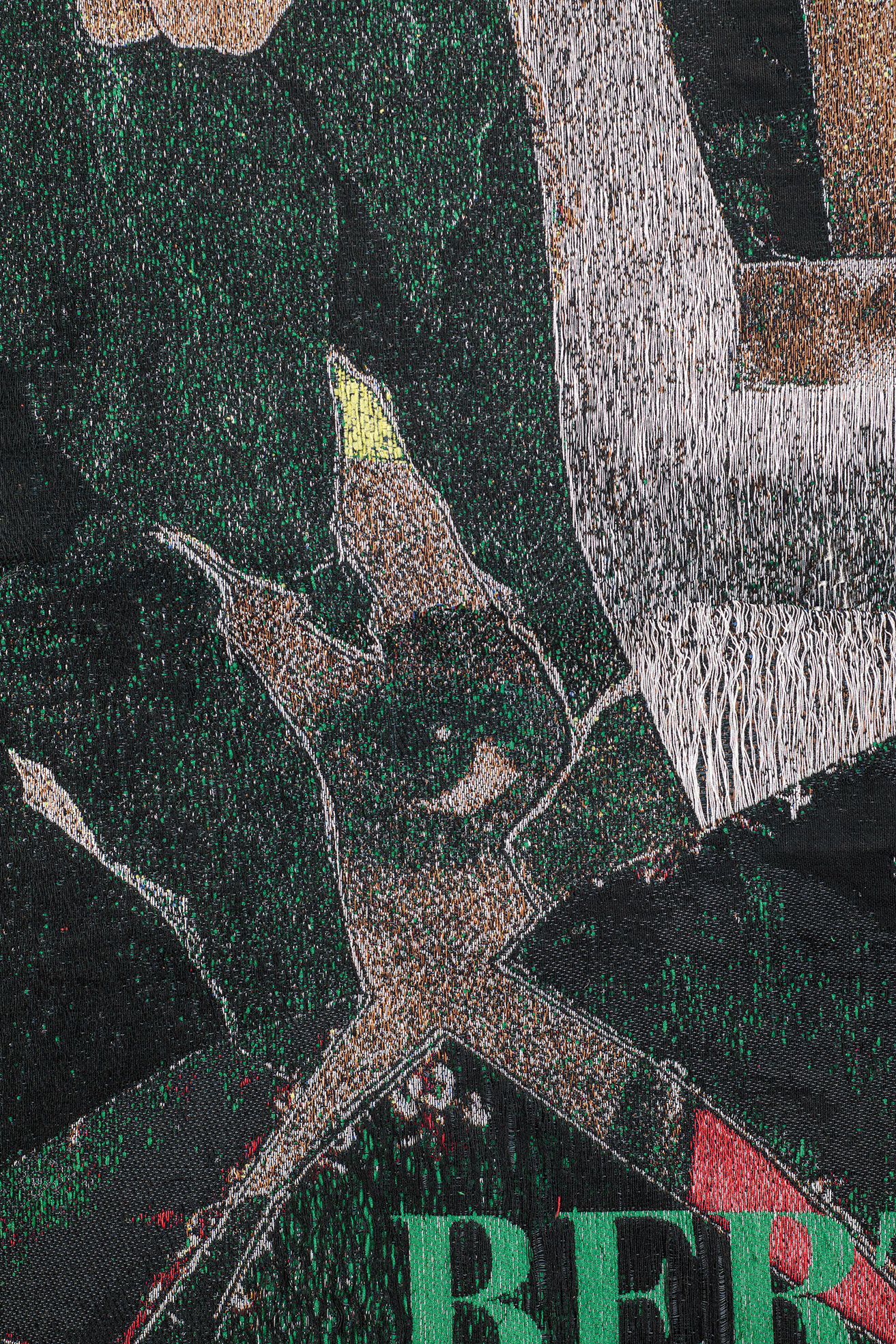
Jacquard fabric with lampas effect on the weft, 300 x 500 cm. Installation view Ca’ Pesaro Galleria Internazionale d’Arte Moderna, Venice. Photo Francesco Allegretto

Jacquard fabric with lampas effect on the weft, 300 x 500 cm. Detail. Photo Francesco Allegretto

Prints on paper and on cotton paper. Installation view Ca’ Pesaro Galleria Internazionale d’Arte Moderna, Venice. Photo Francesco Allegretto
Prints on cotton paper. Installation view Ca’ Pesaro Galleria Internazionale d’Arte Moderna, Venice. Photo Francesco Allegretto
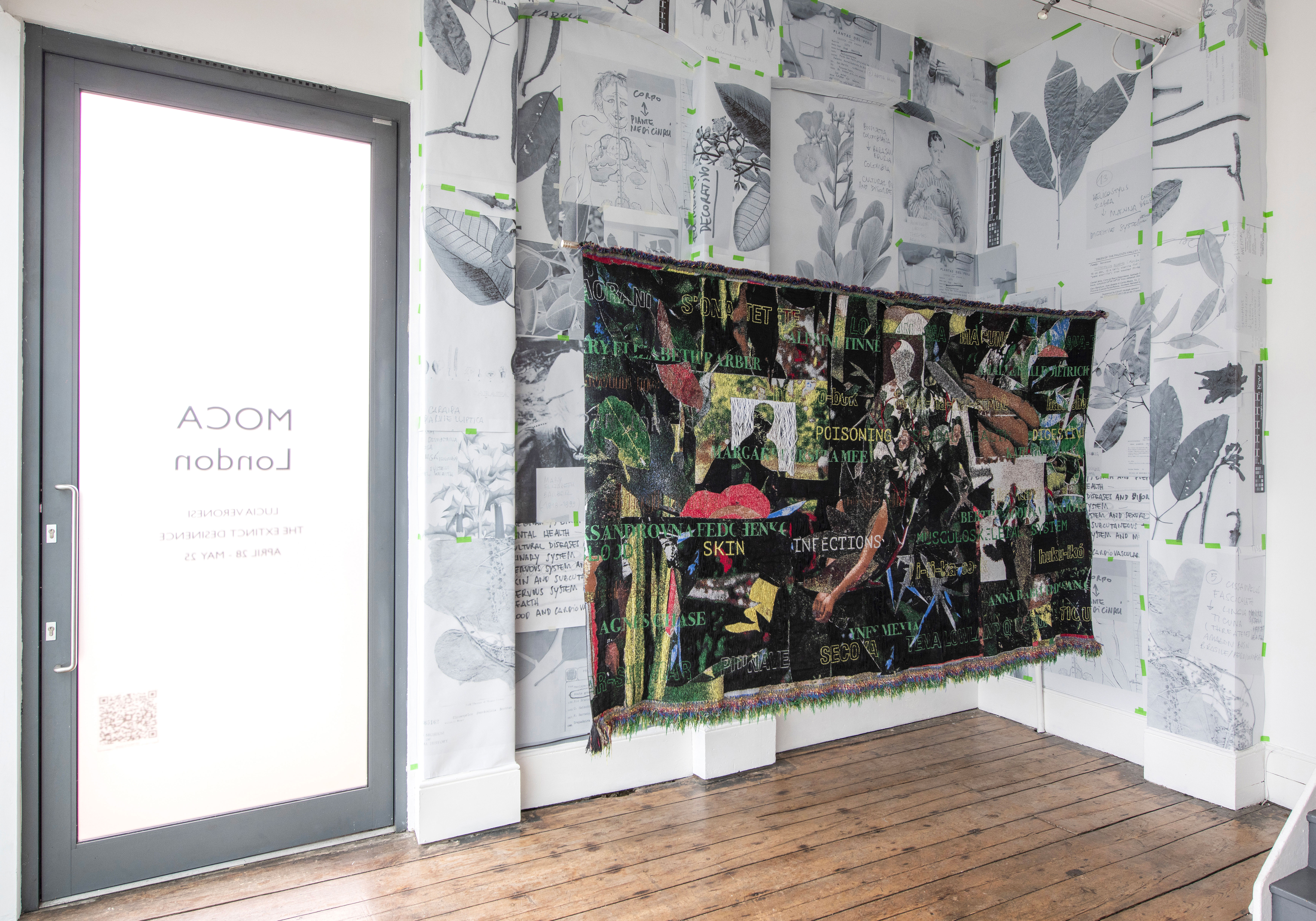
Jacquard fabric with lampas effect on the weft, 150 x 250 cm. 1/5 Edition. Installation view Moca London. Photo Justin Piperger
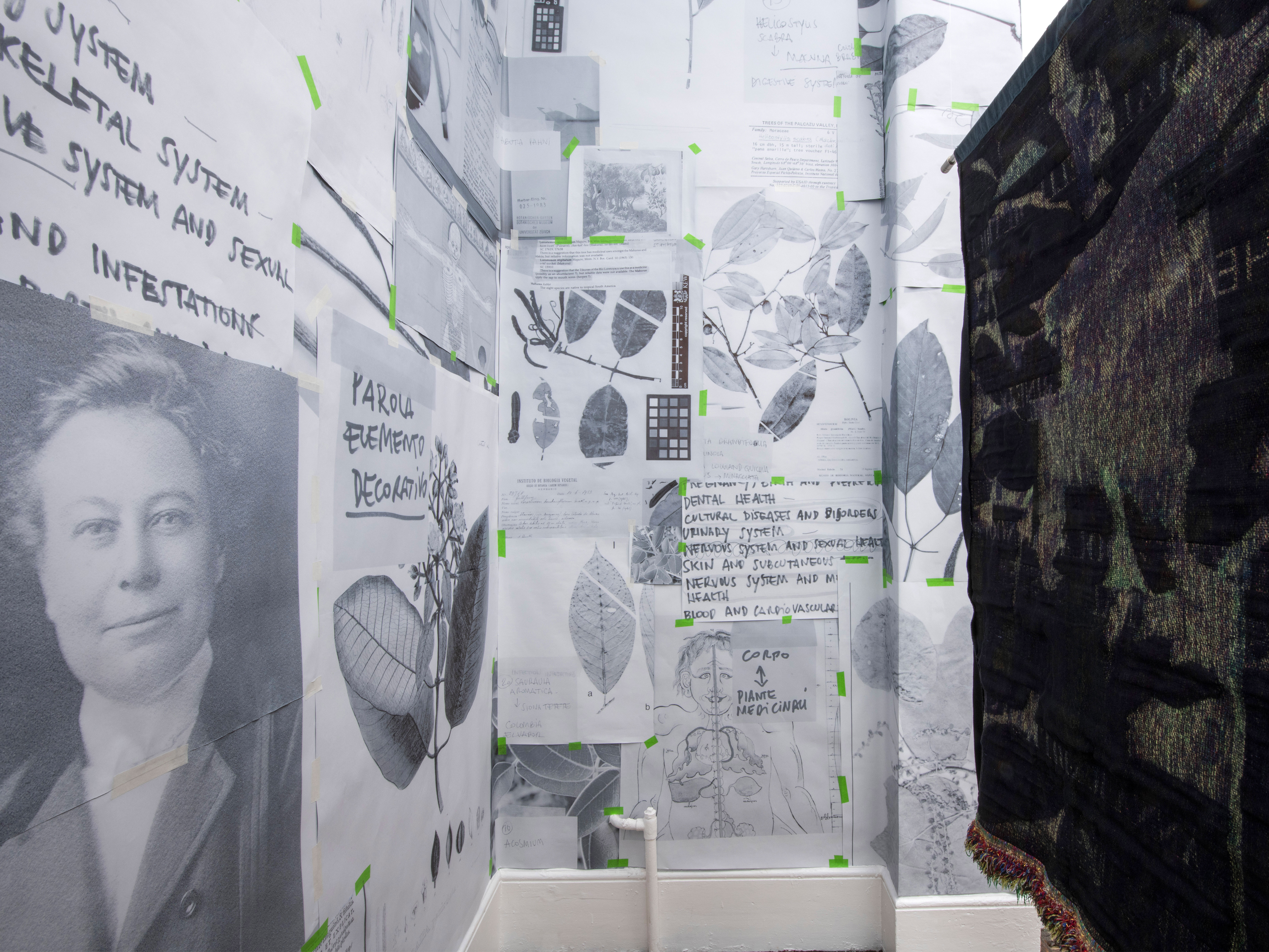
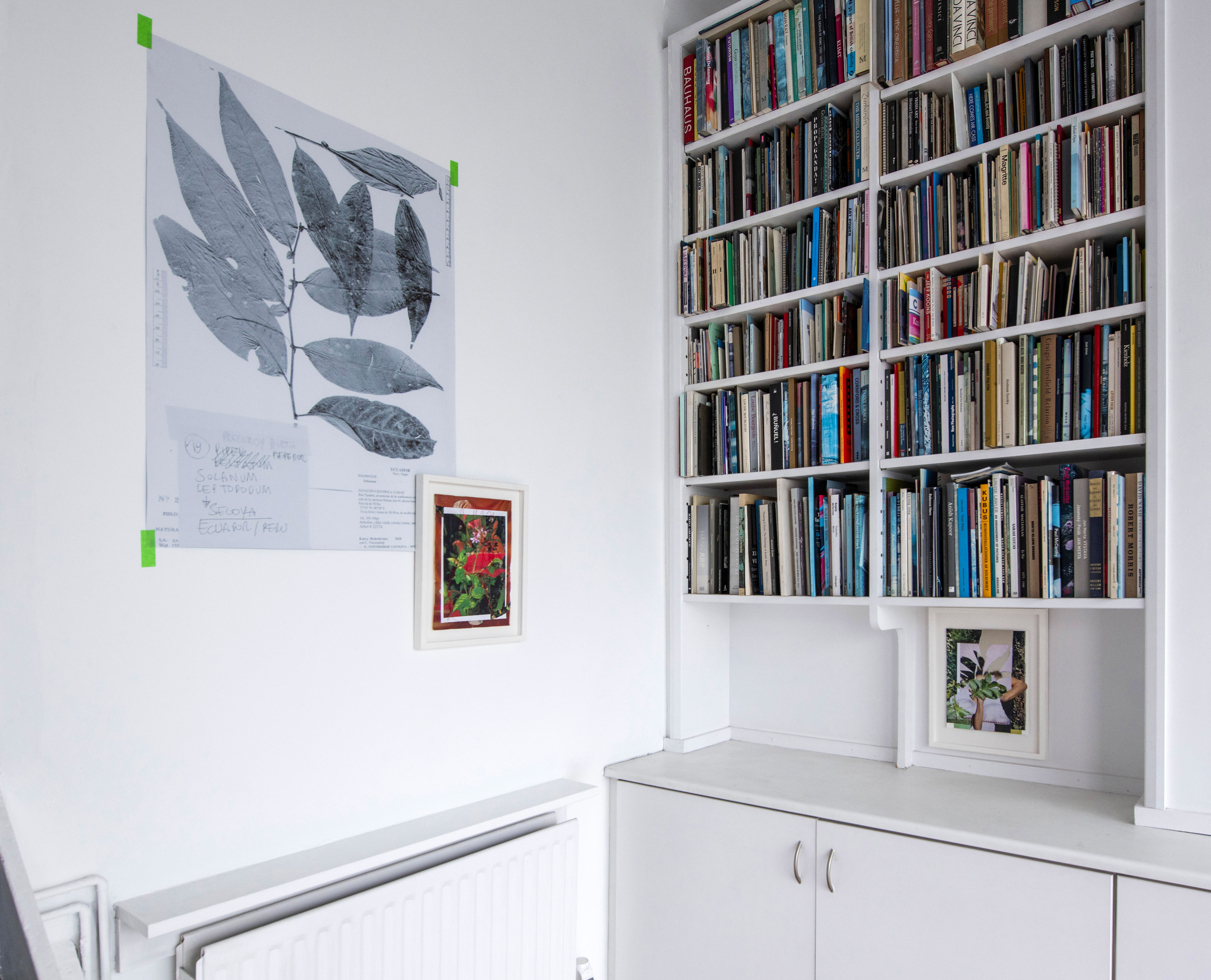
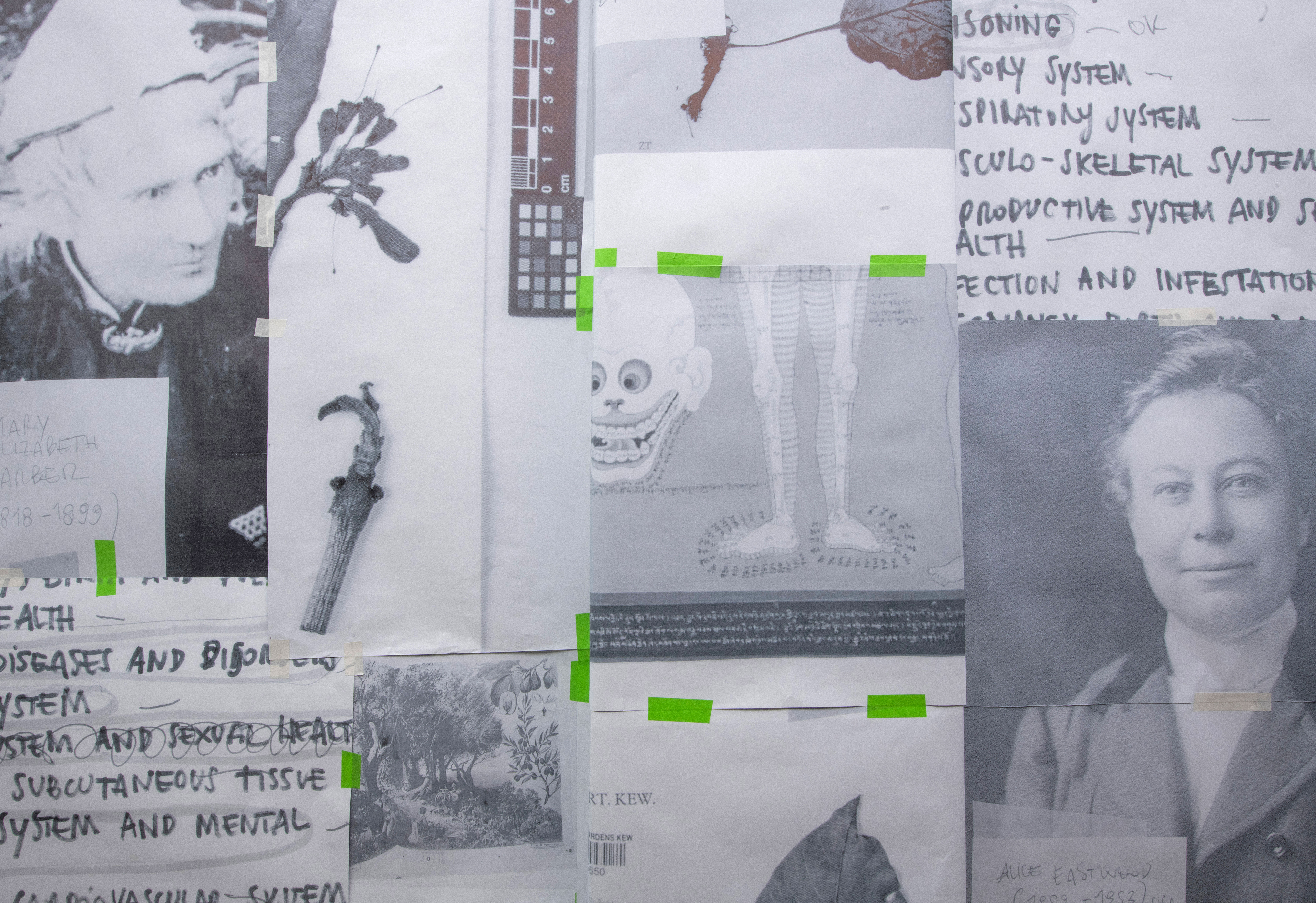
Cuphea Racemosa (La desinenza estinta), 2024. Collage and thread on paper 34.7 x 24.8 cm. / Margaret Ursula Brown Mee (La desinenza estinta), 2024. Collage on paper 30.5 x 24 cm. Installation view Moca London. Photo Justin Piperger

Jacquard fabric with lampas effect on the weft, 300 x 500 cm. Installation view Kora, Castrignano de’ Greci, Lecce. Photo Annalisa Lazoi
Jacquard fabric with lampas effect on the weft, 300 x 500 cm. Detail. Photo Annalisa Lazoi
Cuphea Racemosa (La desinenza estinta), 2024. Collage and thread on paper 34.7 x 24.8 cm. Photo Annalisa Lazoi
Jacquard fabric with lampas effect on the weft, 300 x 500 cm. Installation view Hannah Ryggen Center, Ørland Kultursenter, Brekstad, Norway. Photo Freia Beer
Collages and thread on paper. Installation view Hannah Ryggen Center, Ørland Kultursenter, Brekstad, Norway. Photo Freia Beer
Video HD, colours, black and white, stereo sound, 16:9,  7’30’’. Installation view Hannah Ryggen Center, Ørland Kultursenter, Brekstad, Norway. Photo Freia Beer

Video HD, colours, black and white, stereo sound, 16:9,  7’46’’. Frame from video
  • La desinenza estinta (The Extinct Desinence), 2024
  • progetto vincitore Italian Council (12.a Edizione, 2023), programma di promozione di arte contemporanea italiana nel mondo della Direzione Generale Contemporanea del Ministero della Cultura.
  • Tessuto jacquard effetto lampasso di trame, 3oo x 5oo cm.
    video HD, colori, bianco e nero, suono stereo, 16:9,  7’46’’
  • progetto: Lucia Veronesi
    curato e prodotto da: Ramdom (Italia)
    sostenuto da: Direzione Generale per la Creatività Contemporanea del Ministero per i Beni e le Attività Culturali nell’ambito del programma Italian Council (XII edizione, 2023) che mira a promuovere l’arte contemporanea italiana nel mondo
    in collaborazione con: Nordenfjeldske Kunstindustrimuseum MiST (Trondheim, Norvegia)
    con il supporto di: Università di Zurigo – Dipartimento di botanica sistematica ed evoluzionistica e Dipartimento di biologia evoluzionistica e studi ambientali (Zurigo, Svizzera) / Goldsmiths University (Londra, UK) / Ca’ Pesaro-Galleria Internazionale d’Arte Moderna (Venezia, Italia) / Istituto Italiano di Cultura di Oslo
    Il progetto è realizzato grazie al supporto di: Collezione Luca Bombassei
  • La desinenza estinta è un’opera che fa parte della collezione permanente di Ca’ Pesaro-Galleria Internazionale d’Arte Moderna
  • Catalogo a cura di Paolo Mele, Lucia Veronesi, Claudio Zecchi, edizione bilingue italiano e inglese, Marsilio Arte Editore
  • La desinenza estinta è un progetto artistico sulla cancellazione culturale che si sviluppa su tre livelli.
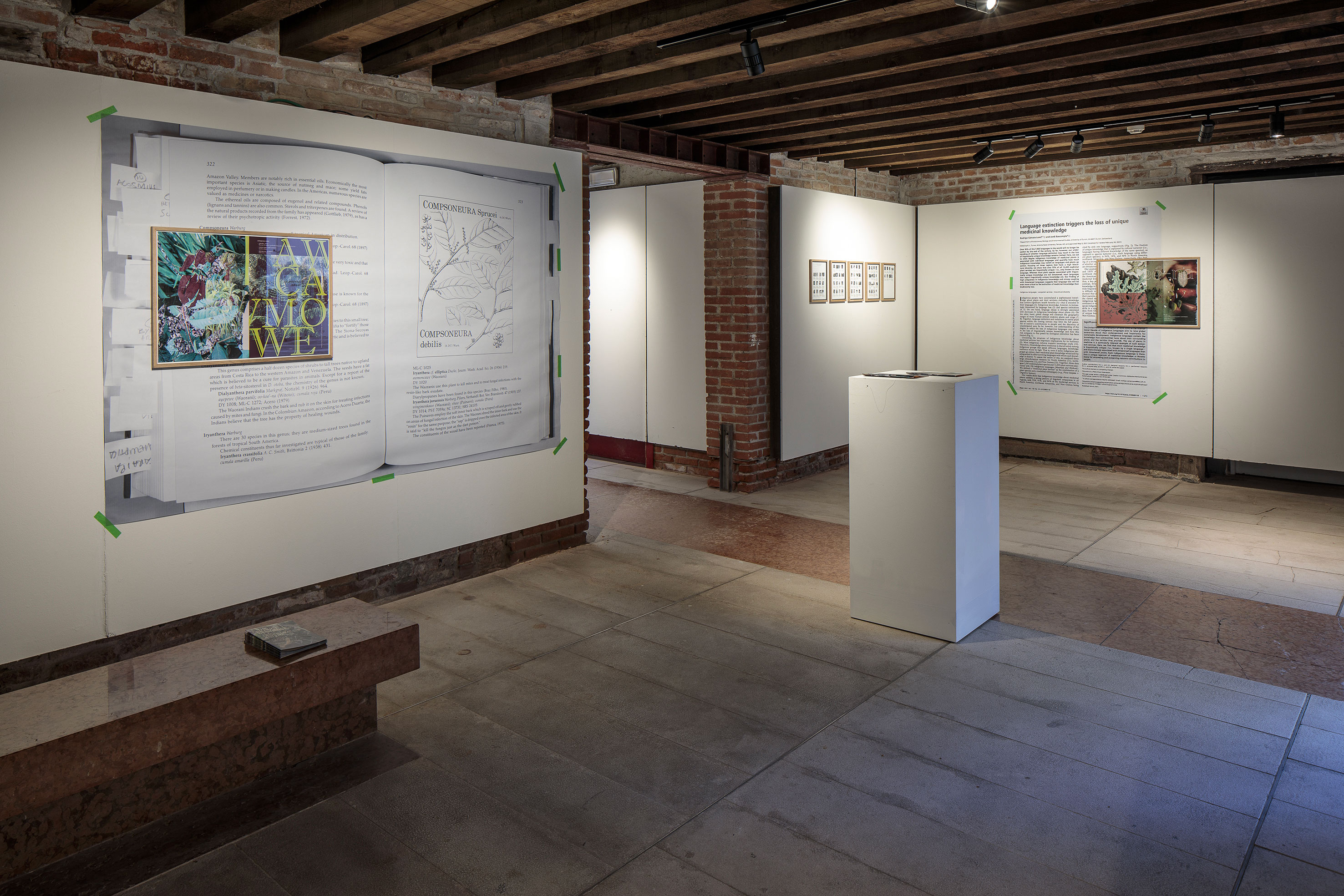
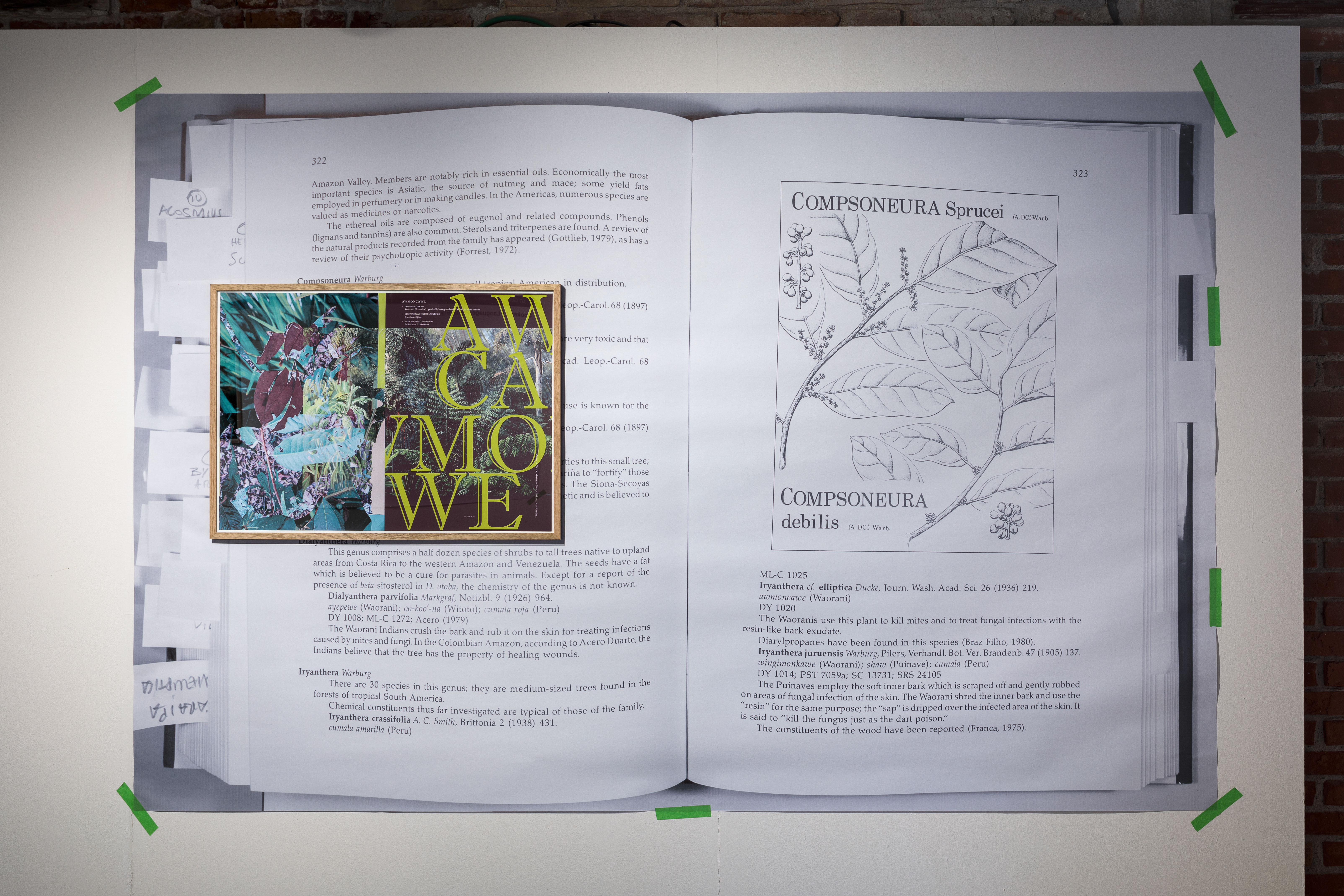
  • Il primo si ispira a uno studio sulle lingue indigene e sulla perdita delle conoscenze medicinali, condotto da Rodrigo Cámara-Leret e Jordi Bascompte dell’Università di Zurigo.
    La loro ricerca ha interessato tre macroaree: Nordamerica, Nordovest dell’Amazzonia e Nuova Guinea. Gli indigeni di quelle zone si tramandano gli usi delle piante medicinali soltanto oralmente. Molte piante e i corrispettivi usi farmaceutici sono noti solo a certe lingue. Se quelle lingue si estinguono, anche il loro sapere sparisce, e così le piante: continueranno a esistere sulla Terra ma nessuno sarà più in grado di riconoscerle, nominarle e usarle. Si stima che il 30% delle lingue si estinguerà entro la fine del XXI secolo: il sapere medicinale delle culture indigene è fortemente minacciato. Le piante prese in considerazione da La desinenza estinta provengono dal Nordovest dell’Amazzonia. Si riportano qui loro nomi indigeni e le lingue, l’area geografica, il grado di estinzione di ogni lingua, il nome scientifico della pianta e il suo uso medico. Per i nomi indigeni delle piante, l’uso medicinale e i nomi delle popolazioni si è fatto riferimento a The Healing Forest: Medicinal and Toxic Plants of the Northwest Amazonia, di Richard Evans Schultes e Robert Raffauf. I nomi scientifici, i nomi delle lingue e il loro grado di estinzione sono ricavati dalla ricerca di Cámara-Leret e Bascompte. Per valutare il grado di minaccia delle lingue, i due studiosi hanno consultato come fonte principale Glottolog, che ricava l’AES (Agglomerated Endangerment Status) dai database di The Catalog of Endangered Languages, United Nations Educational, Scientific and Cultural Organitazion, Atlas of the World’s Languages in Danger e Ethnologue. A questo primo livello sono ispirate le immagini dei collage botanici, con delle brevi didascalie.
  • Il secondo livello di cancellazione riguarda le donne che si sono occupate di botanica dal Settecento al Novecento. Si tratta di scienziate e artiste illustratrici che, in patria o in paesi esotici, hanno raccolto esemplari di piante ignote, li hanno classificati, catalogati, studiati, disegnati, dipinti. Molte di loro sono state espunte dai libri di storia, o hanno dovuto lottare duramente per ottenere un inquadramento professionale o accademico. Storie di donne che, seppur diverse per formazione scientifica e per estrazione sociale, hanno lavorato gratuitamente per anni, hanno avuto riconoscimenti tardivi, si sono travestite da uomo per poter partecipare a spedizioni scientifiche, sono state escluse da missioni botaniche perché non ritenute adatte in quanto donne. Alla maggior parte delle botaniche menzionate, ed evocate dai miei collage, furono dedicati uno o più nomi di specie di piante, spesso ricavati dal loro cognome da sposata. Perciò in queste pagine figura anche il loro cognome da nubile. I primi due livelli della Desinenza estinta hanno fra loro un rapporto simile a un’equazione: le lingue stanno alle piante come i nomi delle botaniche stanno alla storia della scienza.
  • Il terzo livello del progetto si connette così idealmente all’esempio fecondo di Hannah Ryggen, una delle artiste norvegesi più importanti del Novecento, che nei suoi arazzi seppe far convergere motivazioni politiche e soluzioni formali. Ryggen elevò la tecnica della tessitura ai gradi più sofisticati dell’arte contemporanea; era anche un’attivista che spesso usava l’arte per denunciare ingiustizie sociali e politiche. I suoi lavori, fatti interamente a mano con l’utilizzo di un telaio verticale, sono enormi manifesti dove astrazione e figurazione costruiscono una narrazione complessa, all’altezza delle più avanzate ricerche artistiche del suo tempo. Nei suoi arazzi, l’elemento tessile stesso è un ingrediente ricavato dal paesaggio norvegese, che così entra nel suo lavoro concretamente, intensificando il rapporto delle immagini con la natura. La sua ricerca si può leggere come una riflessione eco-filosofica: la relazione fra esseri umani e ambiente naturale coinvolge sia i soggetti rappresentati sia la materia organica di cui sono fatti gli arazzi e le condizioni in cui sono stati realizzati.
  • La pubblicazione non si propone, infine, di colmare un vuoto scientifico o culturale di secoli di storia, ma agisce piuttosto come strumento di ricerca visiva e complementare al lavoro sviluppato con l’arazzo e il video. Questi tre “oggetti” dialogano tra di loro e sono l’uno il complemento dell’altro. In particolare, restituisce un percorso di ricerca annuale compiuto tra Londra, Zurigo e Trondheim, senza ripercorrerne le tappe in sequenza cronologica. Ogni aspetto registrato in questi tre momenti è un filo che s’intreccia in una storia più ampia e complessa; una storia allo stesso tempo locale e universale, le cui ricadute formali, tra collages di piante e di botaniche, video e lavori in tessuto, aprono a nuovi paradigmi visivi, nuove composizioni figurali e cromatiche.


  1. La desinenza estinta (The Extinct Desinence), 2024
  2. winner project Italian Council (12.a Edition, 2023), programme for the promotion of Italian contemporary art in the world of the Contemporary General Directorate of the Ministry of Culture.
  3. Jacquard fabric with lampas effect on the weft, 3oo x 5oo cm.
    HD video, colour, black and white, stereo sound, 16:9, 7’46”
  4. project: Lucia Veronesi
    curated and produced by: Ramdom (Italia)
    supported by: Directorate – General for Contemporary Creativity of the Italian Ministry of Culture under the Italian Council program (12th Edition, 2023) which aims to promote Italian contemporary art worldwide
    in collaboration with: Nordenfjeldske Kunstindustrimuseum MiST (Trondheim, Norvegia)
    with the support of  Università di Zurigo – Dipartimento di botanica sistematica ed evoluzionistica e Dipartimento di biologia evoluzionistica e studi ambientali (Zurigo, Svizzera) / Goldsmiths University (Londra, UK) / Ca’ Pesaro-Galleria Internazionale d’Arte Moderna (Venezia, Italia) / Istituto Italiano di Cultura di Oslo
    the project is made thanks to the support of: Collezione Luca Bombassei
  5. The Extinct Desinence is an artwork that is part of the permanent collection of  Ca’ Pesaro-Galleria Internazionale d’Arte Moderna
  6. Catalog curated by Paolo Mele, Lucia Veronesi, Claudio Zecchi, bilingual Italian and English, Marsilio Arte Publisher
  7. La desinenza estinta (The Extinct Desinence) is an artistic project on cultural cancellation that develops on three levels.
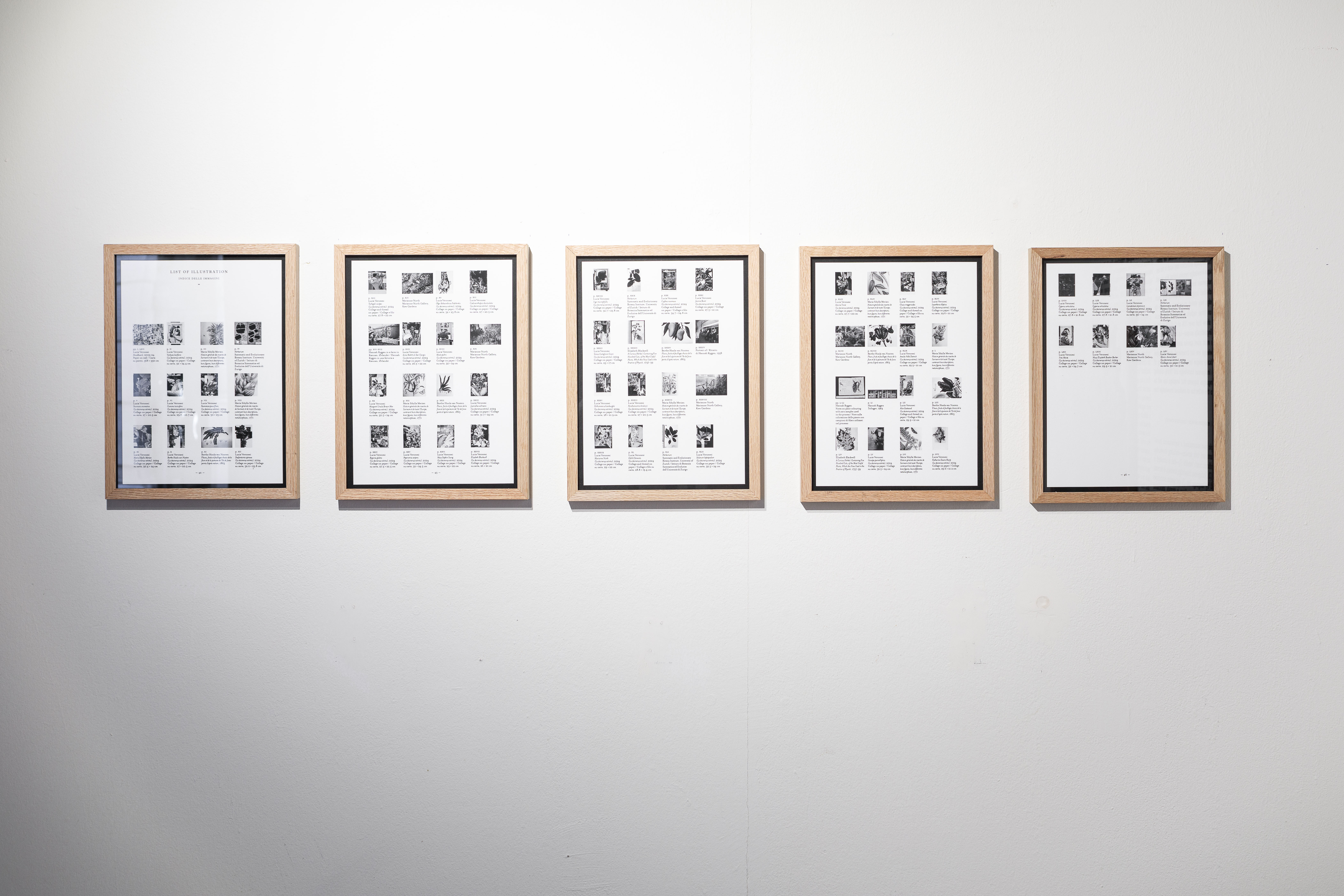
  8. The first is inspired by a study of indigenous languages and the loss of medicinal knowledge, conducted by Rodrigo Cámara-Leret and Jordi Bascompte of the University of Zurich.1 Their research covered three macro-areas: North America, Northwest Amazon and New Guinea. The indigenous peoples of these areas hand down their knowledge of the uses of medicinal plants only by word of mouth. Many plants and their pharmaceutical uses are known only in certain languages. If those languages become extinct, their knowledge also disappears, and so do the plants. They will continue to exist on Earth but no one will be able to recognise, name and use them any longer. It is estimated that 30 percent of all languages will be extinct by the end of the 21st century. The medicinal knowledge of indigenous cultures is seriously threatened. The plants considered by La desinenza estinta come from the Northwest Amazon. Here we record their indigenous names and their respective languages, geographical area, degree of extinction of each language, scientific names of the plants and their medicinal uses. For indigenous plant names, their medicinal uses and the names of the peoples, reference was made to The Healing Forest: Medicinal and Toxic Plants of the Northwest Amazonia, by Richard Evans Schultes and Robert F. Raffauf. Their scientific names, the names of the languages and their degrees of extinction are derive from the research by Cámara-Leret and Bascompte. To assess the degree of threat to the languages, the two scholars consulted Glottolog as their main source. This derives the AES (Agglomerated Endangerment Status) from the databases of the UNESCO Atlas of the World’s Languages in Danger, and Ethnologue: Languages of the World by SIL International (Summer Institute of Linguistics). This first level inspired the images of the botanical collages, with brief captions.
  9. The second level of loss concerns women who worked in botany from the 18th century to the 20th. They were female scientists and illustrators who, in their homelands or in distant countries, collected specimens of unknown plants and classified, catalogued, studied, drew and painted them. Many of them have been cancelled from the history books, or had to struggle hard to gain professional or academic standing. These are stories of women who, although differing in their training and social backgrounds, worked unpaid for years, won recognition late, disguised themselves as men to take part in scientific expeditions, or were excluded from botanical missions because they were considered unsuitable as women. Most of the women botanists mentioned here, and evoked by the collages, had one or more plant species named after them, often derived from their married surname. For this reason, their maiden names also appear in these pages. The relation between the first two levels of La desinenza estinta resemble a mathematical proportion: languages are to plants as the names of botany are to the history of science.
  10. The third level of the project is thus ideally connected to the fruitful example of Hannah Ryggen, one of the most important Norwegian artists of the 20th century, whose tapestries combined political motivations with formal patterns. Ryggen raised the technique of weaving to the most refined levels of contemporary art. She was also an activist who often used art to denounce social and political injustices. Her works, entirely hand-made on a vertical loom, are like huge posters, where abstraction and figuration construct a complex narrative, on the cutting edge of the most advanced artistic research of her time. In her tapestries, the textile element itself is an ingredient taken from the Norwegian landscape, which thus entered her work concretely, intensifying the relationship of images with nature. Her work can be read as an eco-philosophical reflection: the relationship between human beings and the natural environment involves both the subjects represented and the organic matter of which the tapestries are made, as well as the conditions in which they were made.
  11. Finally, the publication does not aim to fill a scientific or cultural vacuum of centuries of history. Rather it serves as a tool of visual research, and complements the work done in tapestry and video. These three objects dialogue with and complement each other. The publication, in particular, records on the whole the annual path of research conducted between London, Zurich and Trondheim, without retracing the stages in a chronological sequence. Each aspect recorded in these three phases is a thread entwined with a broader and more complex story; a story that is both local and universal, whose formal outcomes, including collages of plants and botanists, videos and fabrics, open up new visual paradigms, new figural and chromatic compositions.
(B)lido I, 2023, embroidery on fabric, 72 x 45 cm.
Detail
(B)lido II, 2023, embroidery on fabric, 72 x 45 cm.
Detail
(B)lido III, 2023, embroidery on fabric, 72 x 45 cm.
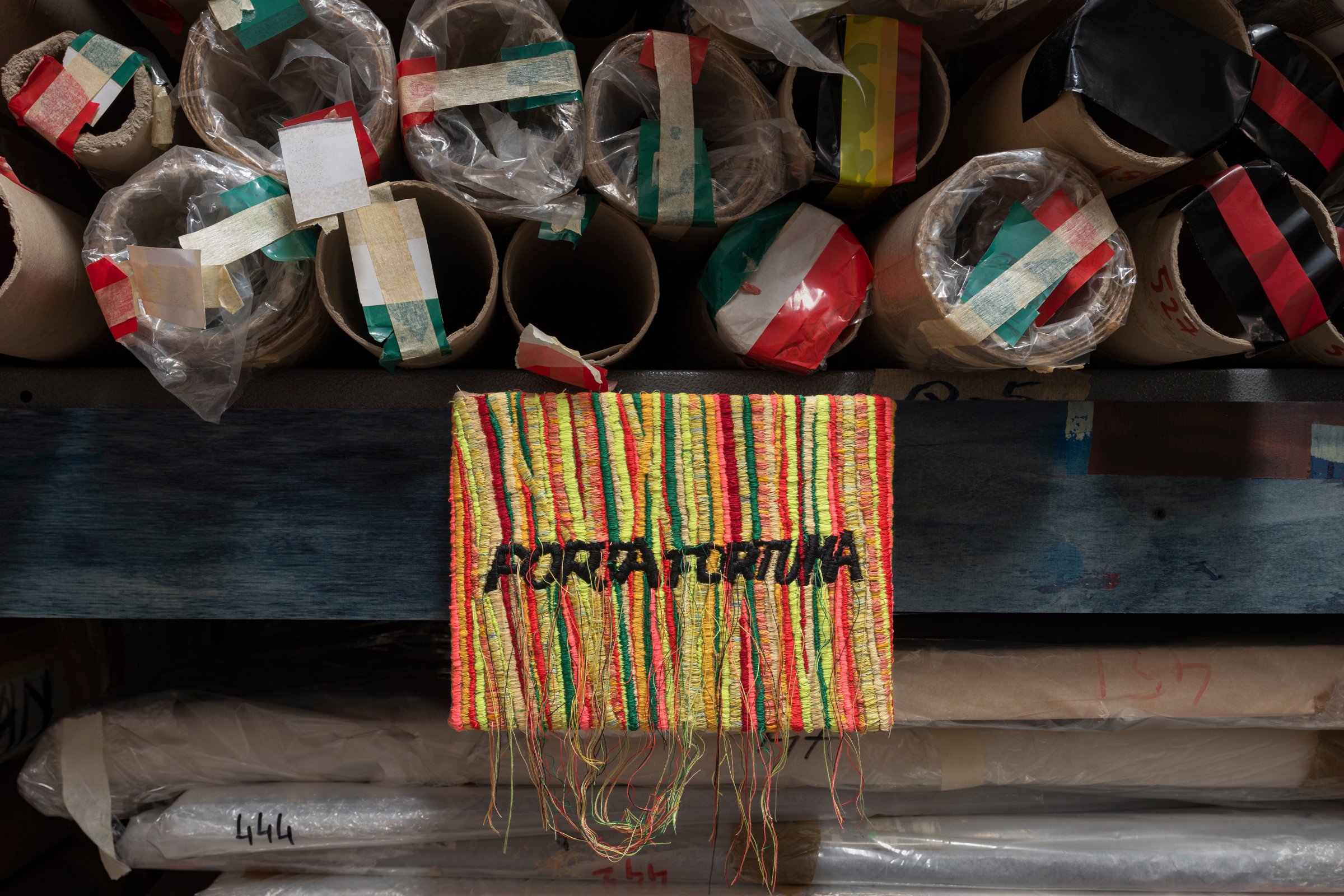
Portafortuna, 2023, embroidery on fabric, 15 x 20 cm.
Installation view, Lucia Veronesi (B)lido, 2023. Photo Marco Davolio. Photo Marco Davolio
Installation view, Alice Pedroletti, Campionario 2023 – Lucia Veronesi (B)lido, 2023. Photo Marco Davolio
Installation view, Alice Pedroletti and Lucia Veronesi – Projection, archive fragments, 2023. Photo Marco Davolio
Installation view, photo Marco Davolio
  • PROJECT ROOM #8
  • Alice Pedroletti e Lucia Veronesi
  • 25.09.2023 – 25.11.2023, Archivio Atelier Pharaildis Van den Broeck, Milano
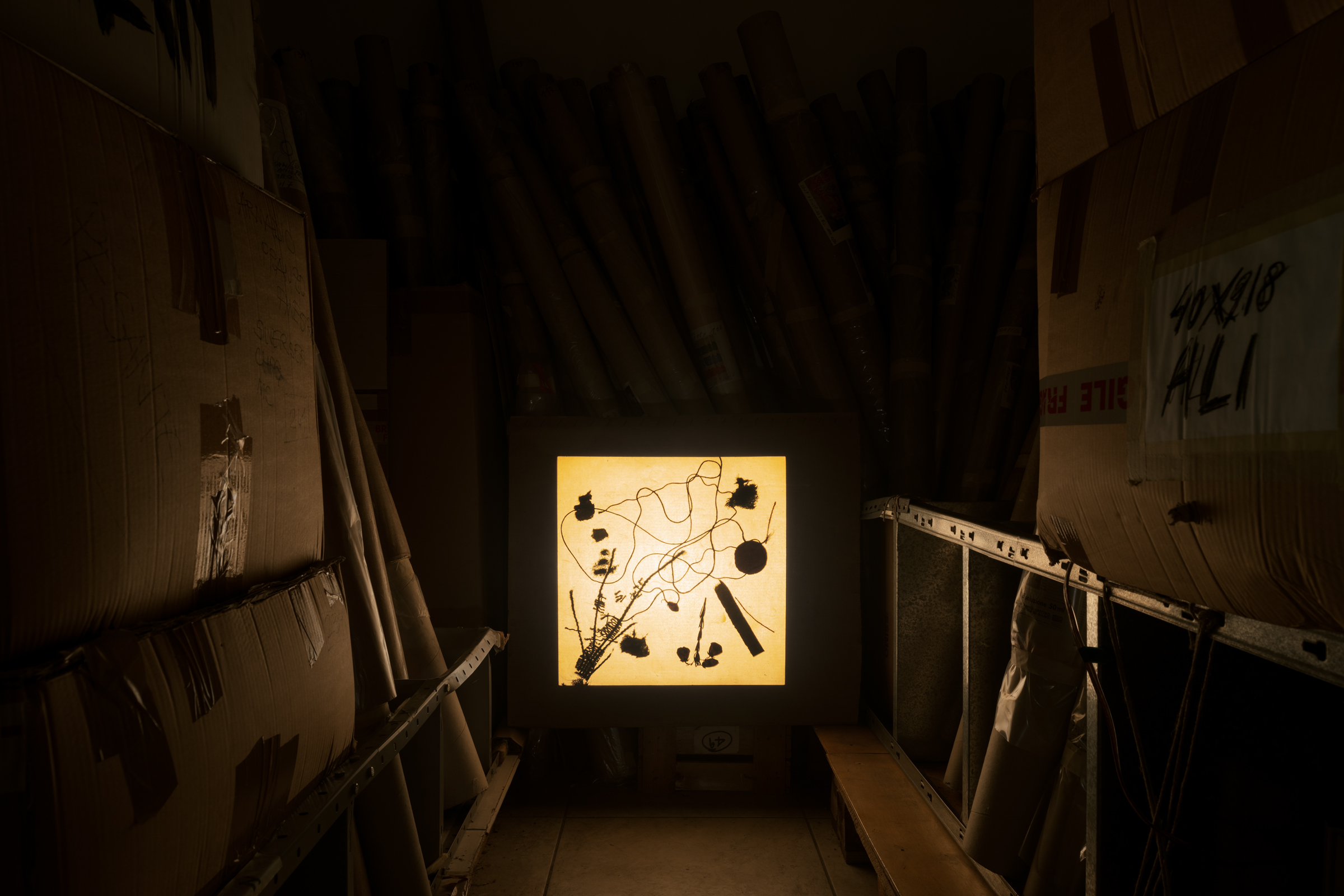
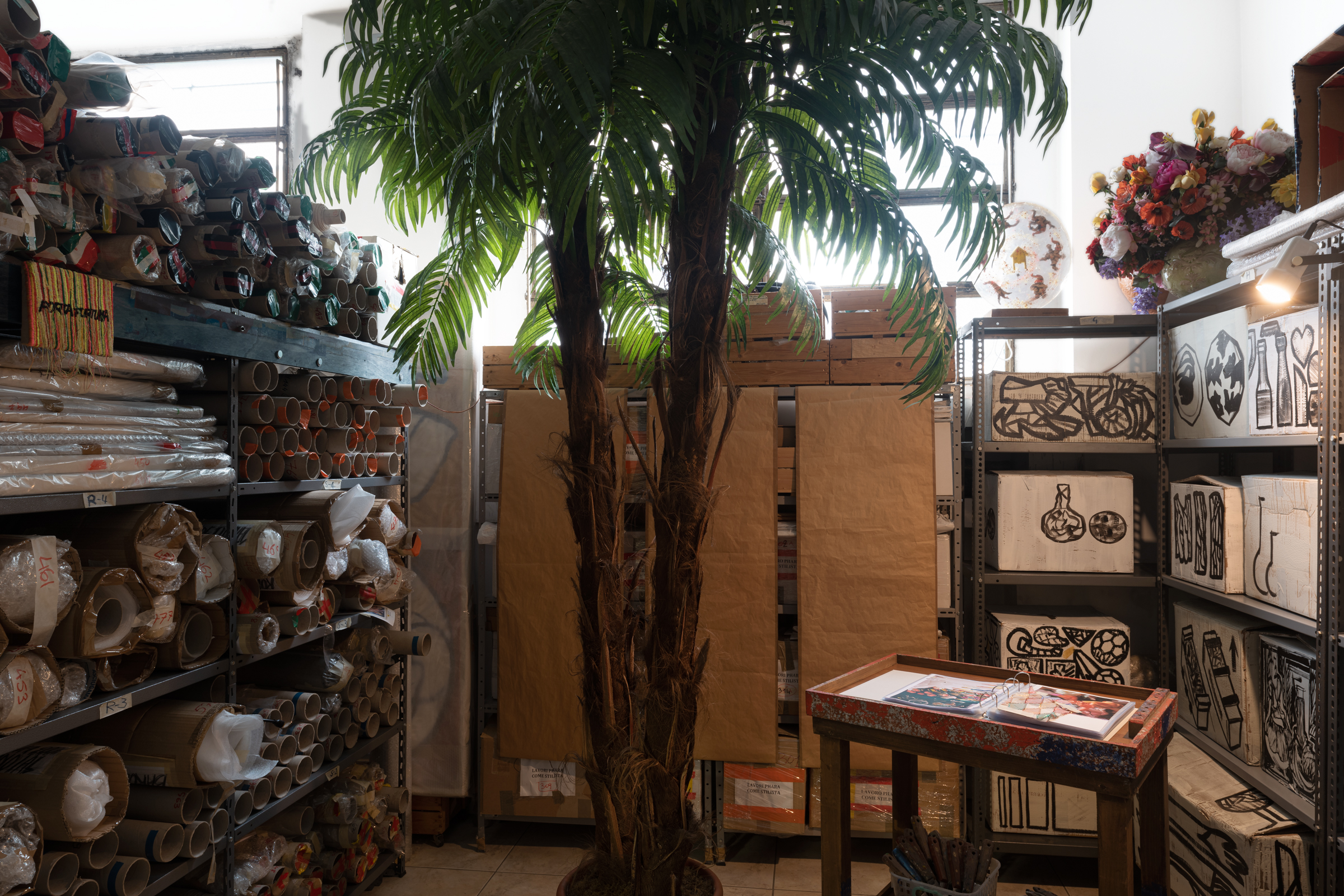
  • Entrando in Archivio ci sono elementi che si notano subito e altri che si svelano nel tempo. Uno degli oggetti più visibili e bizzarri è una grande palma di plastica, impolverata, vecchia e decisamente troppo grande in proporzione allo spazio. La si ritrova anche nelle immagini raccolte nei faldoni: a volte addobbata, a volte di sfondo, a volte ripresa per sbaglio. Un elemento visivo ingombrante, disturbante, apparentemente senza logica. Un grande frammento che sovrastando lo spazio sovrasta anche i nostri pensieri e che abbiamo pensato di nascondere, celare alla vista, ri-archiviare. Eppure c’è, ed è un elemento più che determinante di quel luogo.
  • La palma è una scenografia dimenticata, archiviata in deposito; un ricordo di un paesaggio lontano, di un set anni ‘80; una quinta di una recita sospesa arrivata chissà come in studio, forse nella compulsione dell’accumulare, dell’archiviare e che ora è semplicemente lì. Rappresenta una natura congelata, immobile, irreale, senza frutti, senza bisogno di acqua o luce, senza crescita perchè già pianta adulta. La palma è simbolo e ossimoro di un tempo infinito, dilatato così tanto da durare, potenzialmente, per sempre. 
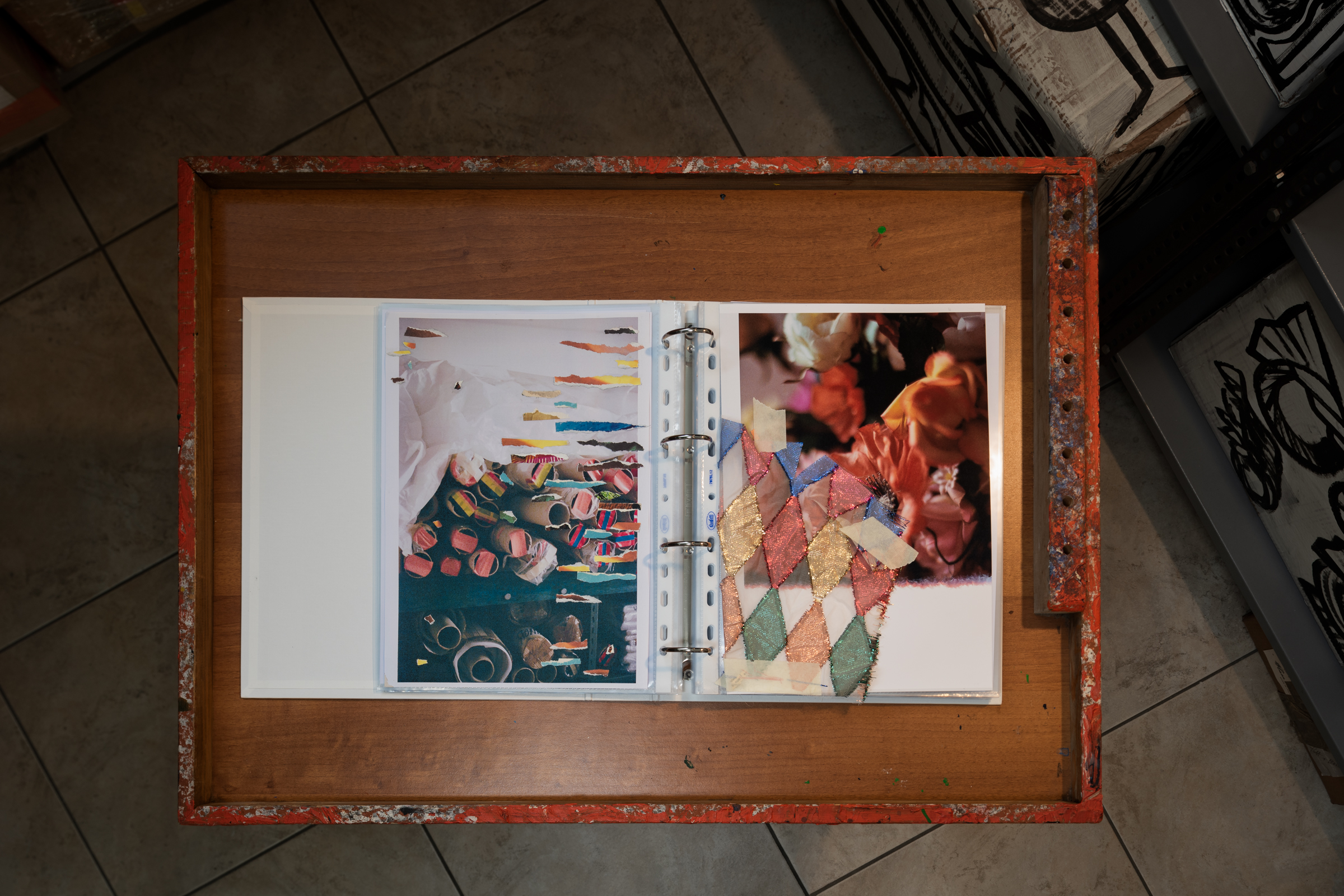
  • Un elemento che emerge in modo graduale e stratificato invece è la carta. Presente ovunque e in ogni forma e dimensione, dal supporto per l’archivio, agli imballaggi e display per gli oggetti, alle prove disordinate di sculture e disegni fino ad essere soggetto stesso dell’opera. La carta regna silente in ogni angolo dello spazio, pur non mostrandosi così spudoratamente come la palma. Si usa la carta per impacchettare i regali, trasformando un oggetto in desiderio, rendendo qualcosa di silenzioso, rumoroso, presente, e aggiungendo un valore spazio-temporale al gesto dello scartare. La carta diventa un elemento multifunzionale e multisensoriale. Conserva quella caratteristica di natura infinita che la palma rappresenta, ma che la plastica rende irreale, soprattutto al tatto. La carta è supporto per gli appunti, che riempiono i faldoni dell’achivio. Parole a volte buffe, misteriose, scritte in più lingue che si mescolano. E’ un linguaggio da decifrare, fatto di simboli da tradurre, che rielaborato prende nuova forma con il ricamo e il filo, formando patterns irregolari fatti di intrecci e nuove possibilità.
  • La carta come materiale povero per fotografie e appunti visivi dove scenografie per piccole sculture vengono costruite ed eleborate insieme a mockup per installazioni. 
  • La carta che protegge. Carta che rielaborata oggi, diventa opera scultorea partendo da imballaggi, confezioni, coriandoli, stelle filanti, materiali di produzione su larga scala; i fogli-scultura diventano unici e irripetibili, in un campionario di prove materiche che dura nel tempo. La carta si fa soggetto, trasformandosi in altra carta o tessuto, attraverso gesti performativi nascosti, silenti, lontani:  è un linguaggio che si rinnova, mentre lo spazio dell’archivio si trasforma in una nuova scenografia. La carta, elemento comune ad entrambe è da dove siamo partite, la palma come metafora e scenografia di un teatrino distratto, è dove siamo arrivate. 


  1. PROJECT ROOM #8
  2. Alice Pedroletti and Lucia Veronesi
  3. 25.09.2023 – 25.11.2023, Archivio Atelier Pharaildis Van den Broeck, Milan
  4. Upon entering the Archives, elements are immediately noticeable, and others reveal themselves over time. One of the most visible and bizarre objects is a large plastic palm tree, dusty, old and far too big in proportion to the space. It can also be found in the images collected in the folders: sometimes adorned, sometimes in the background, sometimes taken by mistake—a bulky, disturbing visual element, seemingly without logic. A large fragment that overhangs the space and our thoughts and that we have thought of hiding, concealing from view, re-archiving. Yet it is there and a more than defining element of that place.
  5. The palm tree is a forgotten set, archived in storage; a memory of a distant landscape, of an 80s set design; a backdrop of a suspended play that arrived who knows how in the studio, perhaps in the compulsion to accumulate, to archive, and which is now simply there. It represents a frozen, motionless, unreal nature, without fruit, no need for water or light, and no growth because it is already an adult plant. The palm tree is a symbol and oxymoron of infinite time, dilated so much that it potentially lasts forever. An element that emerges in a gradual and layered manner, on the other hand, is paper. It is present everywhere and in every shape and size, from the support for archives to packaging and displays for objects, to the messy sketches of sculptures and drawings, to being the subject of the work itself, the final artwork. Paper reigns silently in every corner of the space while not showing itself as shamelessly as the palm tree. Paper is used to wrap presents, transforming an object into a desire, making something silent, noisy, and present, and adding a spatial-temporal value to the act of unwrapping. Paper becomes a multifunctional and multi-sensorial element. It retains that characteristic of infinite nature that the palm tree represents, but which plastic makes unreal, especially to the touch. Paper is a support for notes, which fill the folders of the archive. Sometimes funny and mysterious words are written in several languages that intermingle. It is a language to be deciphered, made up of symbols to be translated, which, reworked, takes a new shape with embroidery and thread, forming irregular patterns made up of interlacements and new possibilities. Paper as a poor material for photographs and visual notes where sets for small sculptures are constructed and elaborated with mockups for installations. 
  6. Paper that protects. Paper that, reworked today, becomes a sculptural work, starting from packaging, confetti, streamers, and large-scale production materials; the sculpture sheets become unique and unrepeatable in a sampling of material evidence that lasts over time. 
  7. Paper becomes a subject, transforming itself into other paper or fabric through hidden, silent, distant performative gestures: it is a language that renews itself, while the archive’s space is transformed into a new scenography. The paper, an element common to both, is where we started from; the palm tree, metaphor and scenography of a distracted little theatre is where we arrived. 

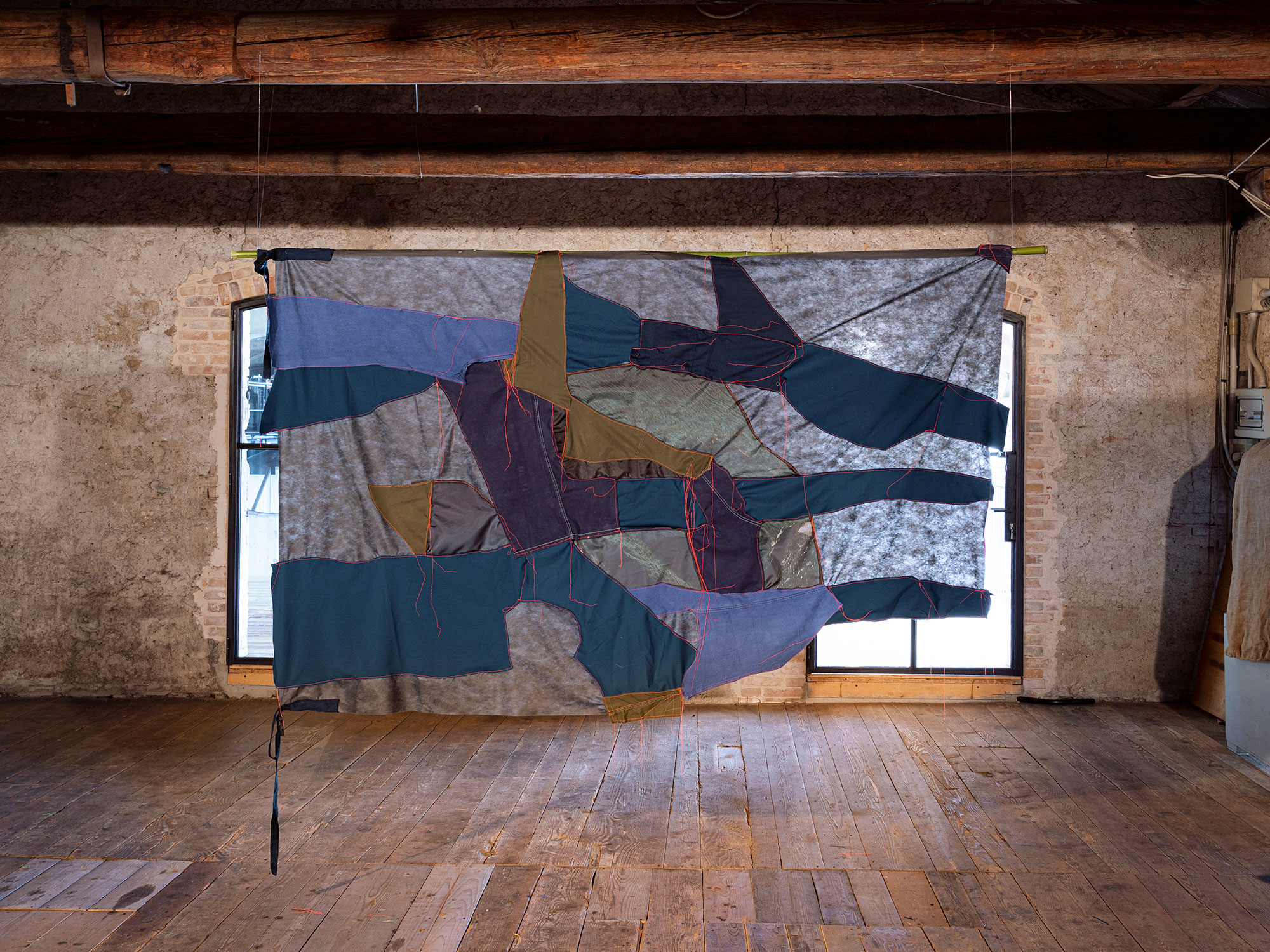
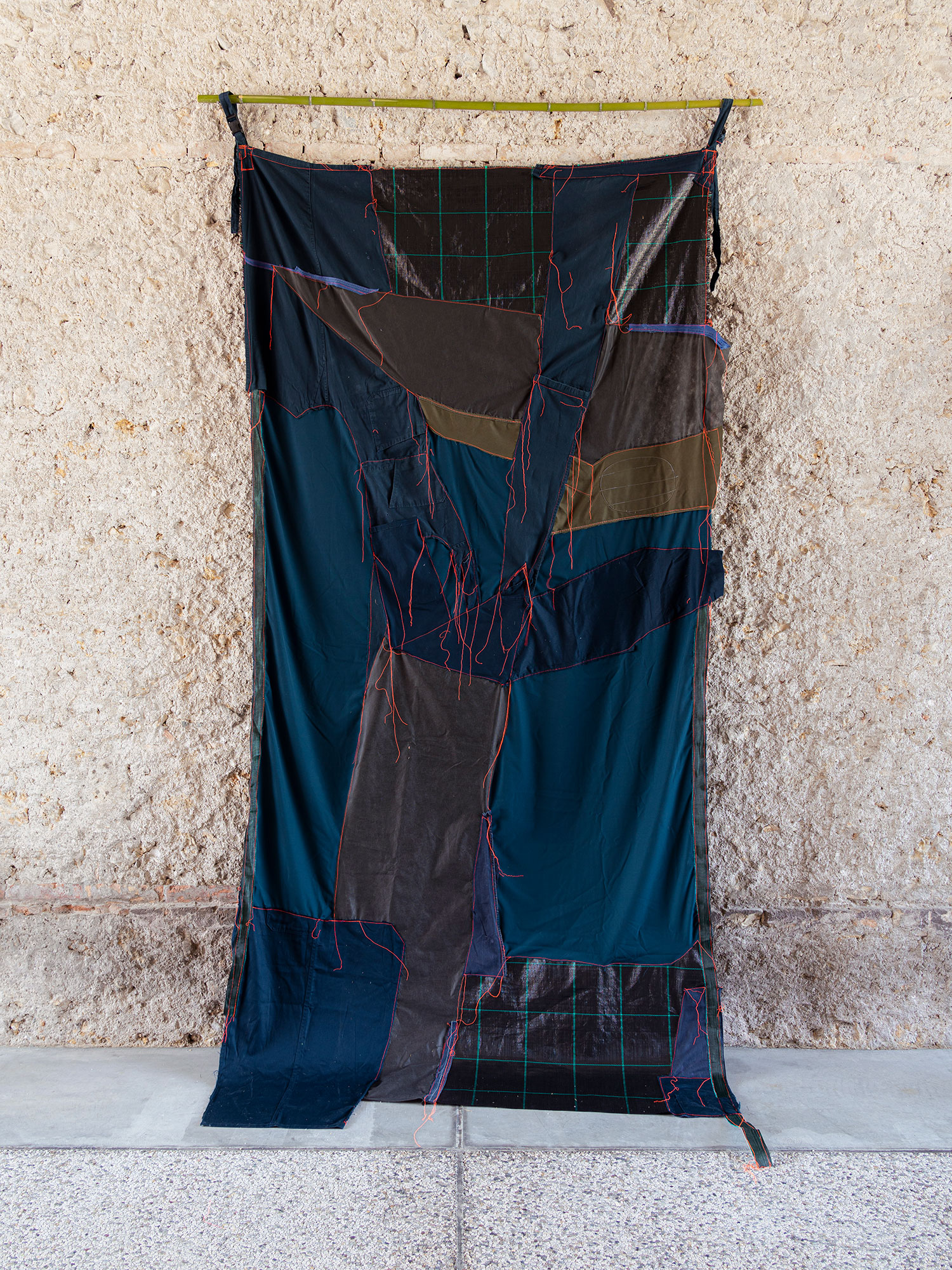
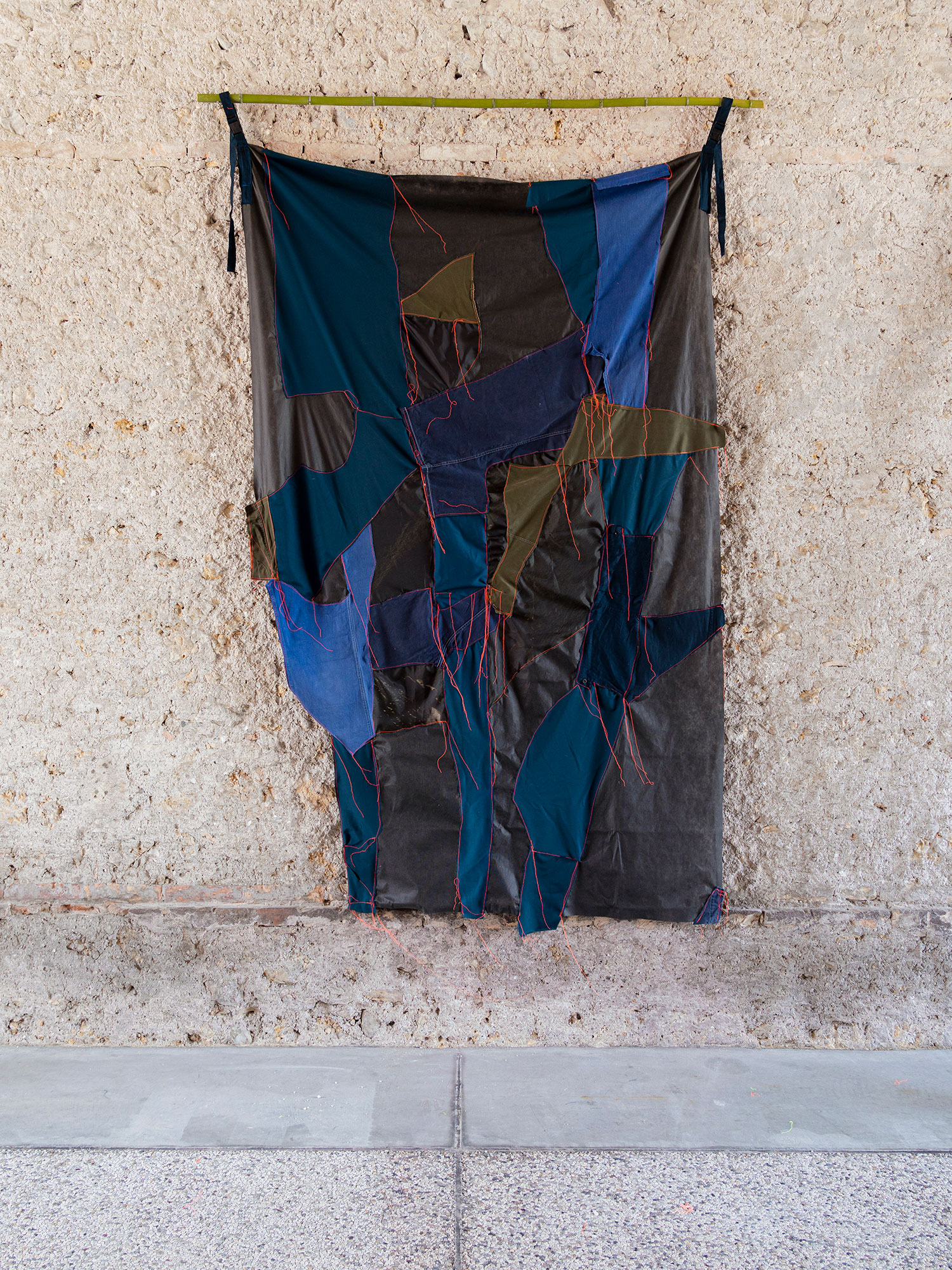
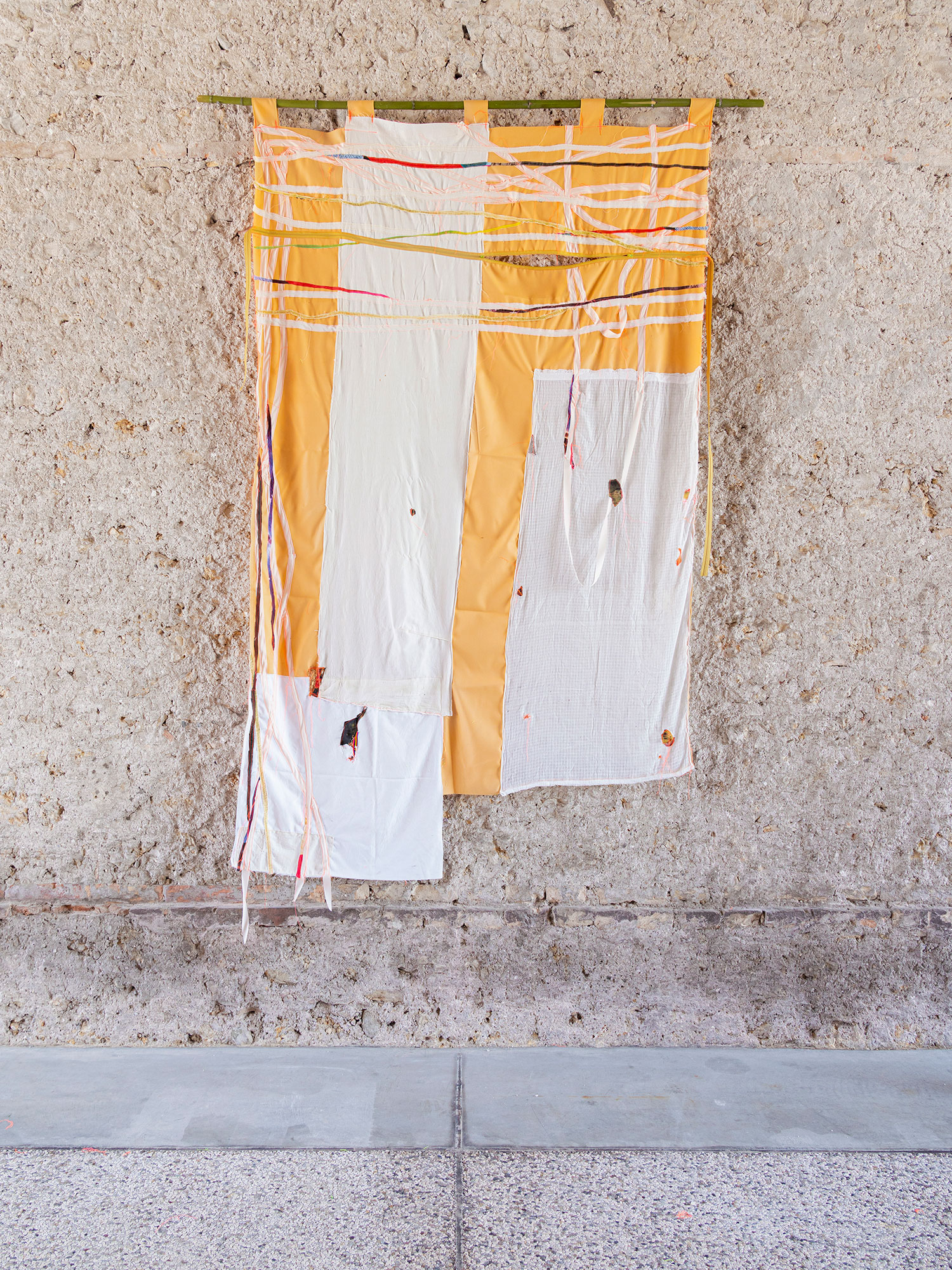
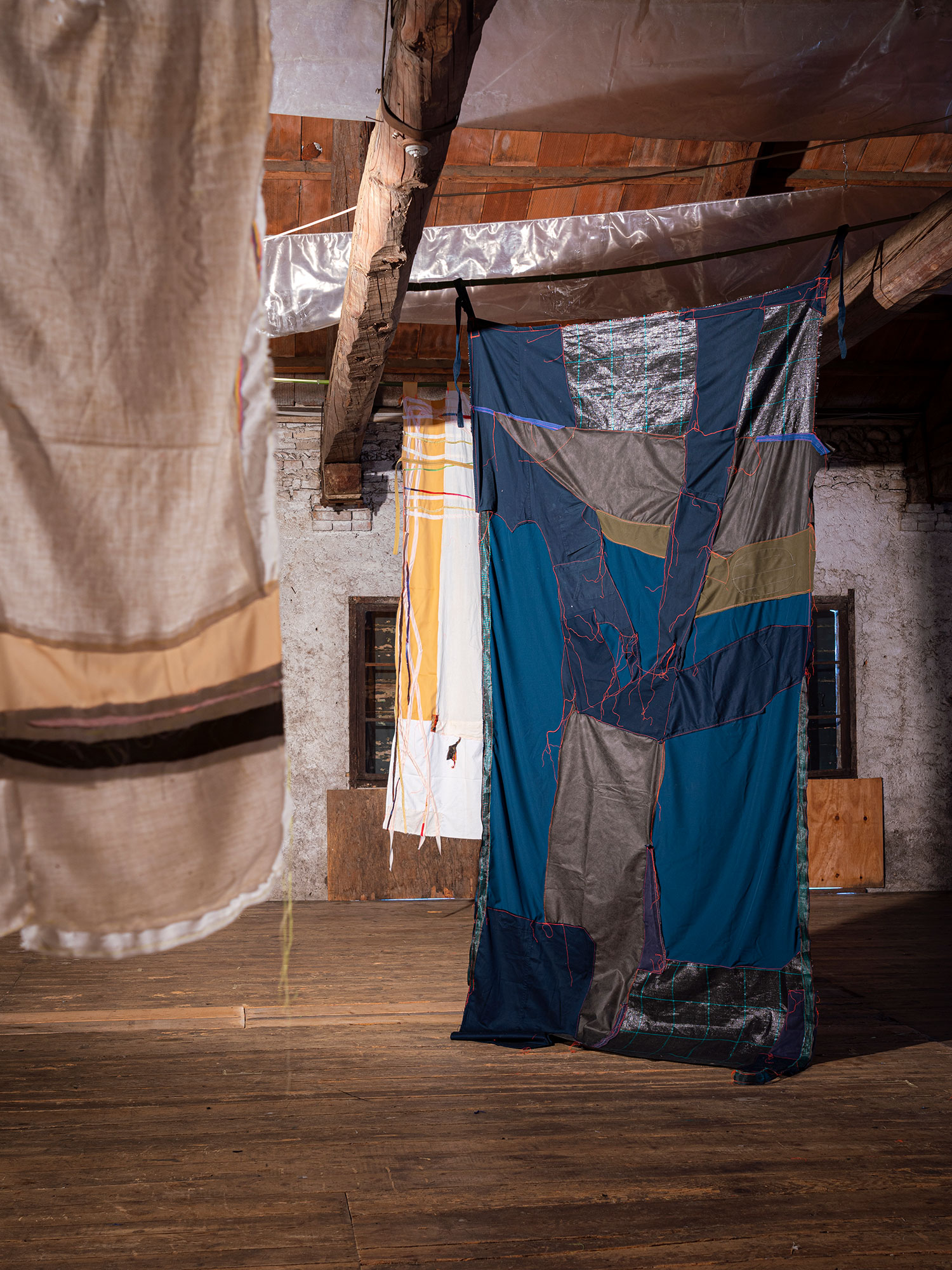
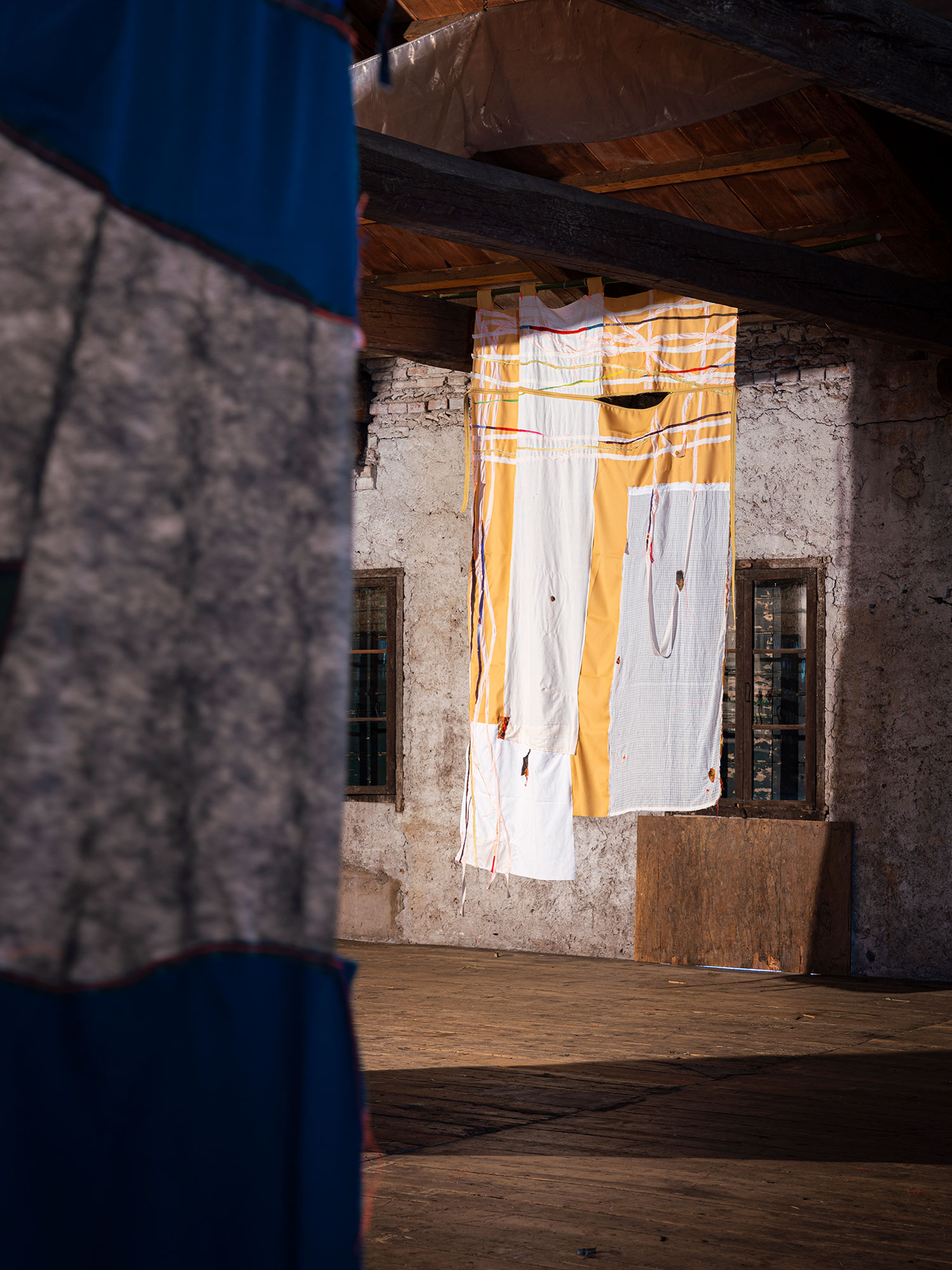
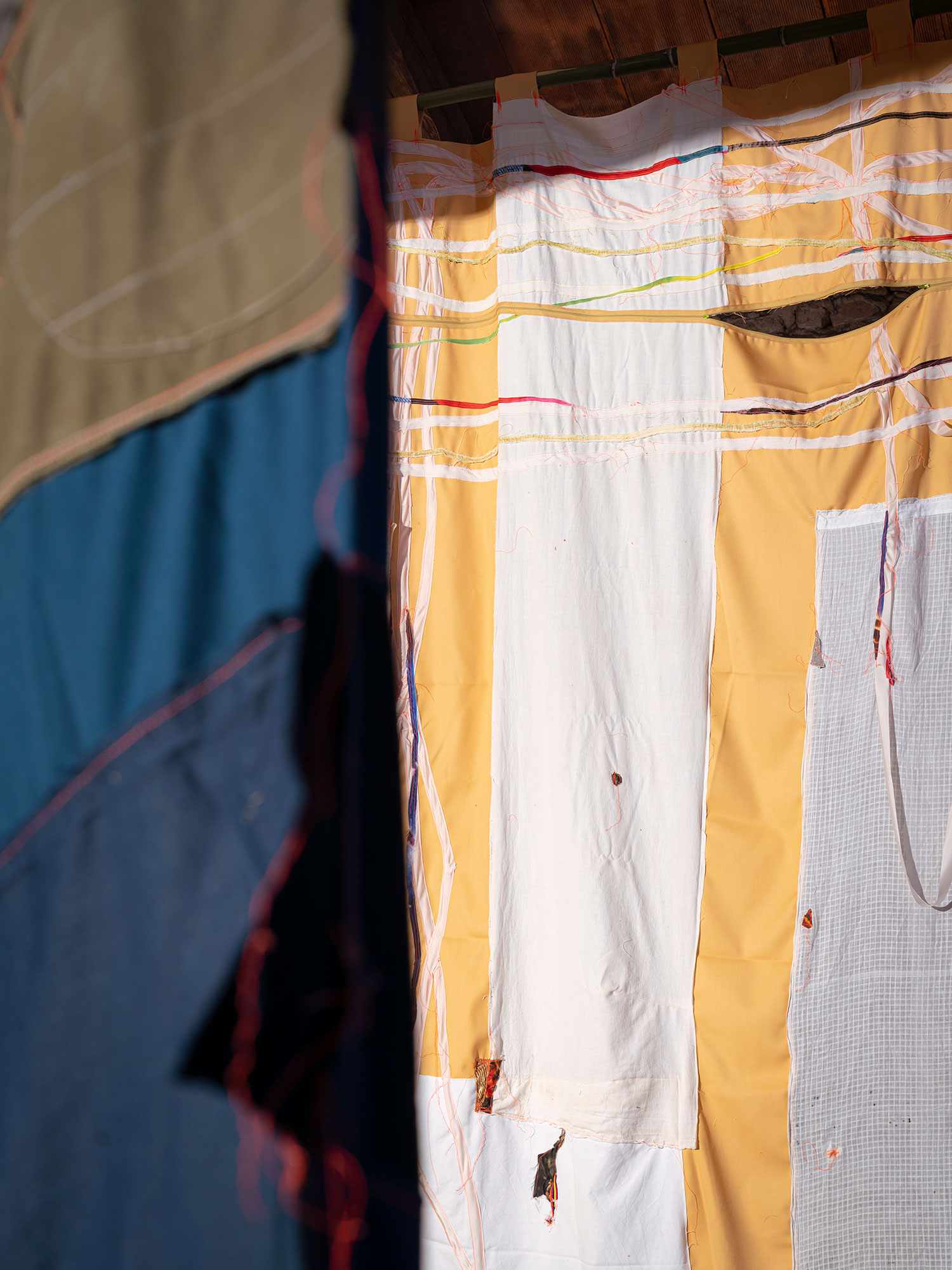
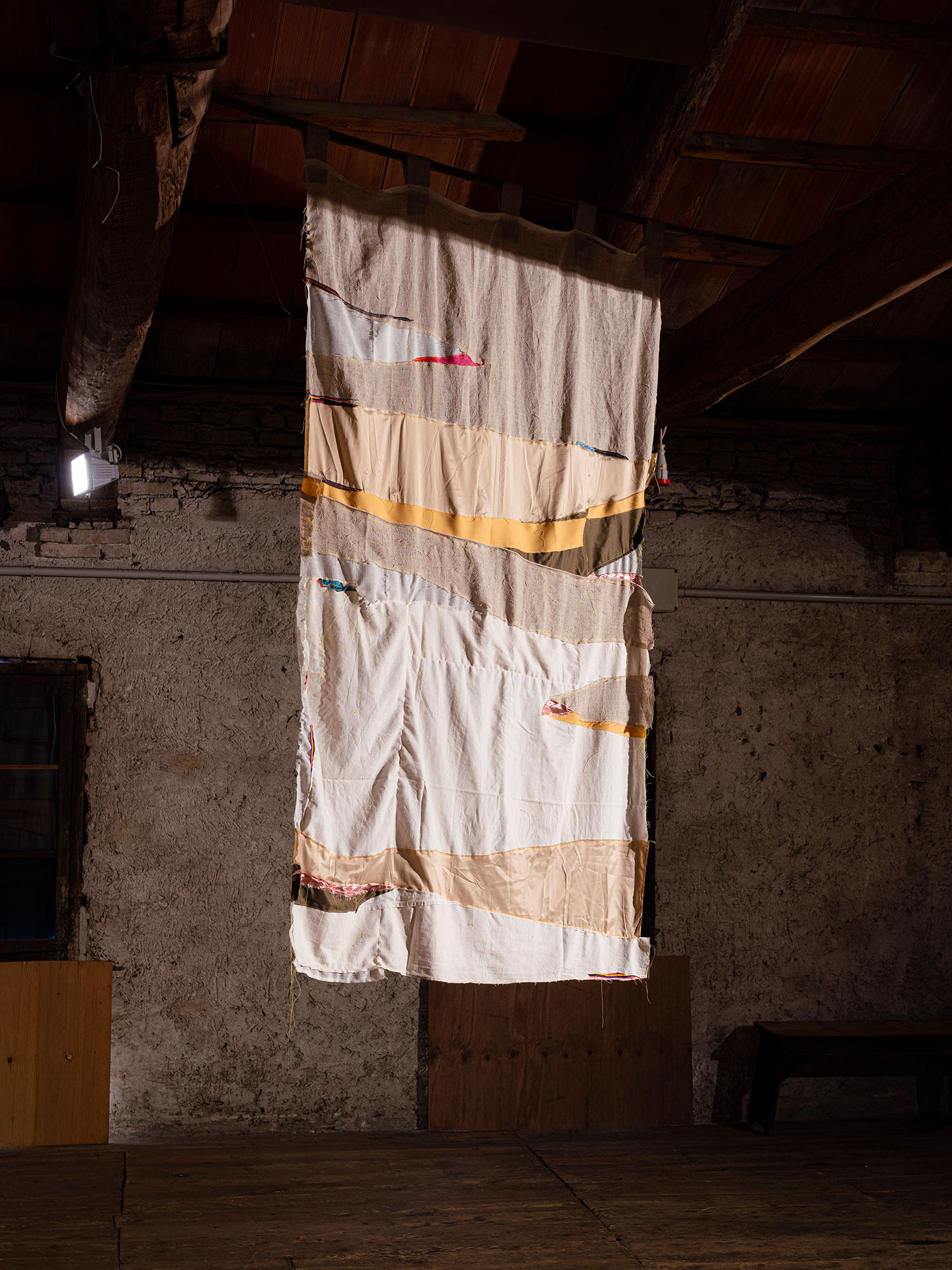
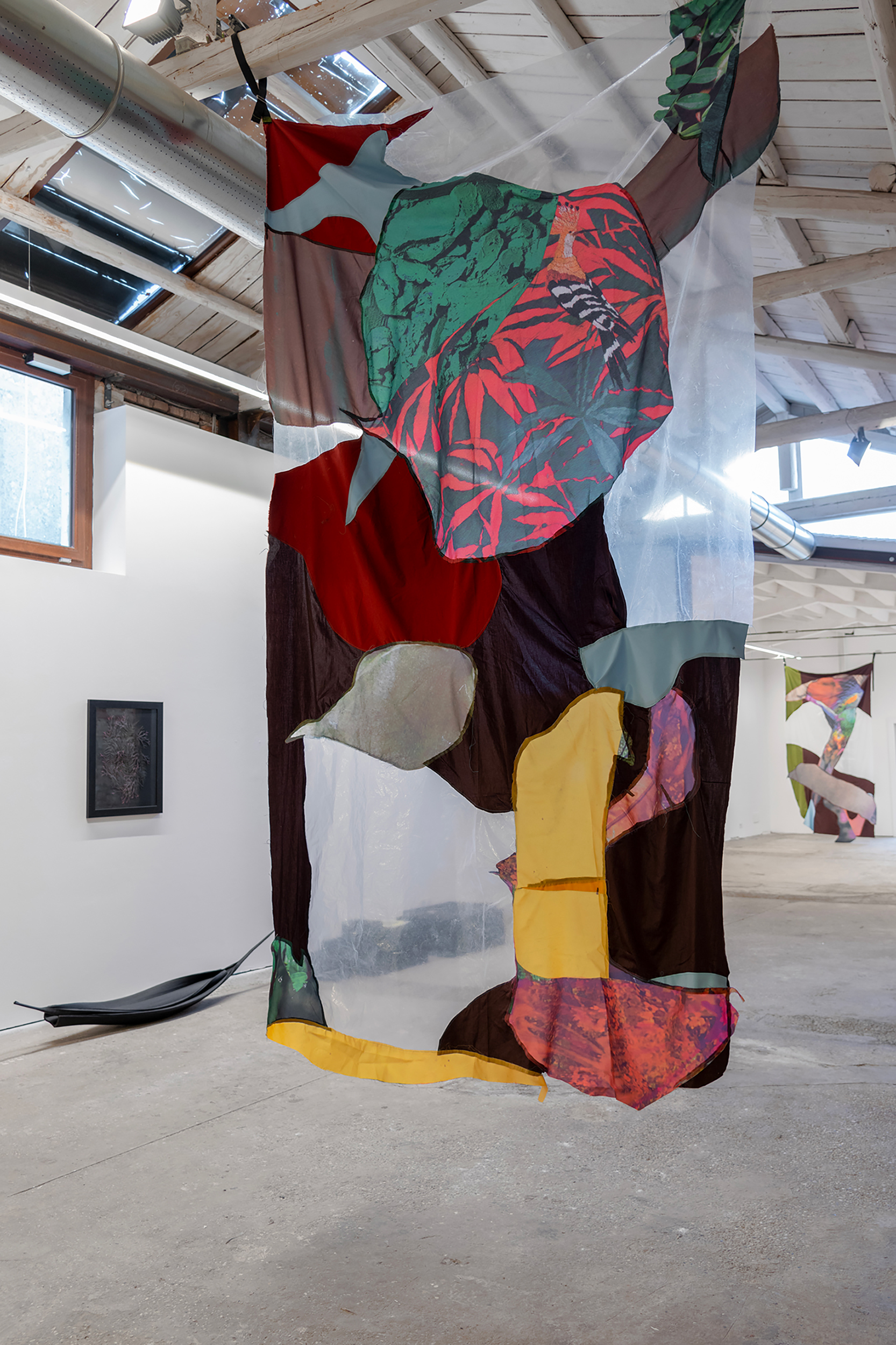
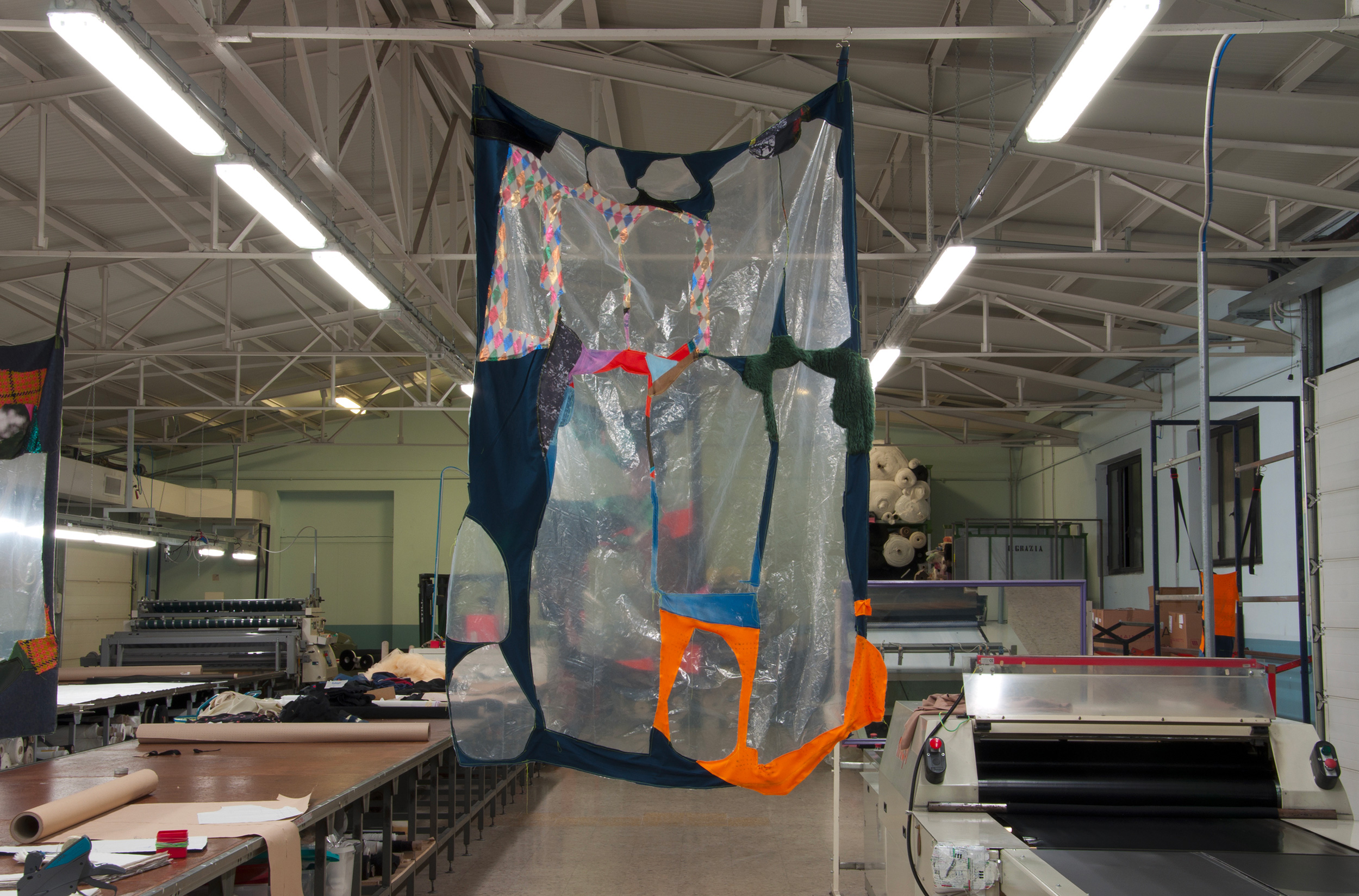
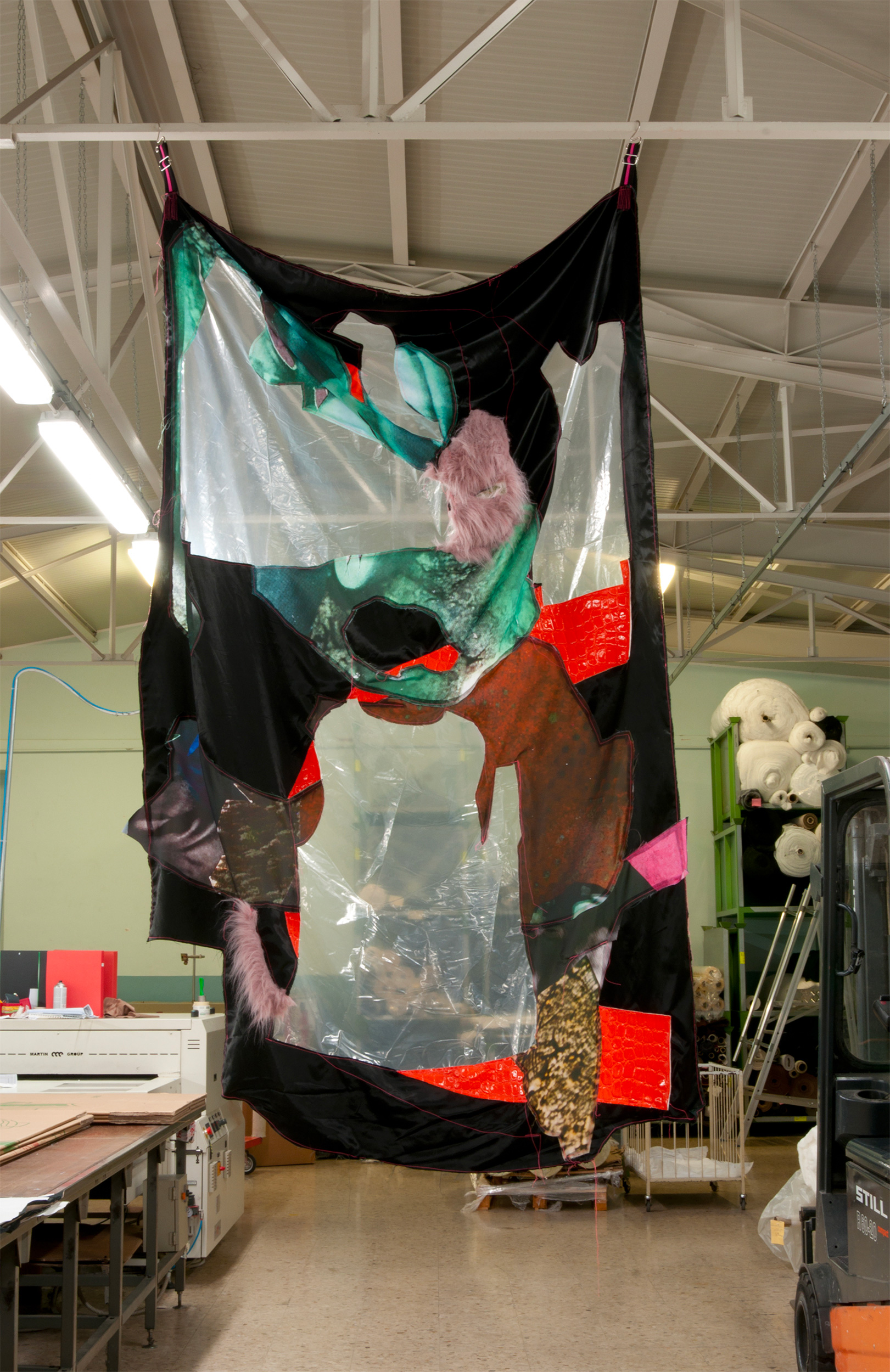
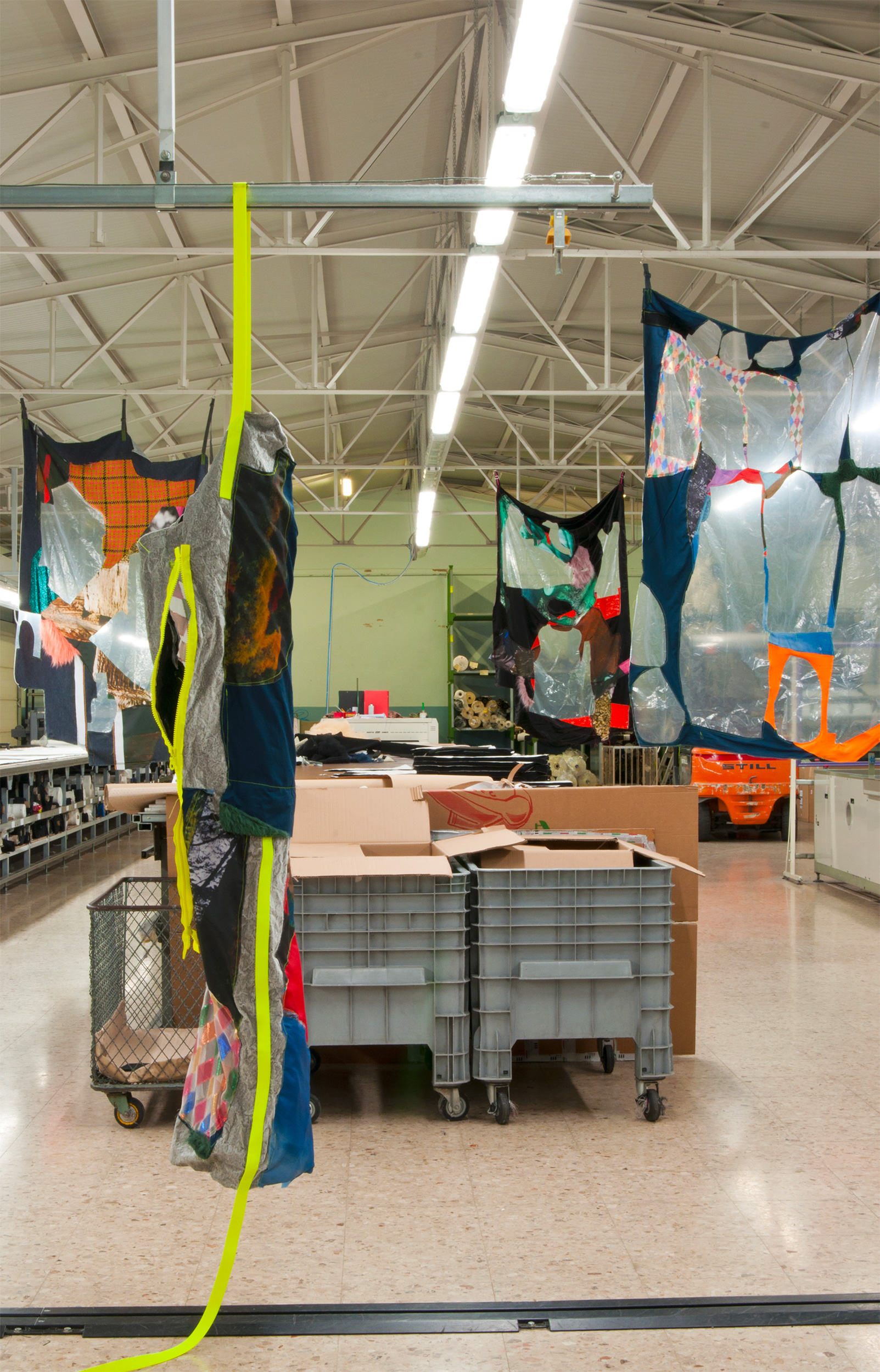
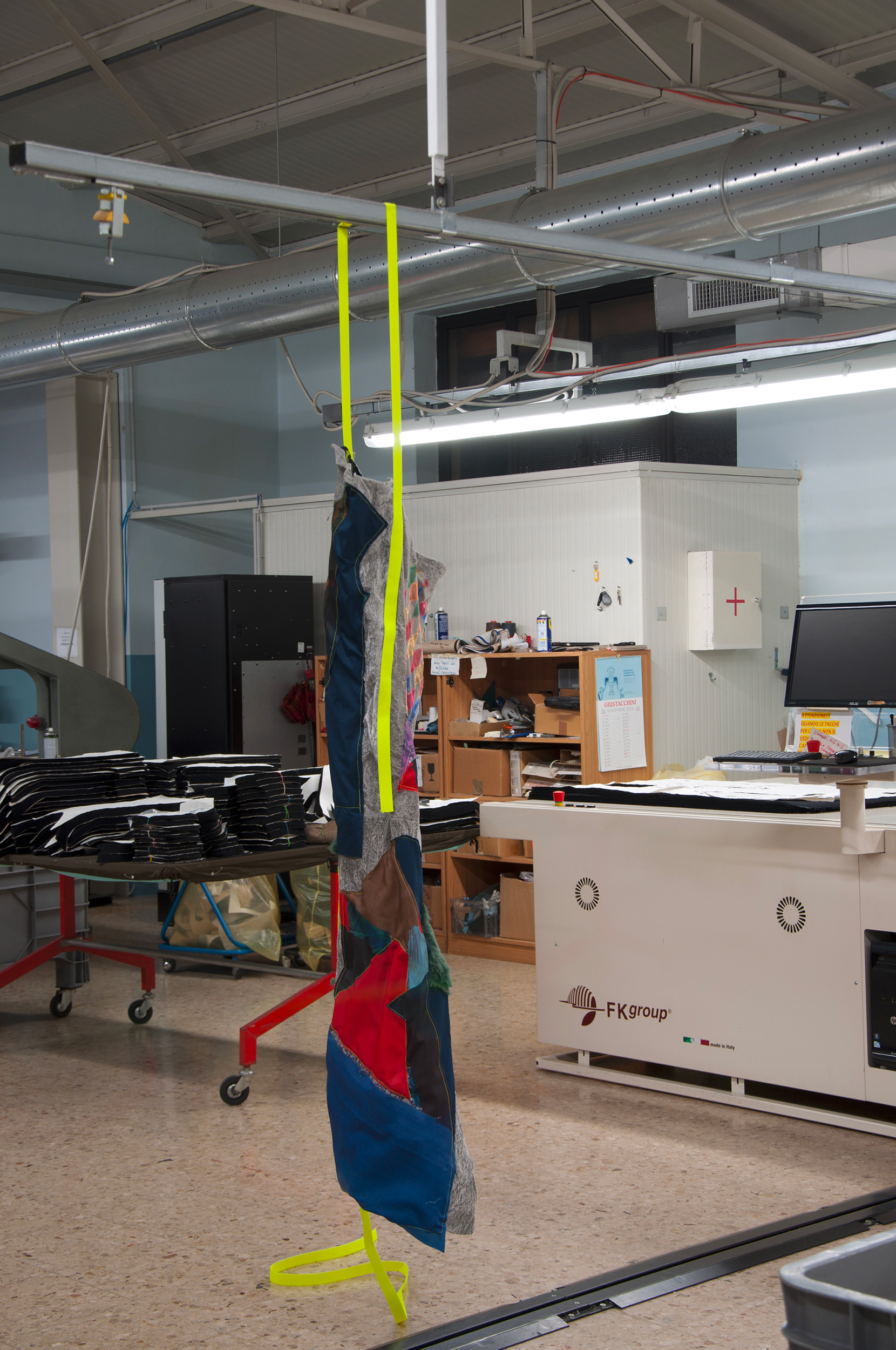
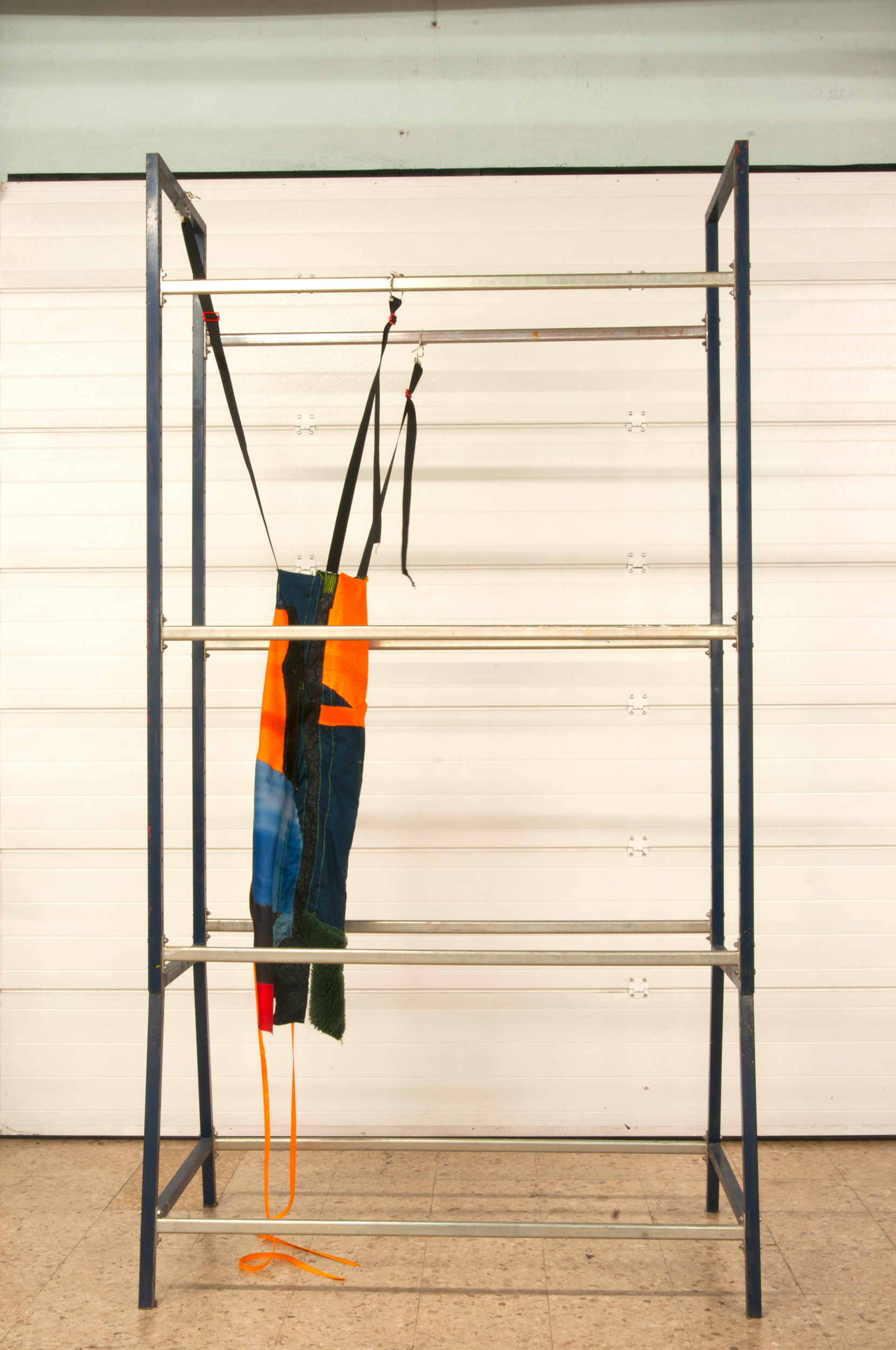
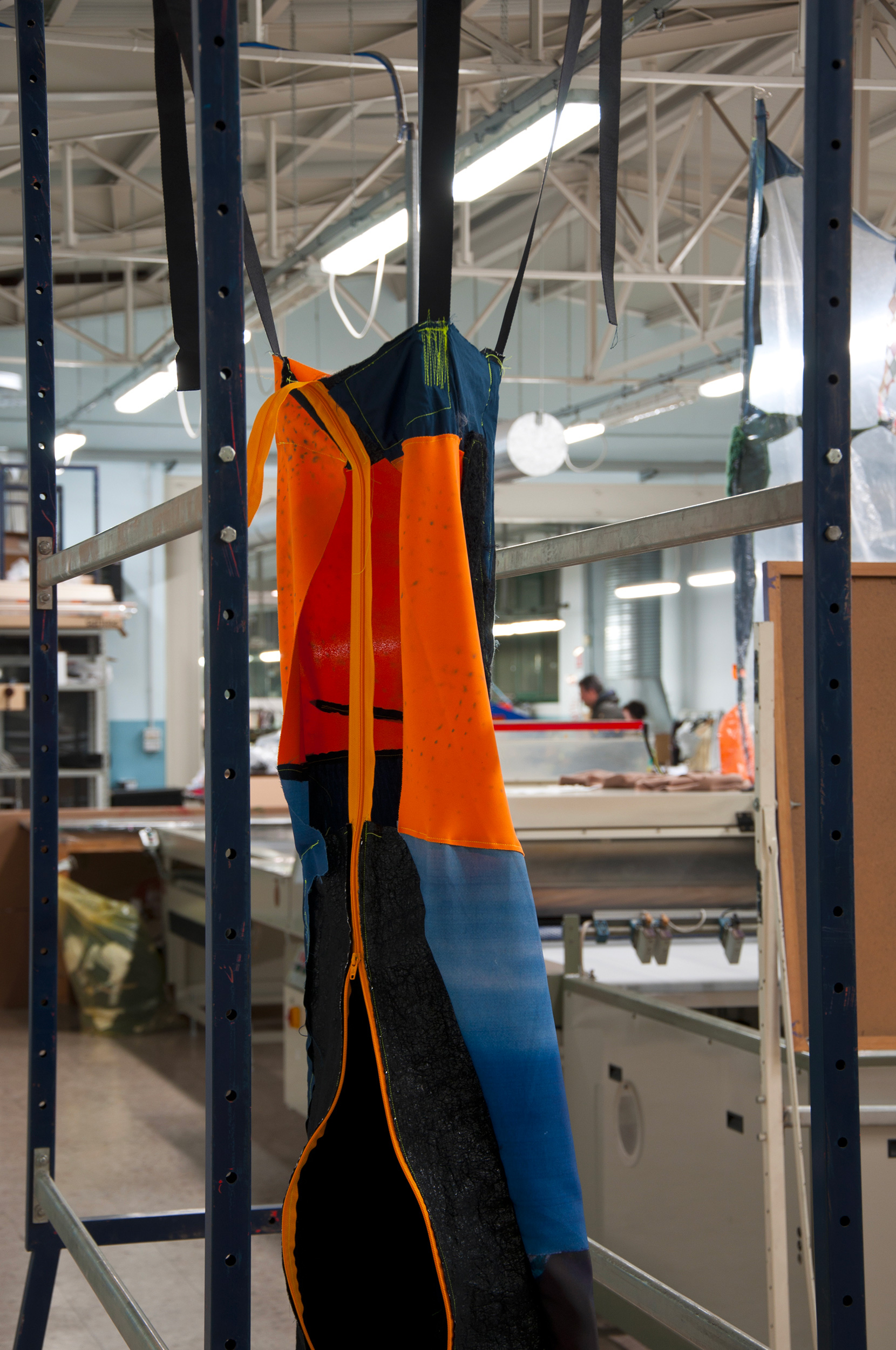
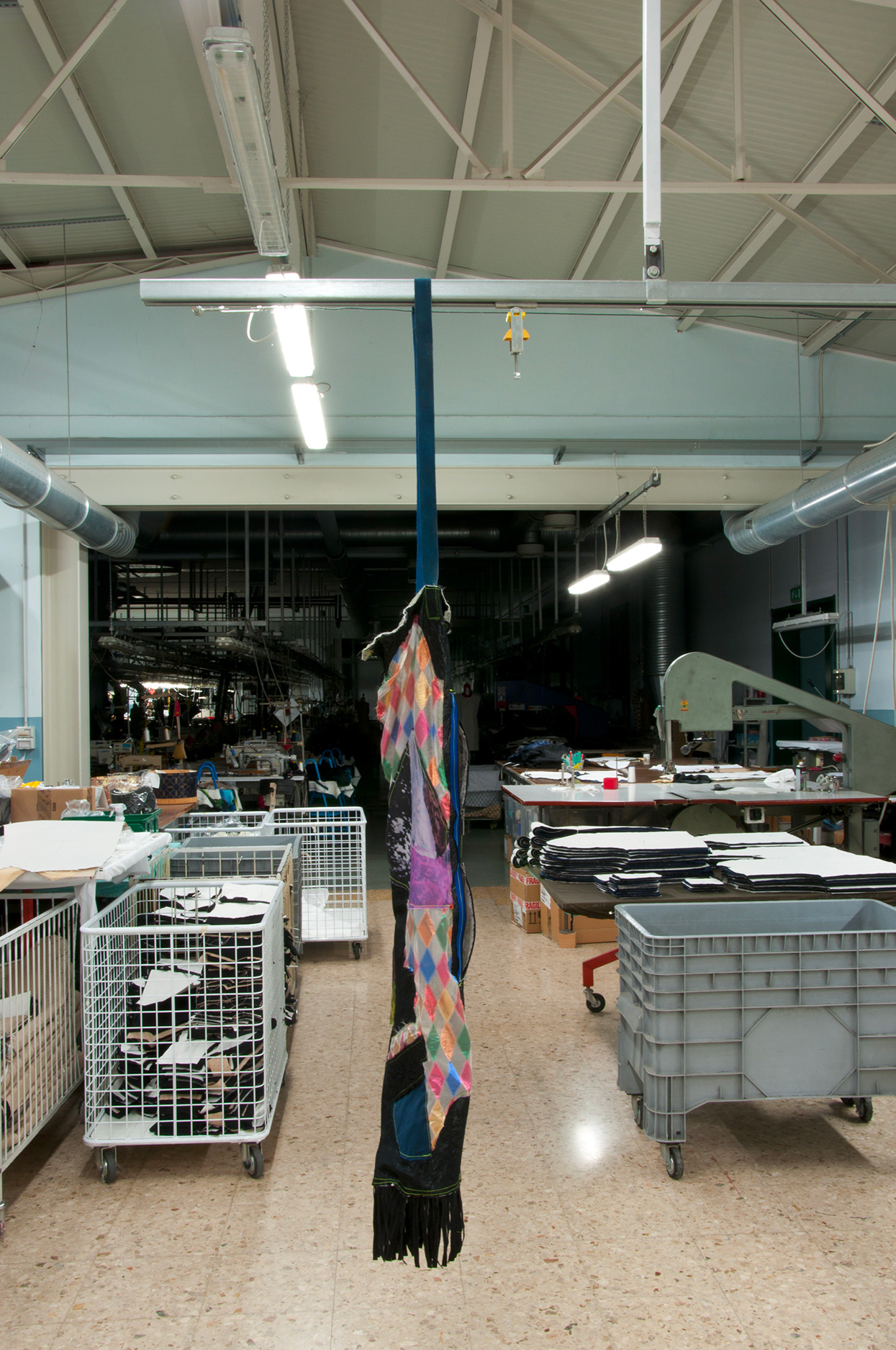
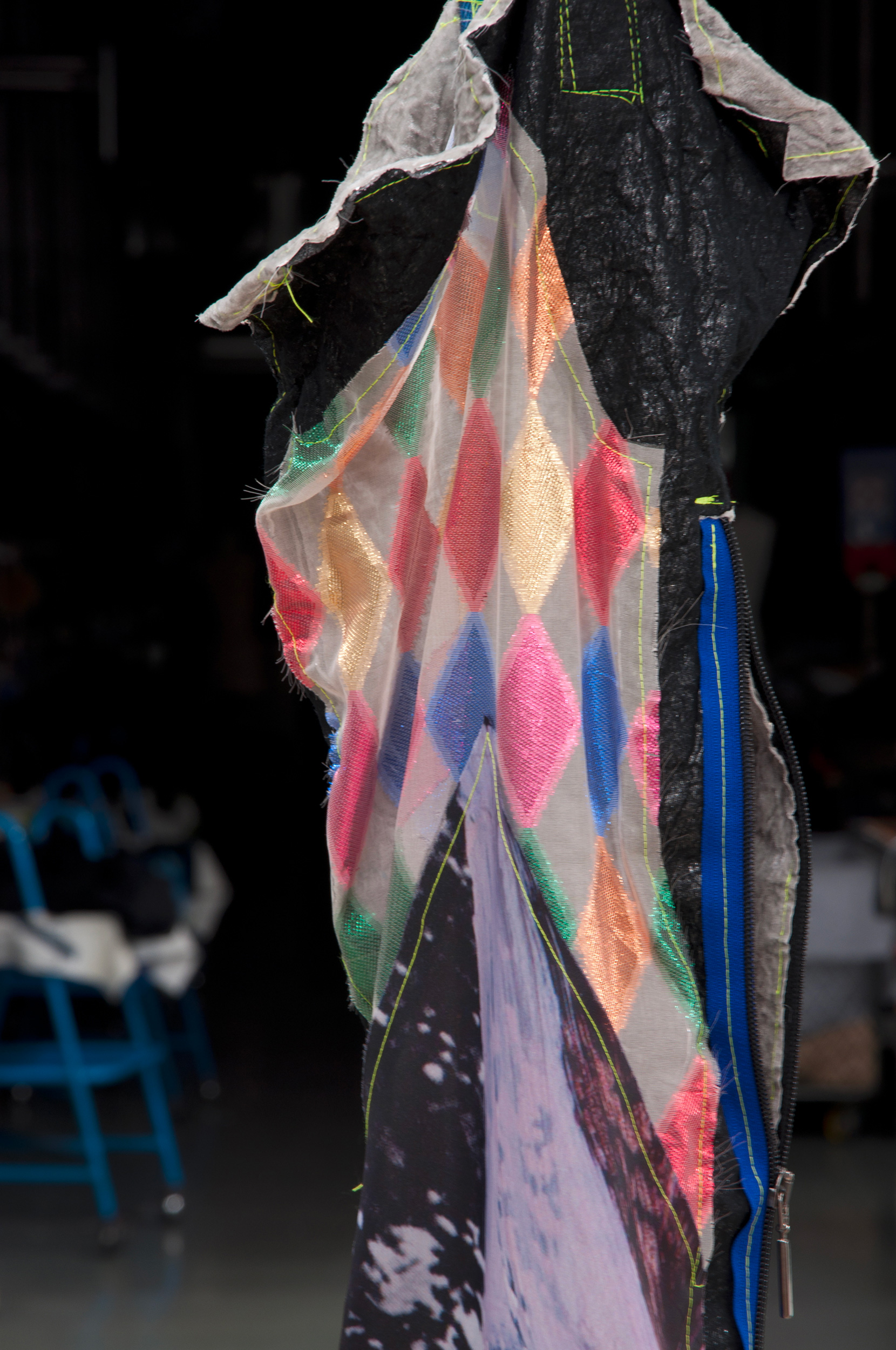
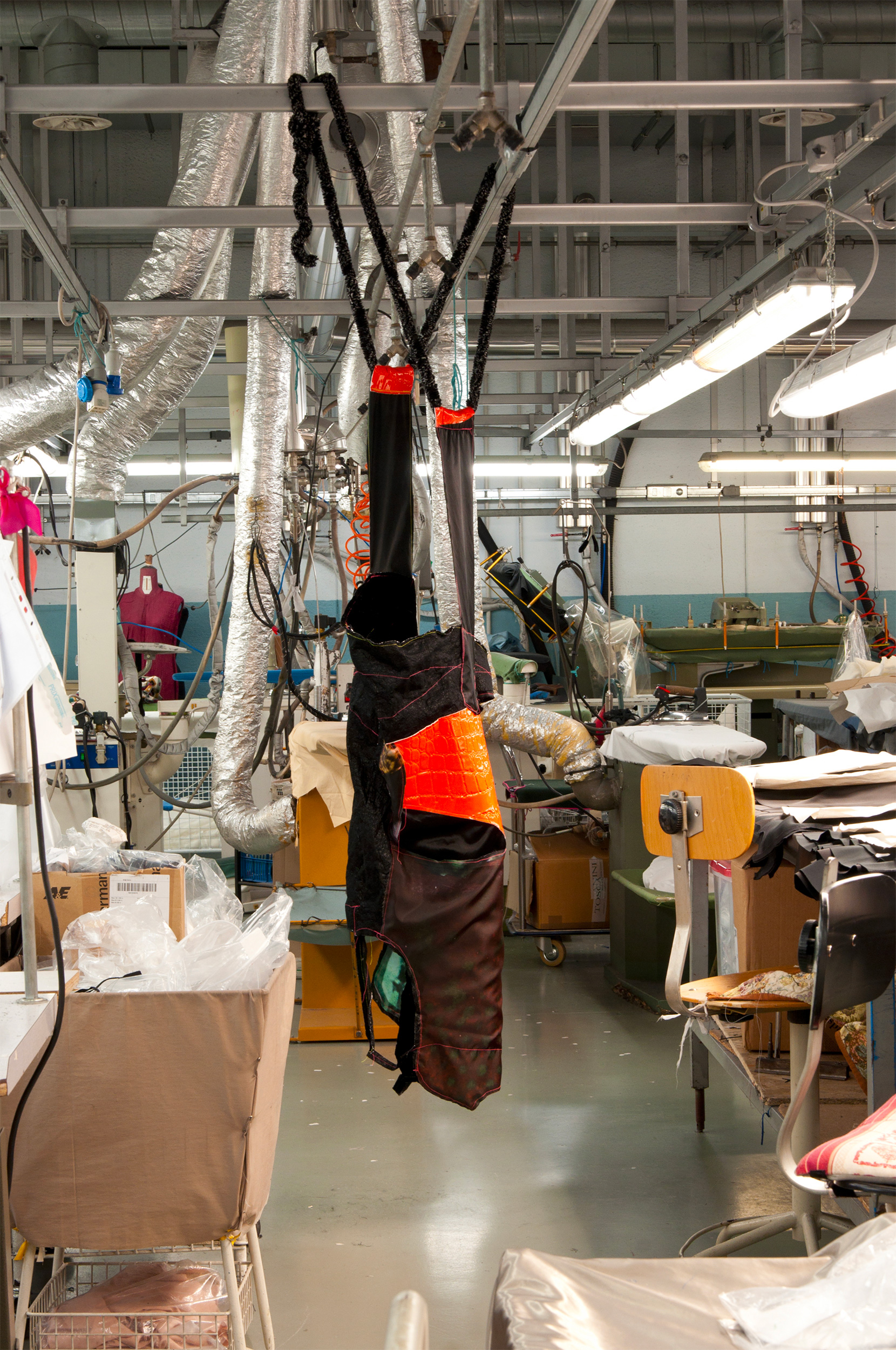
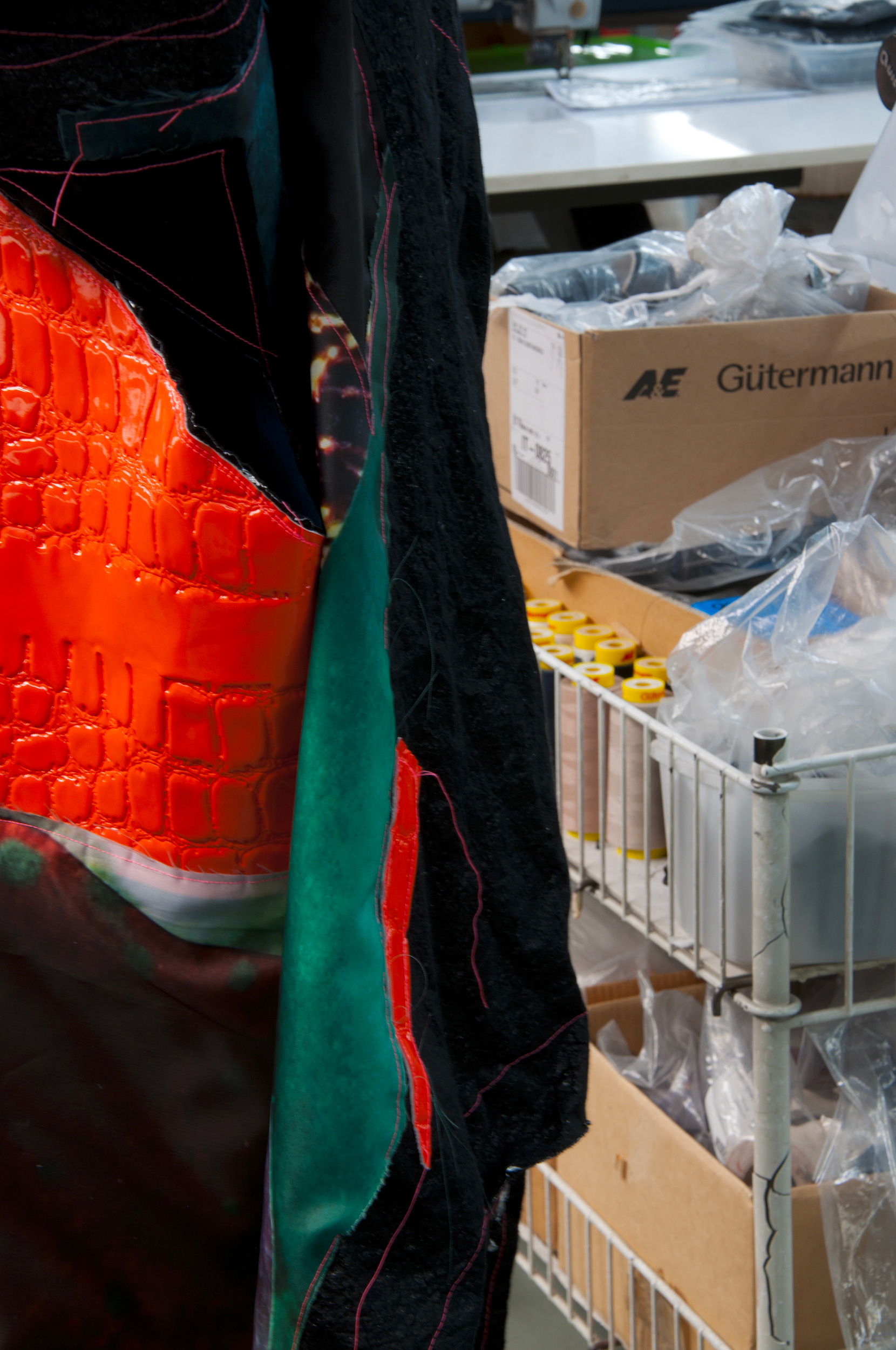
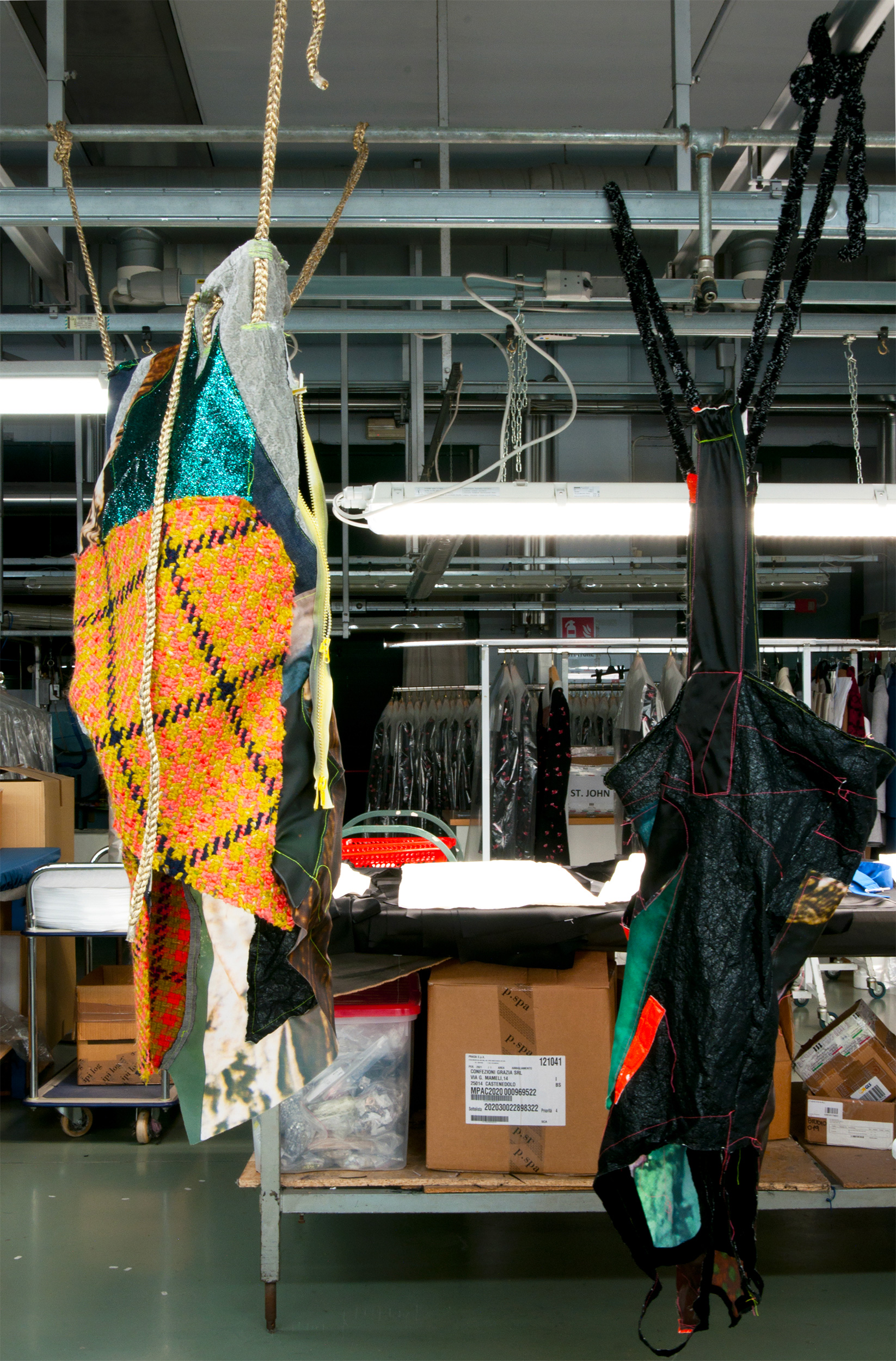
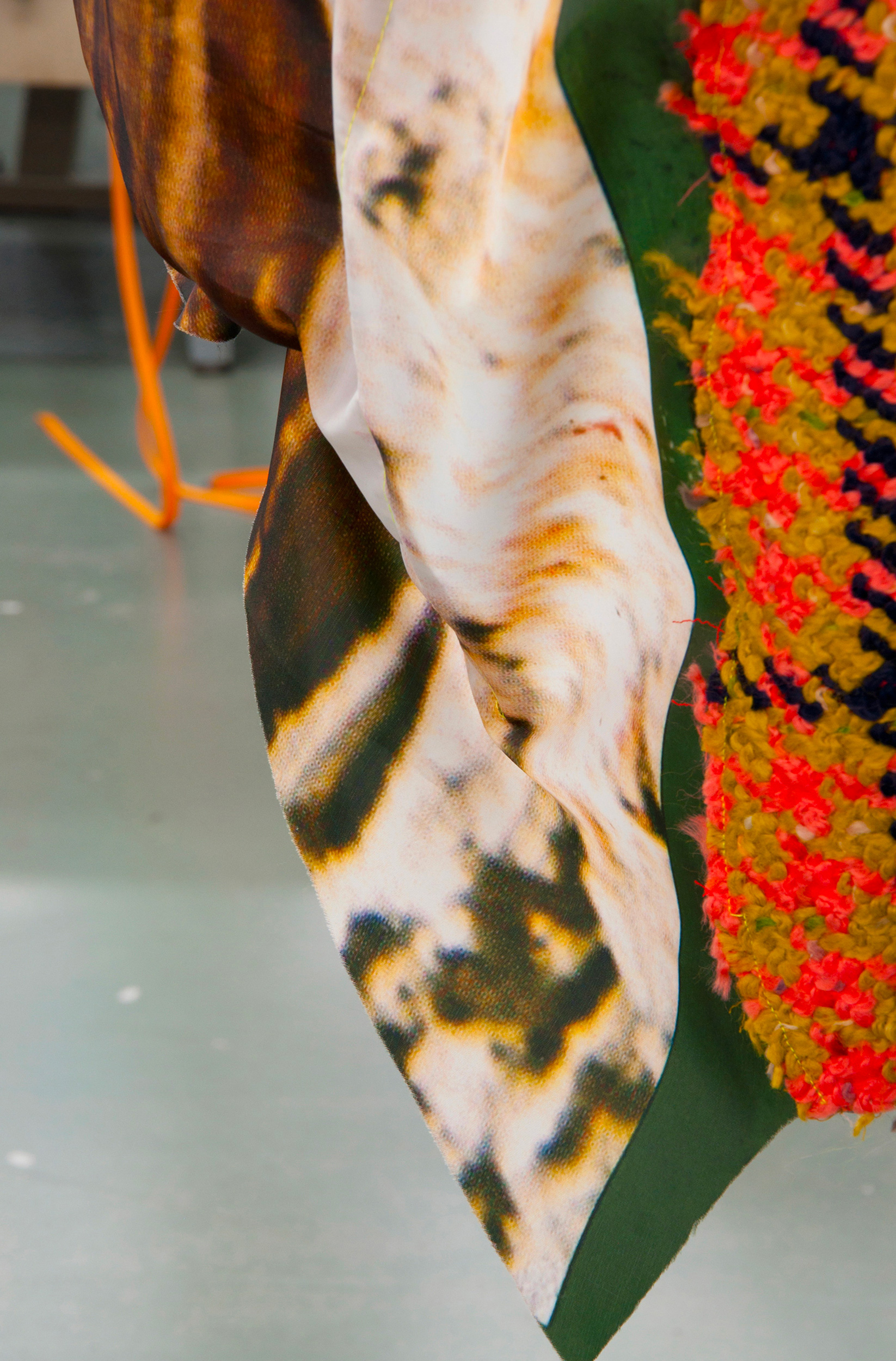
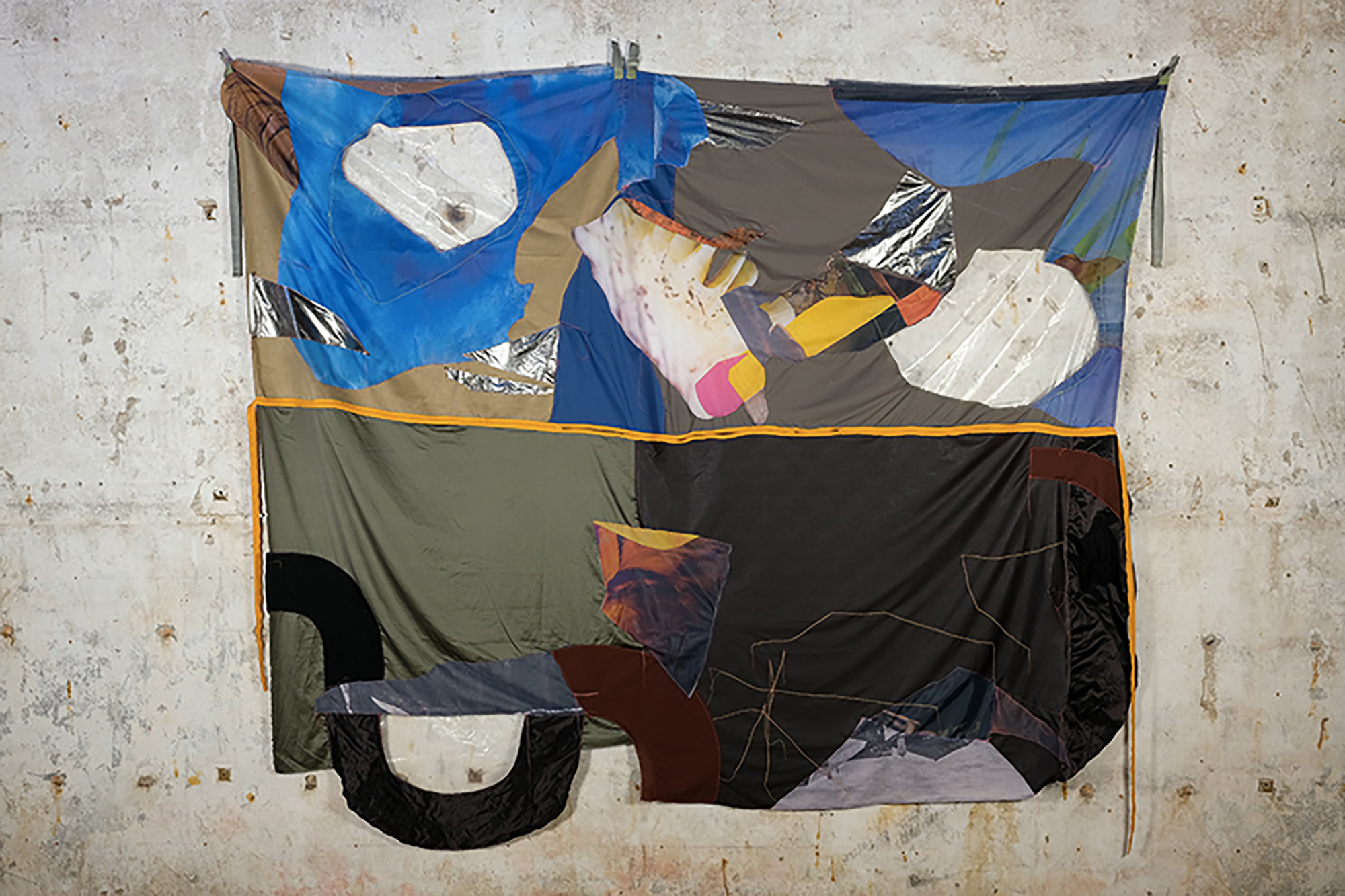
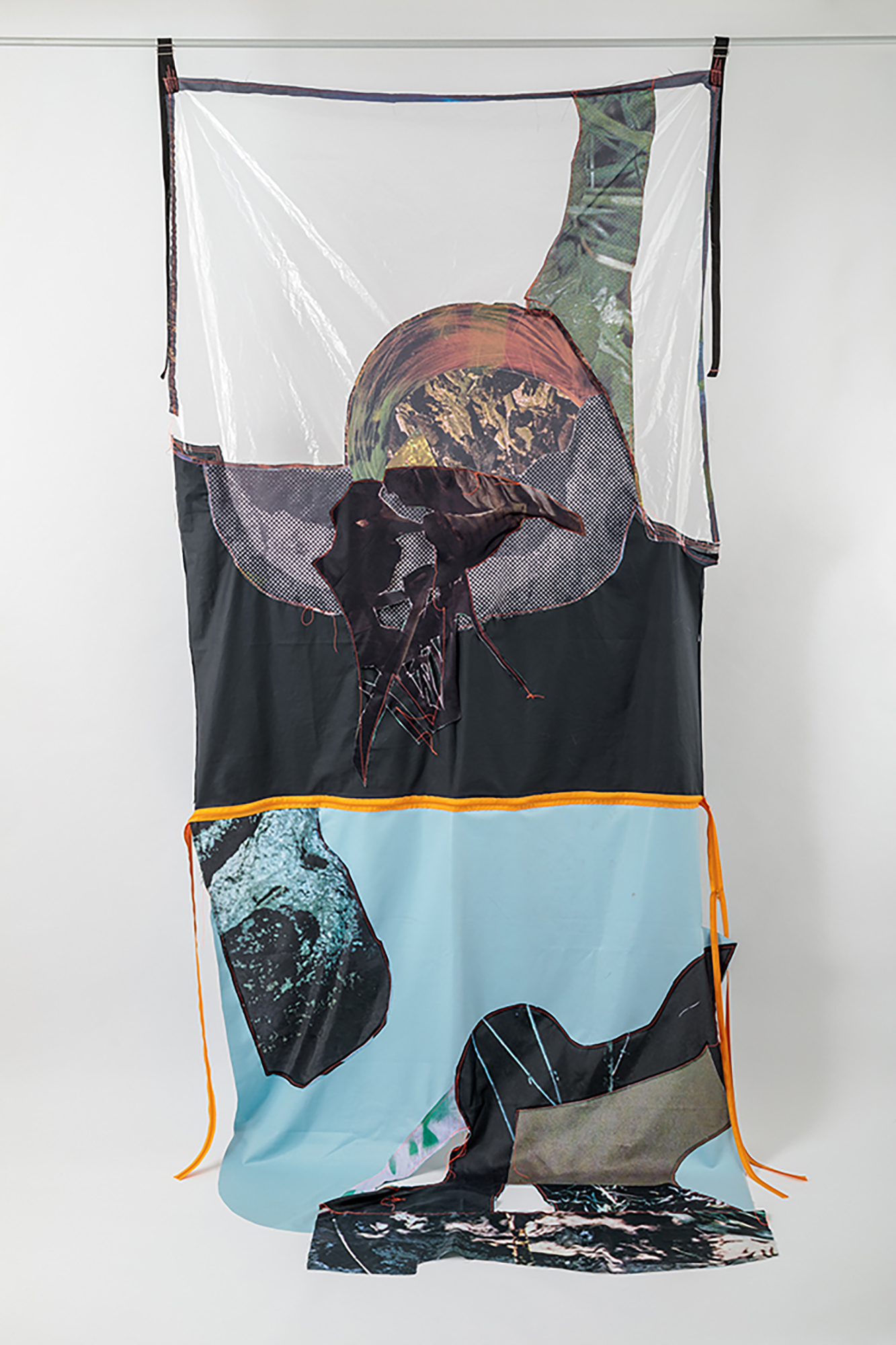
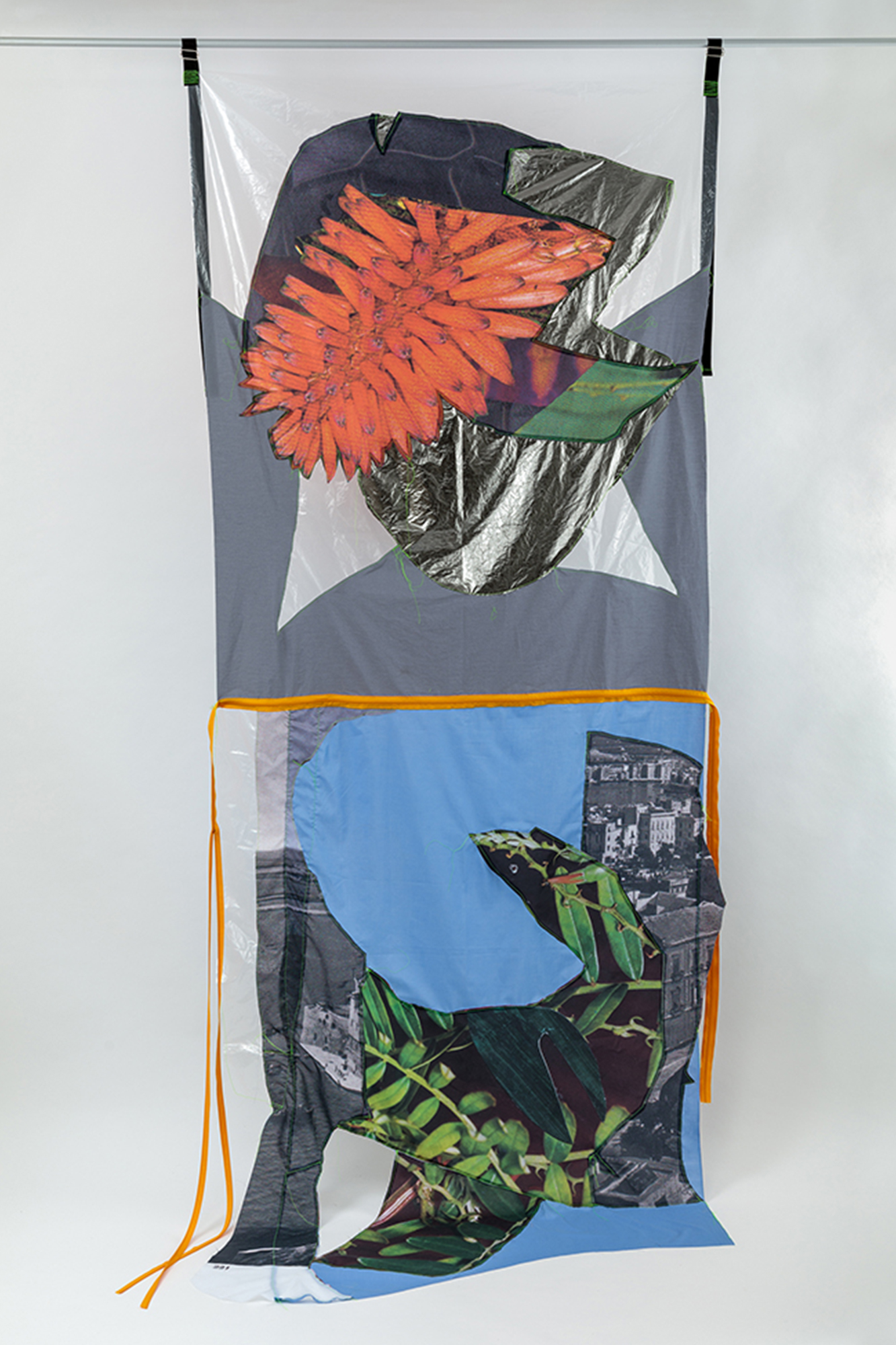
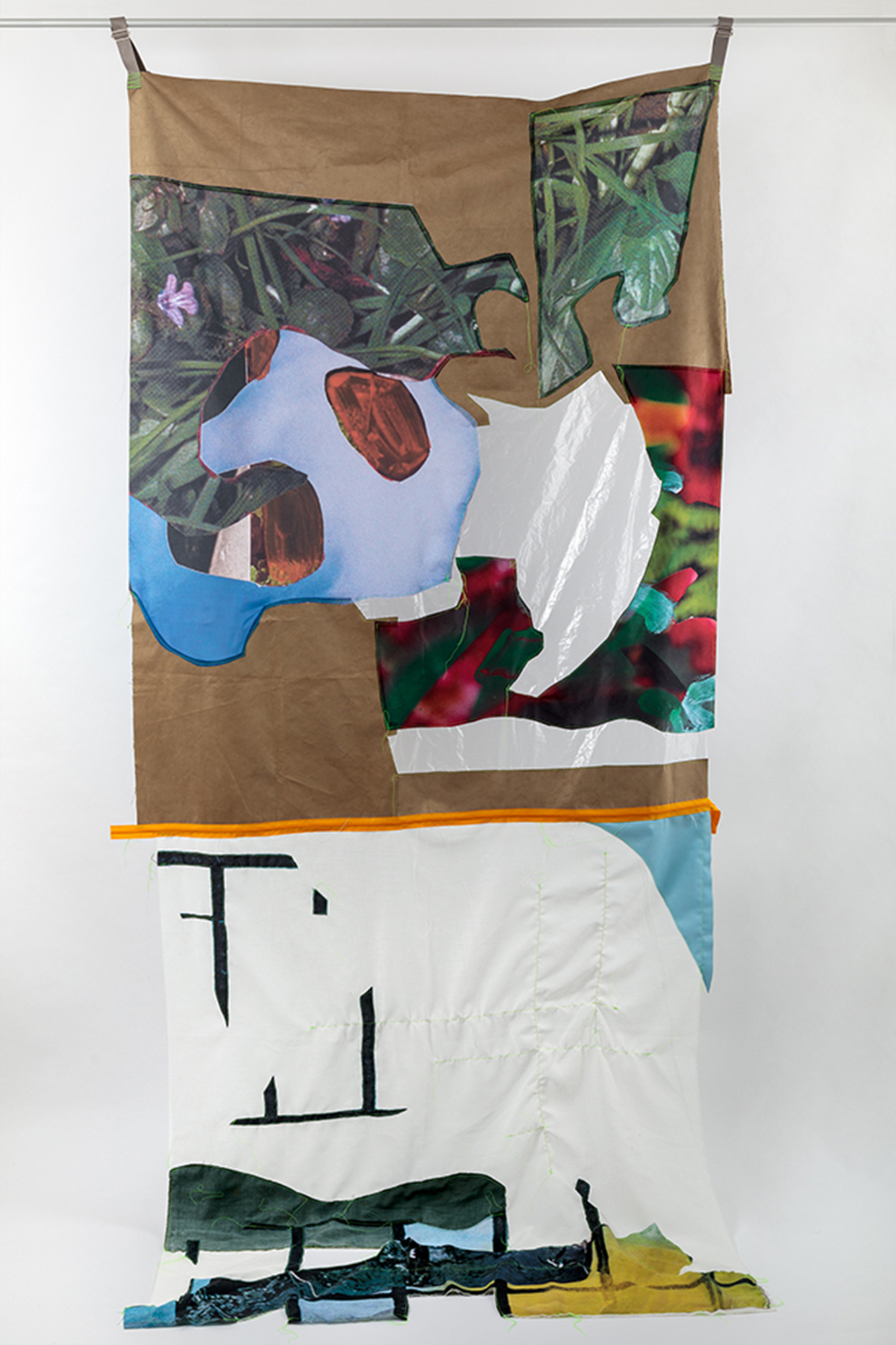
  • Il retro della storia, 2023
  • tessuti, plastica, tessuti stampati, cinghie, filo, fibbie, bamboo
  • lavori realizzati durante la residenza Officina Malanotte, a cura di Daniele Capra
  • Cantina Bonotto, Tezze di Piave, Vazzola, TV
  • Photo Credits Nico Covre
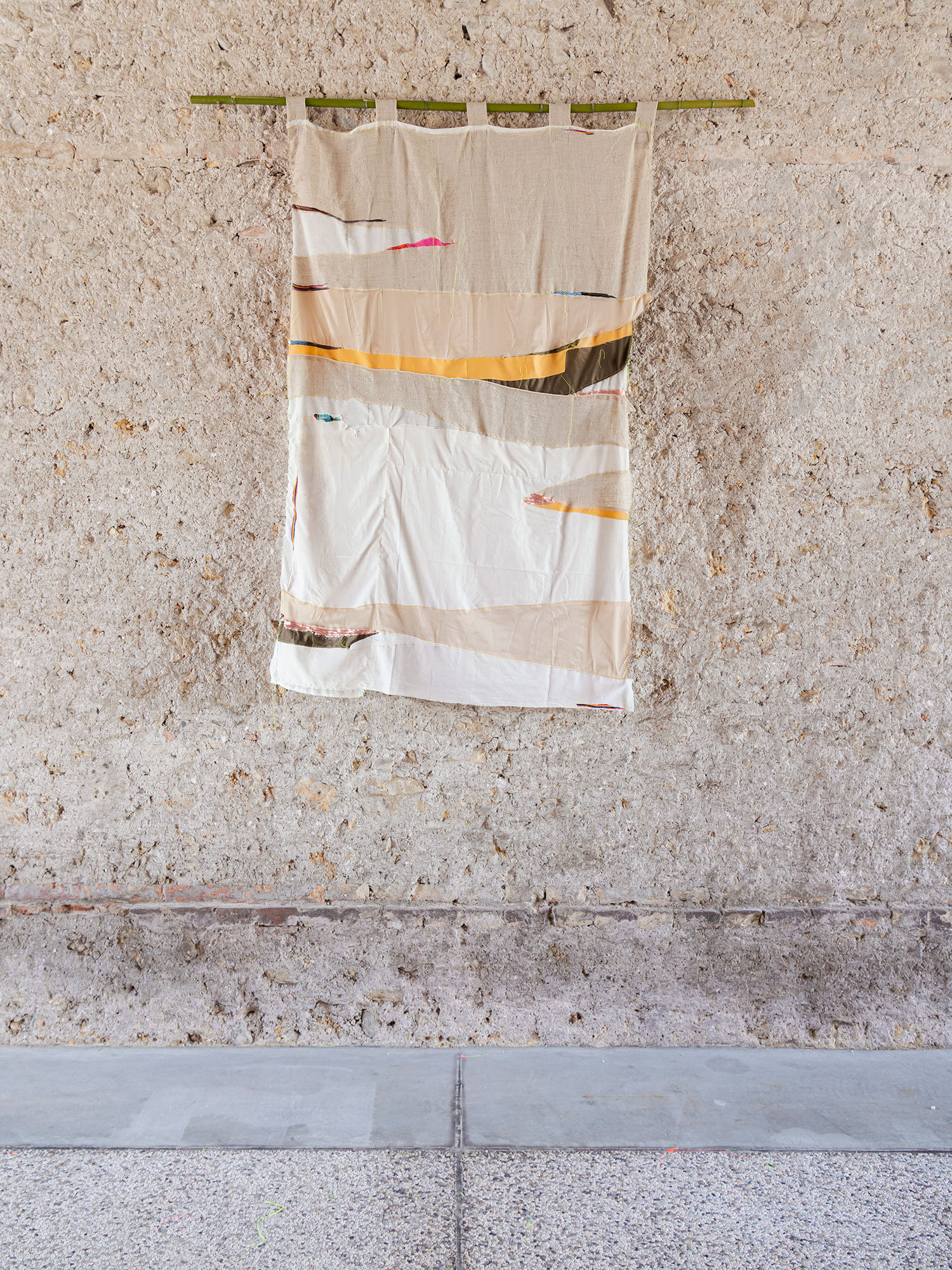
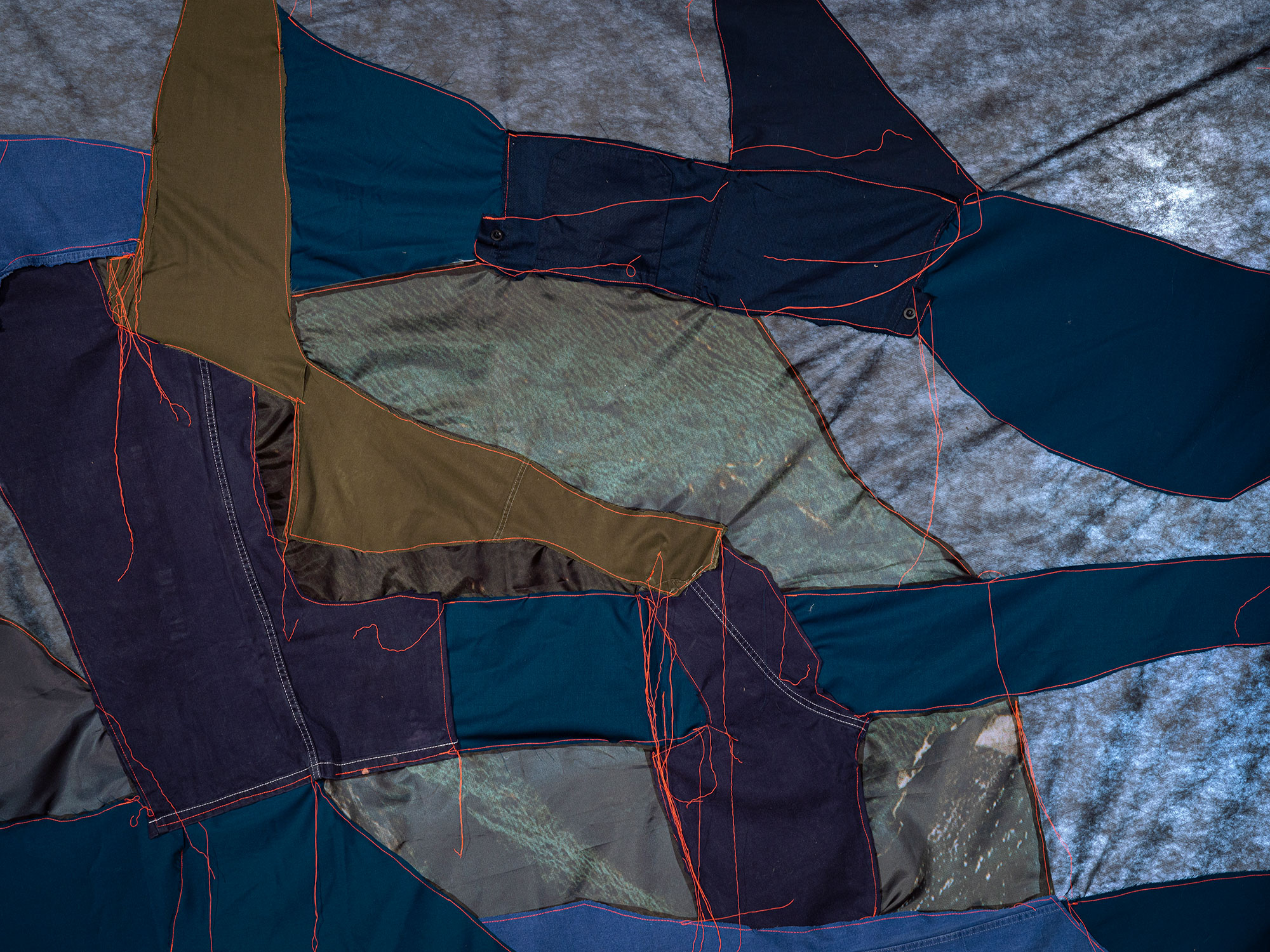
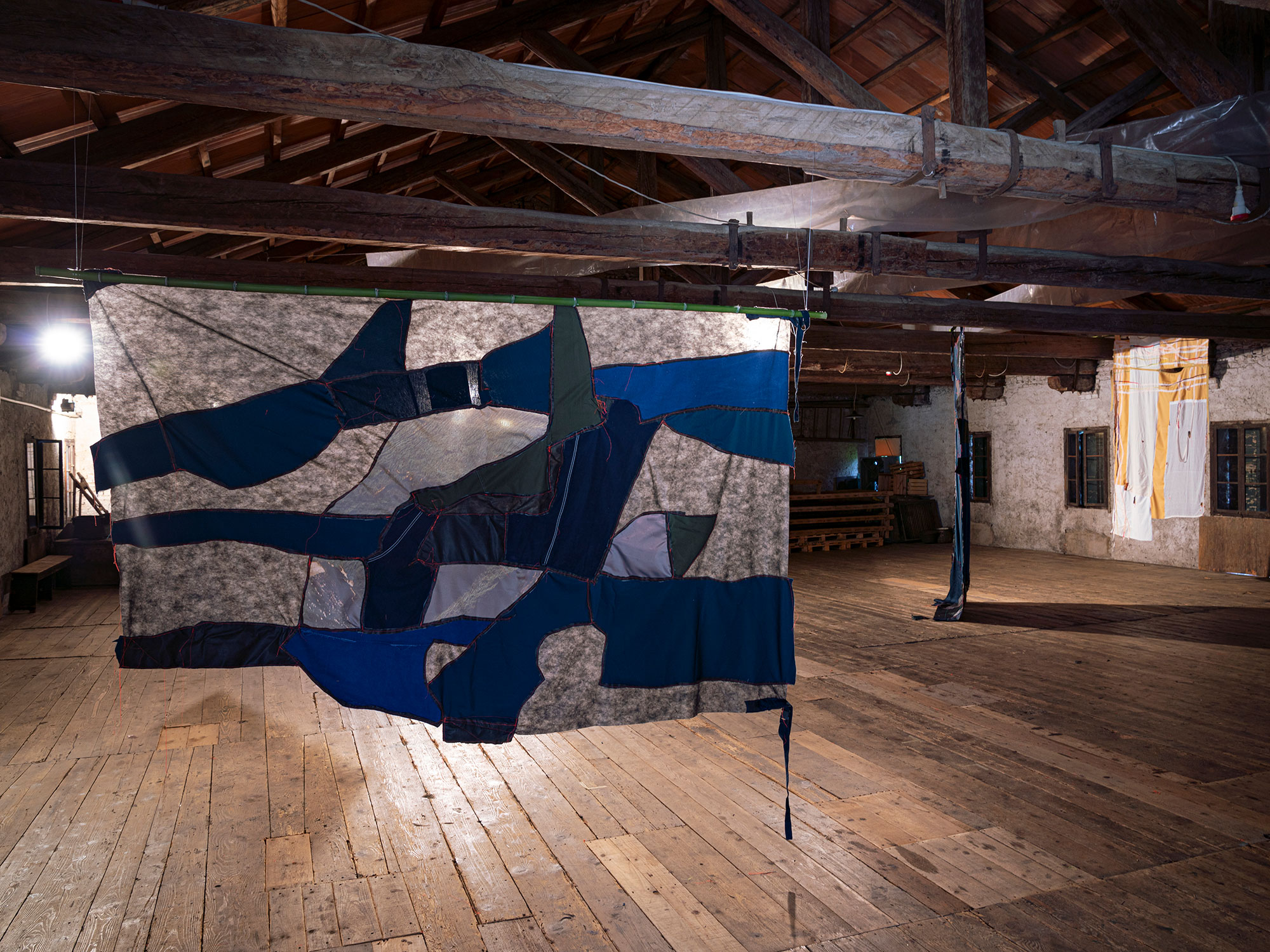
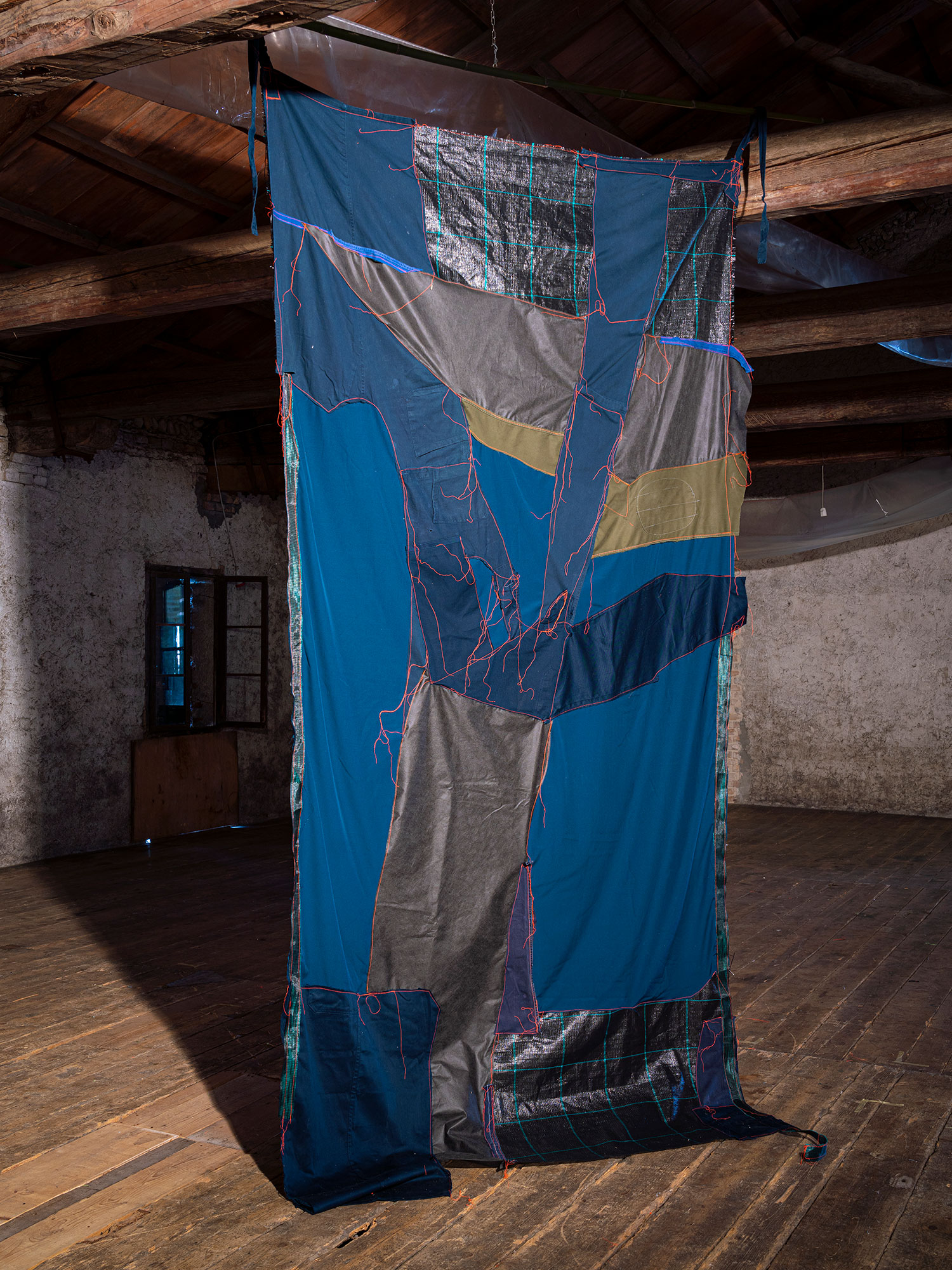
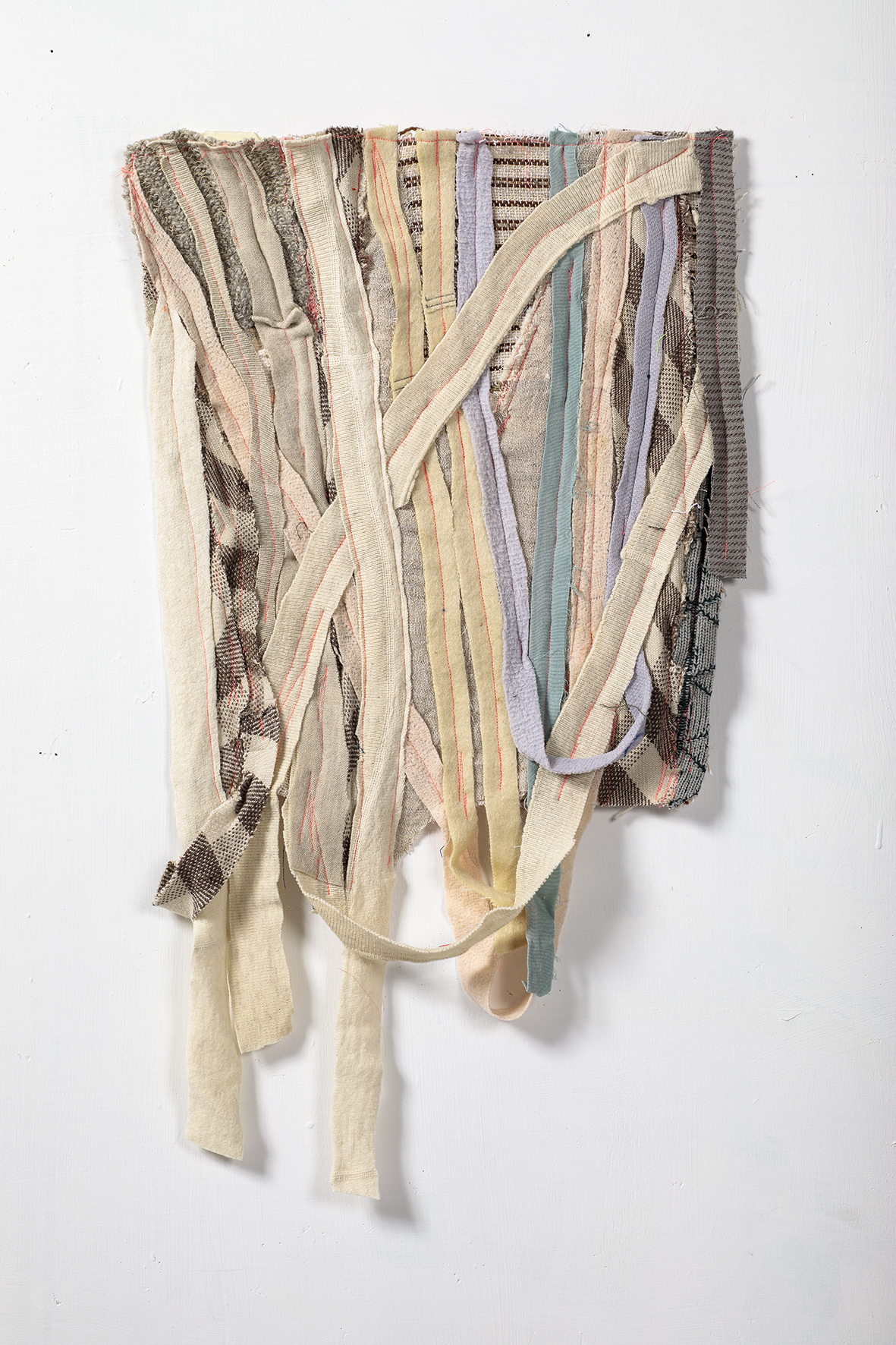
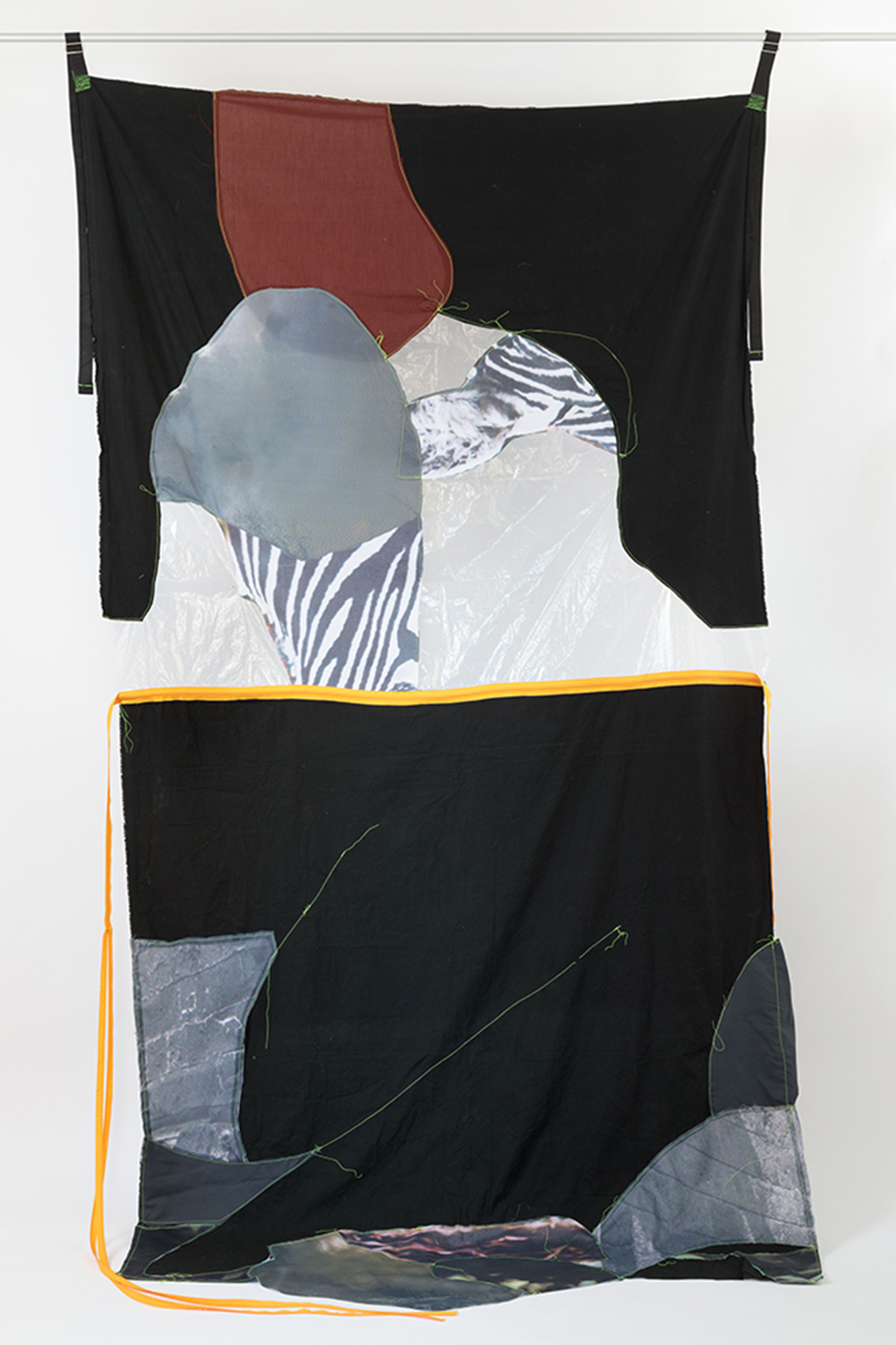
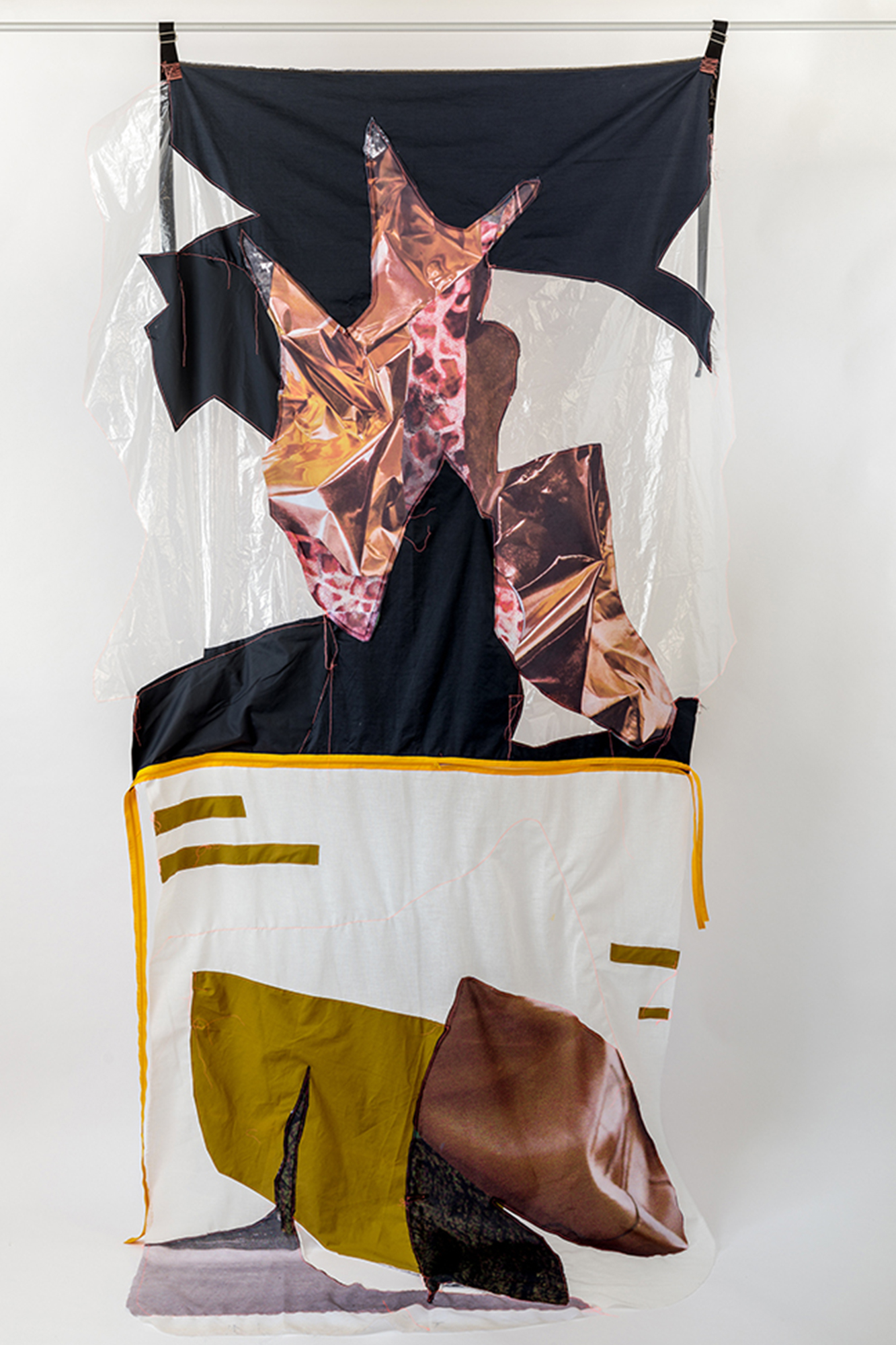
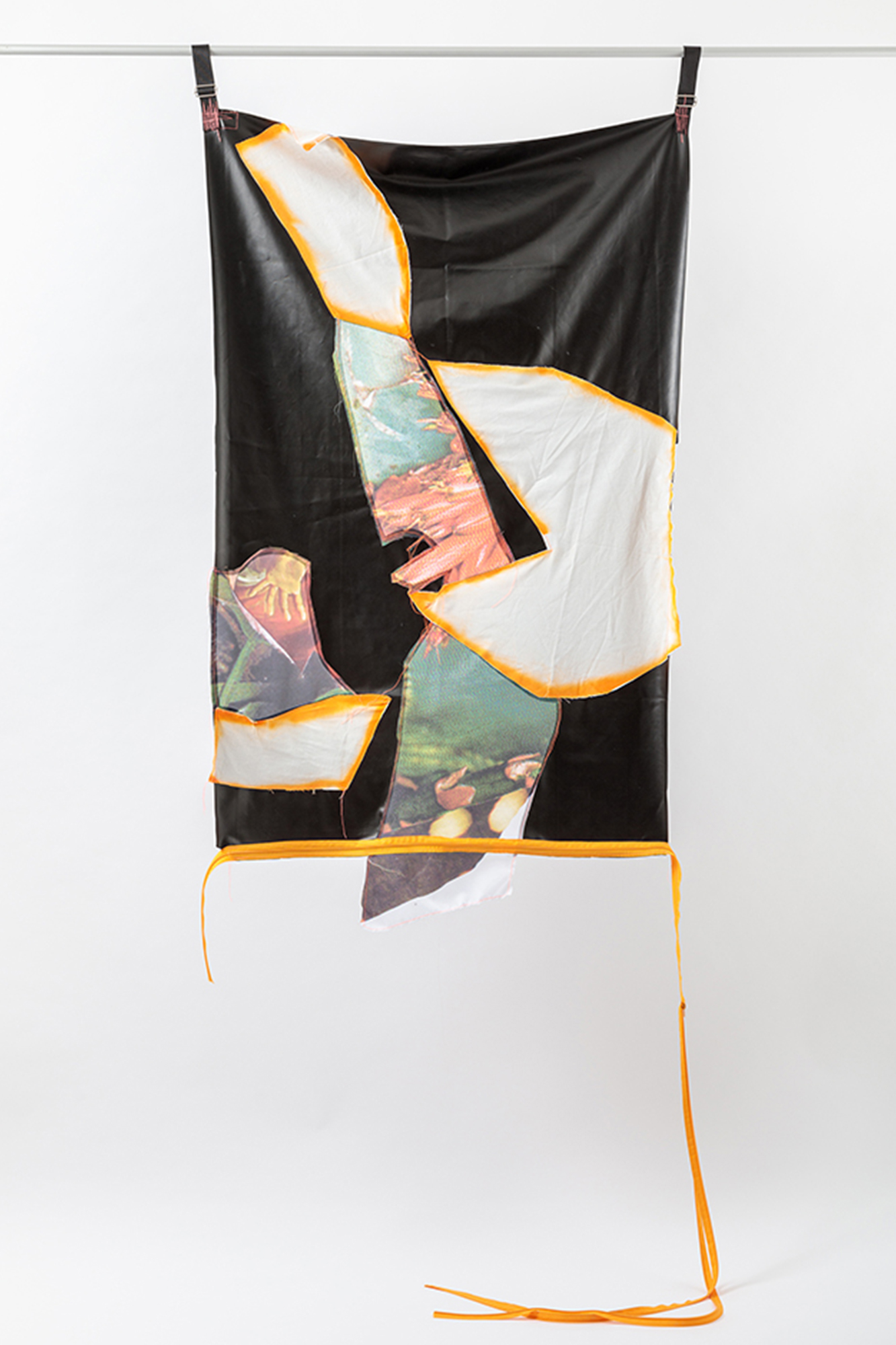
  • “La ricerca diLucia Veronesi si sviluppa da una spiccata propensione narrativa, che sicondensa sia in lavori di natura bidimensionale, realizzati a collage o con tessuti, che nel video. Le sue opere, caratterizzate dall’interesse verso gli aspetti sociologici e antropologici dell’immagine, sono materiche e spesso dotate e di una carica sensuale. A Officina Malanotte l’artista ha realizzato delle sculture in tessuto cucendo insieme ritagli di stoffa, stampe, vecchie lenzuola e tende usate dalla famiglia Bonotto, ma anche tute da lavoro e tessuti tecnici impiegati nell’azienda insieme ad altri materiali di risulta. Tali opere, di grande dimensione, mostrano l’interesse dell’artista verso la composizione, le trasparenze, i contrasti cromatici e di luce tra gli elementi. Sono nella loro intima essenza dei dipinti anomali, che possono essere visti indifferentemente dal fronte, dal retro o muovendosi liberamente nello spazio, camminando e sfiorandoli con le mani”
  • Daniele Capra


  1. The Backside of History, 2023
  2. fabrics, plastic, printed fabrics, sewing thread, straps, buckles, bamboo
  3. Works realized during the Artist in Residence Officina Malanotte, curated by Daniele Capra
  4. Cantina Bonotto, Tezze di Piave, Vazzola, TV
  5. Photo Credits Nico Covre
  6. “The research of Lucia Veronesi develops from a marked narrative propensity, which condenses both in works of a two-dimensional nature, made with collage or textiles, and in the video. Her works, characterized by an interest in the sociological and anthropological aspects of the image, are material and often endowed and sensual charge. At Officina Malanotte, the artist has created fabric sculptures by sewing scraps of fabric, prints, old sheets and curtains used by the Bonotto family, and overalls and technical fabrics used in the company and other waste materials. These large-scale works show the artist’s interest in composition, transparency, colour, and light contrasts between elements. They are in their intimate essence anomalous paintings, which can be viewed indifferently from the front, from the back or by moving freely in space, walking and brushing against them with the hands.”
  7. Daniele Capra


  • Fabrics, plastic, printed fabrics, sewing thread, straps, buckles, bamboo, 300 x 160 cm. Photo credits Nico Covre
  • Fabrics, plastic, printed fabrics, sewing thread, straps, buckles, bamboo, 250 x 160 cm. Photo credits Nico Covre
  • Fabrics, printed fabrics, sewing thread, straps, buckles, bamboo, 250 x 150 cm. Photo credits Nico Covre
  • Fabrics, printed fabrics, sewing thread, straps, buckles, bamboo, 195 x 125 cm. Photo credits Nico Covre
  • Installation view, Cantina Bonotto. Photo credits Nico Covre
  • Detail. Photo credits Nico Covre
  • Installation view, Cantina Bonotto. Photo credits Nico Covre
  • Installation view, Cantina Bonotto. Photo credits Nico Covre
  • Installation view, Cantina Bonotto. Photo credits Nico Covre
  • Installation view, Cantina Bonotto. Photo credits Nico Covre
  • Installation view, Cantina Bonotto. Photo credits Nico Covre
  • Installation view, Cantina Bonotto. Photo credits Nico Covre
  • Installation view, Cantina Bonotto. Photo credits Nico Covre

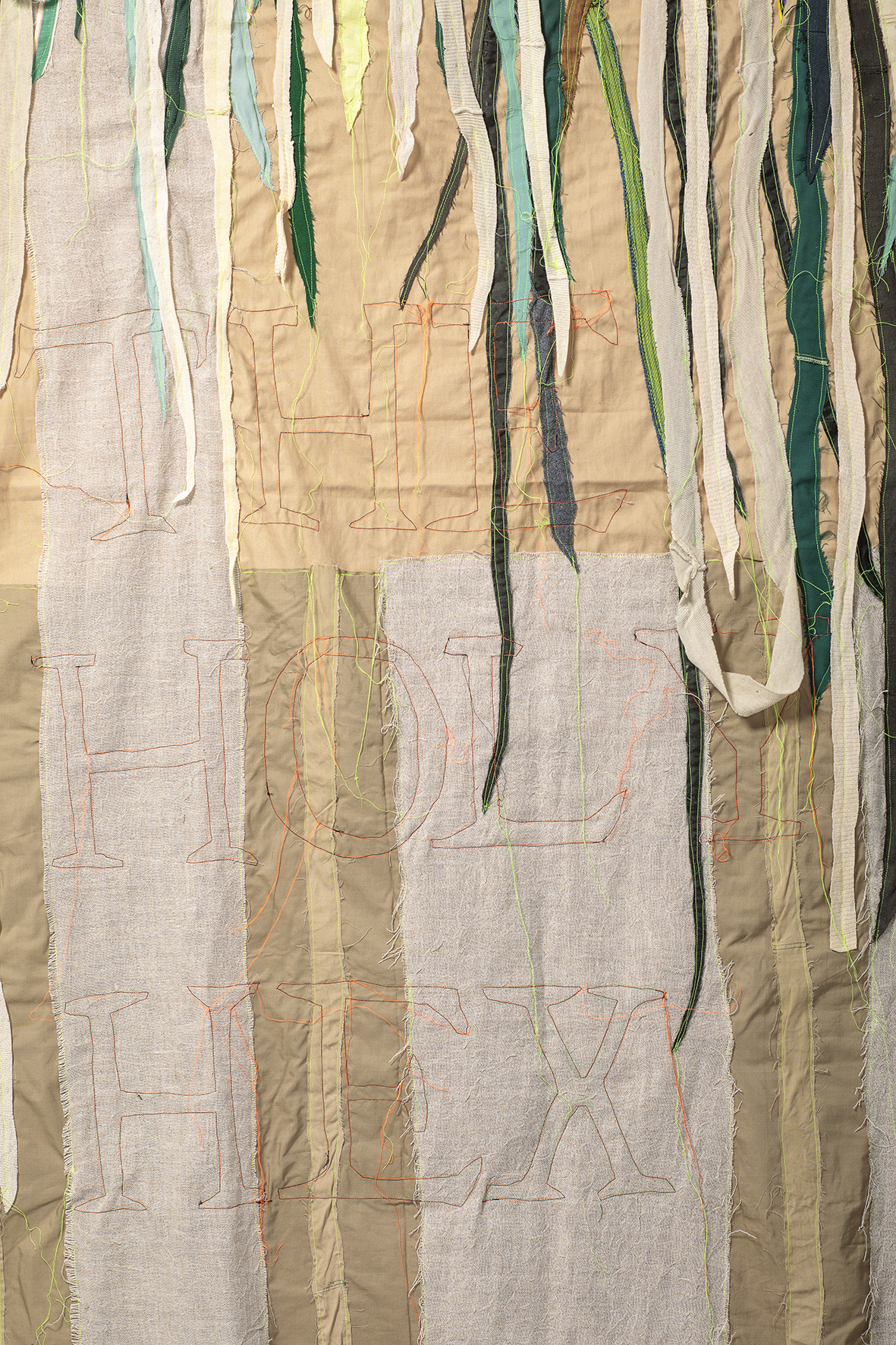
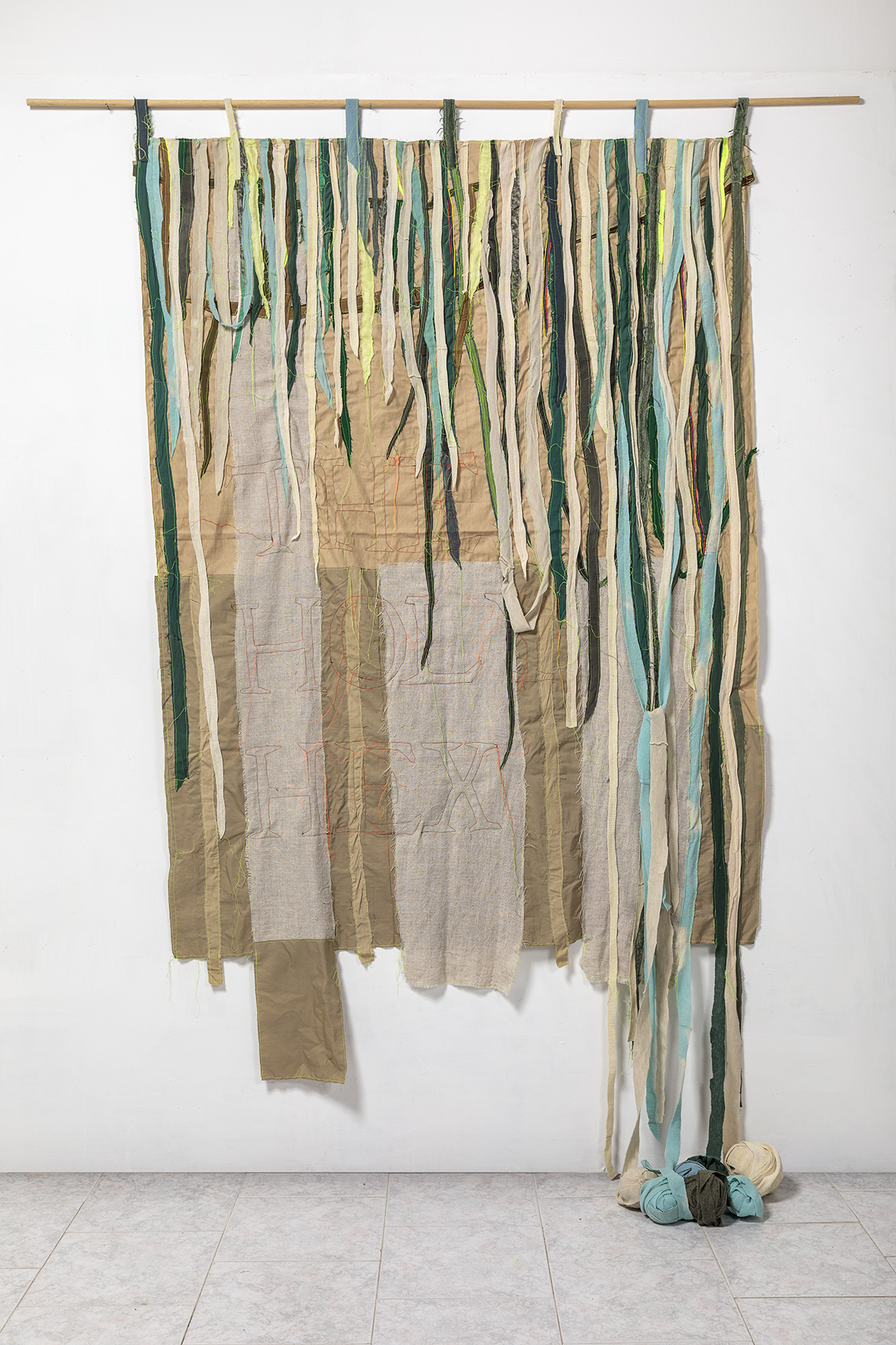
  • The Holy Hex, 2023
  • tessuti, lana, filo, cernierie, legno
  • Lavori realizzati durante la residenza per artisti Air Green presso Søndre Green, Noresund, Norway
  • Residenza supportata dal  Norske Tekstilkunstnere e da Soft Galleri, Oslo, Norvegia
  • Estratto da Marit Paasche, Hannah Ryggen. Threads of Defiance. Edizioni Thames&Hudson 2019
  • Una nota intervista ad Hannah Ryggen, realizzata da Arne Hestenes per il Dagblader nel 1948, si spinge ancora più in là nel modo in cui viene caratterizzata: “Ci riceve ed è la personificazione di un racconto popolare. I suoi capelli sono di un grigio gelido e pendono in lance selvagge di lana d’acciaio sugli occhi, limpidi come laghi di foresta…”.
  • Henrik Sorensen una volta la chiamò la santa strega. L’intervista ha tutti gli ingredienti chiave: il calderone di rame, la pentola blu e l’urina. Hestenes utilizza persino la descrizione di Henrik Sorensen come santa strega sia nel titolo che nel testo. In seguito a questo l’immagine di Hannah Ryggen come strega si diffuse ovunque”. In un articolo della giornalista svedese Kristina Lindstrand (forse ispirata da Hestenes), Hannah Ryggen viene scrutata e valutata come se fosse uno degli animali della fattoria:
  • È una figlia della natura, un vulcano in gonnella da donna, con capelli grigi a metà che scendono dritti sulle guance ruvide e rotonde. Anche la sua bocca è molto particolare, ma quando ci penso non riesco a decidere se è brutta o bella, se ha dei bei denti o non ne ha affatto…. Ma è morbida e femminile, e la sua gonna nera ondulata ha la lunghezza alla moda… anche se poco altro. Su di lei sembra lo stesso vestito semplice e stropicciato che si è sempre visto sulle semplici donne di campagna“.
  • The Holy Hex, 2023, tessuti, lana, filo, legno. 170 x 140 cm.
  • The Holy Hex, 2023. Dettaglio
  • The Holy Hex, 2023. Dettaglio
  • The Holy Hex, 2023, tessuti, lana, filo, cerniere, 70 x 40 cm.
  • The Holy Hex, 2023, tessuti, lana, filo, cerniere, 45 x 33 cm.
  • The Holy Hex, 2023, tessuti, lana, filo, cerniere, 55 x 34 cm.
  • The Holy Hex, 2023, tessuti, lana, filo, cerniere, 40 x 23 cm.


  1. The Holy Hex, 2023
  2. fabrics, wool, thread, zips, wood
  3. Works realized during the Artist in Residence Air Green at Søndre Green, Noresund, Norway.
  4. Residency supported by Norske Tekstilkunstnere and Soft Galleri, Oslo, Norway
  5. Extract from Marit Paasche, Hannah Ryggen. Threads of Defiance. Published by Thames&Hudson 2019
  6. “A well-known interview with Hannah Ryggen that Arne Hestenes conducted for Dagblader in 1948 goes even further in the way she is characterized: ‘She receives us and is the personification of a folk tale. Her hair is an icy grey and hangs in wild spears of steel wool down over her eyes, clear as forest lakes…
  7. Henrik Sorensen once called her The Holy Hex. The interview has all the key ingredients: the copper cauldron, pot blue and urine. Hestenes even uses Henrik Sorensen’s description of her as a holy hex for the headline as well as in the text. The image of Hannah Ryggen as a witch became widespread after this.” In an article by the Swedish journalist Kristina Lindstrand (perhaps inspired by Hestenes), Hannah Ryggen was scrutinized and evaluated as if she were one of the animals on the farm:
  8. She is a child of nature, a volcano in a woman’s skirt with grey, middle-parted hair that hangs straight down around the rough, little round cheeks. Her mouth is also very distinctive, but when I think about it, I cannot decide ifit’s ugly or beautiful, if she has nice teeth or none at all…. But she is soft and feminine, and her wavy black skirt has the new length … though little else. On her it looks the same as the simple, wrinkled dress always seen on simple country women“.
  9. The Holy Hex, 2023, fabrics, wool, thread, wood. 170 x 140 cm.
  10. The Holy Hex, 2023. Detail
  11. The Holy Hex, 2023. Detail
  12. The Holy Hex, 2023, fabrics, wool, thread, zips, 70 x 40 cm.
  13. The Holy Hex, 2023, fabrics, wool, thread, zips, 45 x 33 cm.
  14. The Holy Hex, 2023, fabrics, wool, thread, 55 x 34 cm.
  15. The Holy Hex, 2023, fabrics, wool, thread, zips, 40 x 23 cm.

  • Da sola nel bosco
  • D3082 Domus Civica Art Gallery Venezia
  • Mostra personale a cura di Eva Comuzzi
  • testo di Eva Comuzzi, visual a cura di Multiplo
  • Comunicato stampa
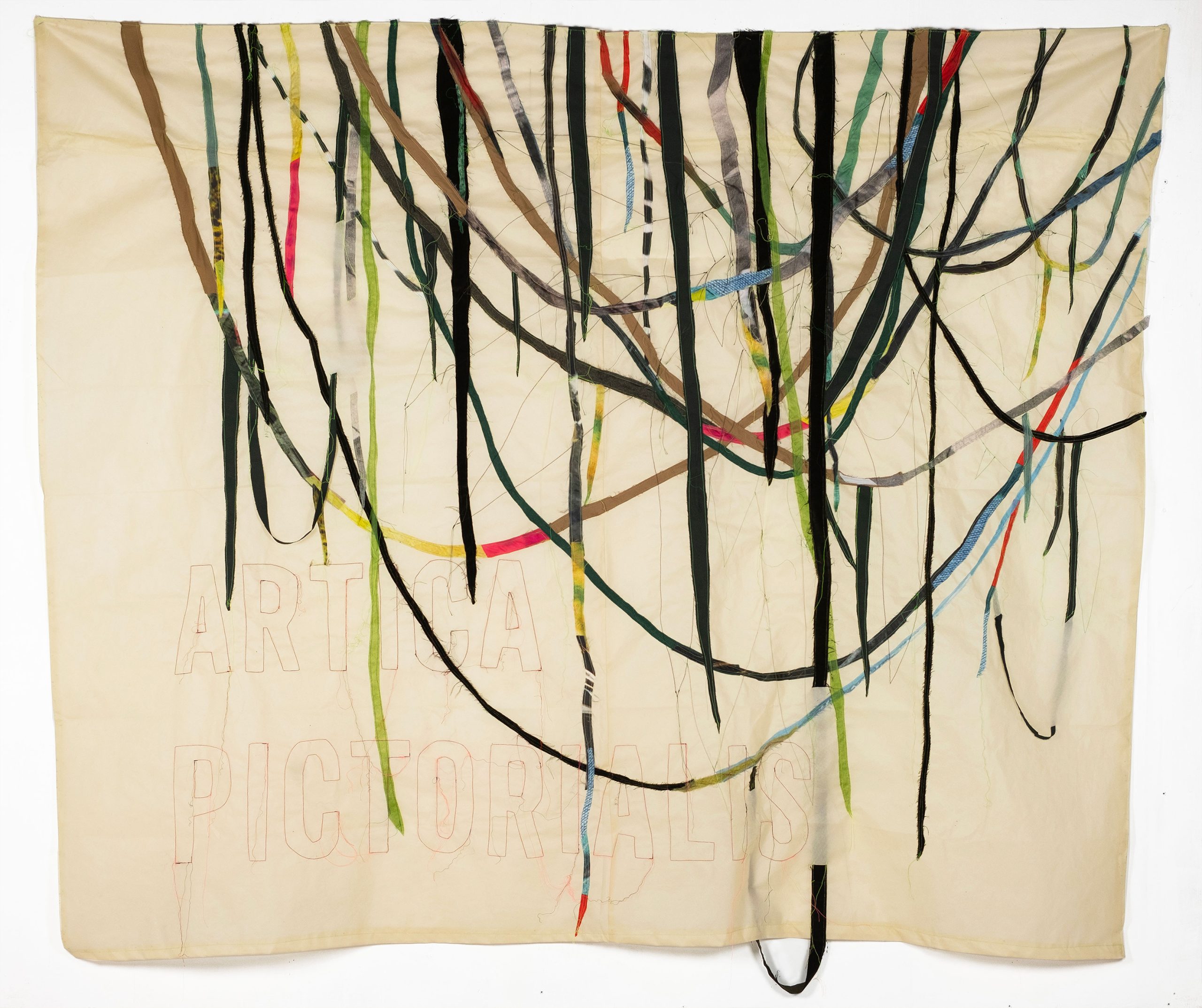
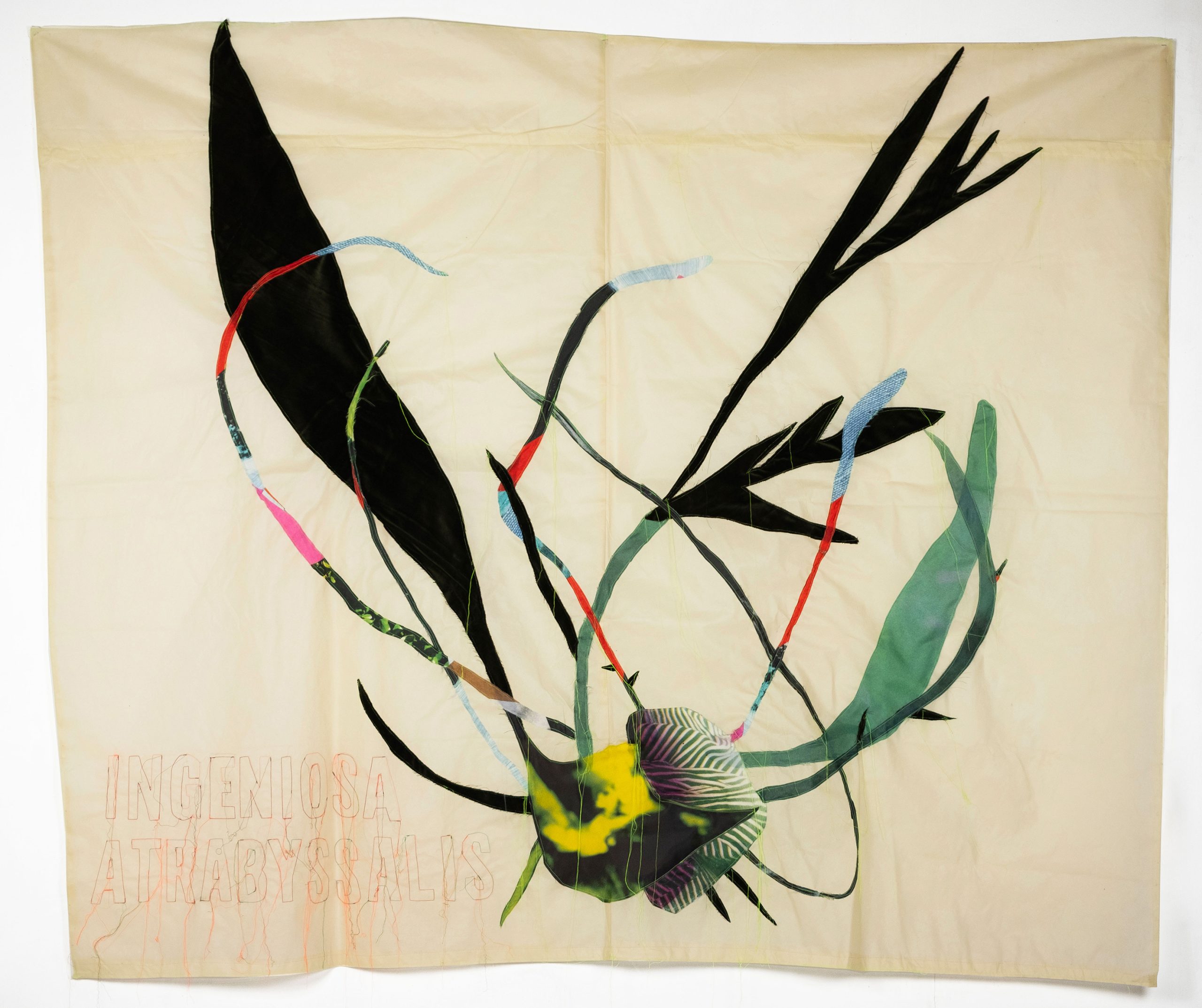
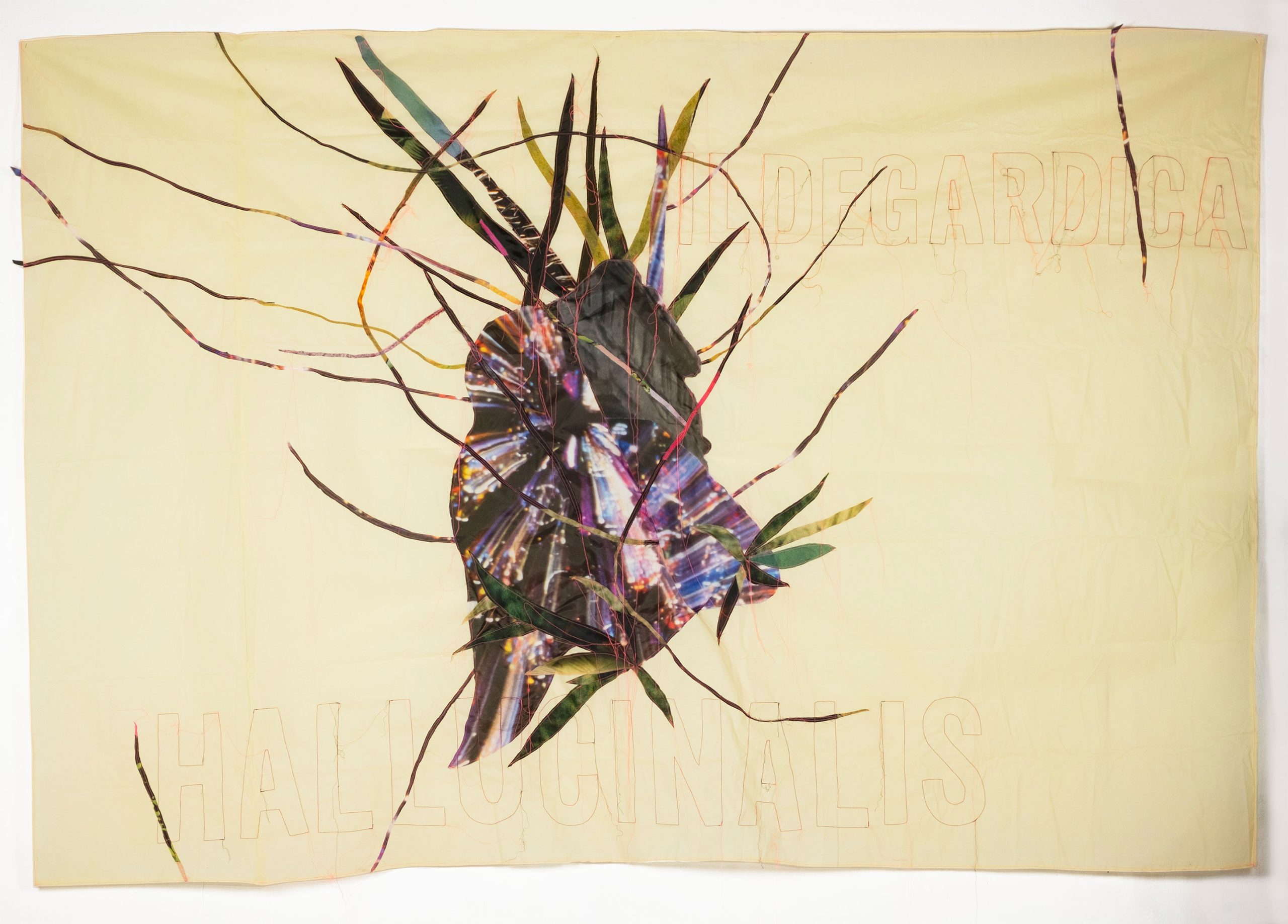
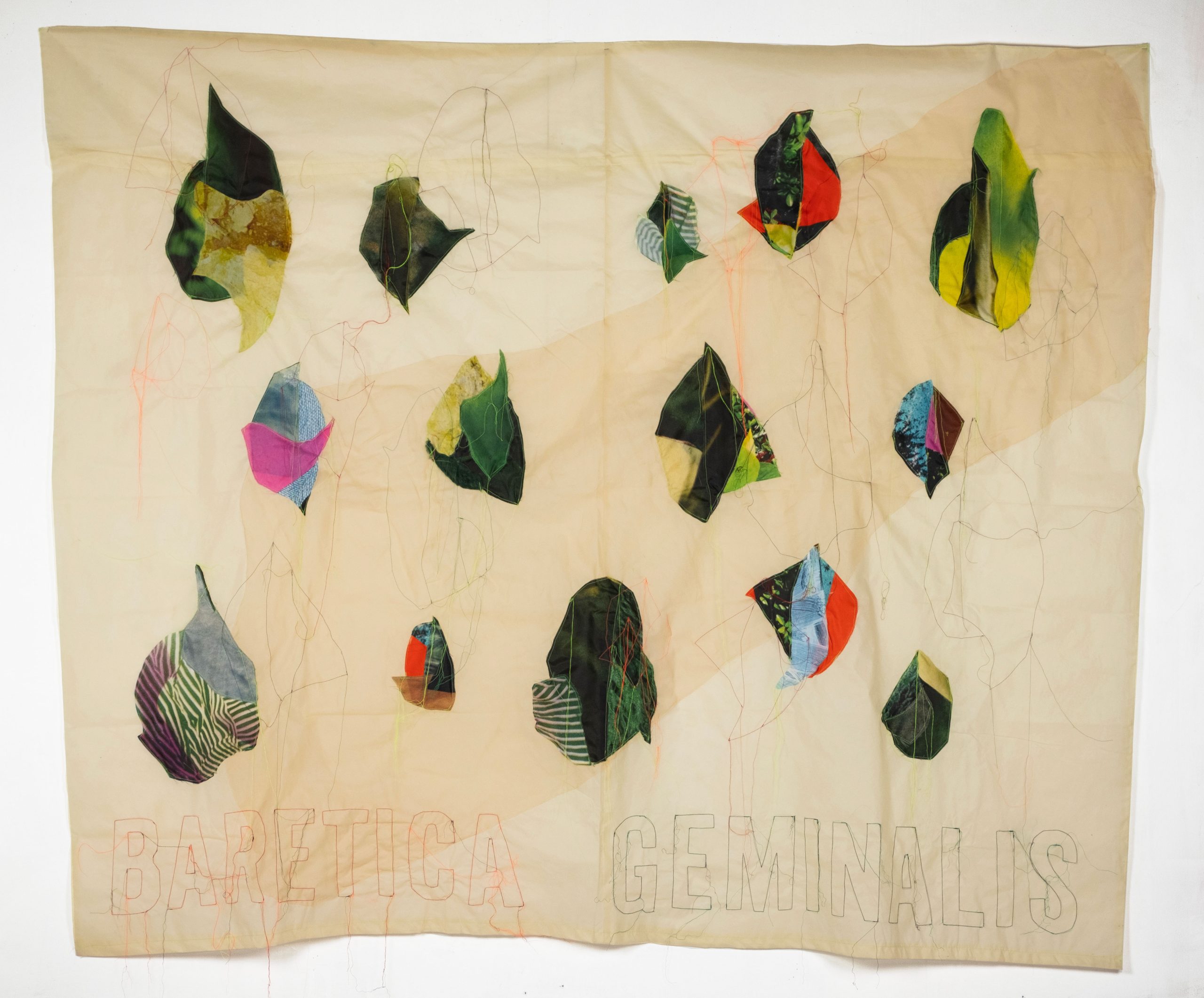
  • Le protagoniste di questi lavori sono Hildegarda von Bingen, Jeanne Baret, Elizabeth Blackwell e Marianne North, quattro donne che, in epoche diverse, hanno cercato di varcare i confini di una società fortemente patriarcale. Una società dove tutto, — in primis l’espressione e la credibilità delle loro ricerche e parole — veniva messo in discussione o, peggio, non preso nemmeno in considerazione. Ho trasformato le carte sulle quali venivano disegnate piante e fiori in grandi teli, gli stessi che fra l’altro vengono usati per proteggerle dal freddo dell’inverno. I loro volti vengono tradotti nella forma di una pianta. Una piante di nuova specie, che ho inventato come il nome che porta, che si unisce così alla concreta visionarietà di queste donne, esponendole in tutta la loro unicità e bellezza. Sono esempi a cui guardare ed ispirarsi, in tempi in cui, esplorare e andare in profondità, prendendoci tutto il tempo necessario, risulta difficilmente attuabile.


  1. Alone in the Woods
  2. D3082 Domus Civica Art Gallery, Venice
  3. Solo show curated by Eva Comuzzi
  4. Text by Eva Comuzzi, visual curated by Multiplo
  5. The protagonists of the works are Hildegarda von Bingen, Jeanne Baret, Elizabeth Blackwell and Marianne North, four women who in different eras tried to break through the barriers of a strongly patriarchal society. A society in which everything – first and foremost, the expression and credibility of their research and words – was questioned or, worse, not even taken into consideration. I have transformed the pages of drawings of plants and flowers into large canvases, the same canvases used to protect them from cold in winter. The women’s faces are translated by the artist into the form of a plant. A new species of plants that I hasve invented, along with the names they bear, thus merging with the vision of these women, showcasing them in all their uniqueness and beauty. They are examples to observe and draw inspiration from at a time when exploring and digging deep, taking all the time necessary, is no easy undertaking.


  • Artica Pictorialis (Marianne North), 2023 Non woven fabric for plants, printed fabric, fabric, thread. 240 x 220 cm.
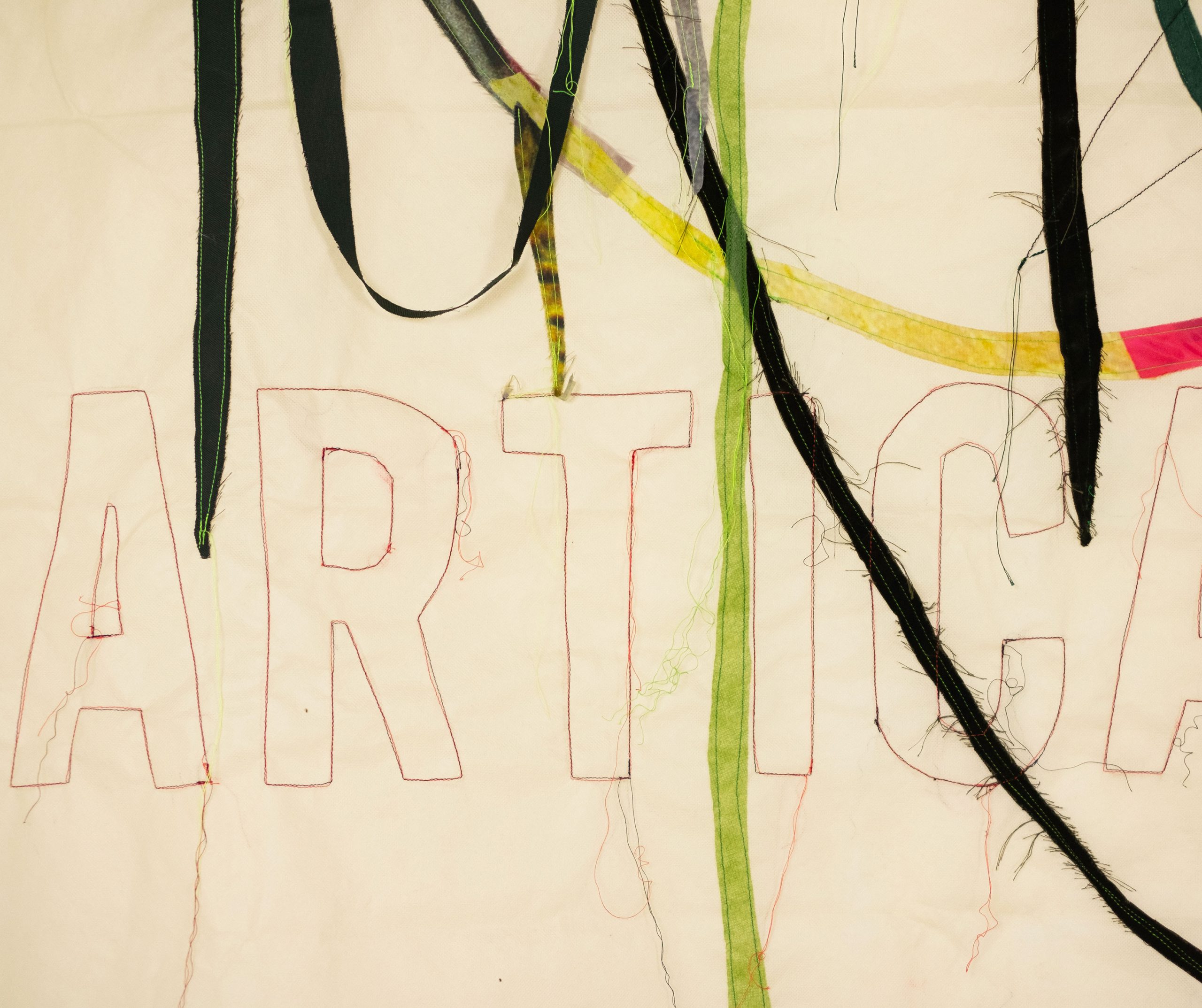
  • Artica Pictorialis (Marianne North), 2023. Detail.
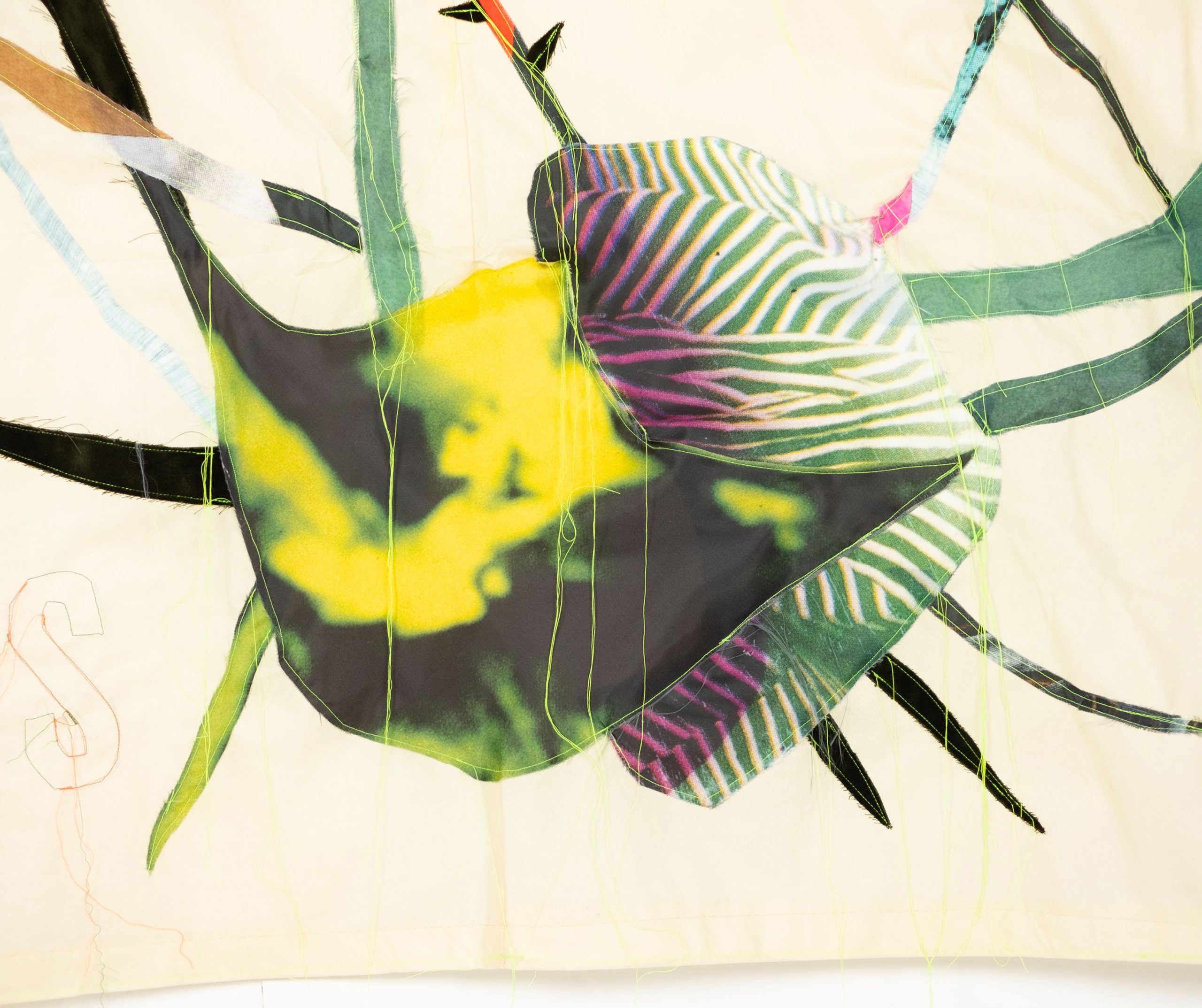
  • Ingeniosa Atrabyssalis (Elizabeth Blackwell) ), 2023. Non woven fabric for plants, printed fabric, fabric, thread. 240 x 220 cm. Private Collection.
  • Ingeniosa Atrabyssalis (Elizabeth Blackwell) ), 2023. Detail.
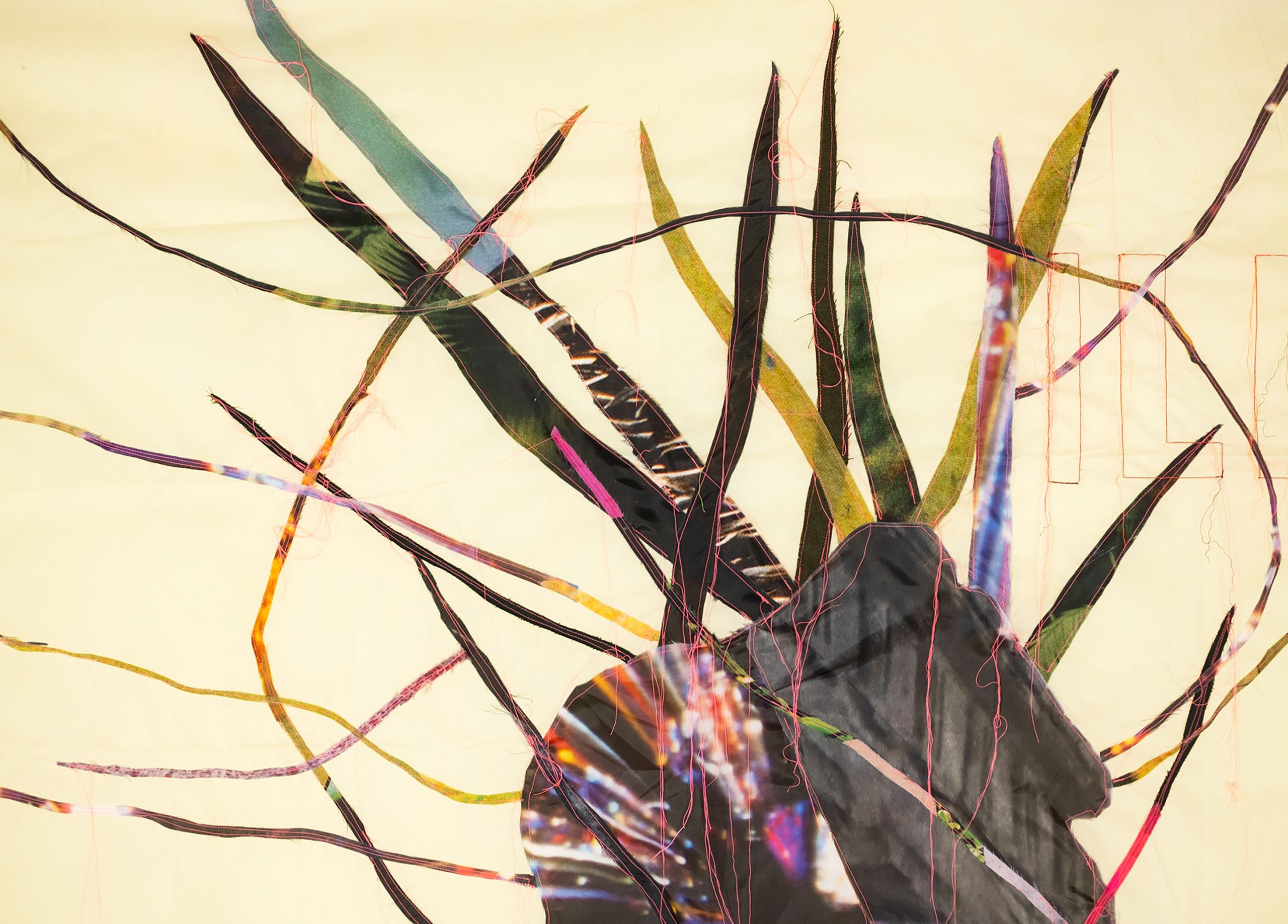
  • Ildegardica Hallucinalis (Hildegarda Von Bingen), 2023. Non woven fabric for plants, printed fabric, fabric, thread. 280 x 220 cm.
  • Ildegardica Hallucinalis (Hildegarda Von Bingen), 2023. Detail.
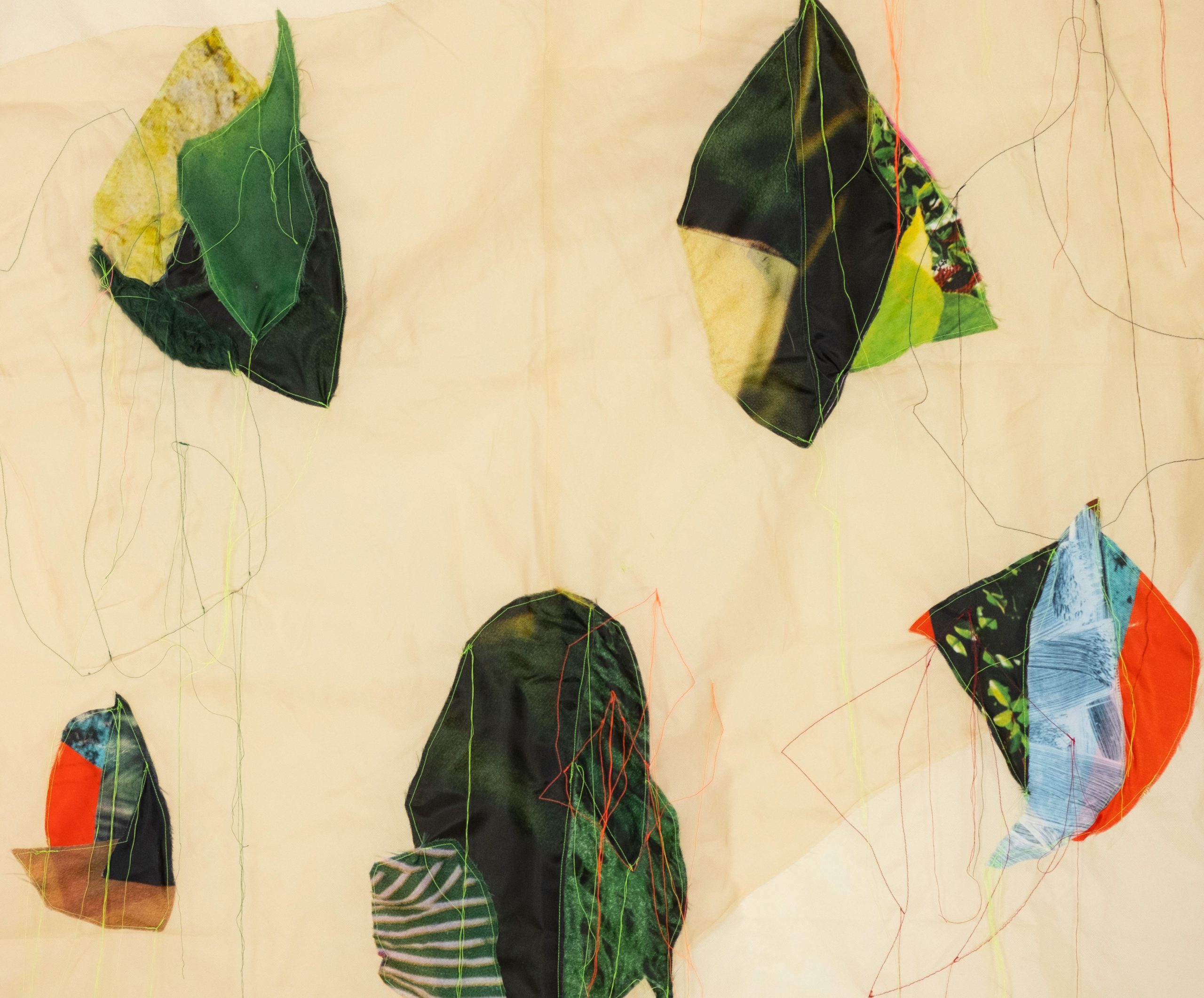
  • Baretica Geminalis (Jeanne Baret) ), 2023. Non woven fabric for plants, printed fabric, fabric, thread. 240 x 220 cm.
  • Baretica Geminalis (Jeanne Baret) ), 2023. Detail.

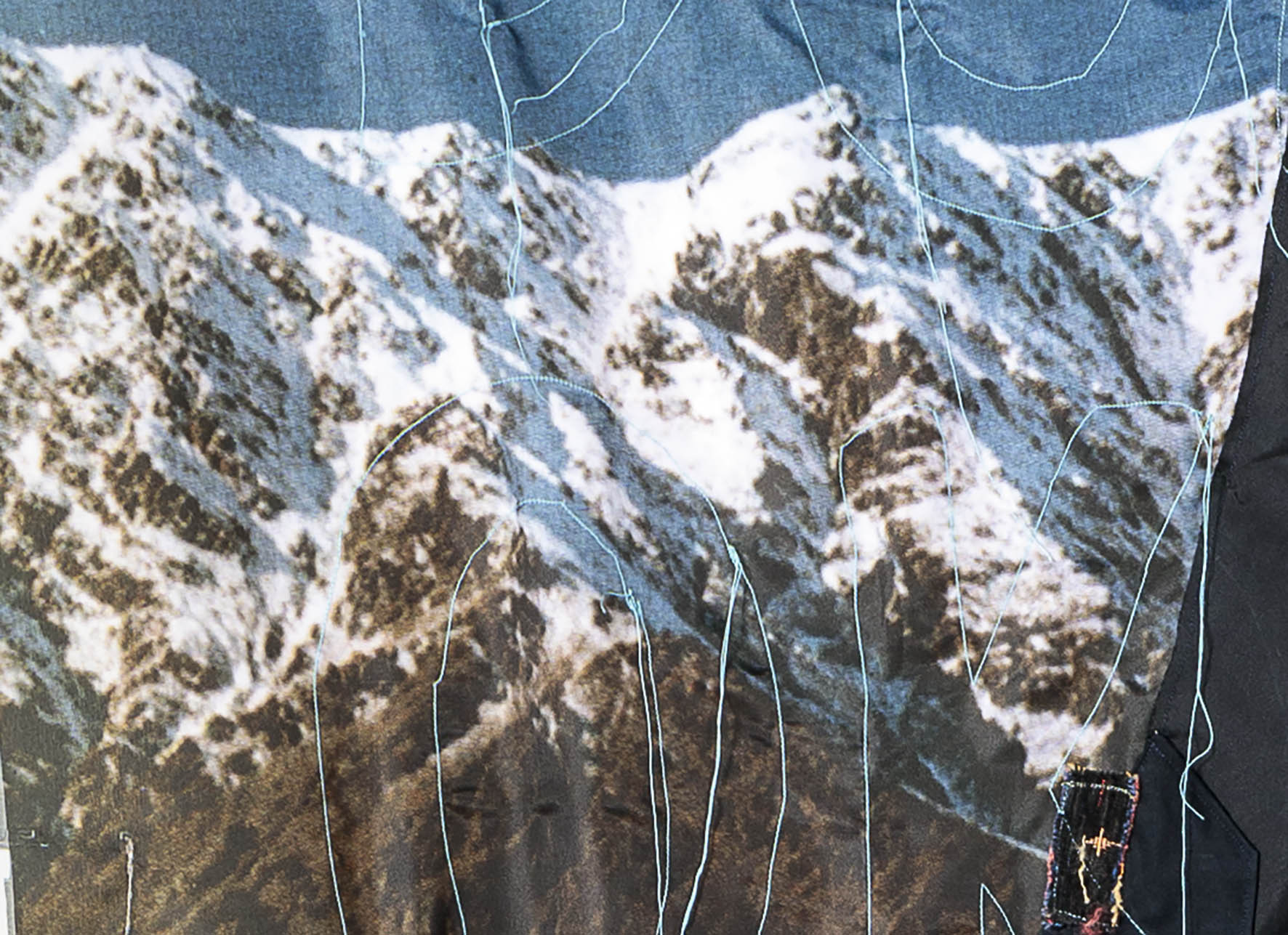
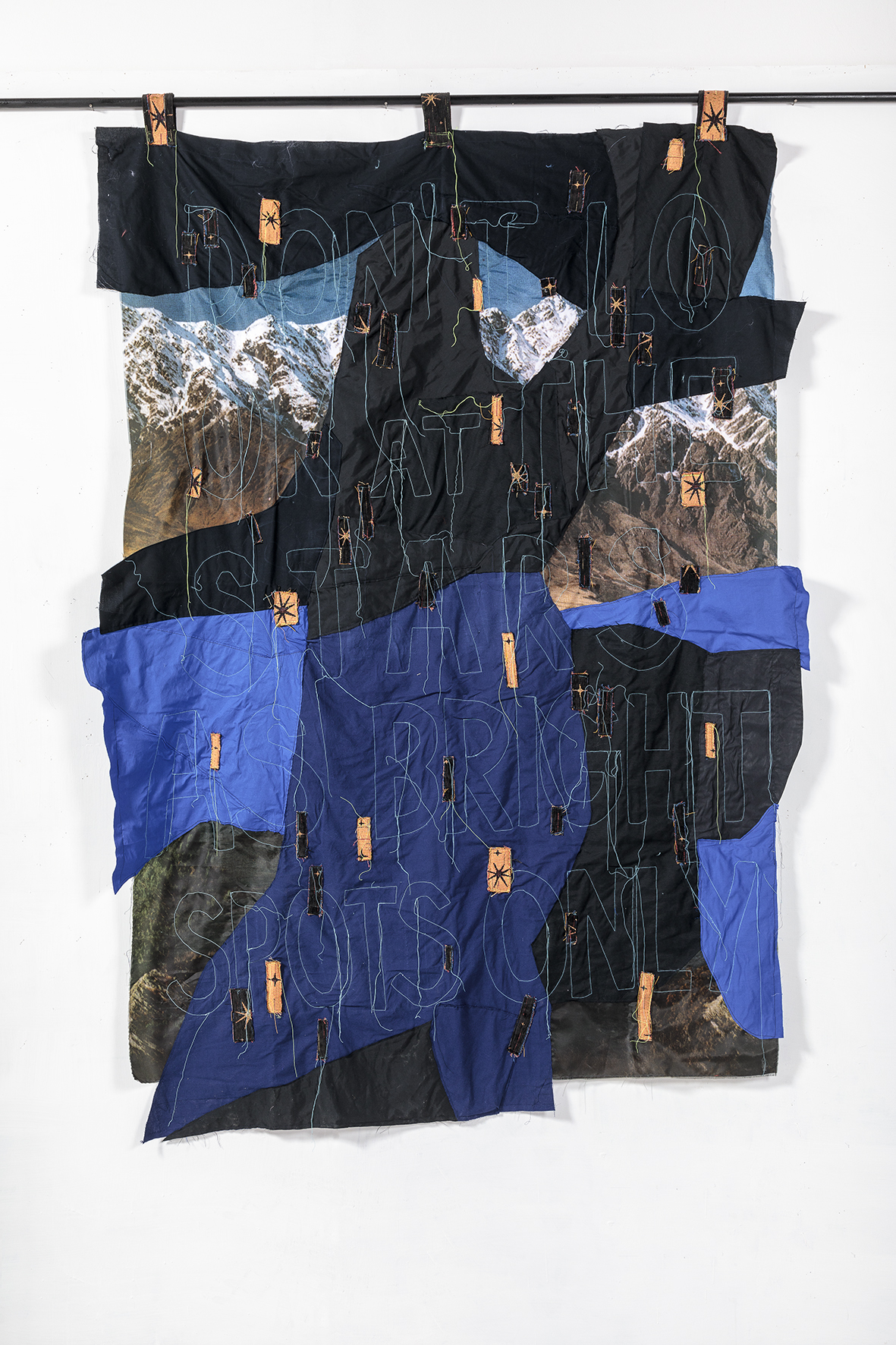
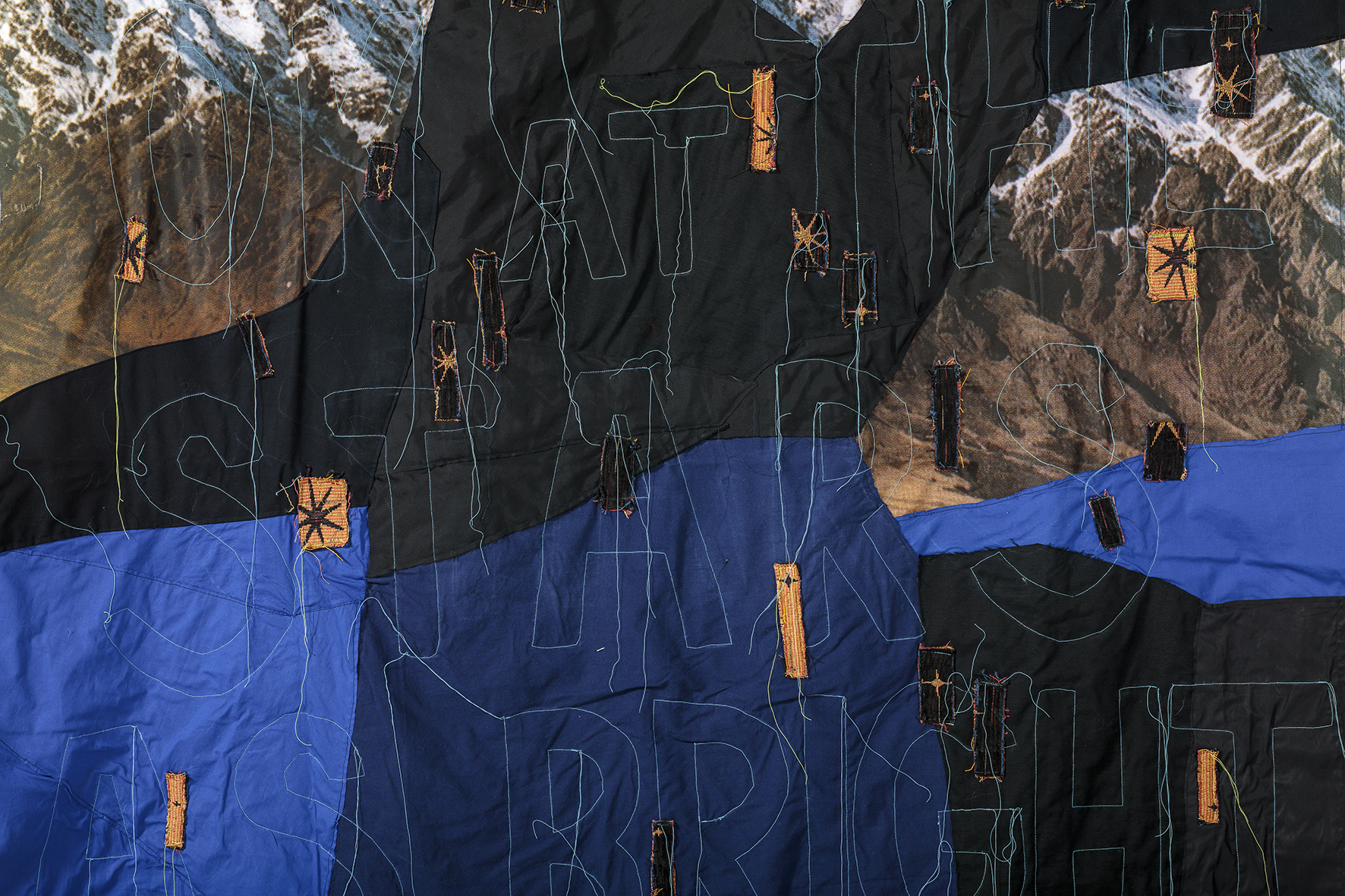
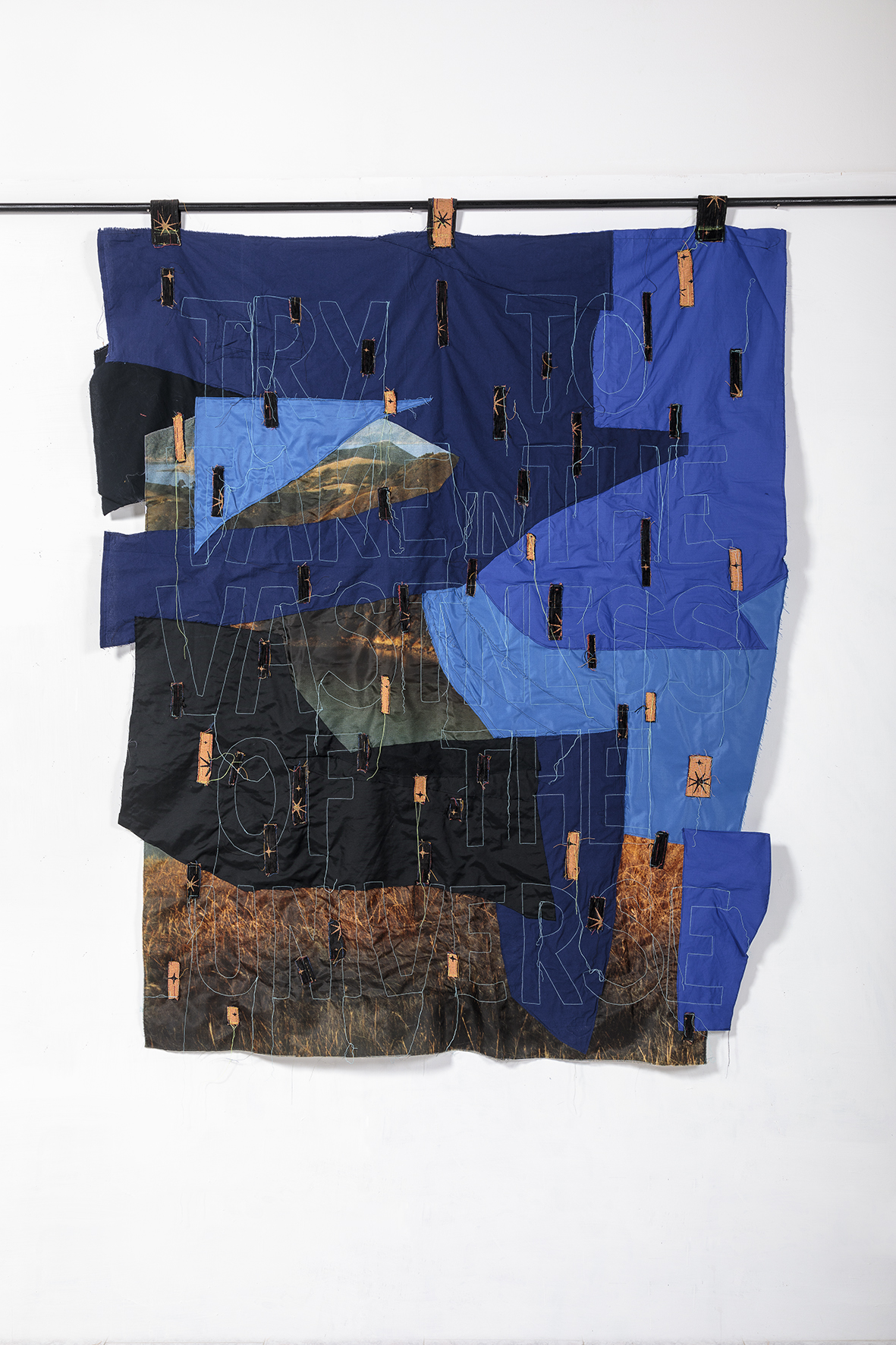
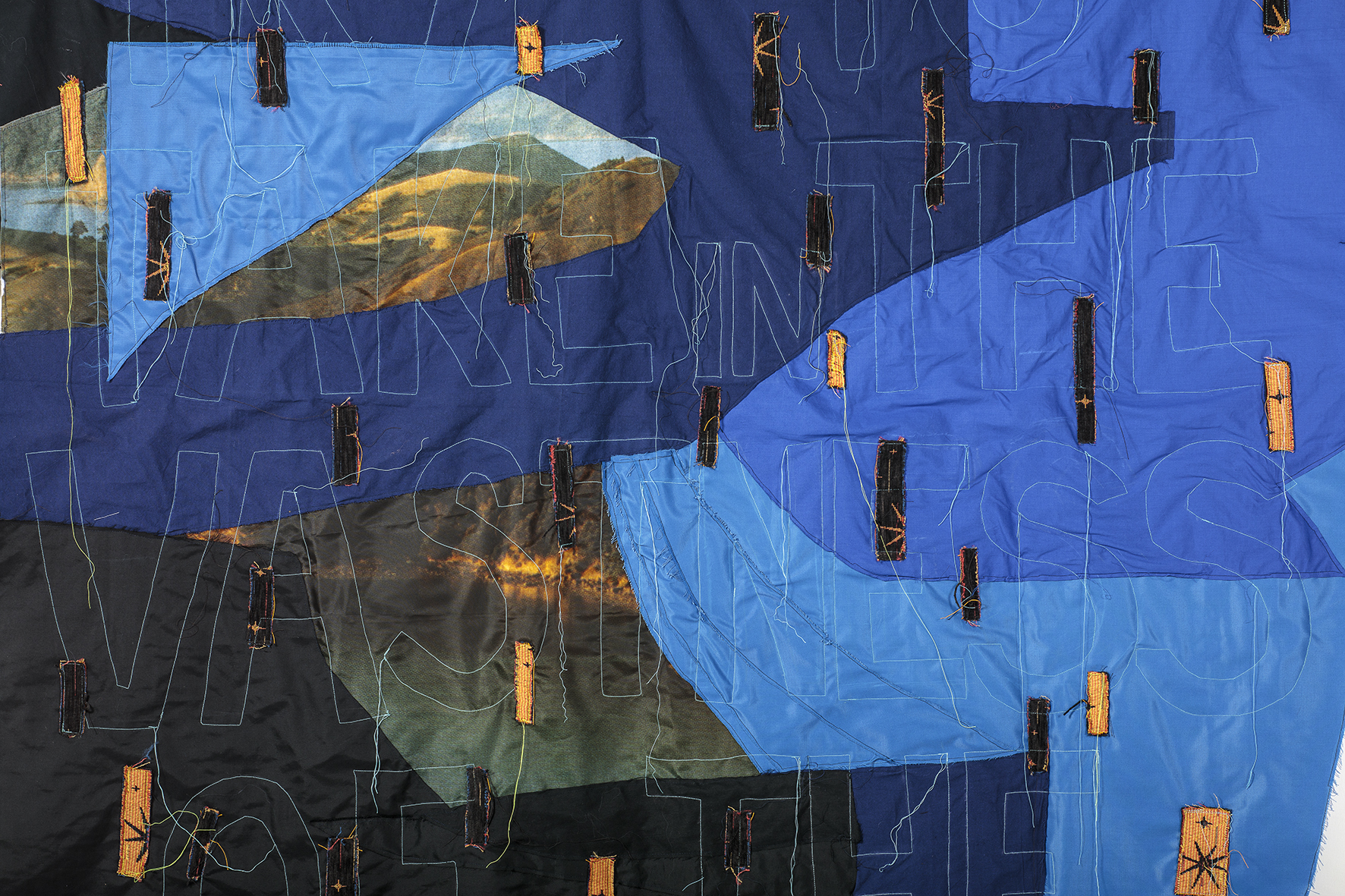
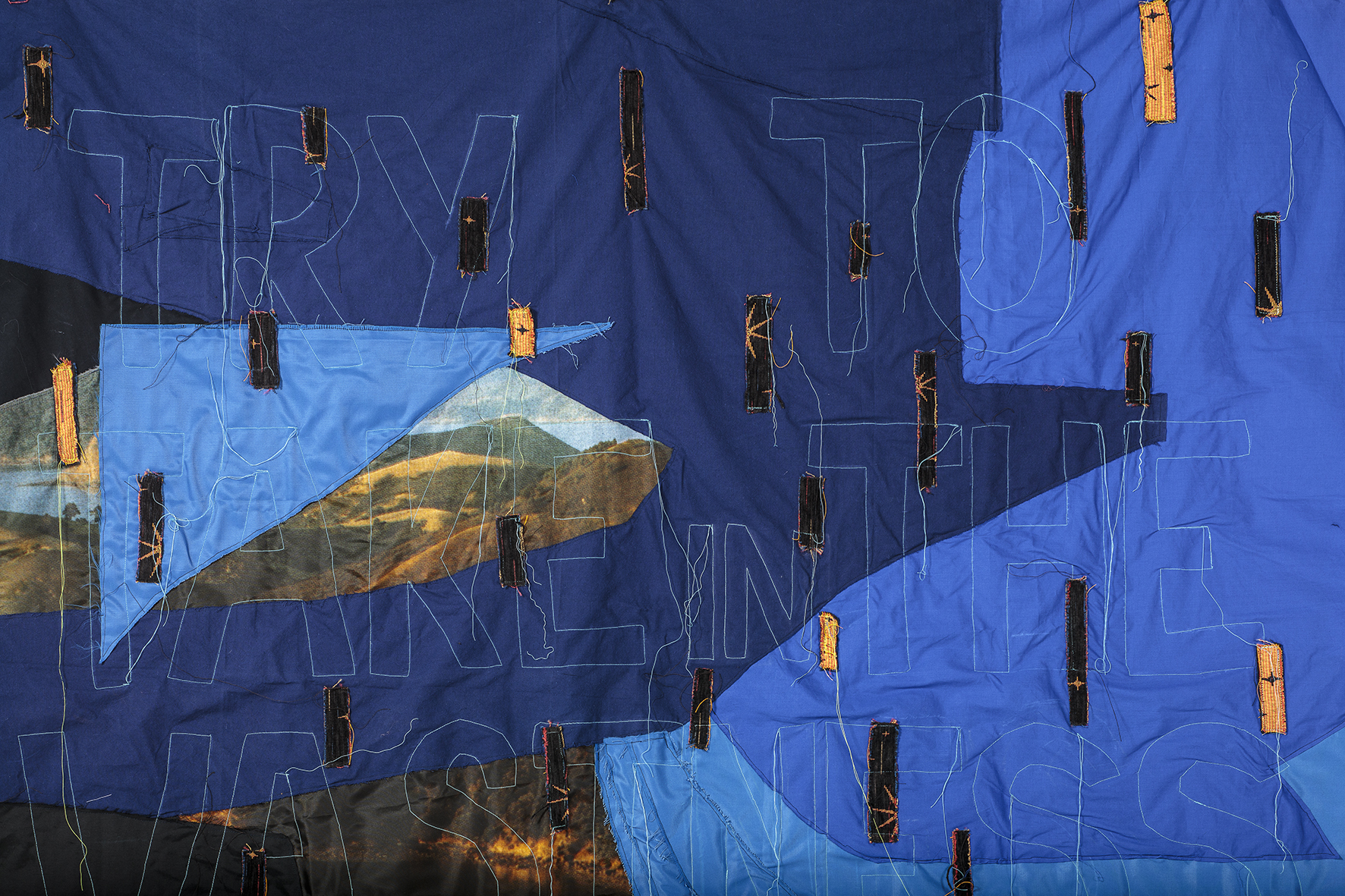
  • Don’t Look at the Stars as Bright Spots Only (Try to take in the Vastness of the Universe), 2022
  • tessuti, tessuti stampati, filo, 210 x 150 cm.


  1. Don’t Look at the Stars as Bright Spots Only (Try to take in the Vastness of the Universe), 2022
  2. fabric, printed fabrics, thread, 200 x 160 cm.

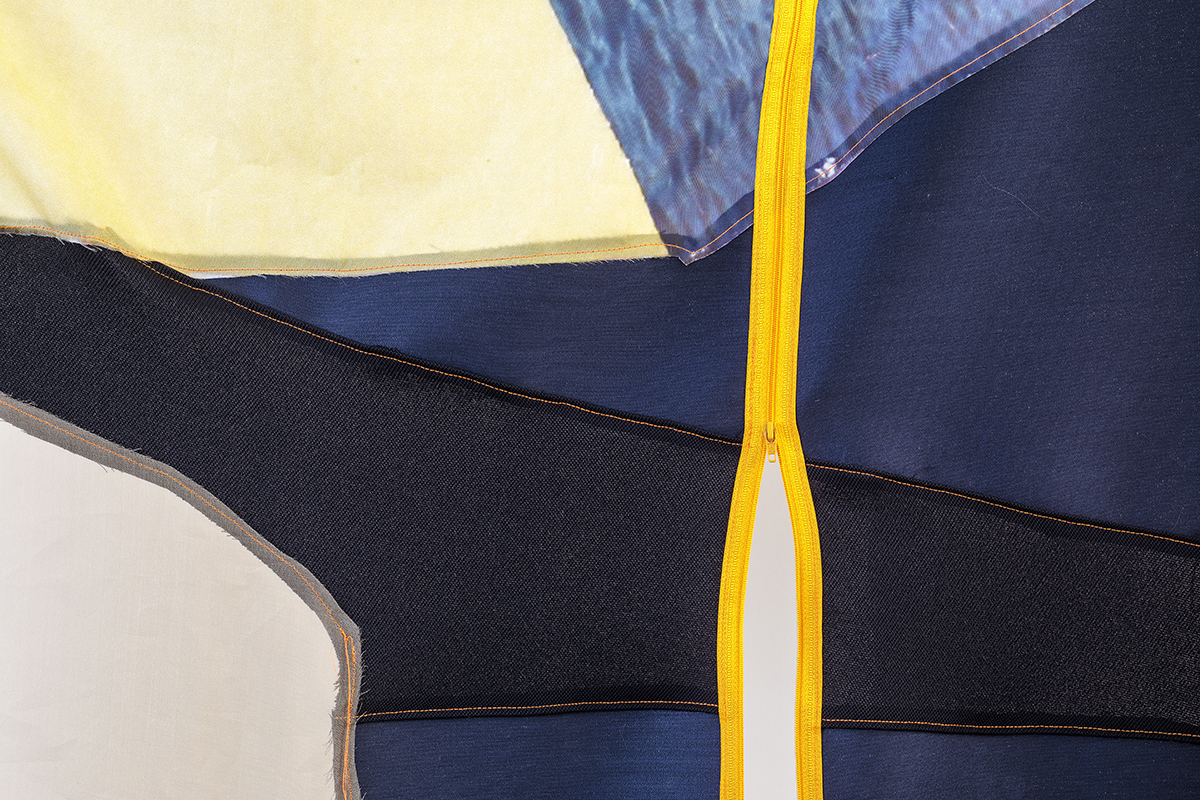
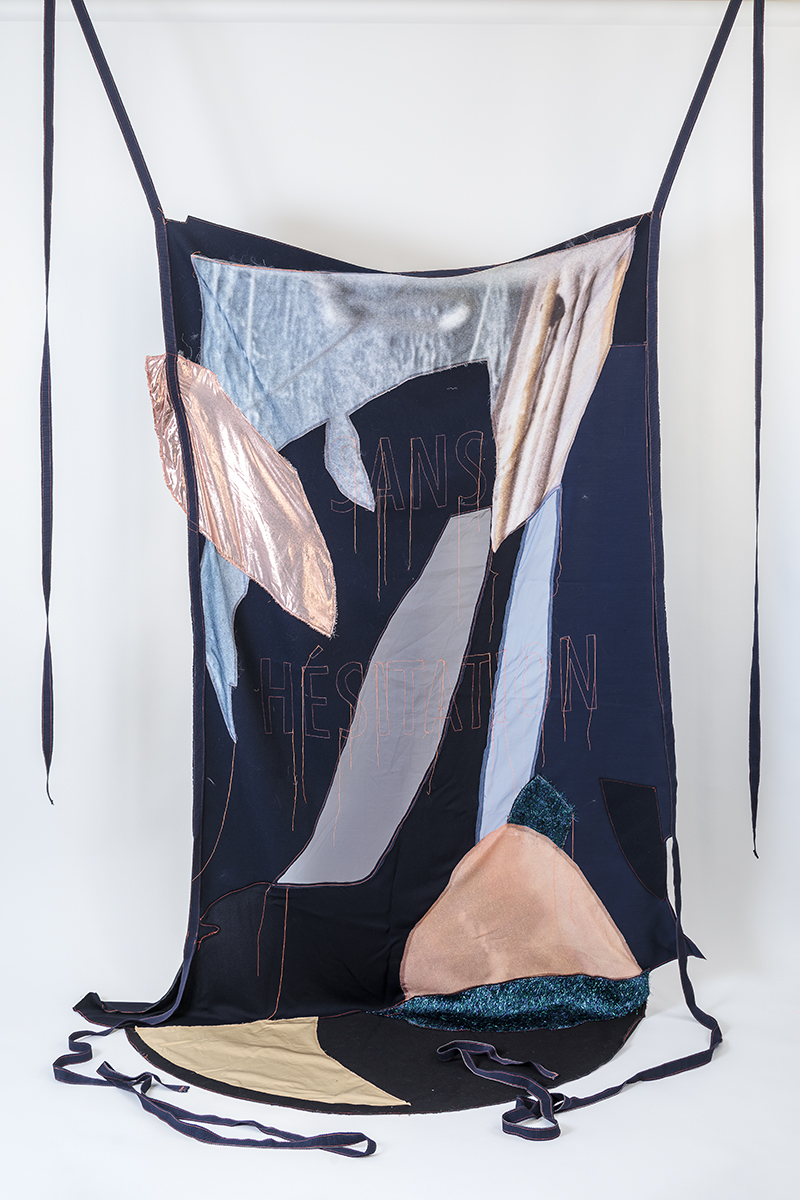
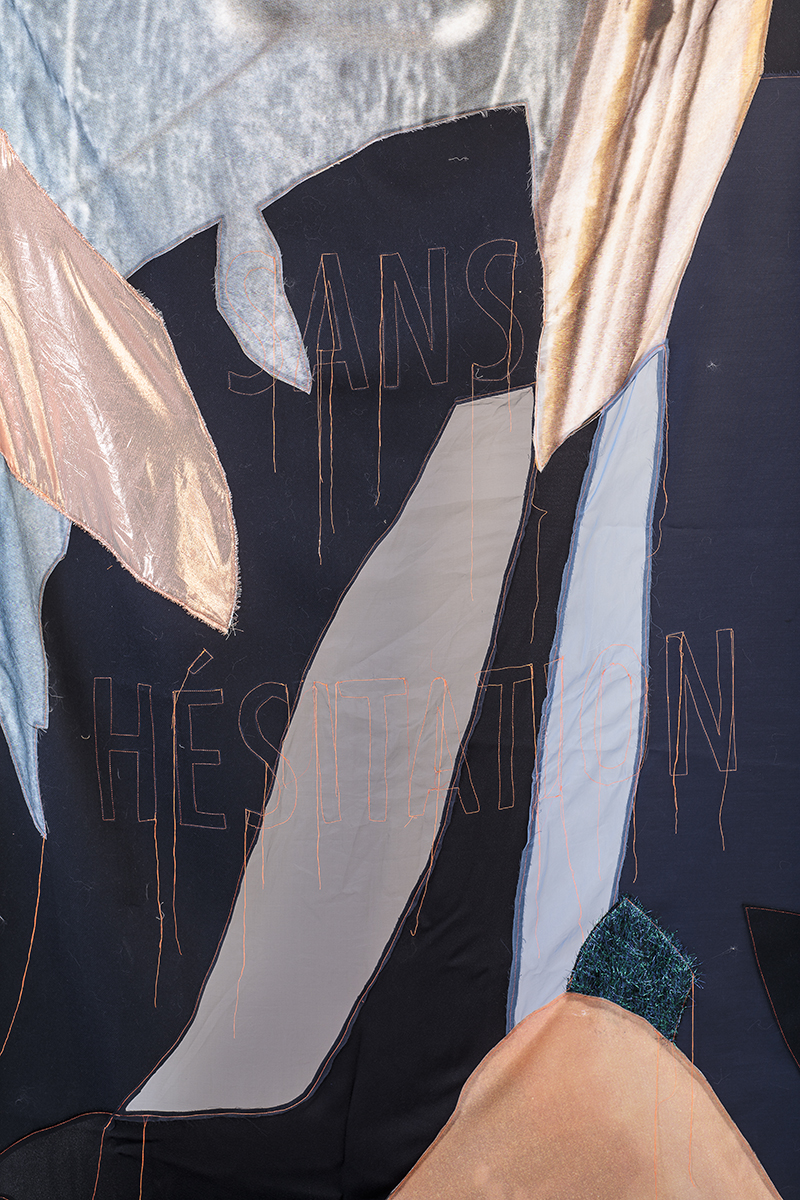
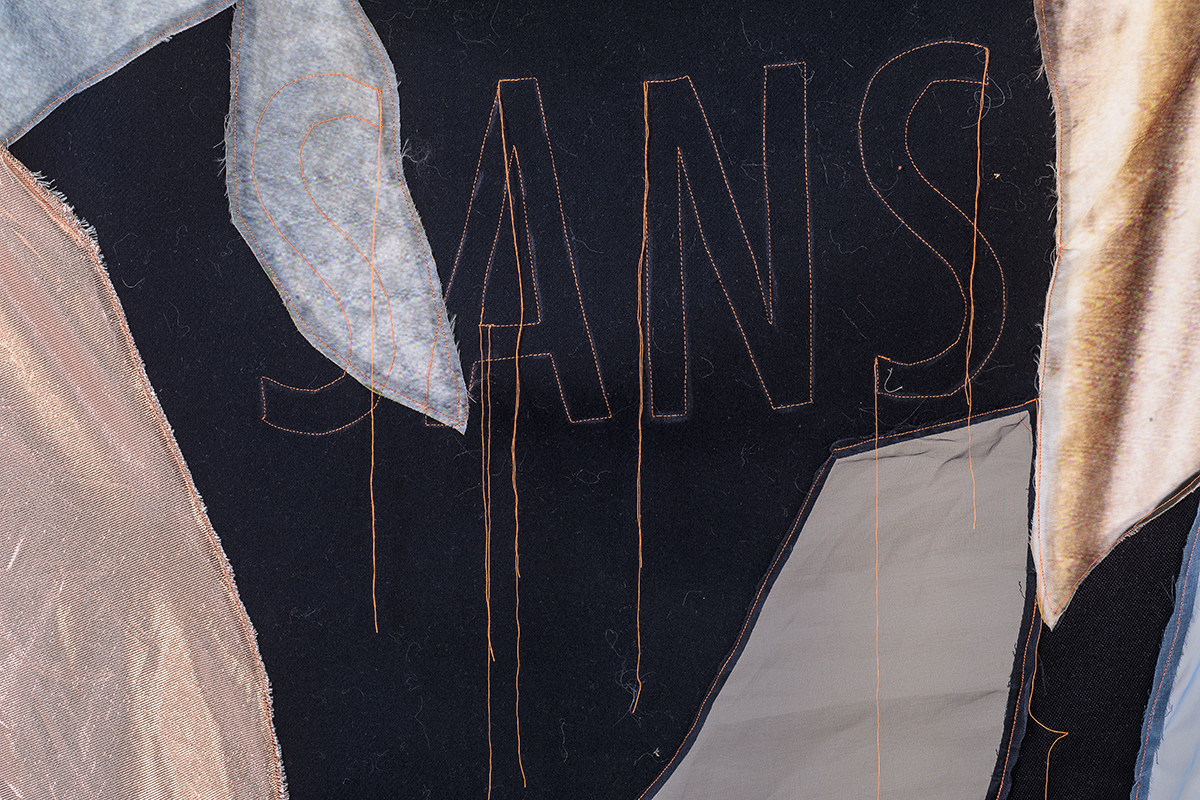
  • Sans Hésitation, 2022
  • Tessuti, zips, filo, cinghie, fibbie
  • 275 x 145 cm. ca.
  • 190 x 118 cm. ca.
  • In collaborazione con Lavin, Parigi per il Salone del Mobile, Milano 2022.
  • Jeanne Lanvin a soli ventidue anni aprì a Parigi la sua casa di moda. La sua è una storia di intraprendenza e determinazione, dettata da un incredibile talento, che l’ha portata a creare un vero e proprio impero nell’industria della moda. Si lasciava ispirare e si fidava del suo istinto. Diventare madre non la ostacola, ma anzi, determina l’inizio del suo successo. Sua figlia Margherita diventa la sua musa ispiratrice e sancisce l’immagine ufficiale della casa di moda insieme a un immaginario che non è mai tramontato.
  • Ricami, nastri, contrasti di colore e di materia, volumi e tagli, motivi geometrici e floreali, dettagli nascosti e preziosi, semplice complessità. Sono tanti gli stimoli e le direzioni che Jeanne Lanvin indica.
  • Nei due giorni di performance live nella botique di Via Pietro Verri a Milano ho cucito due lavori utilizzando i tessuti di scarto delle vecchie collezioni Lanvin. Ho potuto sceglierli nel magazzino di Parigi: come in un enorme negozio di colori ho concentrato le mie scelte sulle tonalità di blu (colore per eccellenza della casa di moda) e sulle tonalità di rosa, giallo oro, gialli pallidi e terre. Ho creato una palette di tessuti chiari e scuri con particolare attenzione al loro peso e alla loro texture, scegliendo tessuti pesanti e compatti insieme ad altri più leggeri e trasparenti, opachi e lucidi. Ho avuto la fortuna di accedere all’archivio, ho ammirato i meravigliosi ricami, spesso complessi e ricchi di materiale che spiccano sui tessuti leggeri su cui sono applicati. Il contrasto è la chiave di lettura del lavoro. Basandomi su dei tagli di abiti di Jeanne Lanvin ho sovrapposto forme suggeritemi dal mio immaginario, a partire da alcuni miei collage stampati in digitale su tessuto sintetico, intrecciando così due mondi.
  • Ho letto alcune sue dichiarazioni sulla moda e sul suo modo di procedere nel lavoro, ma anche recensioni di testate giornalistiche. Mi ha colpito in particolare un’espressione che ricorre nelle sue parole: “Sans hésitation”.
  • In questa espressione trovo tutto il coraggio e l’intraprendenza che non ha mai abbandonato Jeanne Lanvin nel corso della sua incredibile carriera. Mi sembra uno slogan perfetto per riassumere lo spirito di questa casa di moda ma anche uno slogan universale. L’ho cucito sul mio lavoro come un monito prezioso.


  1. Sans Hésitation, 2022
  2. Fabrics, zips, thread, straps, buckles.
  3. 275 x 145 cm. approx.
  4. 190 x 118 cm. approx.
  5. in collaboration with Lanvin, Paris. Salone del Mobile, Milan 2022
  6. Jeanne Lanvin opened her own fashion house in Paris when she was only twenty-two years old. Hers is a story of resourcefulness and determination, dictated by an incredible talent, which led her to create a veritable empire in the fashion industry. She let herself be inspired and trusted her instincts. Becoming a mother did not hinder her but determined the start of her success. Her daughter Margherita became her inspirational muse and established the official image of the fashion house together with imagery that has never faded.
  7. Embroidery, ribbons, contrasts of colour and material, volumes and cuts, geometric and floral patterns, hidden and precious details, and simple complexity. There are many stimuli and directions that Jeanne Lanvin points out. During the two-day live performance in the boutique on Via Pietro Verri in Milan, I sewed two pieces using discarded fabrics from old Lanvin collections. I was able to choose them in the warehouse in Paris: as in a vast colour shop, I concentrated my choices on shades of blue (the fashion house’s colour par excellence) and pink, golden yellow, pale yellows and earth tones. I created a palette of light and dark fabrics with particular attention to their weight and texture, choosing heavy and compact fabrics alongside lighter, transparent, opaque and shiny ones. I was lucky enough to access the archive and admired the beautiful embroideries, often intricate and rich in material that stand out against the light fabrics on which they are applied. “Contrast” will be the key to the work. Based on Jeanne Lanvin’s dress cuts, I overlapped shapes suggested to me by my imagination, starting with some of my digitally printed collages on synthetic fabric, thus interweaving two worlds.
  8. I have read some of her statements on fashion and her way of working and reviews from newspapers. I was particularly struck by an expression that recurs in his words: ‘Sans hésitation’.
  9. In this expression, I find all the courage and resourcefulness that has never abandoned Jeanne Lanvin throughout her incredible career. It seems to be a perfect slogan to sum up the spirit of this fashion house but also a universal slogan. I sewed it onto my work as a precious reminder.


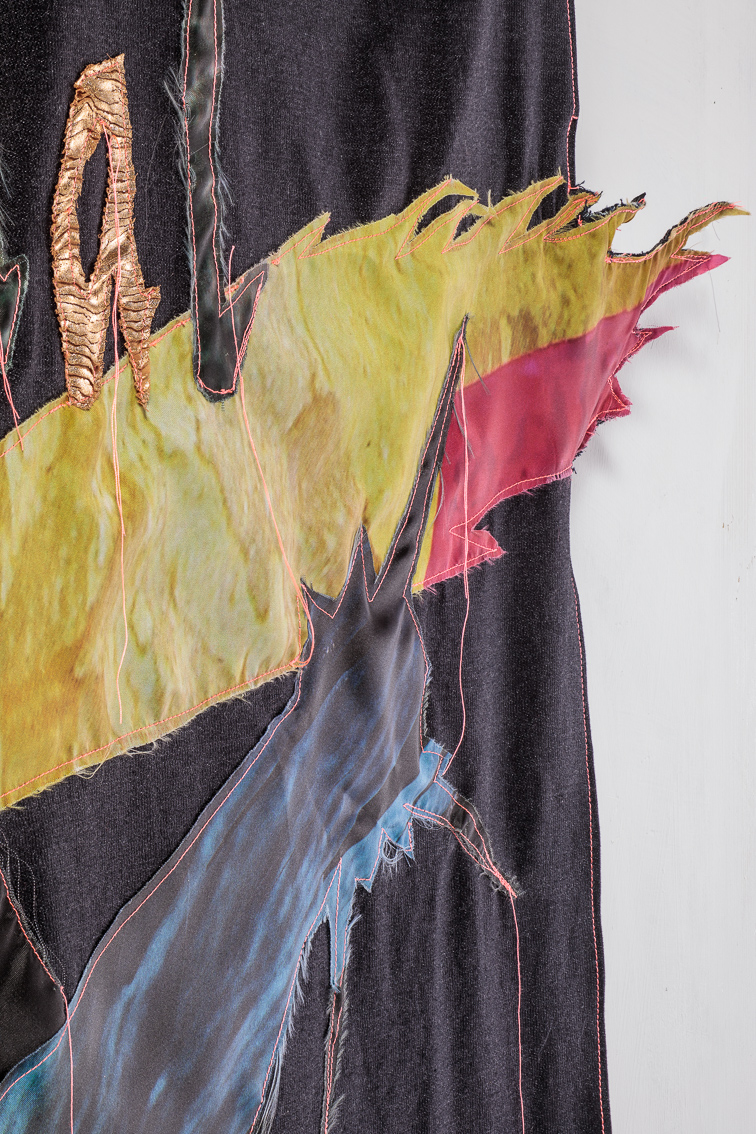
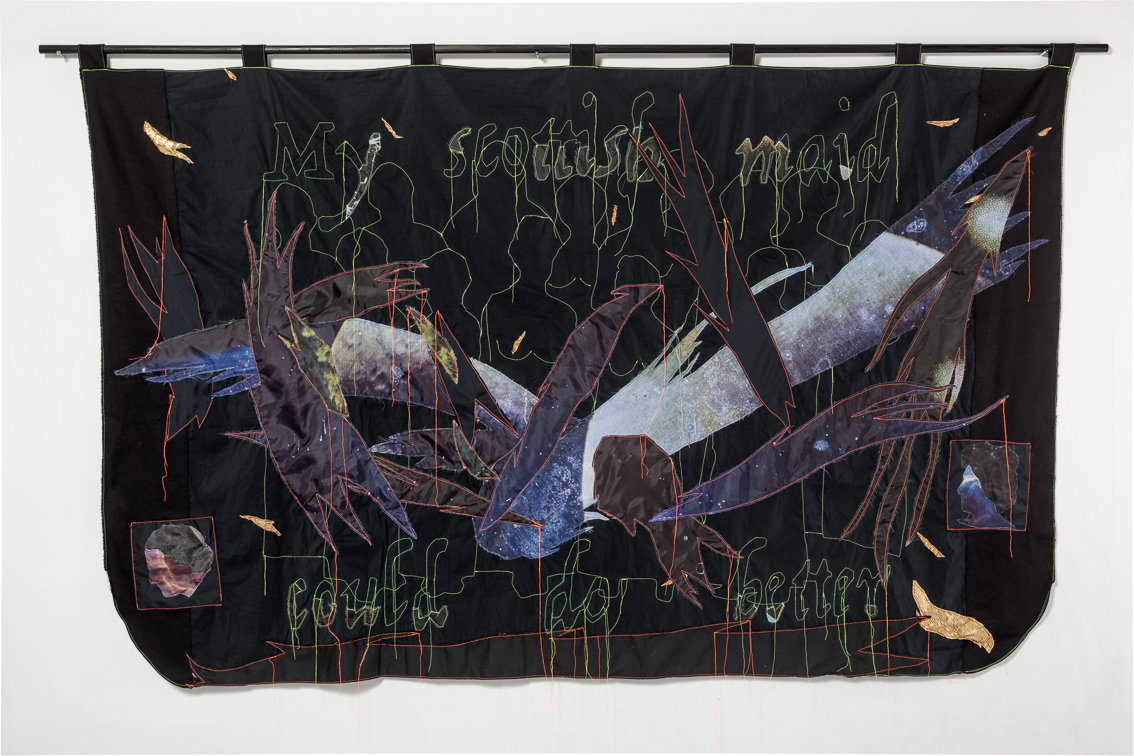
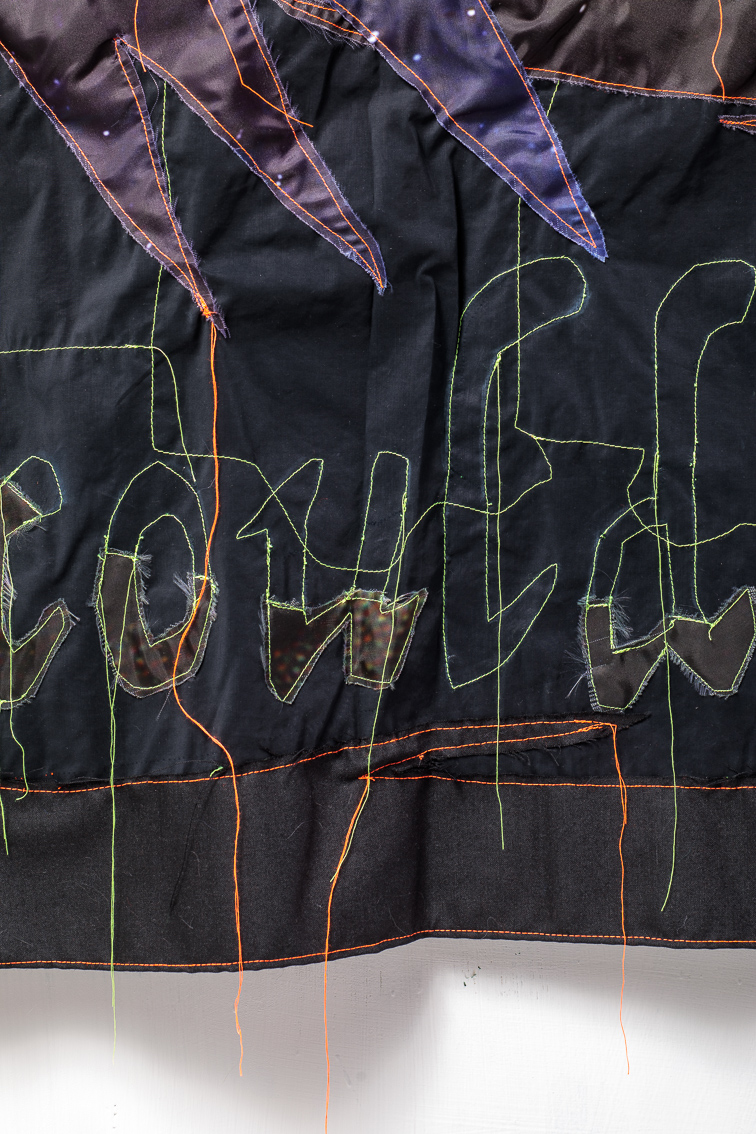
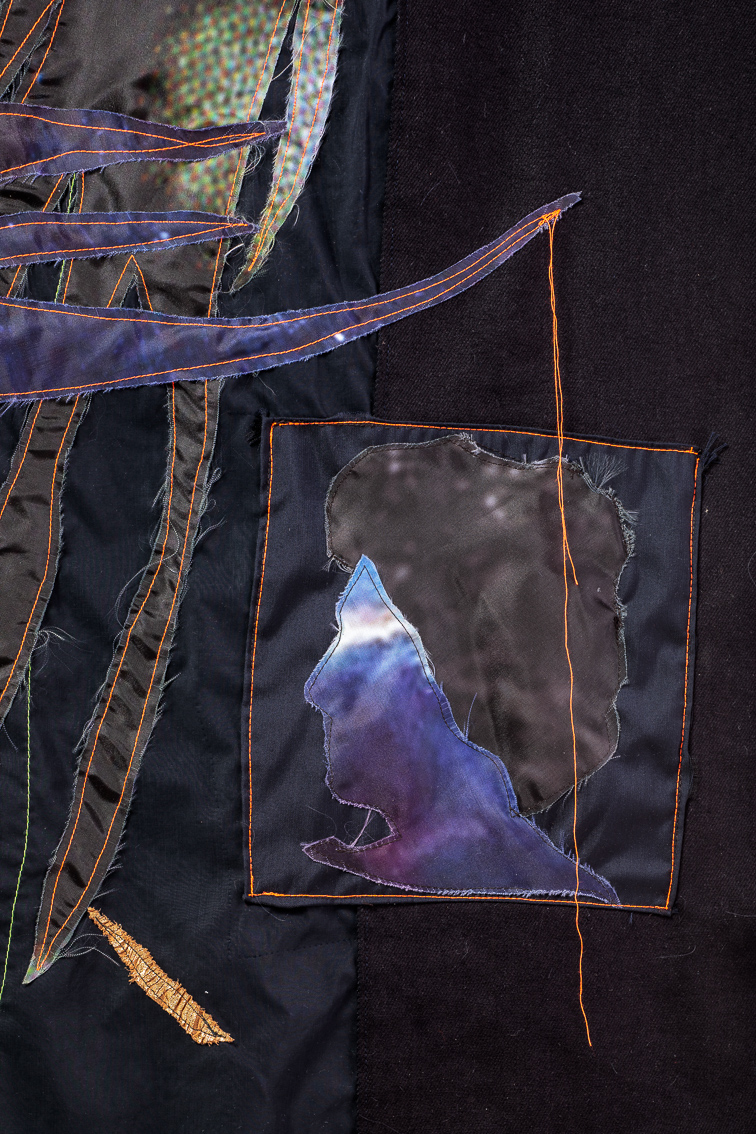
  • La Distanza dell’eterno (Williamina Fleming), 2022 “My Scottish maid could do better” 140 x 220 cm. ca.
  • Il direttore dell’osservatorio astronomico di Harvard, Edward Pickering, pronunciò questa frase rivolto ai suoi collaboratori, accusandoli di scarsa accuratezza nei calcoli.Successivamente assunse solo collaboratrici donne compresa la sua governante Williamina Fleming (1857 – 1911), che si rivelò una delle ricercatrici più efficienti e scrupolose.


  1. La Distanza dell’eterno (Williamina Fleming), 2022 “My Scottish maid could do better” 140 x 220 cm. ca.
  2. The director of Harvard’s astronomical observatory, Edward Pickering, said this to his collaborators, accusing them of a lack of accuracy in their calculations. Subsequently, he only hired female collaborators, including his housekeeper Williamina Fleming (1857 – 1911), who became one of the most efficient and scrupulous researchers.

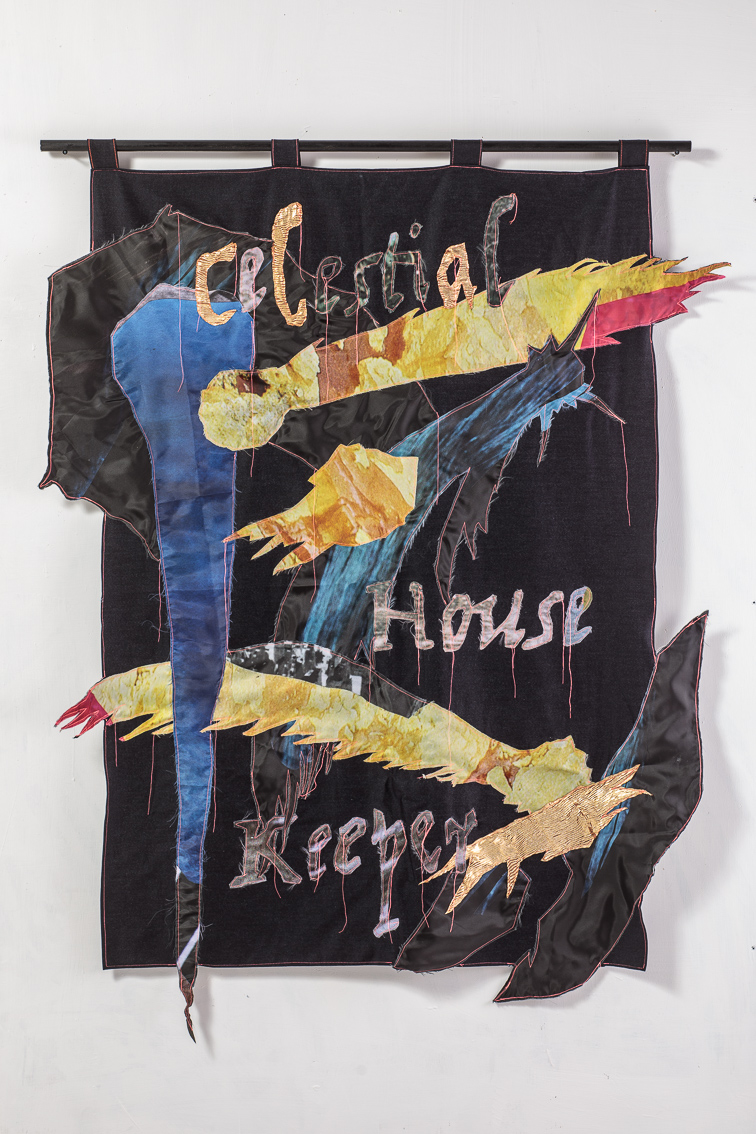
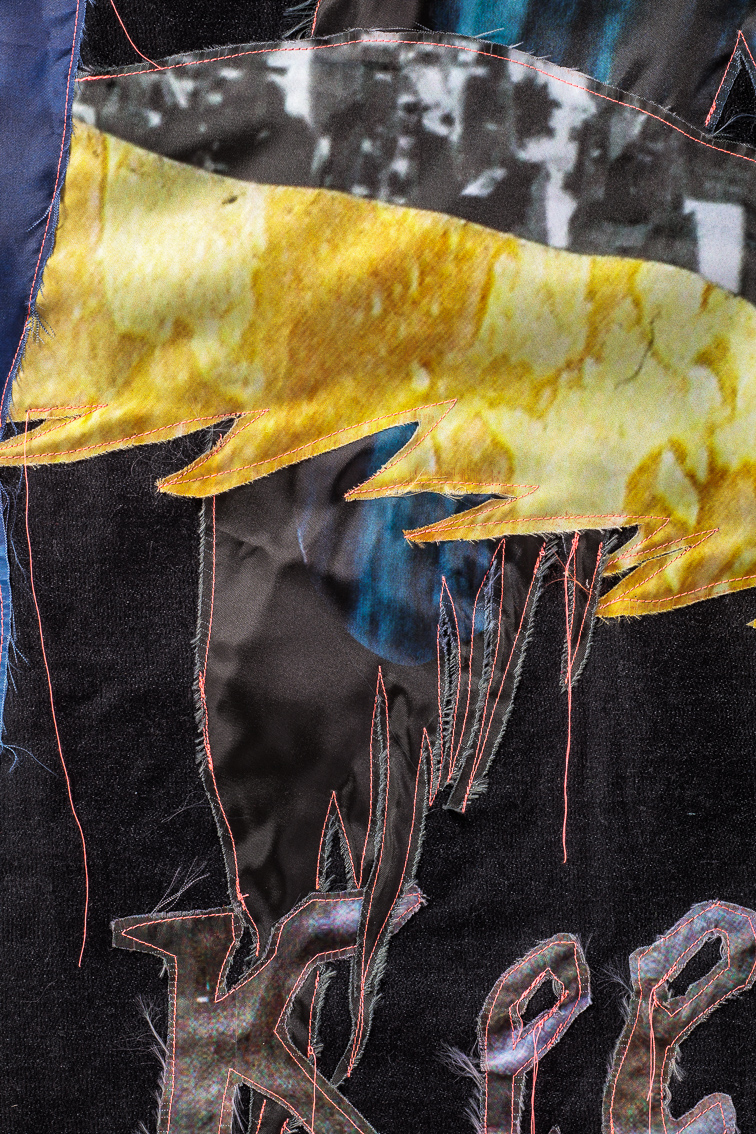
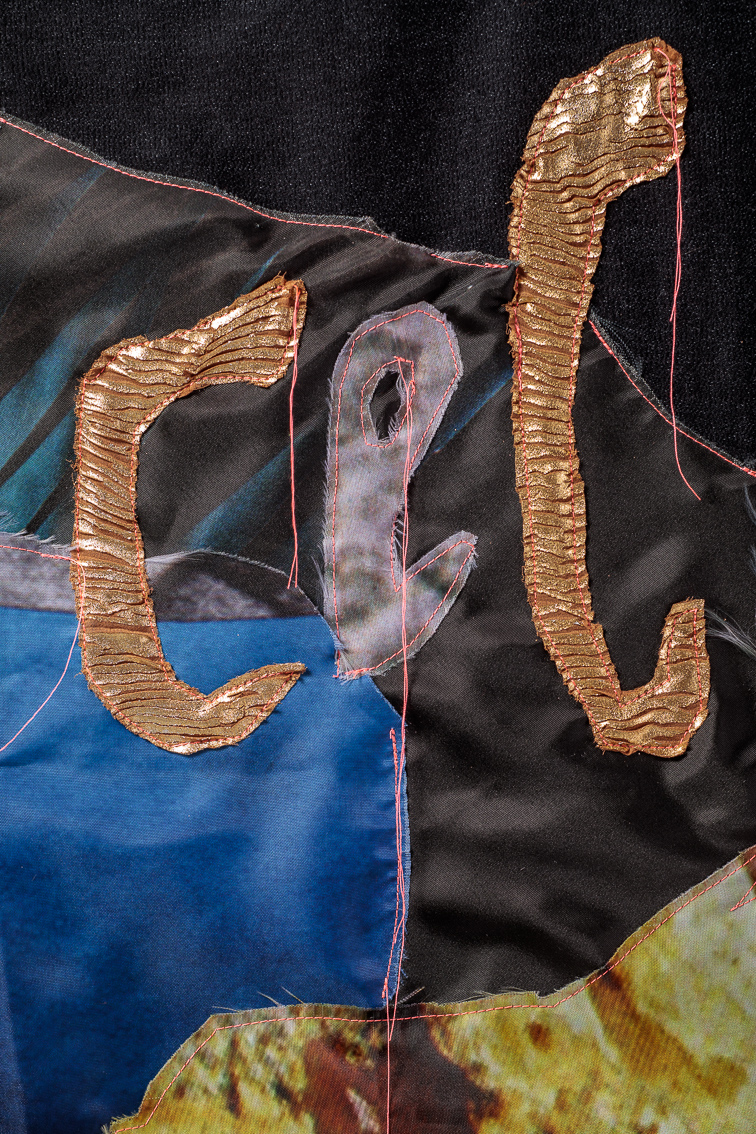
  • La Distanza dell’eterno (Caroline Herschel), 2022 “Celestial House Keeper” 138 x 97 cm. ca.
  • Collezione privata
  • Caroline Herschel (1750 – 1848) destinata ai lavori di casa, fece da governante a suo fratello, noto costruttore di telescopi. Affiancandolo nel lavoro si appassiona all’astronomia. Fu la prima donna ad essere ufficialmente riconosciuta e pagata come astronoma dal governo inglese.


  1. La Distanza dell’eterno (Caroline Herschel), 2022 “Celestial House Keeper” 138 x 97 cm. ca
  2. Private collection
  3. Caroline Herschel’s destiny was to become a governess. She was housekeeper to her brother, a well-known telescope maker. Accompanying him in his work, she became interested in astronomy. Caroline Herschel (1750 – 1848) was the first woman officially recognised and paid as an astronomer by the British government.

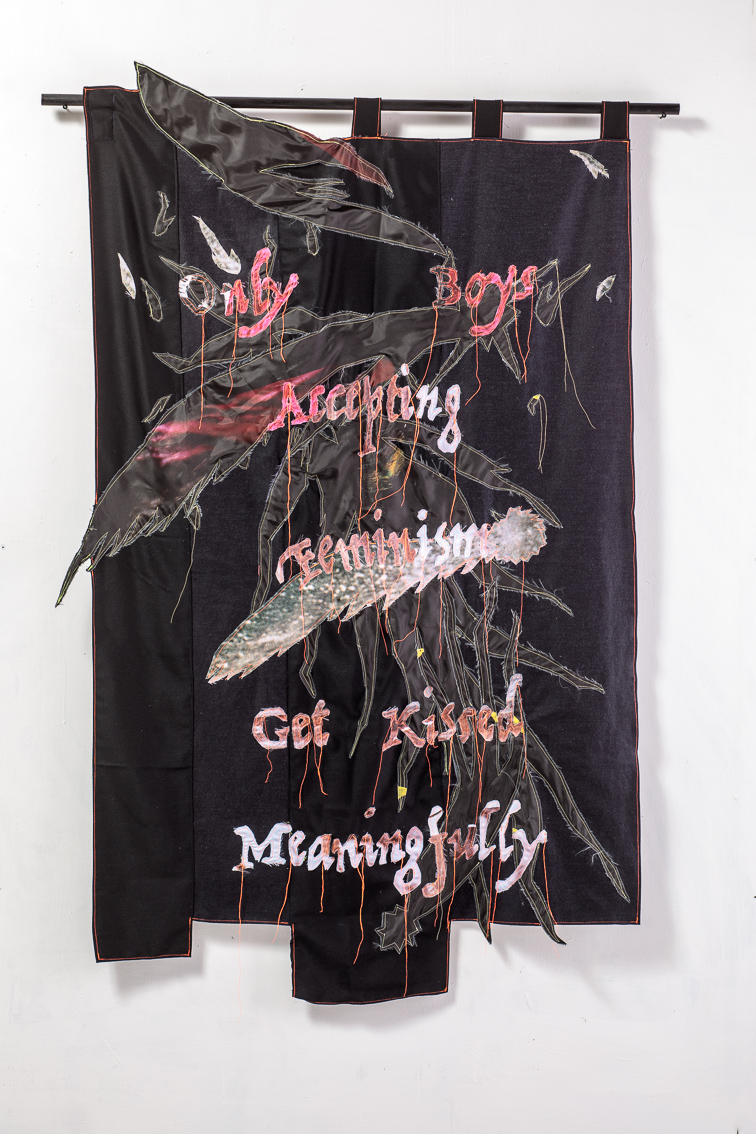
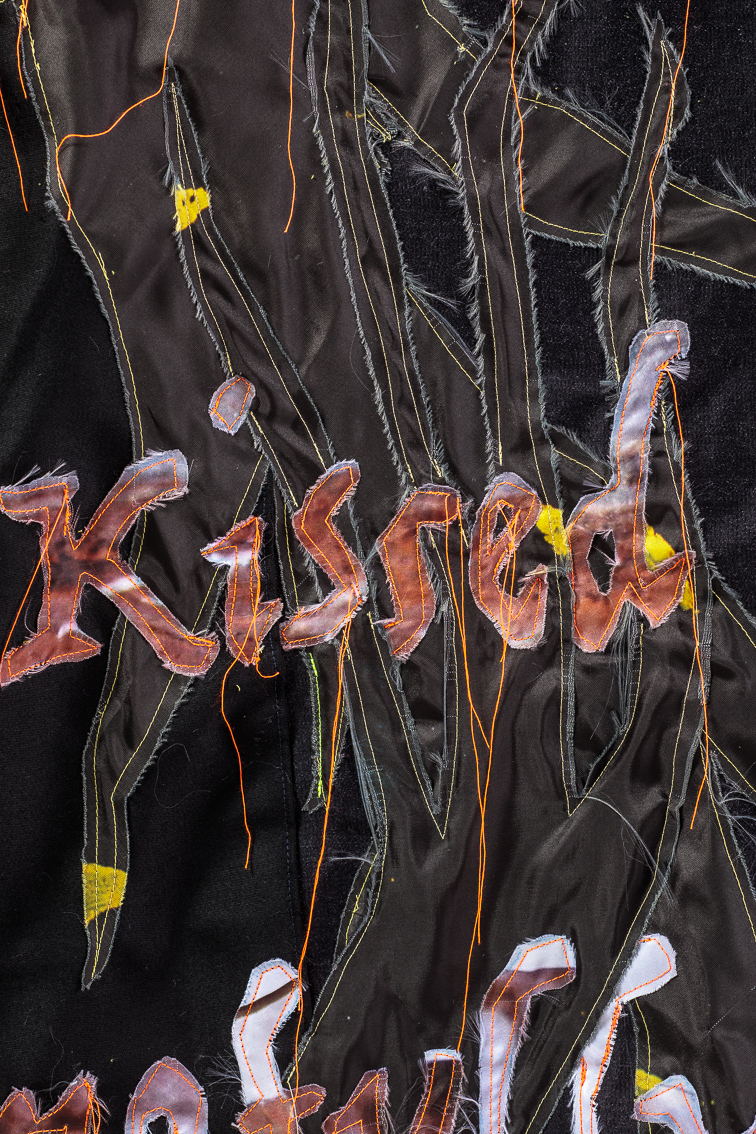
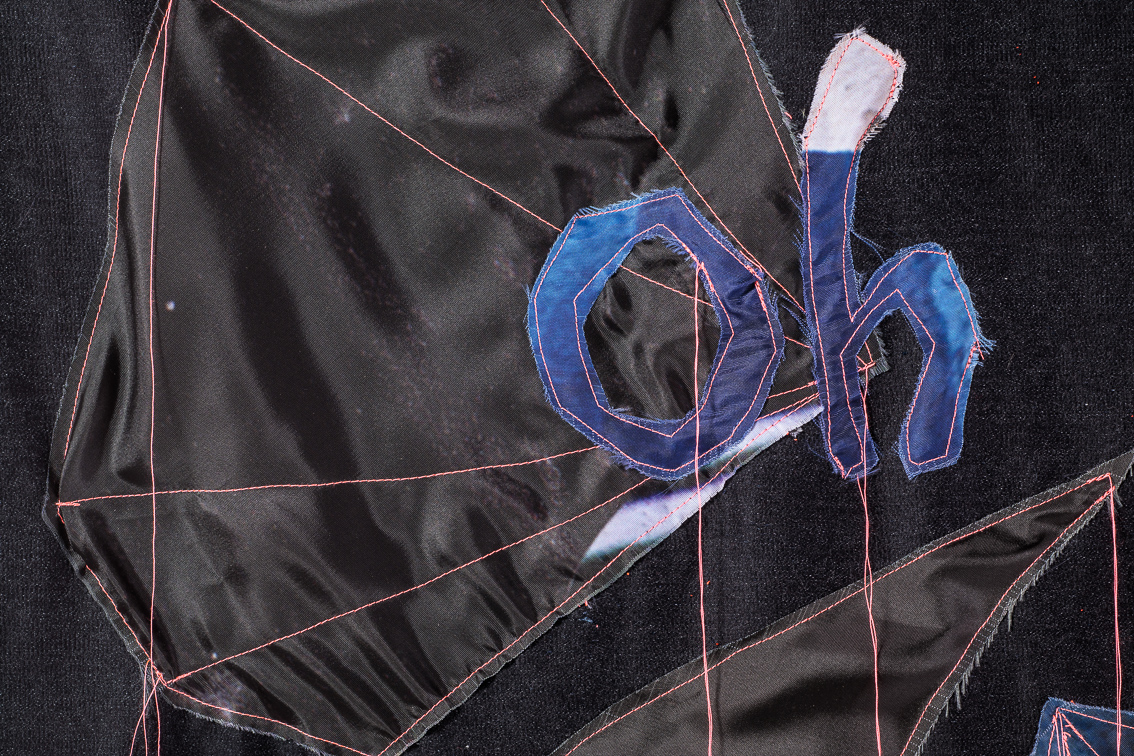
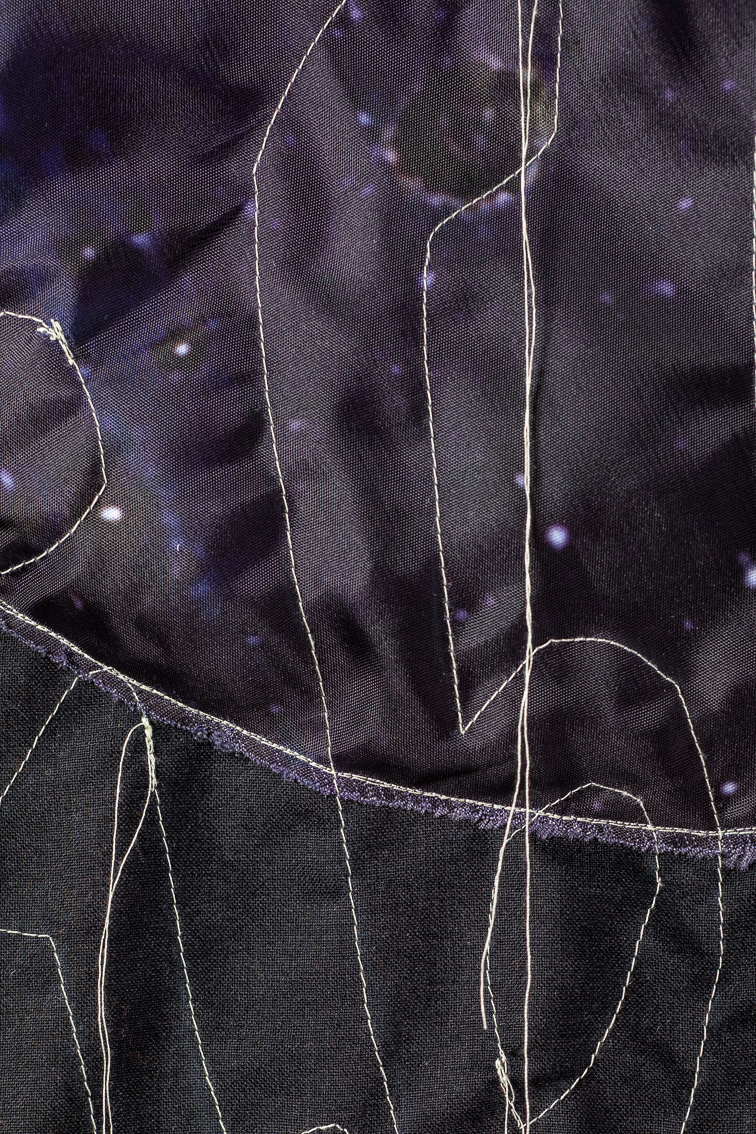
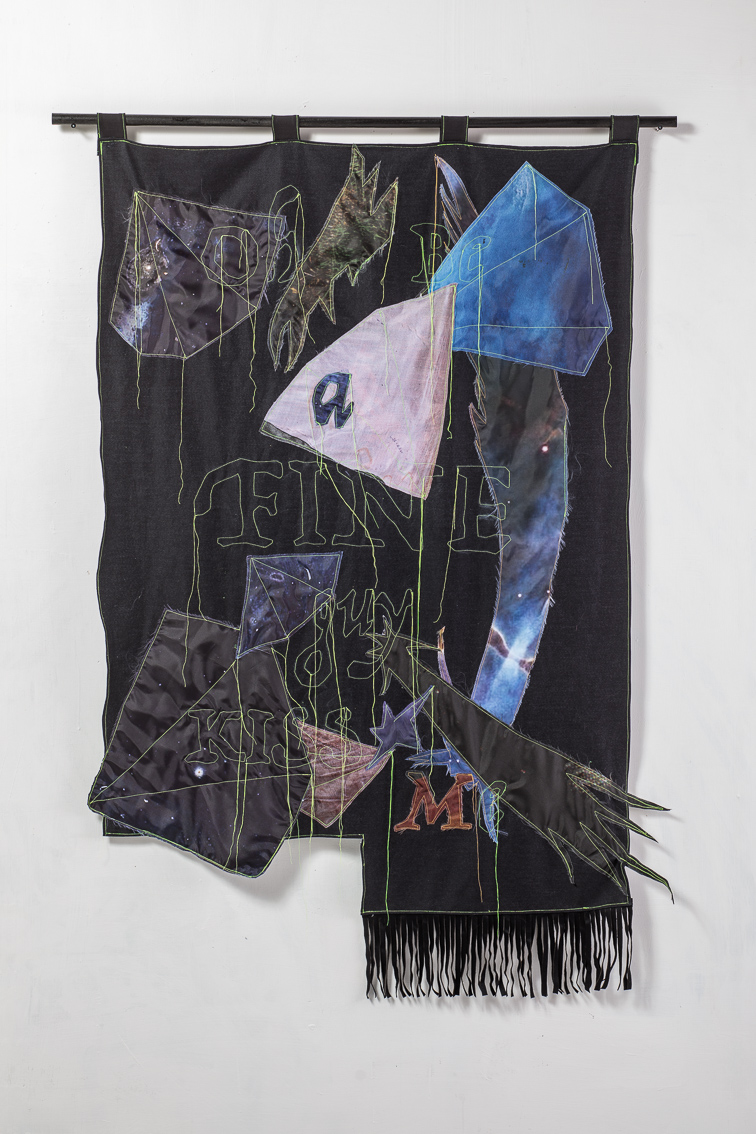
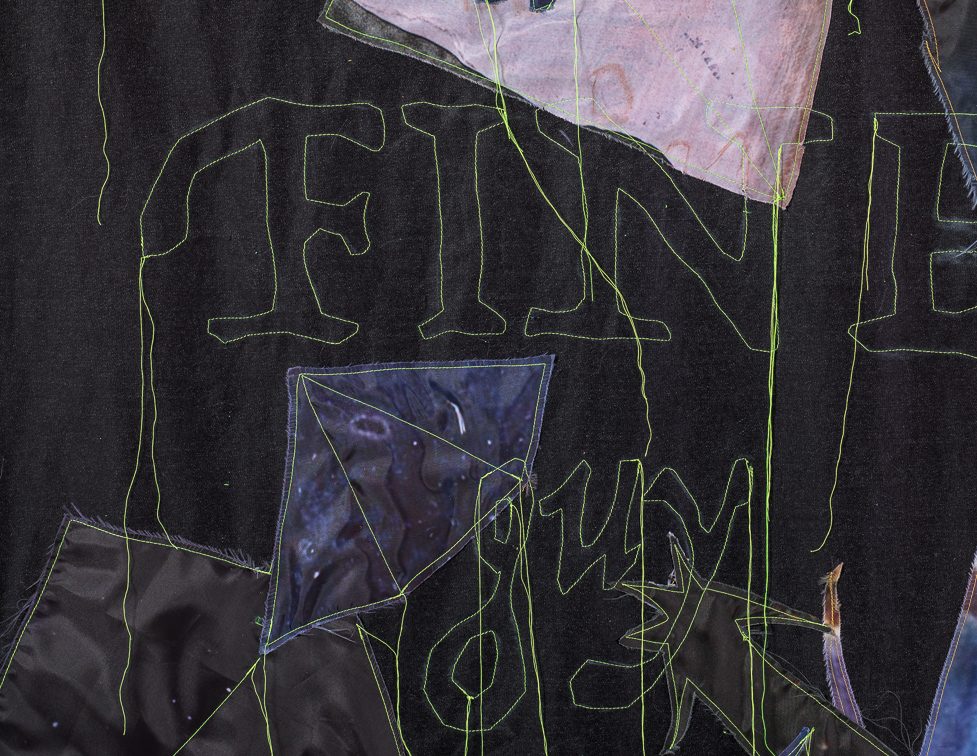
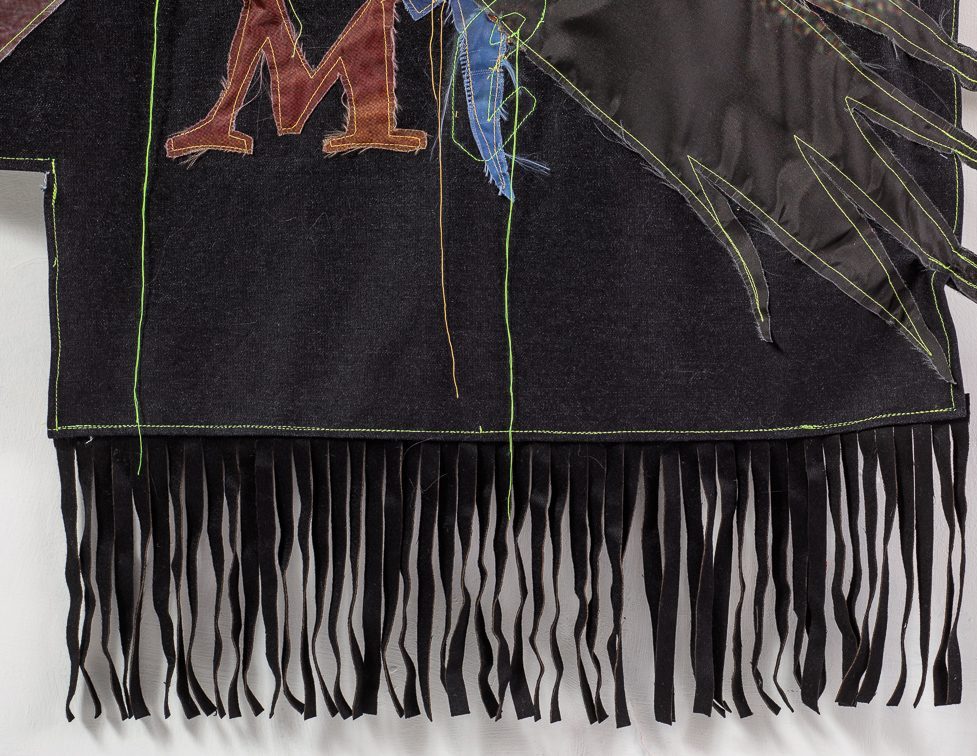
  • La Distanza dell’eterno (Annie Jump Cannon), 2022 “Only Boys Accepting Feminism Get Kissed Meaningfully”
  • 138 x 97 cm. ca.
  • Ancora oggi “Oh be a fine girl kiss me” è la frase più usata per ricordarsi come classificare le stelle, a seconda della loro temperatura. È un acronimo: le iniziali di ogni parola si riferiscono alle classi spettrali denominate O, B, A, F, G, K, M (dalla più calda alla più fredda). La frase è stata inventata da Henry Norris Russel, negli anni in cui la leadership nell’astronomia era esclusivamente maschile. Ma la classificazione fu inventata dalla scienziata Annie Jump Cannon (1863 – 1841), ed è utilizzata tutt’oggi. Esistono molte altre varianti di questa frase, alcune sono state escogitate per smussarne le caratteristiche sessiste come ad esempio: Only Boys Accepting Feminism Get Kissed Meaningfully.


  1. La Distanza dell’eterno (Annie Jump Cannon), 2022 “Only Boys Accepting Feminism Get Kissed Meaningfully”
  2. 138 x 97 cm. ca.
  3. Even today “Oh be a fine girl kiss me” is still the most commonly used phrase for remembering how to classify stars according to their temperature. It is an acronym: the initials of each word refer to the spectral classes O, B, A, F, G, K, M (from hottest to coldest). Henry Norris Russel invented the phrase in the years when leadership in astronomy was exclusively male. But the classification was invented by the scientist Annie Jump Cannon (1863 – 1841), and is still used today. There are many other variants of this phrase, some of which were devised to blunt its sexist characteristics, such as: Only Boys Accepting Feminism Get Kissed Meaningfully.


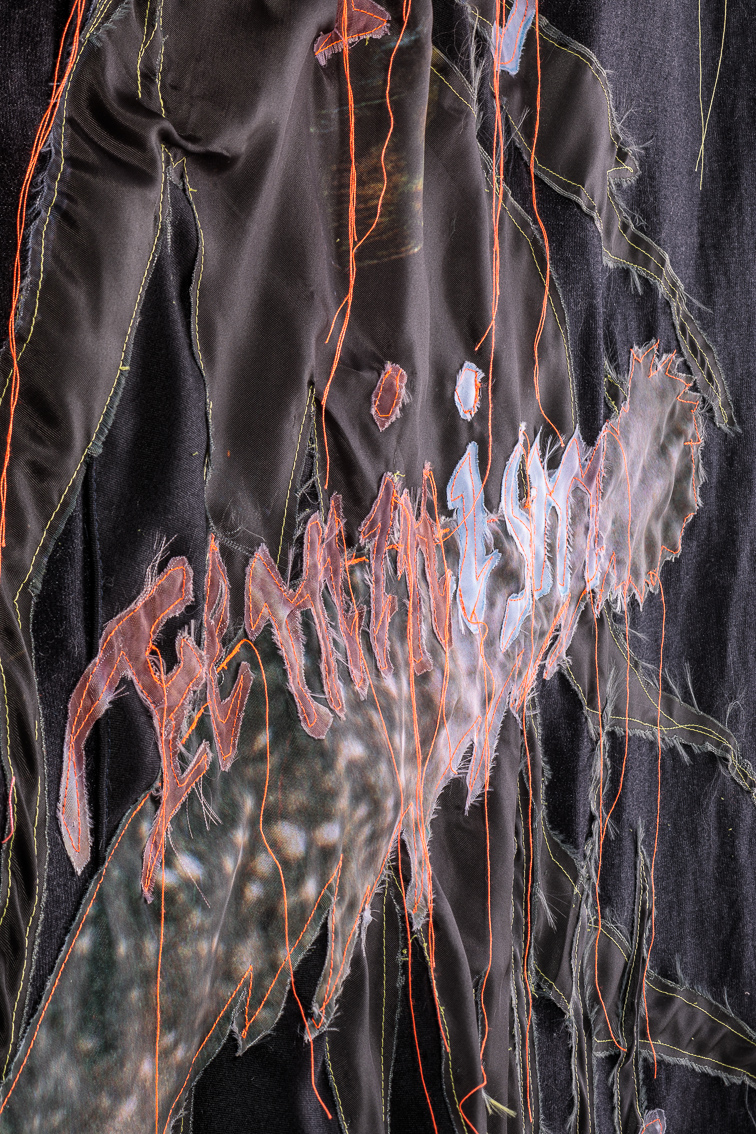
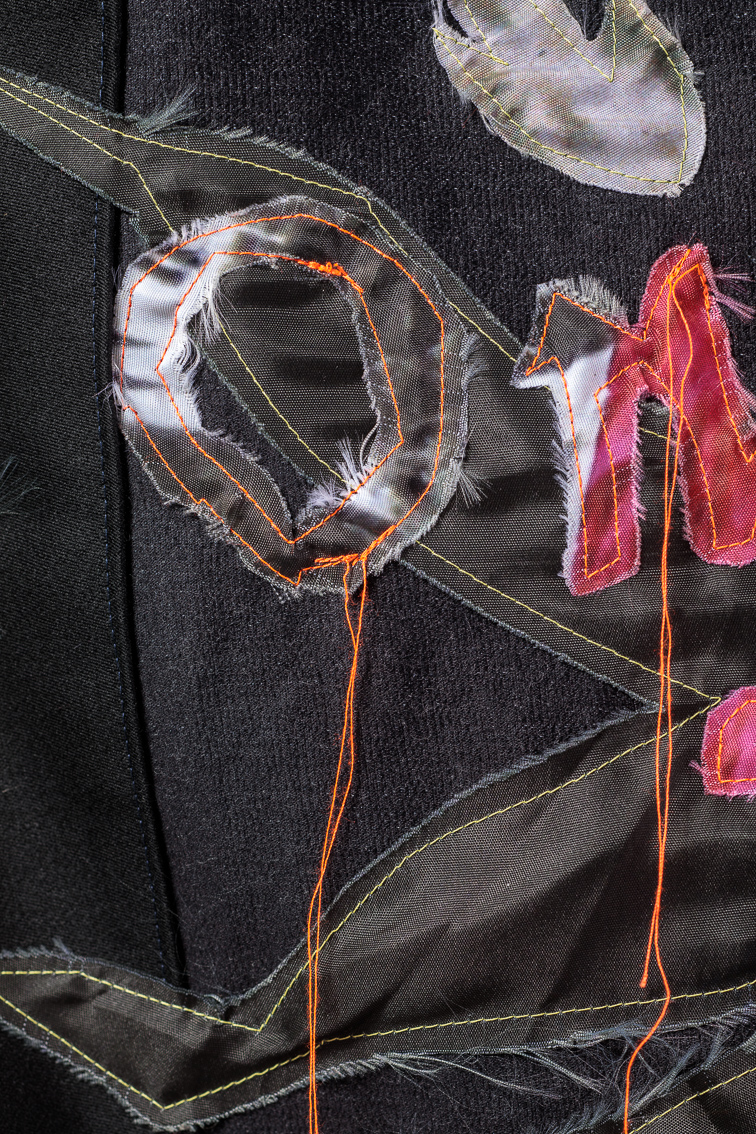
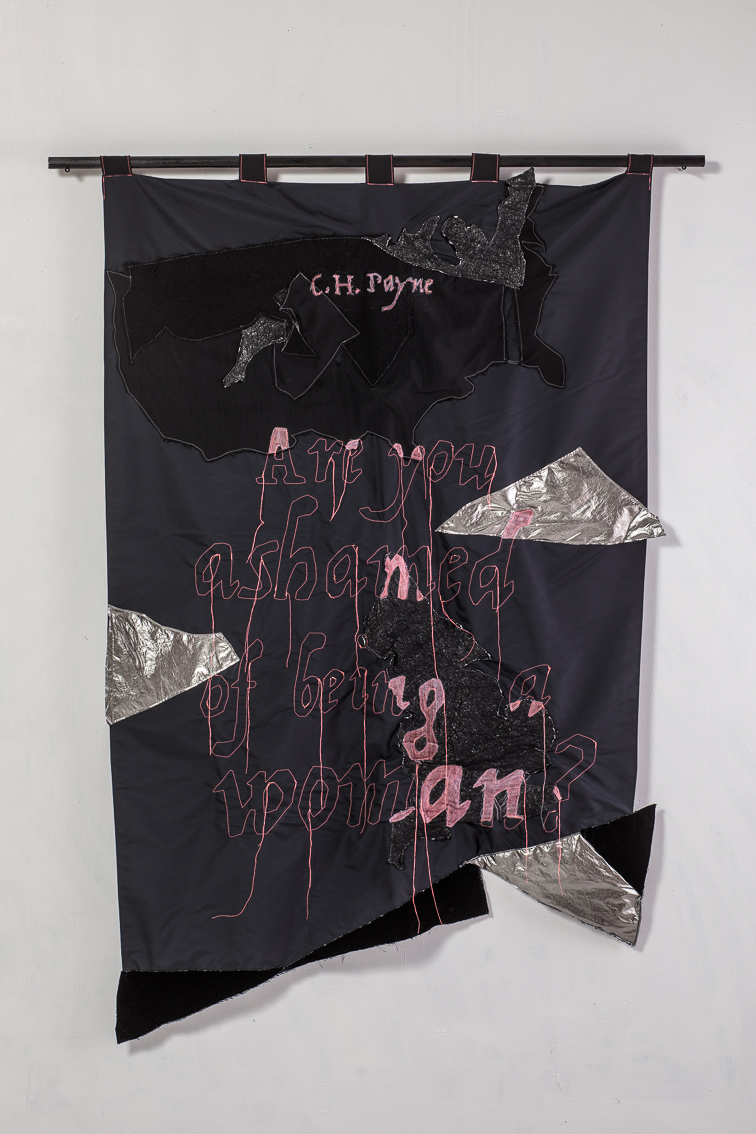
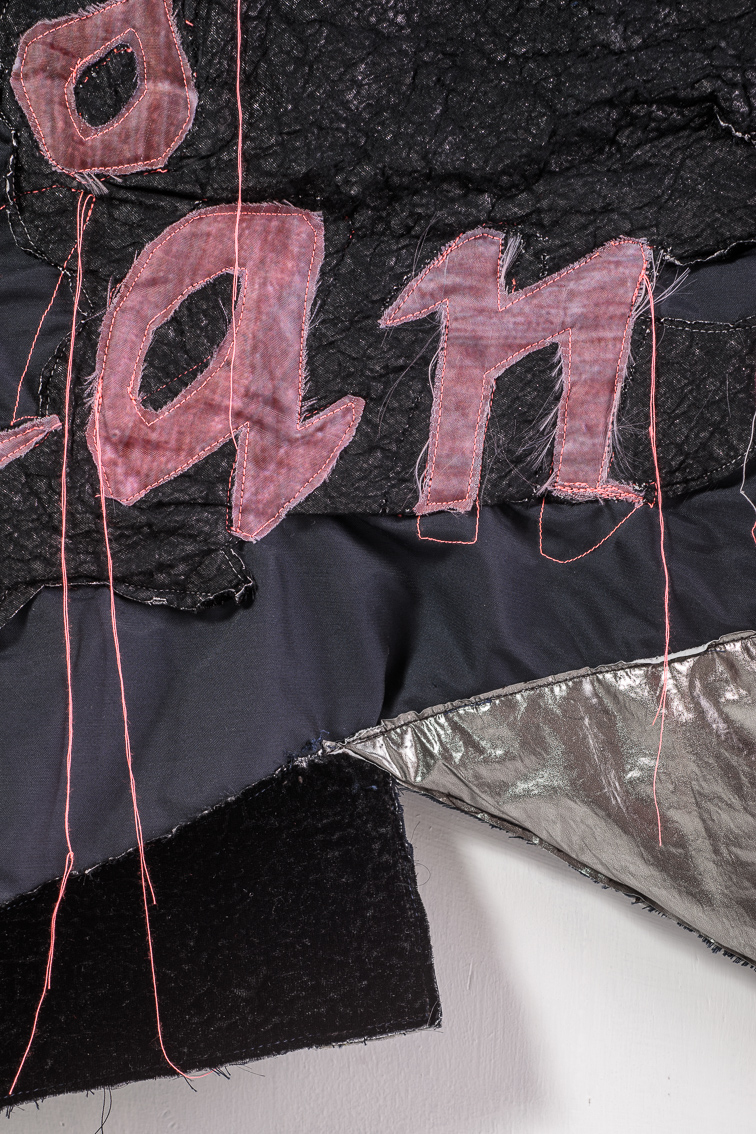
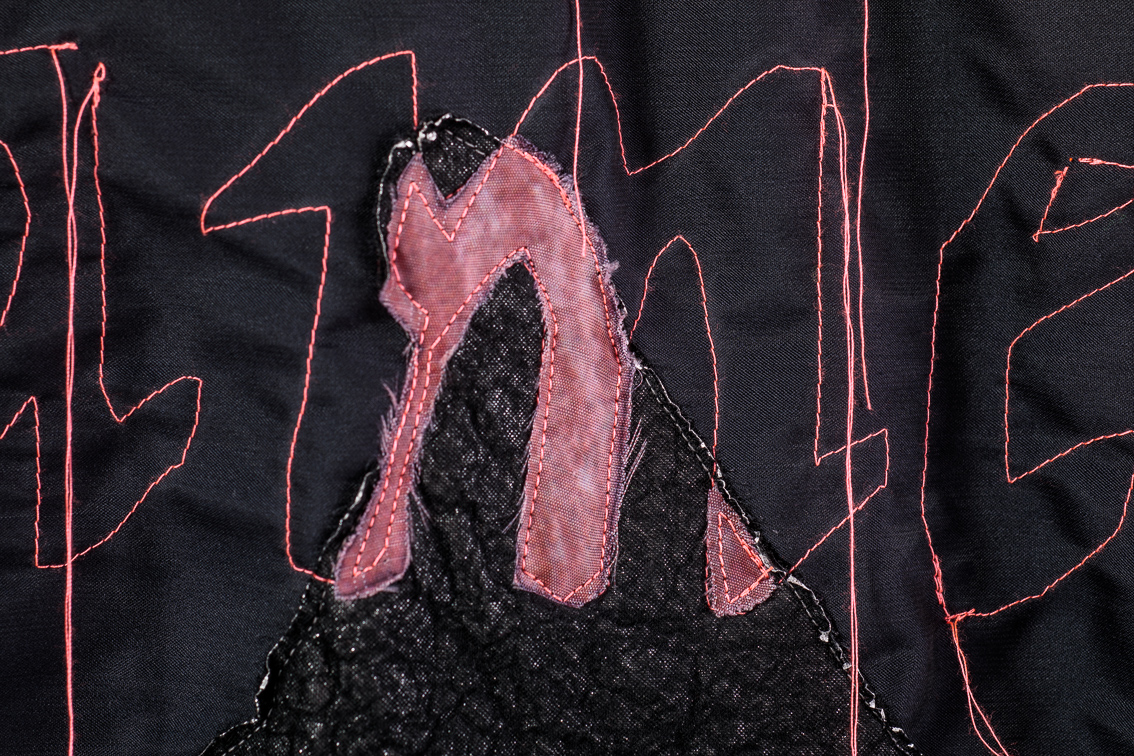
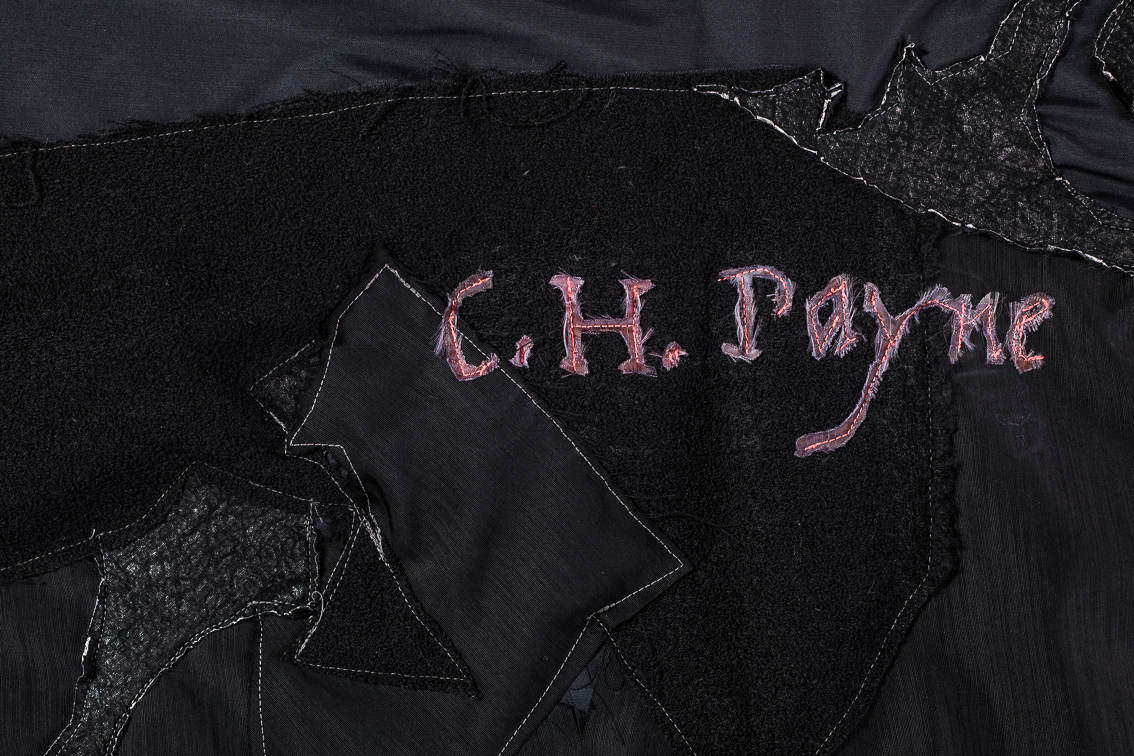
  • La Distanza dell’eterno (Cecilia Payne Gaposchkin), 2022 “Are you ashamed of being a woman?” 138 x 97 cm. ca.
  • Cecilia Payne Gaposchkin (1900 – 1979) non fu mai assunta come astronoma nel Regno Unito. Migrò in America, dove ricevette una borsa di studio, ma fu sempre discriminata in quanto donna, venne pagata poco e le fu impedito di insegnare. Firmò le bozze della sua tesi con le iniziali C. P. Gaposchkin, per poter essere pubblicata. La frase che ho scelto le venne rivolta da un collega.


  1. La Distanza dell’eterno (Cecilia Payne Gaposchkin), 2022 “Are you ashamed of being a woman?” 138 x 97 cm. ca.
  2. Cecilia Payne Gaposchkin (1900 – 1979) was never employed as an astronomer in the UK. She migrated to America, where she received a scholarship. She was always discriminated against as a woman, was paid little and was prevented from teaching. She signed the drafts of her thesis with the initials C. P. Gaposchkin so it could be published. The sentence I have chosen was addressed to her by a colleague.

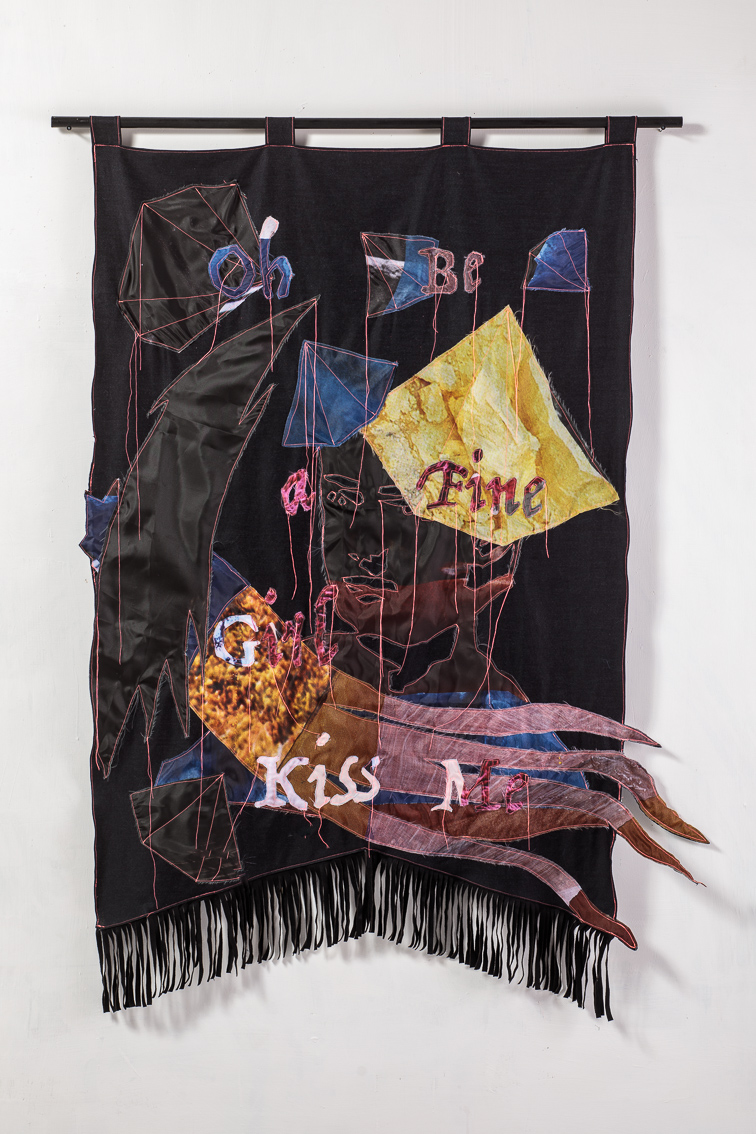
  • La Distanza dell’eterno (Annie Jump Cannon), 2022 “Oh Be a Fine Girl, Kiss Me” 138 x 97 cm. ca.
  • Ancora oggi è la frase più usata per ricordarsi come classificare le stelle, a seconda della loro temperatura. È un acronimo: le iniziali di ogni parola si riferiscono alle classi spettrali denominate O, B, A, F, G, K, M (dalla più calda alla più fredda). La frase è stata inventata da Henry Norris Russel, negli anni in cui la leadership nell’astronomia era esclusivamente maschile. Ma la classificazione fu inventata dalla scienziata Annie Jump Cannon (1863 – 1841), ed è utilizzata tutt’oggi. Esistono molte altre varianti di questa frase, alcune sono state escogitate per smussarne le caratteristiche sessiste come ad esempio: Oh Be a Fine Guy, Kiss Me o Only Boys Accepting Feminism Get Kissed Meaningfully.


  1. La Distanza dell’eterno (Annie Jump Cannon), 2022 “Oh Be a Fine Girl, Kiss Me” 138 x 97 cm. ca.
  2. Even today, it is still the most commonly used phrase for remembering how to classify stars according to their temperature. It is an acronym: the initials of each word refer to the spectral classes O, B, A, F, G, K, M (from hottest to coldest). Henry Norris Russel invented the phrase in the years when leadership in astronomy was exclusively male. But the classification was invented by the scientist Annie Jump Cannon (1863 – 1841), and is still used today. There are many other variants of this phrase, some of which were devised to blunt its sexist characteristics, such as: Oh Be a Fine Guy, Kiss Me or Only Boys Accepting Feminism Get Kissed Meaningfully.


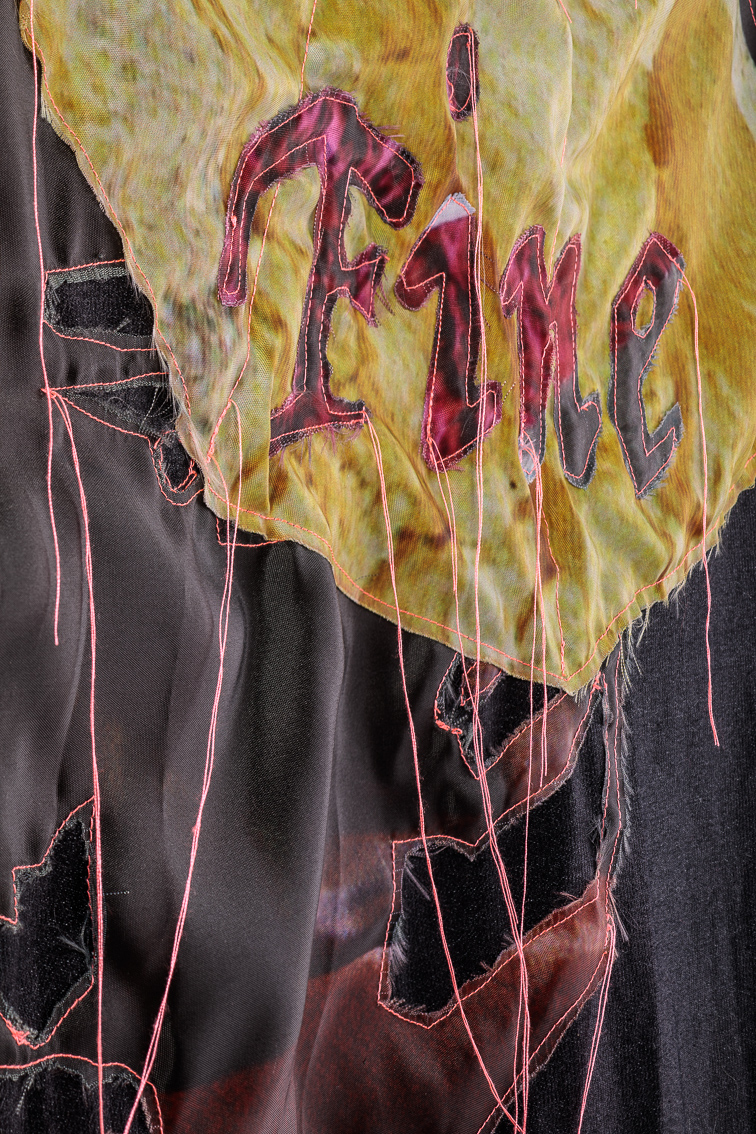
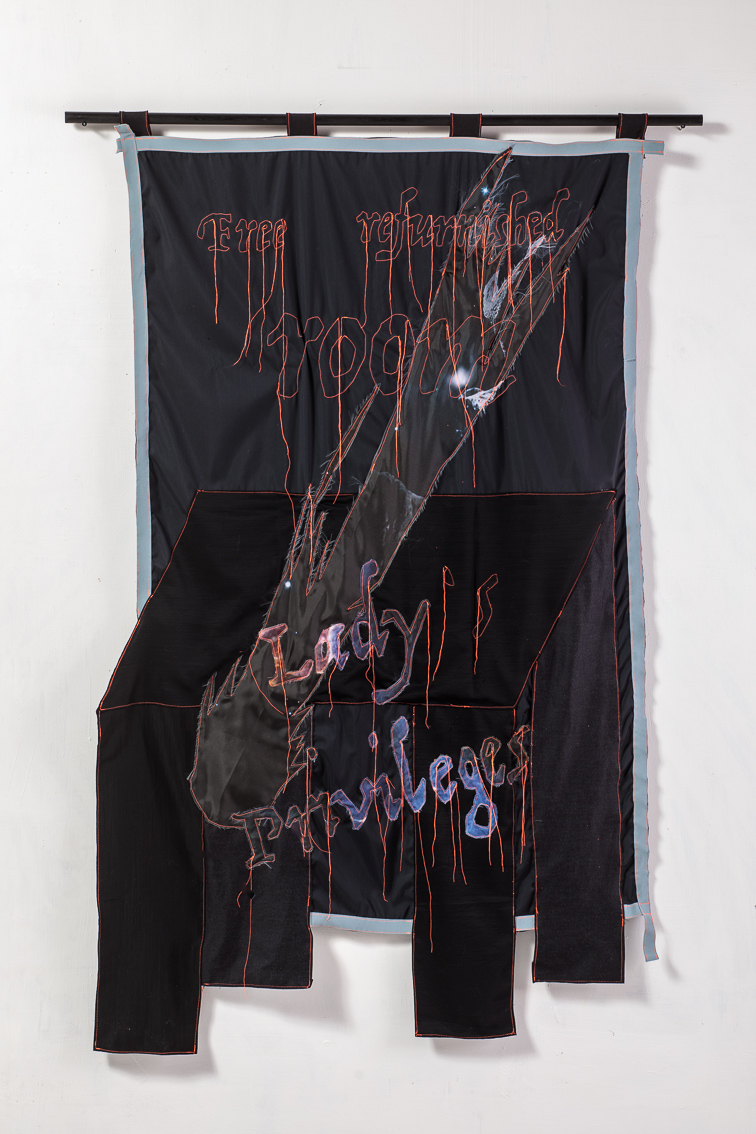
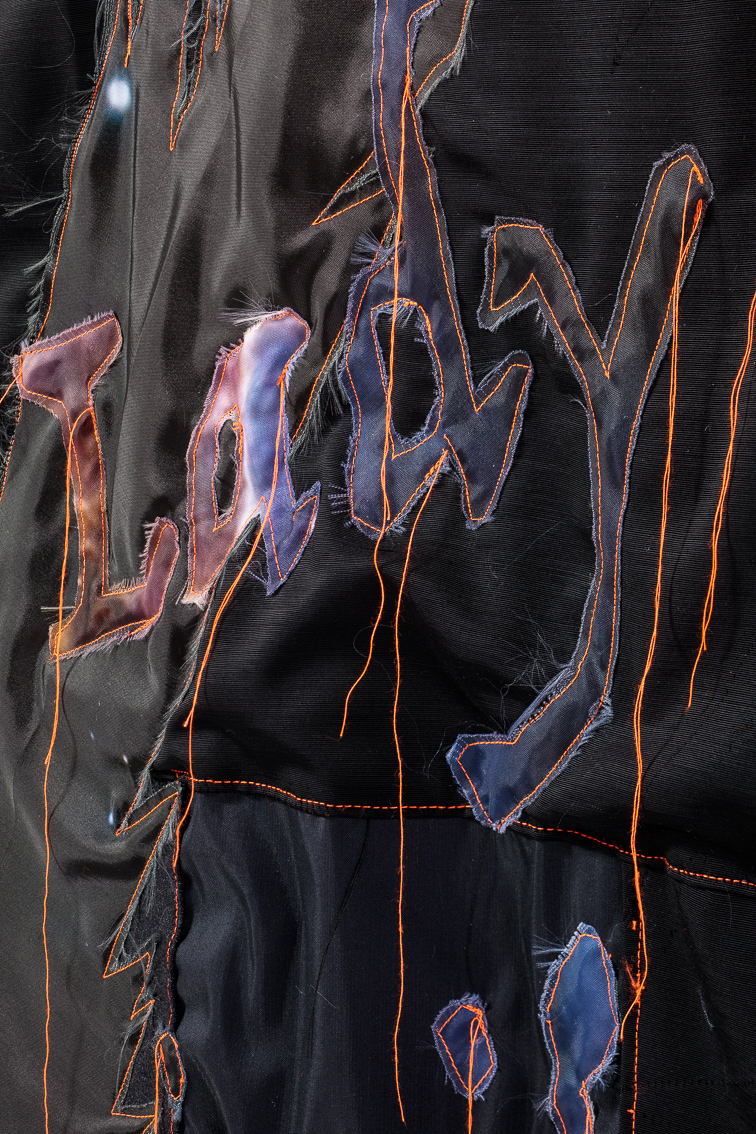
  • La Distanza dell’eterno (Maria Mitchell), 2022 “Lady’s privileges and Free refurnished room” 138 x 97 cm. ca.
  • Il Vassar College di Poughkeepsie è stato il primo college esclusivamente femminile negli Stati Uniti. Il salario delle donne era più basso di quello dei colleghi maschi con la scusa che le donne avevano come bonus extra una stanza ammobiliata, con tavolo da lavoro fornito gratuitamente. Ma non sempre questo corrispondeva al vero. Maria Mitchell (1818 – 1889) fonda nel 1872 l’American Association for the Advancement of Women e si batte per una parità di salario tra donne e uomini in campo scientifico.


  1. La Distanza dell’eterno (Maria Mitchell), 2022 “Lady’s privileges and Free refurnished room” 138 x 97 cm. ca.
  2. Vassar College in Poughkeepsie was the first women-only college in the United States. Women’s salaries were lower than those of their male colleagues on the pretext that women had a furnished room with a work table provided free of charge as a bonus. But this was not always true. Maria Mitchell (1818 – 1889) founded the American Association for the Advancement of Women in 1872 and fought for equal pay for women and men in science.


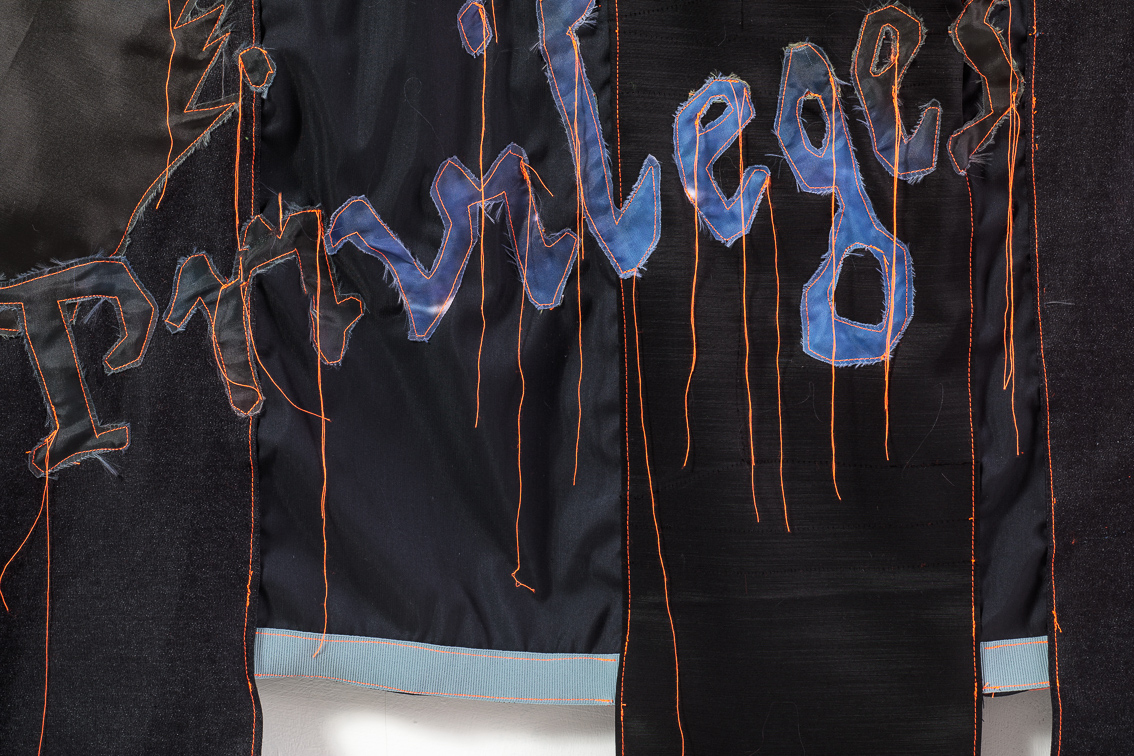
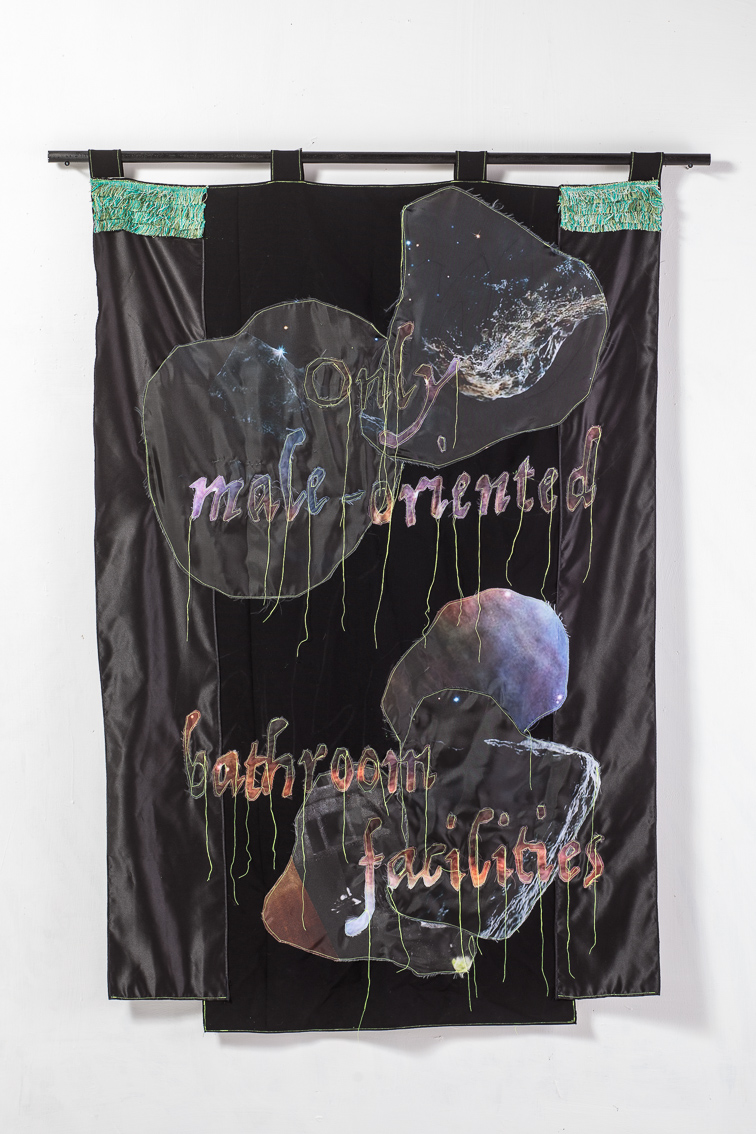
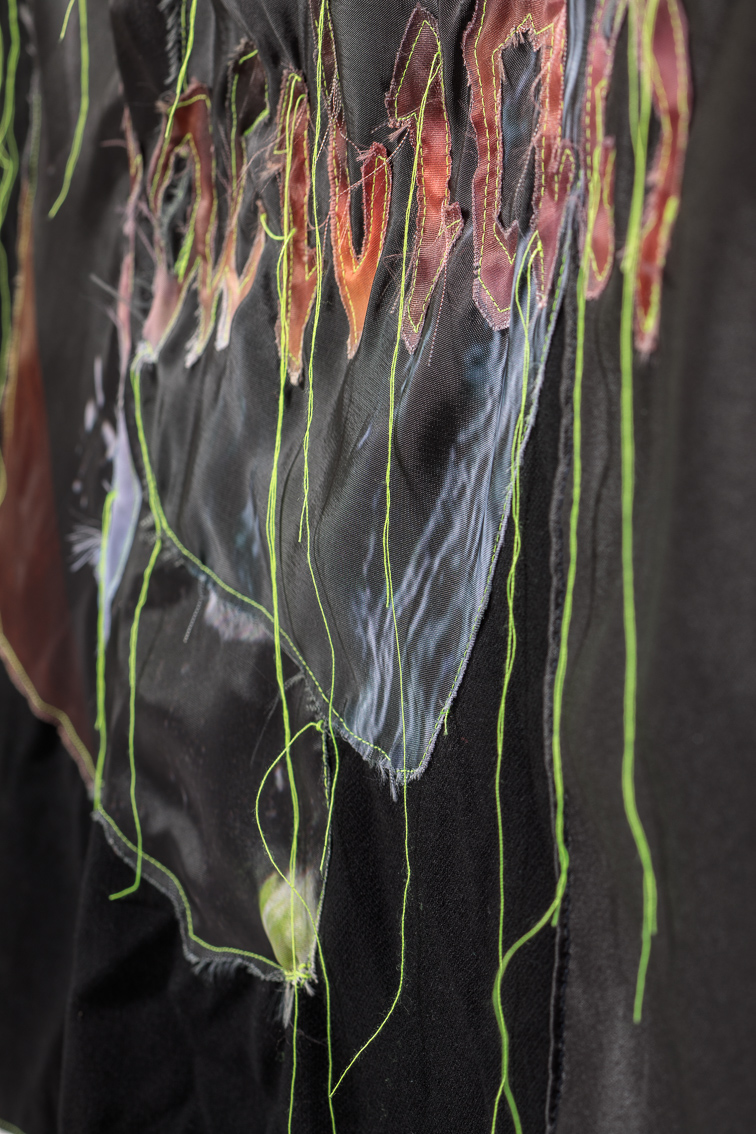
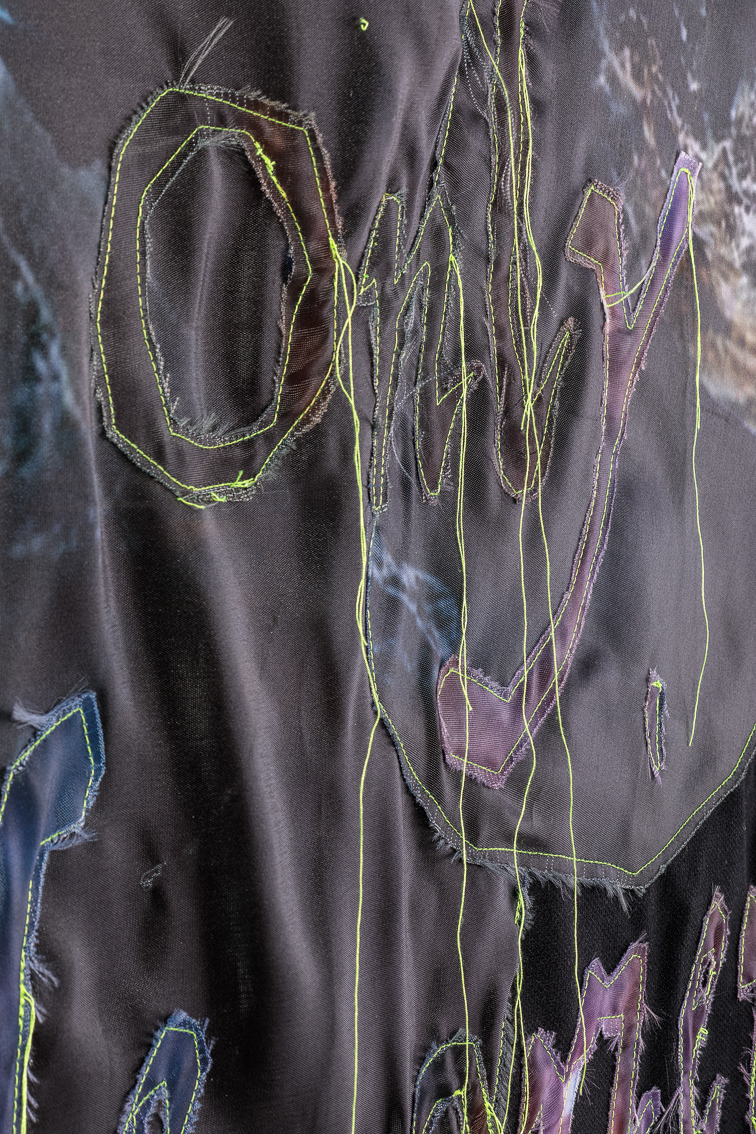
  • La Distanza dell’eterno (Vera Cooper – Rubin), 2022 “Only oriented-male bathroom facilities” 138 x 97 cm. ca.
  • Vera Cooper – Rubin (1928 – 2016) arrivò nel 1965 all’osservatorio di Mount Palomar. Fu la prima a utilizzare la strumentazione del prestigioso osservatorio. Siccome nella struttura non erano presenti toilette per signore lei ritagliò un pezzo di carta a forma di donna e lo incollò sopra la sagoma dell’uomo sulla porta del bagno dei maschi.


  1. La Distanza dell’eterno (Vera Cooper – Rubin), 2022 “Only oriented-male bathroom facilities” 138 x 97 cm. ca.
  2. Vera Cooper – Rubin (1928 – 2016) arrived at Mount Palomar Observatory in 1965. She was the first to use the instrumentation of the prestigious observatory. Since there were no ladies’ toilets in the facility, she cut out a piece of paper in the shape of a woman and pasted it over the silhouette of a man on the door of the men’s room.

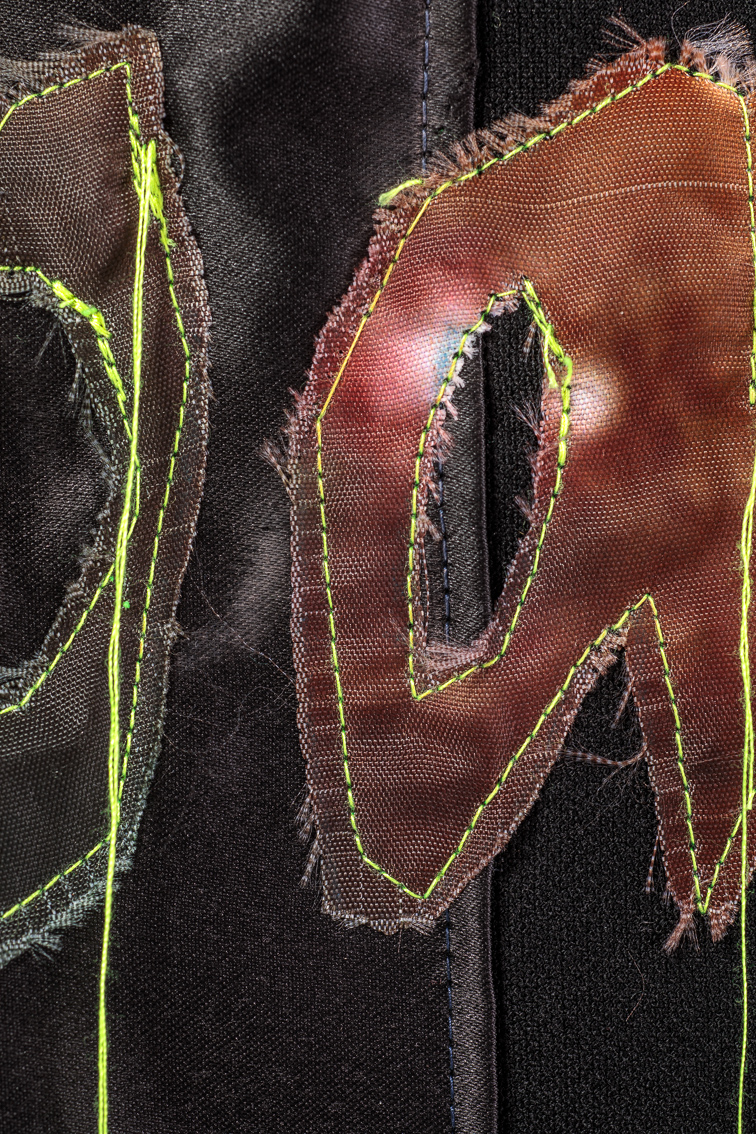
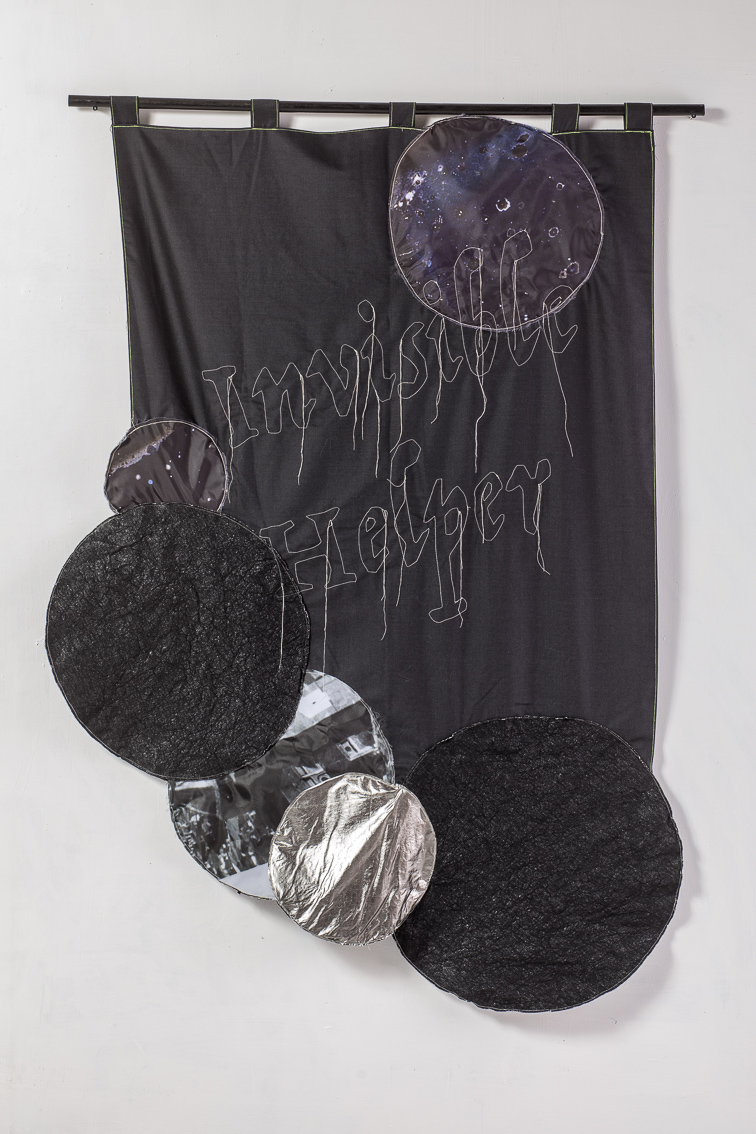
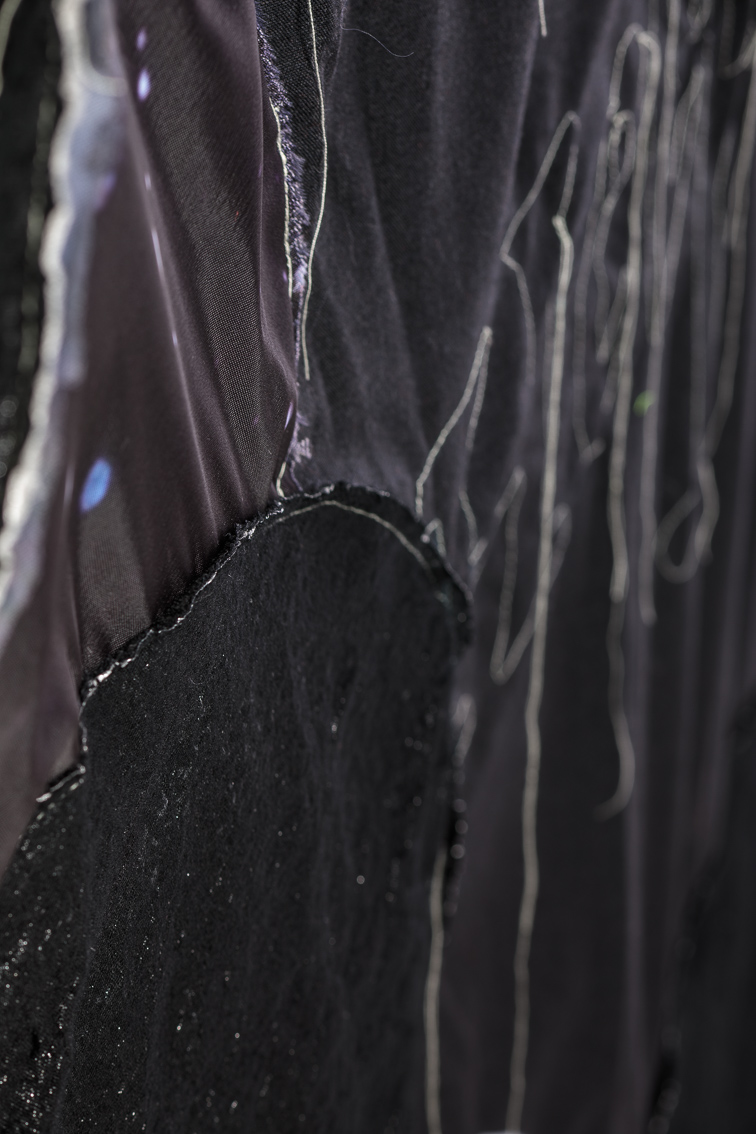
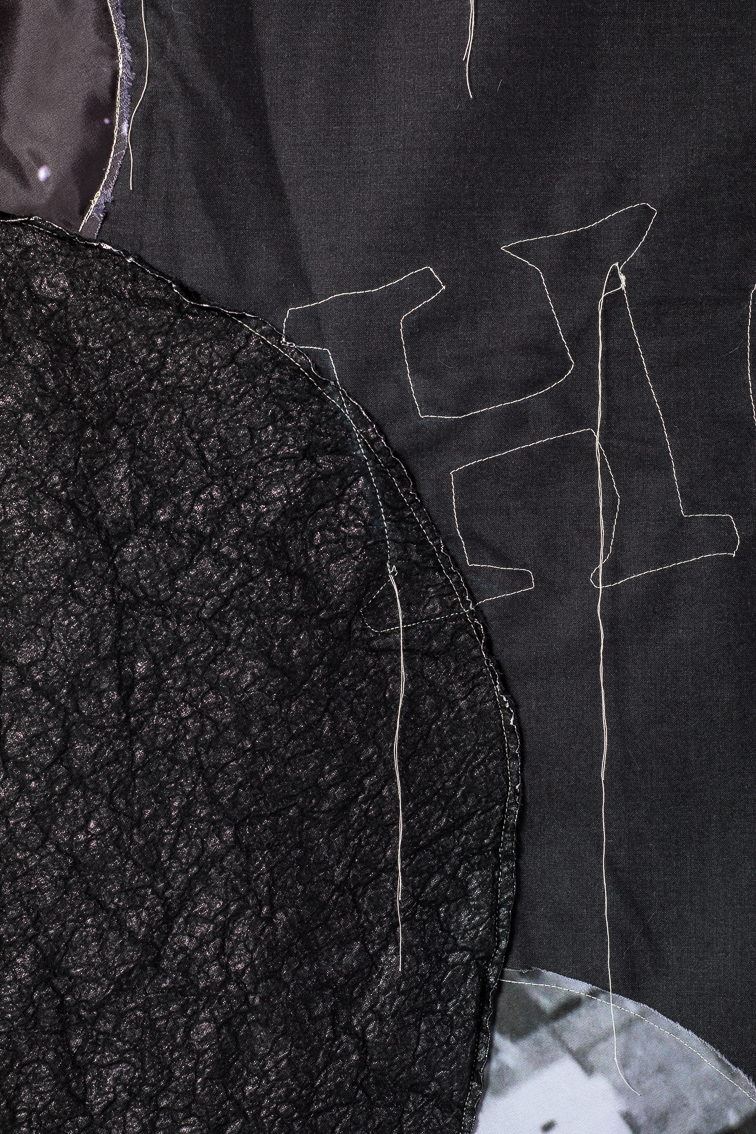
  • La Distanza dell’eterno (Maria Winkelmann-Kirch), 2022 “Invisible helper” 138 x 97 cm. ca.
  • Maria Winkelmann-Kirch (1670-1720) individuò una nuova cometa, ma la sua scoperta non le venne riconosciuta. Il marito astronomo non era sicuro di poterla menzionare pubblicamente. All’epoca, scoprire una cometa garantiva sicura fama e incarichi ufficiali che non potevano certamente essere destinati a una donna.


  1. La Distanza dell’eterno (Maria Winkelmann-Kirch), 2022 “Invisible helper” 138 x 97 cm. ca.
  2. Maria Winkelmann-Kirch (1670-1720) identified a new comet, but they did not recognise her discovery. Her astronomer husband was not sure whether he could mention her publicly. At the time, discovering a comet guaranteed certain fame and official appointments that could certainly not be given to a woman. 


  • La Distanza dell’eterno (Annie Jump Cannon), 2022 “Oh Be a Fine Guy, Kiss Me” 138 x 97 cm. ca.
  • Ancora oggi “Oh be a fine girl kiss me” è la frase più usata per ricordarsi come classificare le stelle, a seconda della loro temperatura. È un acronimo: le iniziali di ogni parola si riferiscono alle classi spettrali denominate O, B, A, F, G, K, M (dalla più calda alla più fredda). La frase è stata inventata da Henry Norris Russel, negli anni in cui la leadership nell’astronomia era esclusivamente maschile. Ma la classificazione fu inventata dalla scienziata Annie Jump Cannon (1863 – 1841), ed è utilizzata tutt’oggi. Esistono molte altre varianti di questa frase, alcune sono state escogitate per smussarne le caratteristiche sessiste come ad esempio: Oh Be a Fine Guy, Kiss Me.


  1. La Distanza dell’eterno (Annie Jump Cannon), 2022 “Oh Be a Fine Guy, Kiss Me” 138 x 97 cm. ca.
  2. Even today, “Oh be a fine girl kiss me” is still the most commonly used phrase for remembering how to classify stars according to their temperature. It is an acronym: the initials of each word refer to the spectral classes O, B, A, F, G, K, M (from hottest to coldest). Henry Norris Russel invented the phrase in the years when leadership in astronomy was exclusively male. But the classification was invented by the scientist Annie Jump Cannon (1863 – 1841), and is still used today. There are many other variants of this phrase, some of which were devised to blunt its sexist characteristics, such as: Oh Be a Fine Guy Kiss Me.

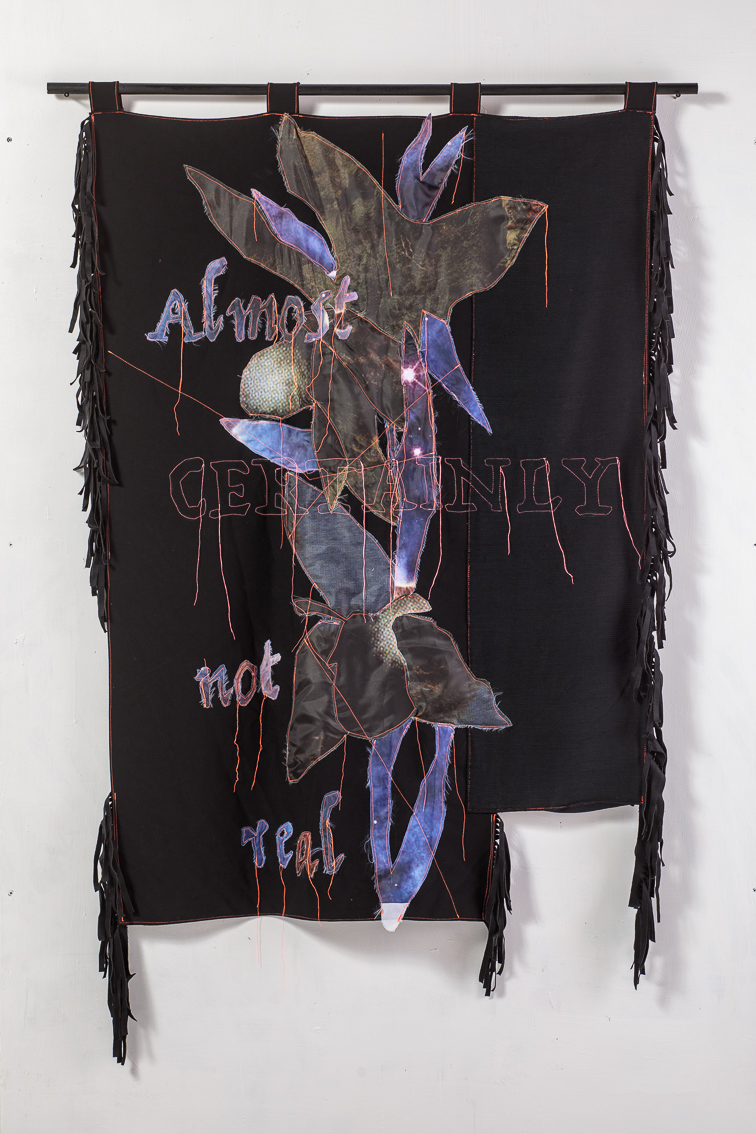
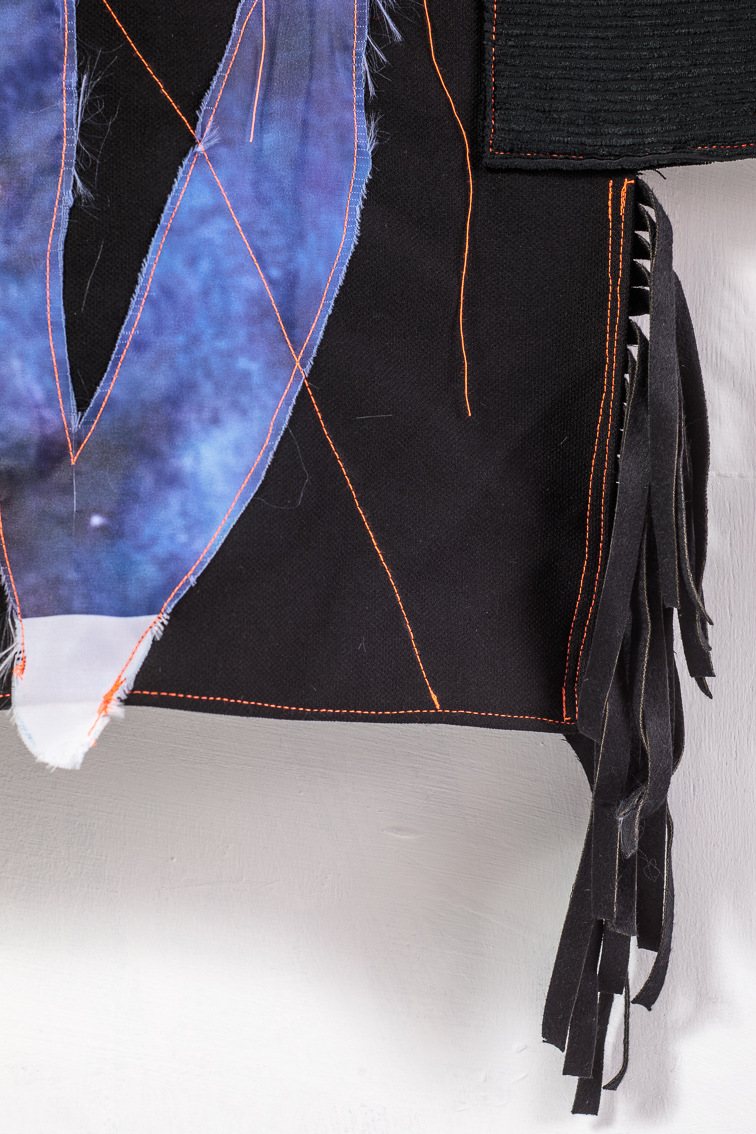
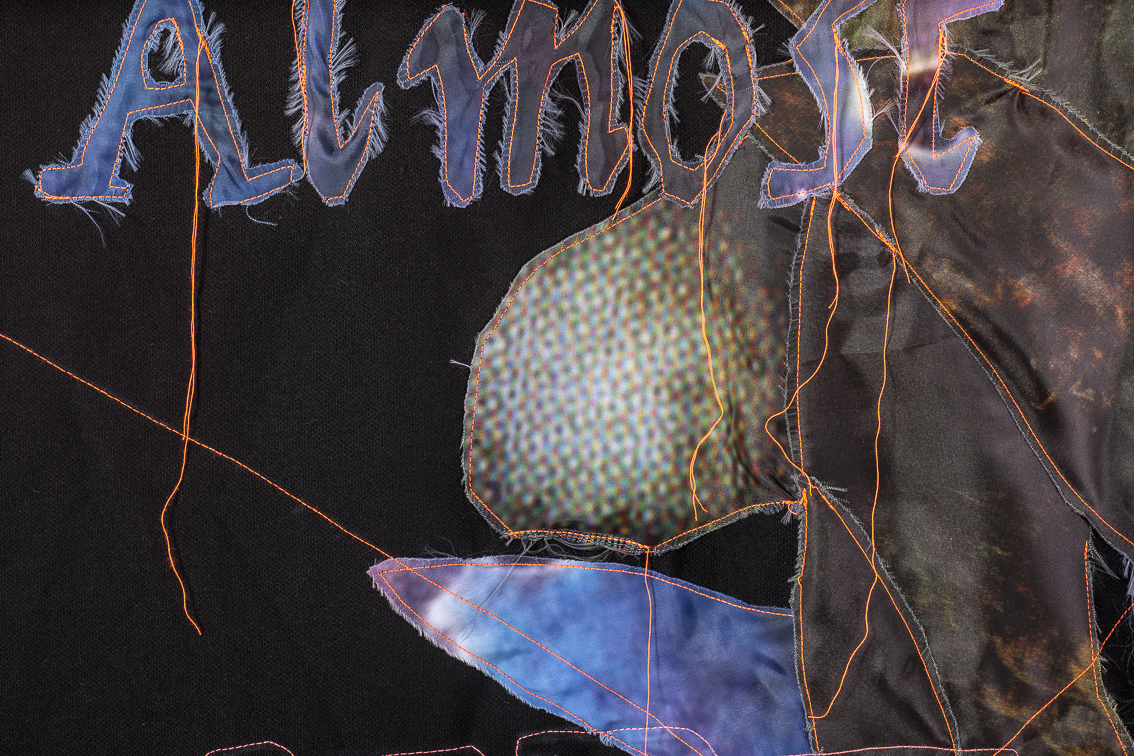
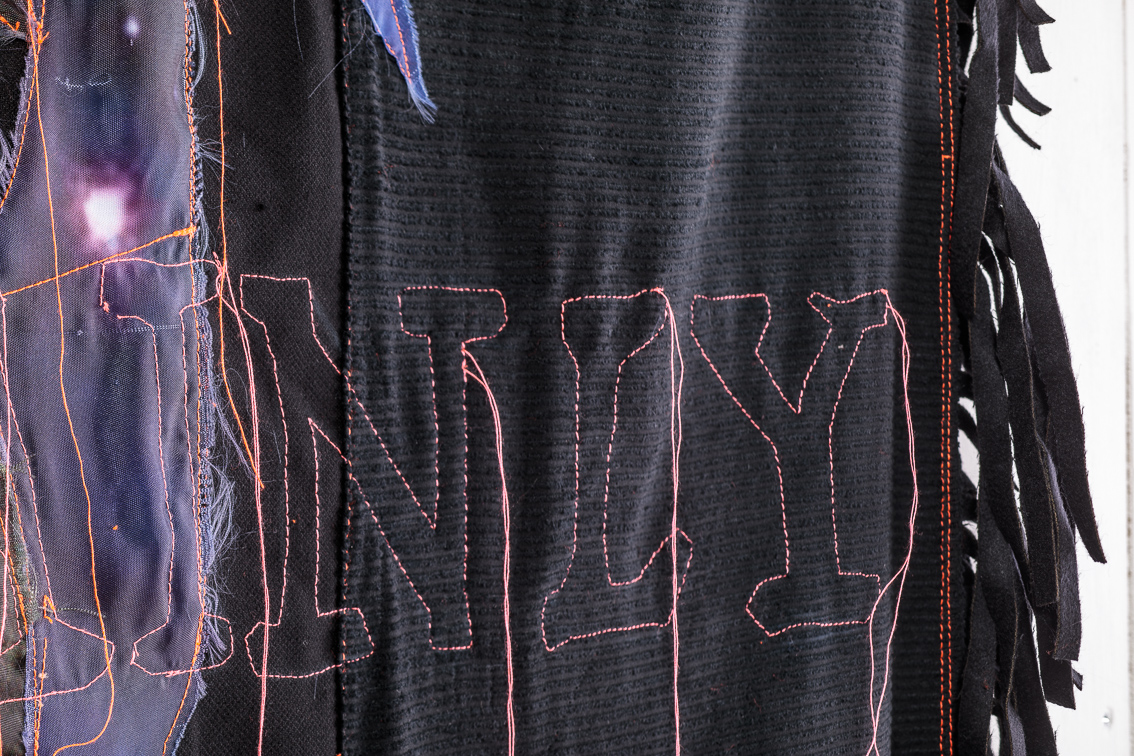
  • La Distanza dell’eterno (Cecilia Payne Gaposchkin), 2022 “Almost certainly not real” 138 x 97 cm. ca.
  • Cecilia Payne Gaposchkin (1900 – 1979) aveva dimostrato che il sole è costituito per la maggior parte da idrogeno e elio, ma fu costretta dal suo supervisore scientifico Henry Norris Russel a dichiarare che le sue conclusioni fossero “quasi sicuramente non vere”, perché gli scienziati maschi fino ad allora sostenevano tesi diverse. In seguito la sua scoperta fu confermata dallo stesso Russel.


  1. La Distanza dell’eterno (Cecilia Payne Gaposchkin), 2022 “Almost certainly not real” 138 x 97 cm. ca.
  2. Cecilia Payne Gaposchkin (1900 – 1979) demonstrated that the sun consists mainly of hydrogen and helium, but her scientific supervisor Henry Norris Russel forced her to declare that her conclusions were ‘almost certainly not real, because of male scientists up to then held different views. Russel himself later confirmed her discovery.


  • LA DISTANZA DELL’ETERNO, 2022
  • Tessuti, tessuti stampati, filo, legno
  • Nella storia della scienza sono molte le astronome discriminate dai loro colleghi maschi. Sottopagate, ostacolate, misconosciute, private di riconoscimenti. Eppure sono state autrici di alcune fra le scoperte dell’astronomia più importanti degli ultimi secoli. Fra loro Caroline Herschel, Maria Mitchell, Williamina Fleming, Maria Winkelmann-Kirch, Cecilia Payne Gaposchkin, Henrietta Swan Leavitt eAnnie Jump Cannon, ma la lista potrebbe essere più lunga.Durante le mie ricerche su queste straordinarie scienziate ho scoperto che per sintetizzare formule scientifiche complesse e aiutare la memoria a ricordarle, si usavano frasi che colpissero l’immaginazione. Per esempio Oh Be A Fine Girl, Kiss Me ancora oggi è la frase più usata per ricordarsi come classificare le stelle, a seconda della loro temperatura. È un acronimo: le iniziali di ogni parola si riferiscono infatti alle classi spettrali denominate O, B, A, F, G, K, M (dalla più calda alla più fredda). La frase è stata inventata da Henry Norris Russel, negli anni in cui la leadership nell’astronomia era esclusivamente maschile, ma la classificazione fu inventata dallascienziata Annie Jump Cannon (1863 – 1841). Nel tempo sono state coniate molte altre varianti di questa frase, alcune sono state escogitate per smussarne le caratteristiche sessiste come ad esempio: Oh Be A Fine Guy, Kiss Me o Only Boys Accepting Feminism Get Kissed Meaningfully.
  • Durante le mie ricerche ho notato che nell’ambiente scientifico circolavano battute di colleghi maschi che spesso, in maniera subdola o apertamente denigratoria mettevano in discussione la competenza professionale delle donne assegnando loro un destino subalterno a quello dei loro colleghi.
  • Ho estratto alcune tra le frasi per me più significative e le ho inserite in uno stendardo di tessuto cucito. Ognuna si riferisce a un’astronoma. Frasi, forme e figure che compongono lo stendardo formano idealmente un ritratto di ciascuna donna. Per realizzarli ho tenuto a mente gli stendardi di Mary Lowndes, artista inglese che nel 1907, a Londra, fondò la Lega delle Artiste Suffragette. Fu lei a creare una guida con le regole per realizzare striscioni e stendardi da portare alle manifestazioni per il diritto di voto alle donne. Le misure dei miei stendardi sono le stesse previste da Lowndes. Li descriveva così: «Non è un cartellone, uno stendardo è qualcosa che oscilla nel vento […] non lo vuoi leggere, lo vuoi venerare!».


  1. THE DISTANCE OF THE ETERNAL, 2022
  2. Fabrics, printed fabrics, sewing thread, wood
  3. In the history of science, many female astronomers have been discriminated against by their male colleagues. Underpaid, obstructed, misrecognised, deprived of recognition. Yet they have been the authors of some of the most important discoveries in astronomy in recent centuries. Among them are Caroline Herschel, Maria Mitchell, Williamina Fleming, Maria Winkelmann-Kirch, Cecilia Payne Gaposchkin, Henrietta Swan Leavitt andAnnie Jump Cannon, but the list could be longer.
  4. During my research on these extraordinary female scientists, I discovered that in order to synthesise complex scientific formulae and help the memory remember them, they used phrases that struck the imagination. For example, Oh Be A Fine Girl, Kiss Me is still the most commonly used phrase to remember how to classify stars, depending on their temperature. It is an acronym: the initials of each word refer to the spectral classes named O, B, A, F, G, K, M (from hottest to coldest). The phrase was invented by Henry Norris Russel, in the years when leadership in astronomy was exclusively male, but the classification was invented by the scientist Annie Jump Cannon (1863 – 1841). Over time, many other variants of this phrase have been coined, some of them contrived to blunt its sexist characteristics such as: Oh Be A Fine Guy, Kiss Me or Only Boys Accepting Feminism Get Kissed Meaningfully.
  5. During my research, I noticed that in the scientific environment, there were many jokes by male colleagues who often, in a subtle or openly disparaging manner, questioned the professional competence of women and assigned them a destiny subordinate to their colleagues. I have extracted some of the phrases that are most meaningful to me and placed them in a banner of sewn fabric. Each one refers to an astronomer. The words, shapes and figures that make up the banner ideally form a portrait of each woman. To make them, I kept in mind the flags of Mary Lowndes, an English artist who founded the League of Suffragette Women Artists in London in 1907. She created a guide with rules for making banners and banners to take to demonstrations for women’s right to vote. The measurements of my banners are the same as Lowndes’. She described them like this: ‘It’s not a banner, a banner is something that sways in the wind […] you don’t want to read it, you want to worship it!’


  • La distanza apparente, 2020
  • Tessuti tessuti stampati, plastica, filo, cinghie, fibbie.
  • Misure variabili
  • La distanza apparente è una ciclo di lavori del 2020 che nasce da una serie di collages in carta dove convivono tecniche ed elementi eterogenei: il rigoglio vegetale viene invaso da forme geometriche, il frammento fotografico è amalgamato all’intervento pittorico. È come se fosse un gioco ad aggiungere dove la completezza del collage è fatta da elementi a volte complementari e a volte compatibili. Mi sono fatta varie domande mentre lavoravo a questa piccola serie su carta: cosa sta dentro e cosa fuori? Cosa sta sullo sfondo e cosa in primo piano? Chi contiene chi? Sono le stesse domande alla base di questi nuovi lavori: una naturale evoluzione del collage dove la carta è sostituita da un assemblaggio di tessuti di varia natura. I tessuti tagliati e ricuciti tra loro diventano paesaggi “modificati”, “invasi” dove lo sguardo è chiamato non a vedere quello che si ha di fronte ma a guardare quello che si ha desiderio di vedere. Dimensioni altre in cui rifugiarsi, dove è latente un senso di mistero, una dimensione estranea, non umana, che a tratti è minacciosa ma anche misteriosa, sognante e avvolgente. Il lavoro si apre su orizzonti “diversi”, che traghettano lo sguardo in altri luoghi. Ogni accostamento di tessuto e colore non è semplice addizione ma una moltiplicazione, uno sfondamento. Alcuni tessuti sono costituiti da un materiale sintetico, particolarmente leggero e trasparente, sul quale ho fatto stampare in digitale dettagli di collages: sono poi destrutturati, tagliati e assemblati nuovamente insieme ad altri ritagli di tessuti e plastiche e sono appesi, grazie a delle cinghie colorate e visibili, non rasente i muri ma nello spazio. Si stabilisce così un legame narrativo con l’architettura che li ospita e con quello che li circonda che entra a far parte del lavoro, reso visibile dalla trasparenza della plastica. Lo sfondo diventa primo piano o viceversa?
  • Il retro del lavoro ha la stessa importanza del fronte, per questo è concepito per essere visto a 360 gradi.


  1. The Apparent Distance, 2020
  2. Fabrics, printed fabrics, plastic, thread, straps, buckles.
  3. Variable dimension
  4. La distanza apparente (The Apparent Distance) is a cycle of works from 2020 that stems from a series of paper collages in which heterogeneous techniques and elements coexist: geometric shapes invaded nature, pictorial intervention is amalgamating with the photographic fragment. It is as if it were a game of addition where the completeness of the collage is made up of elements that are sometimes complementary and sometimes compatible. While working on this small series on paper, I asked myself several questions: what is inside and what is outside? What is in the background, and what is in the foreground? Who contains whom? These are the same questions that underlie these new works: a natural evolution of collage where paper is replaced by an assemblage of fabrics of various kinds. Fabrics, cut and stitched together, become “modified”, “invaded” landscapes where the gaze is called upon not to see what is in front of us but to look at what we wish to see. We want to immerse ourselves in other dimensions in which to take refuge, where there is a latent sense of mystery, a foreign, non-human ambient, which at times is threatening but also mysterious, dreamy and enveloping. The work opens up “different” horizons, taking the eye to other places. Each fabric and colour combination is not a simple addition but a multiplication, a breakthrough. Some of the fabrics are made of synthetic material, remarkably light and transparent, on which I have had details of collages digitally printed: they are then deconstructed, cut and assembled again together with other scraps of fabric and plastic and are hung, thanks to coloured and visible straps, not next to the walls but in space. The architecture that houses them and their surroundings establish a narrative link with the works. The architecture becomes part of the work, made visible by the transparency of the plastic. Does the background become foreground or vice versa? The back of the work is just as important as the front, and I am not hiding it.
    The whole work can be seen at 360 degrees.


  • A Bartleby, installation views at Alberta Pane Gallery, Venice, 2021
  • Photo by Irene Fanizza
  • The Apparent Distance #2,2020
  • Fabrics, printed fabrics, plastic, thread, straps, buckles
  • 350 x 178 cm. Photo by Augusto Maurandi
  • The Apparent Distance #1,2020
  • Fabrics, printed fabrics, plastic, thread, straps, buckles
  • 315 x 152 cm. Photo by Irene Fanizza, Alberta Pane Gallery
  • The Apparent Distance #3,2020
  • Fabrics, printed fabrics, plastic, thread, straps, buckles
  • 140 x 170 cm. Photo by Augusto Maurandi


  • Cuore solitario
  • Serie dal 2021 (in progress)
    collages, tecnica mista, tessuto e filo da cucito su carta, 43 x 29,7
  • Cuore solitario è una serie di collage a tecnica mista basati su immagini in bianco e nero di corpi femminili nudi che provengono da riviste soft porno degli anni ’50 e ’60. Gli interventi con carta e tessuto cucito coprono in parte i corpi fotografati liberamente in pose provocanti, e restituiscono loro nuove forme e nuovi significati.


  1. Lonely Heart
  2. Series from 2021 (in progress)
    collages, mixed media, fabric, sewing thread on paper, 43 x 29,7 cm
  3. Lonely Heart is a series of mixed  media collages based on black and white images of naked female bodies from soft porno magazines from the 1950s and 1960s.
The interventions with paper and sewn fabric partly cover the exposed bodies photographed in deliberately winking and provocative poses, giving them new forms and meanings.
  • I maestri del colore
  • Serie, 2020 – 2021 (in progress)
  • collage, tecnica mista e tessuti su carta, 29,3 x 21 cm.
  • Dopo la grande acqua alta che ha invaso Venezia il 12 novembre del 2019, era normale vedere per le calli grandi quantità di libri, oggetti e mobili accatastati, pronti per essere buttati nella spazzatura, perché rimasti per ore sotto l’acqua salmastra della laguna. Molte persone hanno colto l’occasione per ripulire cantine e magazzini. In quei giorni sono stata fortunata, e mi sono imbattuta in un centinaio di fascicoli degli anni Sessanta della serie “I Maestri del Colore” pronti per il macero. Erano in perfette condizioni, non avevano preso acqua: immediatamente li ho presi e portati nel mio studio. Sono rimasti lì a guardarmi per lungo tempo, mentre pensavo a come poterli utilizzare e a come sfruttare al massimo quelle stampe con colori saturi e brillanti, che riproducono le opere dei grandi Maestri dal Trecento fino al Novecento. Finalmente il momento giusto è arrivato. Ho deciso di lavorare su queste riproduzioni con collages che uniscono carta e tessuti, e in cui anche il filo della cucitura ha una presenza e un valore specifico. Questa volta ho deciso di applicare un processo diverso rispetto ai miei soliti collages, dove cerco soprattutto il contrasto e lo spaccarsi dell’immagine. Qui invece ho deciso di partire dall’immagine stessa, per integrare e accompagnare le forme e i colori della stampa con le forme e i colori delle mie carte e dei miei tessuti. Il richiamo del colore di queste vecchie stampe è troppo forte e presente per poterlo nascondere o violare: l’immagine mi chiede di assecondarlo, mi suggerisce di ponderare bene ogni taglio, ogni raccordo, ogni scelta di colore e posizione dei pezzi che aggiungo. La cucitura del tessuto a volte disegna delle linee che vanno oltre alla propria funzione di raccordo tra tessuto e carta, perché sono indipendenti pur cercando di seguire l’armonia e le linee strutturali della riproduzione del dipinto.


  1. The Masters of Colours
  2. Series, 2020 – 2021 (in progress)
  3. collage, mixed media and fabric on paper (HxW), 29,3 x 21 cm
  4. After the tremendous flood occurred in Venice on 12 November 2019, along the calli you could see huge amounts of books, objects and furniture piled up, ready to be thrown in the rubbish because they had remained for hours in the brackish water of the lagoon. Many people took the opportunity to clean out their cellars and storerooms. In those days, I was lucky and came across a hundred or so magazines from the 1960s of the series “I Maestri del Colore”, ready to be thrown in the trash. They were in perfect conditions, completely dry. I immediately brought them to my studio. I did not touch them for long, I thought deeply how to use them and how to make the most of those prints with saturated and brilliant colors, which reproduced the works of the great masters from the fourteenth to the twentieth century. At last, the right moment arrived. I decided to work on these reproductions with collages that combine paper and fabric, and in which even the thread of the stitching has a meaning and a specific value. This time I decided to apply a different process than the one used in my usual collages, where I mainly look for the contrast and the splitting of the image. On the contrary, here I started directly from the picture trying to integrate its shapes and colors with those of my papers and fabric. The charm of the color of these old prints is too strong and present to be hidden or violated: the image asks me to go along with it, suggests to think carefully about each cut and joint, each choice of color and position of the pieces I add.
    The seam of the fabric sometimes draws lines that go beyond their own function meant to link fabric and paper, because they are independent even though they follow the harmony and structural lines of the reproduction of the painting.


  • Nonostante il pensiero, 2020
  • tessuti, tessuti stampati, plastica, filo, cinghie, fibbie, zip. Dimensioni varie
  • Vista dell’installazione presso Confezioni Grazia, Castenedolo (Bs)
  • Un centinaio di macchine da cucire occupano una parte dell’ampio capannone. Sono sovrastate da tubi, strutture metalliche, molle sospese, tubature argentate. I ferri da stiro si alternano alle macchine, alle relle per abiti dove insieme ai capi sono appesi i cartamodelli.
  • C’è un caos ritmico, una leggerezza scomposta.
  • “Nonostante il pensiero” nasce durante una residenza per artisti, Materia, all’interno di un’azienda che confeziona abiti di alta qualità e che mi ha messo a disposizione materiale e spazio per lavorare.
  • La serie di teli e sculture nasce dal semplice desiderio di lavorare con quella leggerezza e libertà che lo spazio mi ha suggerito. È un lavoro istintivo: il pensiero rimane sospeso, il fare è più veloce, lo sorpassa senza farsi troppe domande. Nonostante il pensiero prosegue un lavoro sui tessuti iniziato nel 2019. La scelta di lavorare anche con questo materiale e di affiancarlo alla costante realizzazione di collages su carta, è stato un passaggio naturale e necessario che ha aumentato l’ampiezza dei lavori e rafforzato la loro relazione con lo spazio.
  • Tessuti, tessuti stampati, plastica, filo, cinghie, fibbie, 247 x 152 cm
    Tessuti, tessuti stampati, plastica, filo, cinghie, fibbie, 250 x 152 cm
    Tessuti, tessuti stampati, filo, cerniera, cinghie, fibbie, 240 x Ø 36 cm
    Tessuti, tessuti stampati, filo, cerniera, elastico, 250 x Ø 30 cm
    Tessuti, tessuti stampati, filo, cerniera, cinghia, 203 x Ø 20 cm
    Tessuti, tessuti stampati, filo, cerniera, corde, 185 x Ø 56 cm
    Tessuti, tessuti stampati, filo, pvc, corda di lana, 145 x Ø 60 cm


  1. Despite the thought, 2020
  2. Fabrics, printed fabrics, plastic, sewing thread, straps, buckles, zip. Various sizes
  3. Installation view at Confezioni Grazia, Castenedolo (Bs)
  4. About one hundred sewing machines occupy a part of the large shed. They are surmounted by pipes, metal structures, suspended springs, silver-plated pipes. Flat-irons alternate with the machines and with garment relays. The paper patterns are hung together with the clothes.
  5. There is rhythmic chaos, a deconstructed lightness.
  6. “Despite the thought” was born during an Artists in Residence experience, Materia, within a company that makes high-quality clothes and has provided me with material and room to work. The series of canvases and sculptures was born from the simple desire to work with that lightness and freedom that space suggested. It is an instinctive work: thinking remains suspended, doing is faster and overtakes it without asking too many questions. “Despite the thought” is the continuation of a work on fabrics started in 2019. The choice to work with this material in parallel with collages on paper was natural and necessary. It has increased the size of the works and strengthened their relationship with space.
  7. Fabrics, printed fabrics, plastic, sewing thread, straps, buckles, 247 x 152 cm
    Fabrics, printed fabrics, plastic, sewing thread, straps, buckles, 250 x 152 cm
    Fabrics, printed fabrics, plastic, sewing thread, straps, buckles, 240 x Ø 36 cm
    Fabrics, printed fabrics, sewing thread, zip, buckles, 250 x Ø 30 cm
    Fabrics, printed fabrics, sewing thread, zip, buckles, 203 x Ø 20 cm
    Fabrics, printed fabrics, sewing thread, zip, ropes, 185 x Ø 56 cm
    Fabrics, printed fabrics, sewing thread, pvc, wool rope, 145 x Ø 60 cm

  • È successo il mare, 2020
  • Tessuti, plastica, tessuti stampati, filo, cerniere, cinghie, fibbie, collages.
  • Dimensioni varie.
  • Vista dell’installazione, Fondazione Museo Pino Pascali, Polignano a Mare (Ba). Foto di Marino Colucci
  • Vista dell’installazione Exchiesetta, Polignano a Mare (Ba).
  • Per una sentinella sulla riva, è come se il mare non ci fosse. Il suo sguardo cancella il paesaggio. Chi guarda il mare per avvistare cerca una cosa sola: la minaccia, il pericolo assalitore, l’arrivo del nemico. Le sentinelle sono osservatori paradossali: hanno sempre davanti agli occhi quel braccio di mare, lo conoscono come nessuno al mondo, ma allo stesso tempo lo negano, perché l’unica cosa che gli interessa è un dettaglio significativo. Lo sguardo della sentinella è come un velo che copre il paesaggio: allo sfondo reale sovrappone i suoi presupposti, i suoi stati d’animo: apprensione, verifica, allarme.
  • Se l’orizzonte rimane calmo, per la sentinella non è successo nulla. Ma in realtà è successo il mare, perché la sentinella non ha smesso di guardarlo intensamente, senza rendersene conto. Così il mio sguardo cattura quel che succede quando crediamo di guardare e vediamo qualcos’altro, qualcosa che non smette di accadere, anzi, accade ancora più intensamente, occultato dai nostri presupposti. I tessuti, sovrapposti e cuciti tra loro, velano simbolicamente e fisicamente la vista del mare. Ne sovrappongono un’altra, fatta di paesaggi interiori, di desideri e dispositivi narrativi. Ciascuno di noi è una sentinella, e a tutti noi “è successo il mare”: quello che non riusciamo a vedere anche se ce l’abbiamo sotto gli occhi, perché siamo occupati a cercare altro.
  • Il progetto rientra nella mostra diffusa “Sta Come Torre”, a cura di Paolo Mele, ruota attorno alla similitudine tra la figura dell’artista e quella della torre costiera: così come questa consente di poter accedere ad un punto di vista ottimale per scrutare l’orizzonte, così l’artista, attraverso la sua ricerca e le sue opere, permette di poter riflettere sui temi della contemporaneità, sugli insegnamenti del passato e sulle tracce da lasciare al futuro.
  • I lavori sono stati realizzata per  Sta come Torre  una mostra promossa da REGIONE PUGLIA Dipartimento Turismo, Economia della Cultura e Valorizzazione del Territorio – Sezione Turismo, attuata nell’ambito del Progetto “Destinazione Puglia”, in collaborazione con il Teatro Pubblico Pugliese – Consorzio Regionale per le Arti e la Cultura con il supporto dell’ARET Pugliapromozione.
  • www.stacometorre.it


  1. The Sea Has Happened, 2020
  2. Fabrics, plastic, printed fabrics, sewing thread, straps, buckles, zipper, collages.
  3. Variable dimensions. Installation view, Fondazione Museo Pino Pascali, Polignano a Mare (Ba). Photo by Marino Colucci
  4. Intallation view Exchiesetta, Polignano a Mare (Ba).
  5. For a sentinel on the shore, it’s like the sea isn’t there. His gaze seems to wipe out the landscape. Whoever looks at the sea for watching purposes is looking for only one thing: a threat, the danger of being attacked, the approach of the enemy. A sentinel’s gaze is like a veil that covers the landscape: against the real sea backdrop his assumptions, his moods, anxiety, need to check and send a warning, always seem to prevail.
  6. If the horizon stays calm, nothing has happened for the sentinel. But actually “the sea has happened“, as the sentinel has never stopped looking at it intensely, without realizing it. So, my gaze captures what happens when we believe we are looking at something and we see something else. Well, that something does not stop happening, quite the contrary, it happens even more intensely, hidden as it is by our assumptions. The fabrics, superimposed and sewn together, symbolically and physically veil the sight of the sea. They superimpose on the sight of the sea with another sight made of the inner landscapes, desires and narrative devices of the observer. Each of us is a sentinel, and to all of us “the sea has happened”: that sea we cannot see even if we have it before us, because we are too busy looking for something else.
  7. The project is within the exhibition Be as a Tower, curated by Paolo Mele, revolves around the artist-tower analogy: muchas a tower provides an excellent view point to scrutinize thehorizon, an artist, through her/his creative art making process and works, allows us to reflect oncontemporary themes, on what we have learnt from the past, and what weare going to leave to future generations.
  8. Works are realized for The Sea Has Happened, a show promoted by REGIONE PUGLIA Department of Tourism, Cultural Economy and valorization of the territory – Tourism Section, within the project “Destinazione Puglia”, in collaboration with Teatro Pubblico Pugliese – Consorzio Regionale for the Arts and Cultur with the support of ARET, Pugliapromozione.
  9. www.stacometorre.it

  • È successo il mare, 2020
  • 308 x 350 cm. Plastica, tessuto, tessuto stampato, filo, cerniera, cinghie.
  • Foto di Augusto Maurandi
  • 343 x 142 cm. Plastica, tessuto, tessuto stampato, filo, cerniera, cinghie.
  • Foto di Francesco Allegretto
  • 328 x 130 cm. Plastica, tessuto, tessuto stampato, filo, cerniera, cinghie.
  • Foto di Francesco Allegretto
  • 324 x 144 cm. Plastica, tessuto, tessuto stampato, filo, cerniera, cinghie.
  • Foto di Francesco Allegretto
  • 292 x 154 cm. Plastica, tessuto, tessuto stampato, filo, cerniera, cinghie.
  • Foto di Francesco Allegretto
  • 321 x 168 cm. Plastica, tessuto, tessuto stampato, filo, cerniera, cinghie.
  • Foto di Francesco Allegretto
  • 144 x 95 cm. Plastica, tessuto, tessuto stampato, filo, cerniera, cinghie.
  • Foto di Francesco Allegretto
  • 180 x 108 cm. Plastica, tessuto, tessuto stampato, filo, cerniera, cinghie.
  • Foto di Francesco Allegretto


  1. The Sea Has Happened, 2020
  2. 308 x 350 cm. Fabrics, plastic, printed fabrics, sewing thread, straps, buckles, zipper.
  3. Photo Credits Augusto Maurandi
  4. 343 x 142 cm. Fabrics, plastic, printed fabrics, sewing thread, straps, buckles, zipper.
  5. Photo Credits Francesco Allegretto
  6. 328 x 130 cm. Fabrics, plastic, printed fabrics, sewing thread, straps, buckles, zipper.
  7. Photo Credits Francesco Allegretto
  8. 324 x 144 cm. Fabrics, plastic, printed fabrics, sewing thread, straps, buckles, zipper.
  9. Photo Credits Francesco Allegretto
  10. 292 x 154 cm. Fabrics, plastic, printed fabrics, sewing thread, straps, buckles, zipper.
  11. Photo Credits Francesco Allegretto
  12. 321 x 168 cm. Fabrics, plastic, printed fabrics, sewing thread, straps, buckles, zipper.
  13. Photo Credits Francesco Allegretto
  14. 144 x 95 cm. Fabrics, plastic, printed fabrics, sewing thread, straps, buckles, zipper.
  15. Photo Credits Francesco Allegretto
  16. 180 x 108 cm. Fabrics, plastic, printed fabrics, sewing thread, straps, buckles, zipper.
  17. Photo Credits Francesco Allegretto

Installation view, Fondazione Museo Pino Pascali, 2020. Photo Credits Marino Colucci


Installation view, Fondazione Museo Pino Pascali, 2020. Photo Credits Marino Colucci
  • L’Italia sfondata. Quattro orizzonti per cinque paesaggi, 2020
  • 20 collages su carta, 30  x 38 cm.
  • Questo progetto prosegue un lavoro iniziato nel 2018, “L’italia Sfondata”. Gli sfondi dei collages sono foto in bianco e nero prese da un’edizione del 1956 del Touring Club, L’italia in 300 immagini. È quindi l’Italia in bianco e nero, intrisa di una nostalgica bellezza, che viene sfondata e rotta da ritagli irruenti e colorati. Al centro dell’immagine si apre un varco per possibili nuove visioni. Questa incursione di forme va oltre la superficie del reale, ci svela altre narrazioni che si intrecciano con le storie raccontate dai paesaggi sullo sfondo. Anche qui c’è la negazione di un’immagine, lo sfondamento e l’apertura verso altri orizzonti.
  • I collages sono una serie da venti pezzi, quattro immagini uguali per ogni soggetto, protagonista il paesaggio pugliese. La ripetitività di un paesaggio viene scardinata e abolita grazie all’intervento di collage che, sempre diverso, rompe quello schematismo e ci restituisce altre narrazioni. La monotonia delle immagini uguali, come quella di un orizzonte dove non succede nulla, è così spezzata ed è generatrice di altre visioni.


  1. Italy, breached. Four horizons for five landscape, 2020
  2. 20 collages on paper, 30 x 38 cm.
  3. This project continues a work I began in 2018, “Italy, breached”.
    The black and white photos are taken from an old edition of the Touring Club dated 1956, Italy in 300 pictures. It’s an image of a nostalgic and beautiful Italy which is “broken” by colored and intrusive paper cut out. This invasion goes beyond the real world surface. It tells us different narratives which are intertwined with the stories told by the landscape on the background of the collage.
  4. In the middle of the image, a gap opens up for possible new visions. This incursion of forms goes beyond the surface of reality, revealing other narratives that intertwine with the stories told by the landscapes in the background. Here too there is the negation of an image, the breaking through and the opening towards other horizons.
  5. The collages are a series of twenty pieces, four identical images for each subject, the protagonist being the Apulian landscape. The repetitiveness of a view is unhinged and abolished thanks to the intervention of collages that, always different, break that schematism and gives us other narratives. The monotony of similar images, like that of a horizon where nothing happens, is so broken and generates different visions.


  • Era lì da sempre
    tessuto, gesso, acrilico, rocce
    Installazione ambientale, misure variabili, 2019
  • Vista dell’installazione a Casa Testori, Novate Milanese, Milano. Foto di Michele Alberto Sereni
    Vista dell’installazione e dettagli KH Messen, Ålvik, Norvegia


  1. It has been there forever
    Fabrics, plaster, acrylics, rocks
    Site specific installation, variable dimensions, 2019
  2. Installation view at Casa Testori, Novate Milanese, Milan. Photo Credits by Michele Alberto Sereni
  3. Installation view and details KH Messen, Ålvik, Norway

  • La fortuna interiore
  • 26”07′, colore, stereo sound, 2020
  • Regia Lucia Veronesi e Valentina Bonifacio
    Montaggio video Lucia Veronesi e Valentina Bonifacio
    Animazioni Lucia Veronesi
    Riprese Lucia Veronesi e Giuseppe Drago
    Montaggio audio Valentina Bonifacio e Lucia Veronesi
    Supporto audio postproduzione Marian Alexander Mentrup
  • Fra i bianchi intonaci e i coni grigi dei tetti, all’improvviso si sprigionano colori sgargianti: una cupola a spicchi rossi e gialli, archi e capitelli di panna in cima a candide colonne. É il tempio dell’Ashram, luogo dedicato a Babaji Haidakhan Baba, uno dei primi costruiti in Occidente. Da quarant’anni spicca fra i trulli di Cisternino, nella Valle d’Itria, in Puglia.
  • Lo ha fondato Lisetta Carmi, figura cardinale del Novecento artistico italiano. Nata a Genova da una famiglia di origine ebraica, alla fine degli anni Settanta costruisce l’Ashram con il suo tempio, che riproduce perfettamente quello di Haidakhan, un paesino indiano alle pendici dell’Himalaya, dove nel 1970 Babaji apparve per la prima volta, e dove avvenne il primo incontro con Lisetta.
  • Inizia così, nel 1979, a cinquantacinque anni, la “terza vita” di Lisetta Carmi, come lei stessa la definisce, dopo quelle di pianista e fotografa di fama internazionale.
  • Attraverso il suo ritratto da vicino e altre interviste, La fortuna interiore indaga l’interazione che si è creata tra il luogo, i suoi abitanti e chi per stare vicino all’Ashram ha deciso di trasferirsi in Valle d’Itria.


  1. The inner fortune
  2. 26”07′, colour, stereo sound, 2020
  3. Directors Lucia Veronesi and Valentina Bonifacio
    Editing Lucia Veronesi and Valentina Bonifacio
    Animation Lucia Veronesi
    Shooting Lucia Veronesi and Giuseppe Drago
    Audio Valentina Bonifacio and Lucia Veronesi
    Audio postoproduction Marian Alexander Mentrup
  4. Among the white plasters and the grey cones of the roofs, suddenly bright colors are released: a dome with red and yellow segments, arches and capitals of cream on top of white columns. It is the temple of the Ashram, a place dedicated to Babaji Haidakhan Baba, one of the first built in the West. For forty years it has stood out among the trulli of Cisternino, in the Valle d’Itria, in Puglia.
  5. Lisetta Carmi, a cardinal figure of the Italian artistic twentieth century, founded it. Born in Genoa to a family of Jewish origin, at the end of the seventies she built the Ashram with her temple, which perfectly reproduces that of Haidakhan, an Indian village on the slopes of the Himalayas, where Babaji appeared for the first time in 1970, and where she met Lisetta for the first time.
  6. Thus began, in 1979, at the age of fifty-five, the “third life” of Lisetta Carmi, as she herself defines it, after those of pianist and photographer of international fame.Through her close-up portrait and other interviews, La fortuna interiore investigates the interaction that has been created between the place, its inhabitants and those who decided to move to the Itria Valley to stay close to the Ashram.
  • L’Italia sfondata 2018 –
  • collages su carta, 19 x 26.5 cm ciascuno, 1/ (in corso)
  • Gli sfondi dei collages sono foto in bianco e nero prese da un’edizione del 1956 del Touring Club, L’italia in 300 immagini. È quindi l’Italia in bianco e nero, intrisa di una nostalgica bellezza, che viene sfondata e rotta da ritagli irruenti e colorati. Al centro dell’immagine si apre un varco per possibili nuove visioni. Questa incursione di forme va oltre la superficie del reale, ci svela altre narrazioni che si intrecciano con le storie raccontate dai paesaggi sullo sfondo. Ci lasciamo alle spalle un’immagine che non tornerà più.


  1. Italy, Breached 2018 –
  2. collages on paper, 19 x 26.5 cm each one, 1/ (work in progress)
  3. This is a selection of a series of collages (in progress).
    The black and white photos are taken from an old edition of the Touring Club dated 1956, Italy in 300 pictures. It’s an image of a nostalgic and beautiful Italy which is “broken” by colored and intrusive paper cut out. This invasion goes beyond the real world surface. It tells us different narratives which are intertwined with the stories told by the landscape on the background of the collage. We leave behind a picture of Italy which is already gone.

  • Monumento allo sfondo 2018
  • 7 stampe a pigmenti su carta cotone
    23,5 x 31,5x 7 cm.
    Edizione 1/2


  1. Monument to the background 2018
  2. 7 inkjet prints on cotton paper
  3. 23,5 x 31,5x 7 cm.
    Edition 1/2

For all the photos
Alice Pedroletti, Lucia Veronesi. (cose)rose, 2018. Installation view, SSSSSSS, Atrii-Varese at Yellow, Varese. Photo credits Alice Pedroletti
  • (cose) rose 2018
  • palla a specchi 40 cm di diametro, proiettore di diapositive, 80 diapositive d’archivio, dimensione variabile
  • Nella parte inferiore della scala, sulla destra, vidi una piccola sfera cangiante, di quasi intollerabile fulgore. Dapprima credetti ruotasse; poi compresi che quel movimento era un’illusione prodotta dai vertiginosi spettacoli che essa racchiudeva. Il diametro dell’Aleph sarà stato di due o tre centimetri, ma lo spazio cosmico vi era contenuto, senza che la vastità ne soffrisse. Ogni cosa (il cristallo dello specchio, ad esempio) era infinite cose, perché io la vedevo distintamente da tutti i punti dell’universo. «Quando aprii gli occhi, vidi l’Aleph».
    «L’Aleph?» ripetei.
    «Sì, il luogo dove si trovano, senza confondersi, tutti i luoghi della terra, visti da tutti gli angoli».
  • Tratto da El Aleph di Jorge Luis Borges
  • (cose)rose è un caleidoscopio costruito con una mirrorball e un proiettore di diapositive provenienti da un vecchio archivio scolastico. Le immagini delle statue e delle opere classiche, riconoscibili e familiari, ne conservano e proteggono le forme, ne consentono la riproduzione e la fruizione; il supporto su cui sono impresse ha invece assunto, con il tempo, una singolare colorazione magenta. Siamo abituati a pensare che un archivio sia qualcosa di fermo e costante in cui rifugiarsi o al quale fare riferimento, mentre scopriamo che è un luogo vivo e soggetto a cambiamenti continui. Le immagini proiettate dagli specchi della sfera, surreali e in movimento, ricreano una atmosfera evocativa, di una bellezza universale, affascinante; è l’archivio di un sapere che appartiene a tutti i tempi e che ci disorienta trasformando una parte del cortile di via San Pedrino in un mondo altro, fatto di molteplici visioni, di frammenti di storie e racconti. Una capsula temporale, un caleidoscopio di possibilità, di narrazioni. Si ha l’illusione di trovarsi in un luogo sempre diverso, nell’Aleph di Jorge Luis Borges, dove le tracce di storie scritte sulle pareti e sui soffitti del parcheggio coperto si sovrappongono e si intrecciano a quelle tramandate dall’archivio, dalle opere. Si genera così un moderno trompe l’oeil a cavallo tra era analogica e digitale, che evoca un tempo passato, ma ironicamente ci propone un nuovo canone estetico assolutamente effimero. Solo il rumore del proiettore, che fa scorrere una diapositiva dopo l’altra, mantiene un contatto sonoro con la realtà, come un orologio che scandisce un tempo indefinito di un luogo che è ovunque, adesso.


  1. (cose) rose 2018
  2. mirrorball diameter 40 cm, slide projector, 80 slides from an archive, variable dimension
  3. On the back part of the step, toward the right, I saw a small iridescent sphere of almost unbearable brilliance. At first, I thought it was revolving; then I realized that this movement was an illusion created by the dizzying world it bounded. The Aleph’s diameter was probably little more than an inch, but all space was there, actual and undiminished. Each thing (a mirror’s face, let us say) was infinite things since I distinctly saw it from every angle of the universe. When I opened my eyes, I saw the Aleph.” 
    “The Aleph?” I repeated.
    “Yes, the only place on earth where all places are — seen from every angle, each standing clear, without any confusion or blending”.
  4. From El Aleph by Jorge Luis Borges
  5. (cose)rose is a kaleidoscope built with a mirrorball and a projector with eighty slides from an old school archive. The images of the statues and classical works, both recognizable and familiar, preserve and protect its forms, while allowing its reproduction and enjoyment; the support on which they are imprinted has instead taken on, over time, a unique magenta colour. We are used to thinking of an archive like something firm and constant to take refuge in or to refer to, but we discover that it is a living place and subject to continuous change. The images reflected by the mirrors of the sphere, surreal and in motion, recreate an evocative atmosphere, of universal, fascinating beauty. It represents the archive of a knowledge that belongs to all times and that disorients us by turning a part of the courtyard in Via San Pedrino into another world, made up of multiple visions, fragments of stories and tales. A time-capsule, a kaleidoscope of possibilities, of narrations. One has the illusion of being in an ever-changing place, in the Aleph by Jorge Luis Borges, where the traces of stories written on the walls and ceilings of the covered car park overlap and intertwine with those handed down from the archive, from the works. The result is a modern trompe l’oeil between the analogical and digital era, which evokes a past time while ironically putting forward a new, absolutely ephemeral, aesthetic canon. Only the sound of the projector, slides after slide, owns a sound contact with reality, like a clock that marks an indefinite time of a place that is everywhere, right now.


  • La riconquista di tutto, almeno 2017 – 18
  • 30 collages, tecnica mista su carta, 30×21 cm. c.a
  • Nella serie di collage La riconquista di tutto, almeno convivono tecniche ed elementi eterogenei: colori terrosi si oppongono a colori fluo, il rigoglio vegetale viene invaso da forme geometriche, il frammento fotografico è amalgamato all’intervento pittorico. È come se fosse un gioco ad aggiungere dove la completezza del collage è fatta da elementi a volte complementari e a volte compatibili. Ho riflettuto sulla cosidetta epoca dell’Antropocene (sancita ufficialmente nel congresso di geologia a Cape Town del 2016) dove si prende atto della compenetrazione tra cultura e natura, tra umano e alieno.
Mi sono chiesta: chi contiene chi? Cosa sta dentro e cosa fuori? Nei collage sono le immagini che contengono le pennellate o viceversa? Cosa sta sullo sfondo e cosa in primo piano? Ci sono prima le campiture di colori acidi o gli squarci di giardini e rocce? Cosa viene prima e cosa dopo? Ogni accostamento non è semplice addizione ma una moltiplicazione, uno sfondamento.


  1. Reconquer everything, at least 2017 – 18
  2. 30 collages, mixed media on paper, 30 x 21 cm. about
  3. In the series of collages Reconquer everything, at least, heterogeneous techniques and elements coexist: earthy colours are opposed to fluorescent ones, the vegetal luxuriance is invaded by geometric forms, the photographic fragment is amalgamated with the pictorial intervention. It is like a game to add while the completeness of the collage is made by elements that are sometimes complementary and sometimes compatible. I reflected upon the so-called Anthropocene era (officially sanctioned at the Geology Congress in Cape Town, 2016) that acknowledges the interpenetration between culture and nature, between human and alien.
I wondered: who contains whom? What is inside and what is outside? In collages are the images that contain the brush strokes or vice versa? What’s in the background and what’s in the foreground? Are there acid colour backgrounds or glimpses of gardens and rocks first? What comes first and what comes next? Each combination is not a mere addition but a multiplication, a breakthrough.


  • La zona sicura 2018
  • Affissione, 300 x 600 cm.
  • Progetto speciale OperaViva per Flashback
    Barriera di Milano, Piazza Bottesini, Torino


  1. The Safe Zone 2018
  2. Billboards, 300 x 600 cm.
  3. Flashback_Special Project OperaViva,
    Barriera di Milano, Bottesini square, Turin


  • Seduti nell’oscurità è tutto più chiaro 2017
 
  • 4′ 00”, HD, colori, muto, 2017 (Edizione in 5 copie, 1/5)
    Frame da video


  1. By sitting in the dark, all is clearer 2017
  2. 4′ 00”, HD, colours, mute, 2017 (Edition in 5 copies, 1/5)
    Frame from video


  • Fuori una gran notte di stelle 2016
  •  
  • mostra personale Muratcentoventidue, Bari
    Comunicato stampa (scaricabile)
  •  
  • Fuori una gran notte di stelle 2016
  • video animazione hd a due canali 4′ 00”, lavagna luminosa, pittura acrilica su muro.
  • Vista dell’ installazione. Dimensioni variabili.
  •  
  • La mia posizione nel cosmo 2016
  • tecnica mista su tela, collage e stampe a pigmenti su carta cotone.
    Pittura acrilica su muro. Dimensioni variabili, visione parziale dell’installazione.


  1. Out there a big night of stars  2016
  2.  
  3. solo show at Muratcentoventidue, Bari
    Press release (download)
  4.  
  5. Out there a big night of stars 2016
  6. video hd, 2 channel, mute, 4′ 00”, overhead projector and acrylic paiting on wall.
    Installation view, variable dimensions.
  7.  
  8. La mia posizione nel cosmo 2016
  9. Mixed media on canvas, collage and mixed media on paper, inkjet prints on cotton paper,
    acrylic painting on wall. Partial installation view, variable dimensions.


  • Fuori, una gran notte di stelle 2016
  • video animazione HD, due canali, muto, colore, 4′ 00”. (Edizione in 5 copie, 1/5)
    Frame da video


  1. Out there, a big night of stars 2016
  2. Video animation HD, 2 channel, mute, colour, 4′ 00”. (edition in 5 copies, 1/5)
    Frame from video

  • Dò un taglio al passato e tengo il resto della storia 2016
  • ritagli di carta, colla, nastro adesivo. 

  • Installazione site specific alla mostra Epicentri, Terme di Como Romana, Como  


  1. I break with the past and take the rest of the story with me 2016

  2. paper cut out, glue, masking tape. 

  3. Site specific installation at the group show Epicentri, Terme di Como Romana, Como


  1. Full Presence 2016
  2. solo show at Yellow, Varese
  3. Interview between Lucia Veronesi and Vera Portatadino (download)
 
  • Le cose entrano in scena sempre al momento giusto (Things come on stage always when the time is right), 2015 video HD, colour, mute, 4′ 31”, 1/5. Installation, mixed media, 230 x 300 x 200 cm. Photo by Isabella De Maddalena
  • La stanza addosso #2 (Looming Room #2), 2015. Inkjet print on 100% cotton paper, 300 gr. 70 x 105 cm. 1/3 Photo by Isabella De Maddalena

  • Le cose entrano in scena sempre al momento giusto 2015
  • video HD, colore, muto, 4′ 31” (edizione in 5 copie. 1/5)
    Frame da video


  1. Things come on stage always when the time is right 2015
  2. video HD, colour, mute, 4′ 31” (edition in 5 copies. 1/5)
    Frame from video


  • La stanza addosso 2015
  • 11 stampe a pigmenti su carta cotone 300 gr.
    70 x 105 cm. Edizione in 3 copie ciascuna.
  • La stanza addosso #1 Collezione Museo Mumi, Fondazione Michetti, Francavilla a Mare


  1. Looming Room 2015
  2. 10 inkjet prints on cotton paper 300 gr.,
    70 x 105 cm. Edition in 3 copies each one.
  3. Looming Room #1 Collection Museo Mumi, Fondazione Michetti, Francavilla a Mare


  • Paesaggio senza titolo #10 (a forma di materia) 2015
  • video hd, colori e b/n, 1′ 11”, muto
    Frame da video
  • La serie dei Paesaggi senza titolo # è un lavoro in progress. I video si concentrano sulla trasformazione e sulla potenza risolutiva della catastrofe. Il campo visivo dello spazio viene invaso da elementi che si stratificano, e alterando l’immagine di partenza, aprono lo sguardo a nuove visioni.
  1. Untitled landscape #10 (in the form of matter) 2015
  2. video hd, colours and b/w, 1′ 11′, mute
    Video still
  3. Untitled landscape # is a work in progress. Videos are focusing on the concept of “transformation” and on the idea of catastrophe in a non stop motion. The field of vision is invaded by different elements: they stratify and alter the starting image: new visions are opening in front of us.


  • Paesaggio senza titolo #9 2015
  • video hd, colori, 2′ 17”, muto
  • Frame da video


  1. Untitled landscape #9 2015
  2. video hd, colours, 2′ 17”, mute
  3. Video still


  • Paesaggio senza titolo #8  2014
  • Video Hd, 16:9 colori, muto, 2′ 34”
  • Frame da video 


  1. Untitled landscape #8 2014
  2. Video Hd, 16:9, colour, mute, 2′ 34”
  3. Video still 


  • Paesaggio senza titolo #7  2014 
  • Video Hd, 16:9, colori, stereo sound, 2′ 32”. Frame da video.


  1. Untitled landscape #7 2014
  2. Video Hd, 16:9, colours, stereo sound, 2′ 32”. Video still.


  • Paesaggio senza titolo #6 (nel mio tempo) 2014
  • Video Hd, 16:9, colori/bn, muto, 4′ 00”
  • Frame da video


  1. Untitled landscape #6 (in my own time) 2014
  2. Video Hd, 16:9, colours/bw, mute, 4′ 00”
  3. Video still


  • Paesaggio senza titolo #5  2014
  • 6’25”, HD, 16:9, colore, muto
    Frame da video


  1. Untitled landscape #5 2014
  2. 6’25”, HD, 16:9, colour, mute
    Frame from video


  • Paesaggio senza titolo #4 2013
  • 2′ 52”, HD, 16:9, colore, stereo 
Musica di Federico Costanza, Sarabanda (2010) traccia elettroacustica
  • Frame da video


  1. Untitled landscape #4 2013
  2. 2′ 52” HD, 16:9, colour, stereo 
Music by Federico Costanza, Sarabanda (2010) electroacoustic track
  3. Video still


  • Paesaggio senza titolo #3 2013
  • 1′ 44”, 16:9, HD, colori, muto
  • Frame da video


  1. Untitled landscape #3 2013
  2. 1′ 44”, 16:9, HD, colour, mute
  3. Video still


  • Paesaggio senza titolo #2 2013
  • 2′ 52”, HD, 16:9, colore, stereo
  • Frame da video
  • La serie dei Paesaggi senza titolo # è un lavoro in progress. I video si concentrano sulla trasformazione e sul cambiamento in un movimento continuo, senza pausa. Il campo visivo dello spazio viene invaso da elementi che si stratificano, e alterando l’immagine di partenza, aprono lo sguardo a nuove visioni.


  1. Untitled landscape #2 2013
  2. 2′ 52” HD, 16:9, colour, stereo
  3. Video still
  4. Untitled landscape # is a work in progress. Videos are focusing on the concept of “transformation” in a non stop motion. The field of vision is invaded by different elements: they stratify and alter the starting image: new visions are opening in front of us.


  • Paesaggio senza titolo #1 2013
  • 0′ 59” HD, 16:9, colore, stereo
  • Frame da video


  1. Untitled landscape #1 2013
  2. 0′ 59” HD, 16:9, colour, stereo
  3. Video still


  • In piena presenza 2015
  • 10 fotografie stampate su carta Ilford Prestige Gold Cotton Textured 330gr. 
n. 3 edizioni per ognuna, 45cm x 40cm circa
    Le misure delle fotografie includono un passepartout bianco di 10 cm per ogni lato


  1. Full presence 2015
  2. 10 photos printed on Ilford Prestige Gold Cotton Textured paper 330gr.
n. 3 edition each, 45cm, x 40cm. about
    The sizes of the photographs are including a white 10 cm passepartout for each side
 
  • La mia posizione nel cosmo 2014 – 2015
  • Collage e tecnica mista su carta e tela, pittura su muro, dimensione variabile
  • Vista dell’installazione Museo della città di Rimini in occasione della BG3 Biennale Giovani Foto Piero De Lucca
 
  1. My placement in the cosmos 2014 – 2015
  2. Collage and mixed media on paper and canvas, painting on wall, Variable dimensions
  3. Installation view, Museo della città di Rimini. BG3 Biennale Giovani Photo credits Piero De Lucca
  • Le cose da lontano 2014
  • Video documentario HD, 16:9, colori, b/n, stereo, 19’ 53’’ Frame da video
  • Le cose da lontano racconta cosa significa essere distanti dal proprio Paese e dai propri affetti attraverso una conversazione con due donne paraguaiane detenute in due carceri del nord Italia.  La cocaina che arriva in Italia è portata spesso da singoli corrieri, sia donne che uomini, che arrivano in aereo dal Sudamerica, dai paesi africani o dall’Europa dell’est. Le carceri italiane accolgono numerose donne paraguaiane, arrestate nei nostri aeroporti, che da quel momento smettono di essere madri, mogli e cittadine.
  • Crediti

  • Video di Lucia Veronesi
  • Interviste di Valentina Bonifacio
  • Musica di Mauro Sambo
  • Sceneggiatura e montaggio video di Lucia Veronesi
  • 
Sceneggiatura e montaggio testi a cura di 
Valentina Bonifacio, Silvia Pellizzari, Lucia Veronesi
  • Montaggio audio di Silvia Pellizzari
  • Doppiaggio di Giovanna Guggiari (voce di Maria)
  • Selezione ufficiale Italia.corti al 32. Torino Film Festival, 21 – 29 Novembre 2014
 
  1. Things From Afar 2014
  2. Video HD, 16:9, colour, b/w, stereo, 19’ 53’’ Video still
  3. Things from afar explores the meaning of being far from mother country and family through the conversation with two Paraguayan women that are detained in two different prisons of northern Italy. Cocaine that gets to Italy is often brought by individual couriers, either women or men, that flies from South America, Africa or Eastern Europe. Italian prisons host many Paraguayan women arrested at our airports: from that moment on they stop being mothers, wives and citizens.
  4. Credits

  5. Video Lucia Veronesi
  6. Interviews Valentina Bonifacio
  7. Music Mauro Sambo
  8. Screenplay and video editing Lucia Veronesi
  9. 
Screenplay and texts editing
 Valentina Bonifacio, Silvia Pellizzari, Lucia Veronesi
  10. Audio editing Silvia Pellizzari
  11. Dubbing Giovanna Guggiari (Maria’s voice)
  12. English subtitles Enrica Pillon
  13. Official selection Italia.corti at 32. Torino Film Festival, 21-29 November, 2014

  • Interno senza titolo 2013 – 2014
  • 9 stampe a pigmento su carta baritata 310 gr. montata su D-bond. Ed. 1/5
  • 63,5 x 42,5 cm
    63,5 x 42,5 cm
    100 x 70 cm ( La barricata)
  • Basta uno sguardo più attento alle grandi foto di interni illusori per accorgersi che i mobili e le suppellettili sono sagome: puri ritagli piatti, immagini inutilizzabili eppure ingombranti. È un arredamento che non svolge la sua funzione, eppure si ostina a occupare spazio.


  1. Interior with no title  2013 – 2014
  2. 9 inkjet prints on baryta paper 310 gr. mounted on D-bond. Ed. 1/5
  3. 63,5 x 42,5 cm
    41 x 61,5 cm
    100 x 70 cm (The barricade)
  4. A closer look at the big pictures of apparent interiors reveals that furniture and furnishings are shapes: plain flat cuttings, images of no use but still cumbersome. It is a piece of furniture that does not do its job and still it insists on standing there.

  • Il Voyeur 2013
  • 1′ 43”, HD, 16:9, colore, muto
  • Courtesy l’artista
  • Frame da video
  • Un viaggio dentro una casa: ogni stanza è un immaginario a sé.
    Lo sguardo che le attraversa è indagatore e curioso. Incontra qualcosa di rivelatorio, da spiare in silenzio.


  1. Il Voyeur 2013
  2. 1′ 43”, HD, 16:9, colour, mute
  3. Courtesy l’artista
  4. Video still
  5. A journey inside a house: each room is a different imaginary world. An inquiring look passes through these rooms. It cames across something to peek at in silence.

  • Andante sospeso (la casa nella foresta) 2012
     
  • 2’ 50’’, HDV, 16:9 B/n, stereo
    Musica di Scanner, Nemesis. Pubblicato da Chester Music
  • Frame da video
  • Ho girato questo video nel nord della Finlandia, perché in quei luoghi è molto forte il dissidio fra “dentro” e “fuori”, fra abitazione e ambiente. La casa è la prima forma di possesso del territorio, è il tentativo di incapsularne una porzione escludendo tutto il resto. Nel video, questo tentativo fallisce. La prima inquadratura mostra una situazione armoniosa: una stanza piena di piante in vaso e, fuori dalla finestra, un bosco. A poco a poco il bosco si muove come un esercito shakespeariano vegetale all’attacco della casa. E anche all’interno i mobili proliferano vegetativamente, si degradano, si accatastano. La casa soccombe sotto un cumulo di legname, su cui svetta un albero solitario.


  1. Andante sospeso (the house in the forest) 2012
  2. 2’ 50’’, HDV, 16:9 B/w, stereo
    Music by Scanner, Nemesis. Pubblished by Chester Music
  3. Video still
  4. I shot this video in northern Finland, where there is a very strong rift between “inside” and “outside”, between home and the environment. The house is the first way of taking possession of the land; it’s an attempt to enclose a piece of it excluding everything else. In the video, this attempt fails. In the first shot everything is harmonious: there’s a room full of potted plants and, outside the window, the woods. But little by little the woods move in, attacking the house like a green Shakespearian army. On the inside, the furniture starts to grow, it proliferating, deteriorates and piles up. The house succumbs under a heap of wood, on which a lone tree stands.


  • Ho preso il mio orizzonte e l’ho spostato più in là  2012
     
  • Collage e tecnica mista su carta, dimensioni variabili,
    240 elementi
  • Tra questi ritagli di foto di paesaggi e gli interventi pittorico-grafici si crea un amalgama, una compenetrazione, a volte una prosecuzione reciproca, a volte uno stacco. È ambivalente il rapporto che esiste tra la foto e l’intervento. Si potrebbe pensare che prima venga l’immagine fotografica, sulla quale, poi, c’è un intervento che colora, ricopre, prolunga le forme, le nasconde o le trasforma. Ma anche le fotografie arrivano a colorare, ricoprire, prolungare un desiderio di paesaggio: le foto possono essere considerate una risposta a una visione pittorica. Non c’è un elemento primario e uno secondario, non c’è un prima e un dopo: sia la foto, sia la parte pittorica, arrivano reciprocamente “in un secondo tempo” l’una rispetto all’altra: si specchiano, si confermano, si fanno delle obiezioni, si sovrappongono, si fondono. L’una aspettava l’altra. Il risultato mette in opera una visione integrale, fatta di foto e pittura, di veduta meccanica e visione personale, di constatazione e desiderio, di contemplazione e aspettativa.


  1. I took my horizon and moved it over 2012
  2. collage and mixed media on paper, variable dimensions,
    240 elements
  3. These fragments of landscape photos and pictorial–graphic interventions create an amalgam, an interpenetration that is sometimes a reciprocal continuation and sometimes a break. The relationship between the photos and the intervention is ambivalent. You might think that what comes first is the photo, which the intervention then colours, covers, extends, hides or changes its forms. But the photographs too manage to colour, cover and prolong the desire for a landscape. The photographs can be considered an answer to a pictorial vision. There isn’t a primary and a secondary element, a before and after: both the photo and the pictorial intervention come, reciprocally, “at a later time”, one in relation to the other. They mirror and confirm each other, they make objections, they overlap and they merge: one waiting for the other. The result is an integral vision of a mechanical view and a personal vision, of observation and desire, of contemplation and expectation.

  • Portarsi via lo spazio vuoto 2012
  • legno, carta, cartone, colla, acrilico, gesso, spray, carboncino, led, 
dimensioni variabili
  • Scatole che raffigurano stanze quasi vuote. Qualcosa o qualcuno non c’è più, è appena andato via, forse per mettere in evidenza chi sono i veri, invisibili abitanti di queste stanze: un’irradiazione, un indizio, una persistenza. La gracile solennità di queste cripte portatili sembra confidenziale, a portata di chiunque, ma le loro piccole dimensioni risultano inospitali. Allora, chi vive lì dentro? Forse il brivido di un ideale, una potenza, una grave esperienza del mondo.
  • Vista dell’installazione a MARS, Milano


  1. Taking empty space away with you 2012
  2. wood, paper, cardboard, glue, acrylic, plaster, spray paint, charcoal, LED 
variable dimensions
  3. The boxes represent rooms that are practically empty. Something or someone that has gone, just left—underscoring perhaps the real, invisible inhabitants of these rooms: an irradiation, a clue, a persistence. The graceful solemnity of these portable crypts seems confidential, within anyone’s reach, but their smallness renders them uninhabitable. So who lives there? Perhaps the tremor of an ideal, a potential, a serious world experience.
  4. Installation view at MARS, Milan

  • L’inabitabile  2012
  • 11’16’’, HDV, 16:9, colore, stereo 
musica di Roberto Di Fresco
    Frame da video
  • Ho girato molte sequenze di breve durata: alcune all’interno di set costruiti con carta e cartone, altre partendo da immagini bidimensionali trasformate poi con il collage e la pittura, altre ancora in stop motion muovendo sagome e ritagli su fondi diversi. Tutte descrivono una situazione, un’atmosfera, un passaggio e una traformazione di uno spazio: a volte questi sono stipati da oggetti fino al limite, altre volte si svuotano, a volte si trasformano attraverso strani e surreali movimenti, tutto però è raccontato attraverso gli oggetti, c’è solo una vaga percezione di una possibile presenza umana che soccombe al potere e all’autonomia degli oggetti e dello spazio. Non c’è una volontà di sequenza narrativa nel montaggio finale ma le diverse situazioni si legano l’una alle altre attraverso a una perenne sensazione di mistero e curiosità verso quel che accadrà nell’inquadratura successiva.


  1. The uninhabitable 2012
  2. 11’16’’, HDV, 16:9, colour, stereo
music by Roberto Di Fresco
    Video still
  3. I shot several short sequences: some of them inside a paper and cardboard set; others from two-dimensional images later transformed with collage and painting; still others in stop motion, moving shapes and cut-outs around on different backgrounds. All of them describe a state, an atmosphere, a landscape and the transformation of a space. Sometimes they are crammed full of objects; sometimes they empty out; sometimes they’re altered by strange, surreal movements. Everything, however, is told through the objects. There is only vague perception of a possible human presence that succumbs to the power and autonomy of the objects and the space. The editing doesn’t seek a narrative sequence; the different states bind to one other in a constant sense of mystery and curiosity about what is going to happen in the next frame.

 
  • Intérieur 2011
  • 2’47’’ HDV, B/n stereo
  • musica di Roberto Di Fresco e Fabrizio Cabitza
  • Frame da video
  • Intérieur descrive l’invasione, inesorabile e incontrollata di oggetti in uno spazio domestico: luoghi intimi e quotidiani si trasformano. Lo spazio vitale si riduce, l’accumulo diventa ossessione.
 
  1. Intérieur 2011
  2. 2’47’’ HDV, B/w stereo
  3. music by Roberto Di Fresco and Fabrizio Cabitza
  4. Video still
  5. Intérieur describes the relentless and uncontrolled invasion of objects in a domestic space: intimate, daily spaces change. Living spaces shrink, accumulation becomes obsession.
  • Pandemia domestica 2011
  • 4’22’’, Videoanimazione Mini DV, B/n
Musica di Roberto Di Fresco Frame da video
  • Sullo schermo prendono forma alcune abitazioni viste dall’esterno. 
Sono case ordinate, fanno pensare a quartieri residenziali pacifici. Si entra in una di esse. 
Le stanze si riempiono a poco a poco di oggetti. Mobili e utensili tendono a ingombrare lo spazio e rendono impossibile abitarci. Avvicinando lo sguardo su uno di questi mucchi si vede una macchia nera che si espande, come un cancro che si sta diffondendo.
 
  1. Pandemia domestica 2011
  2. 4’22’’, Videoanimazione Mini DV, B/w
Music by Roberto Di Fresco Video still
  3. The exteriors of a few houses take shape on the screen. 
They houses are well-ordered, giving the impression of a peaceful residential neighbourhood. 
The rooms gradually fill with objects. Furniture and utensils tend to clutter the space and make it inhabitable. Looking closely at one of these piles, a black spot expands like a cancer that is spreading.
 
  • L’invasione 2011
  • 20 collage e tecnica mista su carta dimensioni variabili
  • Riempire le case fino a renderle inabitabili. Circondarsi di oggetti e di ricordi fino a soffocare: una bulimia dell’accumulo che trasforma gli spazi domestici in vere e proprie trappole. Le cose occupano gli spazi che dovrebbero essere occupati dalle persone. Il tempo è occupato da una quantità di attività e incombenze superflue e inevitabili. Le menti sono occupate da un numero enorme di notizie, sollecitazioni, preoccupazioni. Le immagini sono occupate da altre immagini, ritagli di visioni già pronte, già viste, già confezionate. Noi abitiamo lo spazio dell’invasione.
 
  1. The invasion 2011
  2. 20 collages and mixed media on paper variable dimensions
  3. Filling houses to point of making them inhabitable. Surrounding oneself with objects and memories to the point of suffocation: a bulimia of accumulation that turns living spaces into real traps. Things occupy spaces meant for people. Time is taken up by a number of superficial and unavoidable activities and tasks. Minds are occupied by a huge amount of news, by solicitations and worries. Images are occupied by other images, clippings of ready-made, already seen, pre-packaged images. We inhabit the space of invasion.
     
  • Gli inquilini 2010-2011
  • grafite su carta, acquarello, collage e tecnica mista
  • Grafite su carta, 24 x 33 cm (30 elementi)
  • Acquarelli su carta, 22 x 26 cm (21 elementi)
  • Collages e tecnica mista su carta, 30 x 42 cm (13 elementi)
  • Grafite su carta, 105 x 145 cm (6 elementi)
  • Questa serie di lavori prende spunto dalla vera storia dei fratelli Collyer. Nel 1947 furono rinvenuti cadaveri all’interno della loro casa, nel quartiere di Harlem, a New York. Quando le forze dell’ordine irruppero nell’abitazione si trovarono di fronte a una quantità incredibile di oggetti di ogni tipo stipati e accatastati ovunque. Fu uno dei primi casi di disposofobia riconosciuti: accumulare oggetti senza controllo è una vera e propria patologia. Chi ne soffre riduce drasticamente il proprio spazio vitale: le case subiscono incredibili trasformazioni ed enormi cumuli di oggetti ne abitano le stanze. Lo spazio che si modifica viene narrato attraverso il disegno, il video e il collage. Da qui nascono poi lavori come L’invasione, Pandemia domestica, Intérieur, Difesa personale, L’inabitabile.
 
  1. The tenants 2010-2011
  2. graphite on paper, watercolour, collages and mixed media
  3. Graphite on paper, 24 x 33 cm (30 elements)
  4. Watercolour on paper, 22 x 26 cm (21 elements)
  5. Collages and mixed media on paper, 30 x 42 cm (13 elements)
  6. Graphite on paper, 105 x 145 cm (6 elements)
  7. This series of works was inspired by the true story of the Collyer brothers. In 1947 they were found dead inside their house in the neighbourhood Harlem in New York. When the police broke into the house, they found tons of objects of every kind crammed and stacked everywhere. It was one of the first recognized cases of compulsive hoarding, a real mental disorder manifested by the excessive accumulation of objects. People suffering from this disorder drastically reduce their living space: their homes undergo incredible transformations in which huge piles of objects fill the rooms. The altered space is recounted in the drawing, the video and the collage. This was the starting point for other works such as L’invasione, Pandemia domestica, Intérieur, Difesa personale, L’inabitabile.

  • Babele 2010
  • 2’ 33’’, Mini DV, 4:3 colore
  • Frame da video
  • Qualcuno lascia cadere su un ripiano un piccolo mazzo di bastoncini colorati. È lo shangai. Le mani che spargono i bastoncini non seguono però le regole del gioco e continuano ad accumularne sempre di più. Si sovrappongono, si conficcano nella massa, si puntellano. A poco a poco si distingue un’architettura; nasce una torre. Nonostante la casualità dell’accumulo, una forma è riuscita a delinearsi.


  1. Babel 2010
  2. 2’ 33’’, Mini DV, 4:3 colour
  3. Video still
  4. Someone lets a small bunch of coloured pick-up sticks fall on a surface. But the hands that scatter the sticks don’t follow the game’s rules and keep picking up more and more. They merge, become part of a mass, and hold each other up. Little by little a structure appears: a tower is created. Despite the randomness of the mass, a form takes shape.
  • Alla prova dei fatti 2009
  • 1’ 13’’, Mini Dv, 4:3, colore Frame da video
  • La superficie candida dello schermo resta intatta per pochi secondi. Una freccetta di plastica dalla punta di metallo si conficca sullo sfondo bianco. Sorprendentemente, produce intorno a sé dei cerchi concentrici: c’è un velo d’acqua, lì sopra, profondo pochi millimetri. Arrivano altre freccette, e ognuna provoca anelli d’acqua che si allargano. Non c’è nessun tabellone che segni il punteggio. Ogni freccia coglie il centro del suo bersaglio, per il fatto stesso che è stata lanciata. Gli anelli d’acqua rivelano la necessità delle cose che accadono. Ogni gesto, ogni fatto contiene in sé la sua perfezione e, in un certo senso, la produce.
 
  1. All said and done 2009
  2. 1’ 13’’, Mini Dv, 4:3, colour Video still
  3. For a few seconds, the white surface of the screen remains untouched. Then a plastic dart with a metal point strikes the white screen, creating concentric circles all around it. Just above, there’s a thin layer of water a few millimetres deep. Other darts hit; each of them creating circles of water that grow larger and larger. There’s no scoreboard keeping track. Each arrow hits its target, just by being launched. The circles of water suggest the necessity of things that happen. Every gesture, every fact embodies its own perfection and, in some respect, produces it.
  • Please don’t step here with your shoes 2010
  • grafite su carta, dimensioni variabili
  • In mezzo #1, Olio su tela, 53 x 64 cm. Collezione privata
  • Lo spazio è quasi interamente ricoperto da rotoli di tessuto, da strati e teli. Sono tappeti di vari tipi e fogge. A guardarli uno per uno, offrono un motivo di suggestione nell’ornato, nei moduli decorativi. È una catasta di tessuti fabbricati per essere distesi a terra: dovrebbero permettere di passare, di calpestare e di godere di uno spazio, sia fisicamente che esteticamente. Qui invece i tappeti da spazio calpestabile, diventano barriera inoltrepassabile.
 
  1. Please don’t step here with your shoes 2010
  2. graphite on paper, variable dimensions
  3. In the middle #1,oil on canvas, 53 x 64 cm. Private Collection
  4. The space is almost entirely covered by rolls, layers and sheets of fabric: rugs of various sorts and shapes. Looking at them one by one, they suggest a motif, in their ornament, in the decorative patterns. It’s a pile of fabrics meant to be laid on the ground: they’re supposed to let you pass through, trample on and enjoy a space, both physically and aesthetically. Here, instead, the rugs become barriers that cannot be passed.

  • Fermo immagine 2009
  • 2’ 59’’, Mini DV, 4:3, colore
  • Frame da video
  • L’indole fondamentale dello specchio è l’indifferenza: qualunque sia l’immagine che cattura, non riesce a trattenerla. Nel video si svolge un tentativo di fermare l’immagine. Si vede una donna che guarda. Dopo pochi secondi si comprende che si sta specchiando, aggiustandosi i capelli. Si accinge a rimettersi in ordine, guarda in basso, forse sta per truccarsi. Invece sfodera un pennarello. Traccia sulla superficie dello specchio un’immagine. A poco a poco, dà forma ai contorni del proprio volto. È un passaggio dalla periferia al centro: l’immagine vivente traccia nel centro vuoto dello specchio il disegno della sua immagine permanente.


  1. Freeze frame 2009
  2. 2’ 59’’, Mini DV, 4:3, colour
  3. Video still
  4. The mirror’s fundamental nature is indifference: no matter what image it captures, it cannot hold it. The video attempts to capture the image. There’s a woman gazing outward. After few seconds you understand that she is looking at herself in the mirror, adjusting her hair. She is putting herself in order; looking down, perhaps she is putting on her make-up. Instead, she pulls out a marker and draws an image on the mirror. Little by little, she traces the outline of her face. It is a passage from the outskirts to the centre: the living image draws its own permanent picture in the empty centre of the mirror.

  • Luciano 2007
    3’ 08’’, Mini DV , 4:3, colore
  • Frame da video
  • Il volto di un bambino in primo piano, alle sue spalle una parete nera. Sullo sfondo si sentono delle esplosioni: sono rumori di festa, forse petardi e fuochi d’artificio; oppure raffiche di mitragliatrice, scoppi di bombe e raid aerei? Il bambino comincia a coprirsi la faccia di nero, si mimetizza come fanno i soldati che si preparano a una missione notturna.


  1. Luciano 2007
  2. 3’ 08’’, Mini DV , 4:3, colour
  3. Video still
  4. The child’s face in the foreground, with a black wall behind him. Explosions in the background, noises from a party, maybe firecrackers and fireworks—or machine-gunfire, bombs or air raids? The child starts to blacken his face, camouflaging himself like a soldier preparing for a night mission.